
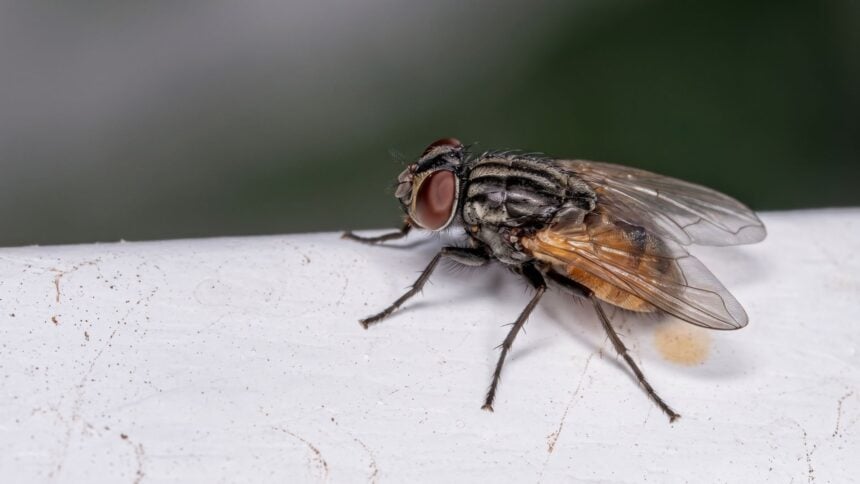
House flies return when they have a reliable food source, a place to breed, or an easy way into your home. Killing the adults you see may give you a little relief, but it will not solve the problem if more flies are developing nearby or entering through an open door or damaged screen.
If you keep asking why do house flies keep coming back, start by checking your garbage, outdoor waste, pet areas, and windows. The source may be outside, even if you mostly notice the flies in your kitchen or living room. Recurring house flies are often a sign that one part of the problem has been overlooked. Finding that source is the first step toward getting lasting relief.
Table of Contents
Reasons Behind Recurring Housefly Infestation
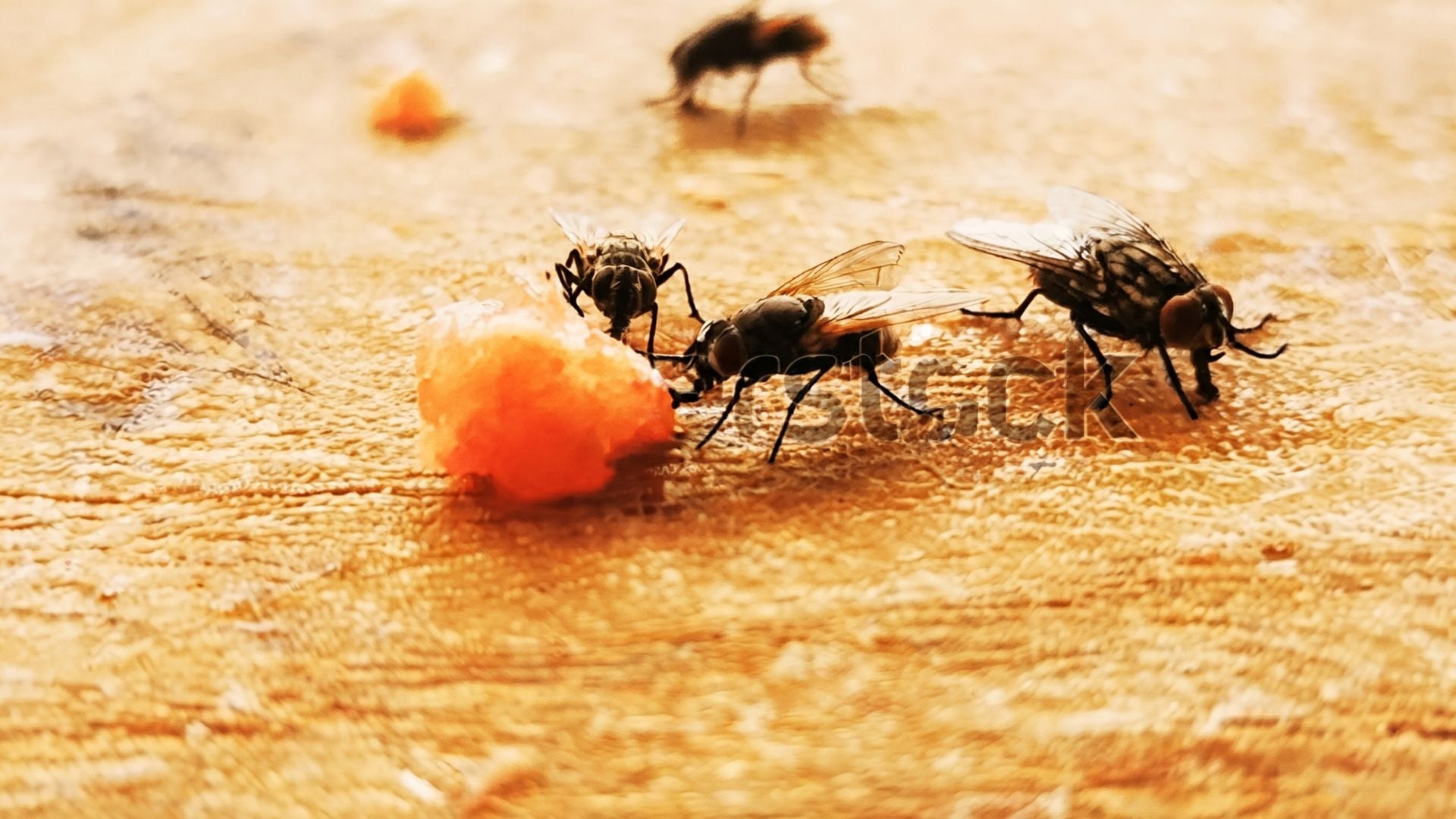
- Garbage and food waste: Flies smell something awful, like a lot of trash lying around, and they follow it. Open Garbage Bins, leftover food, and sticky spills draw them in, and flies around trash cans usually mean a lid does not seal or the bin needs washing.
- Pet waste and manure: Feces are houseflies’ prime breeding sites. Pet Waste left in a yard or an unscooped litter box, plus compost and manure, all grow flies.
- Moisture and decay: Rotting fruit, wet mulch, grass clippings, and spoiled produce feed the larvae. Animal carcasses in walls, attics, or other hidden places can supply enough decaying material for hundreds of house flies.
- Fast reproduction: The house fly life cycle can finish in 7 to 10 days under warm conditions (typically 77°F to 95°F). A female housefly lays 75 to 150 fly eggs per batch. The eggs hatch in 8 to 20 hours, and the Fly Larvae feed on the waste if the conditions are suitable.
- Easy entry: Most house flies stay within a mile or two of where they developed. They assemble in your yard first, then sneak their way into your home through open doors and loose screens.
Are They Really House Flies?
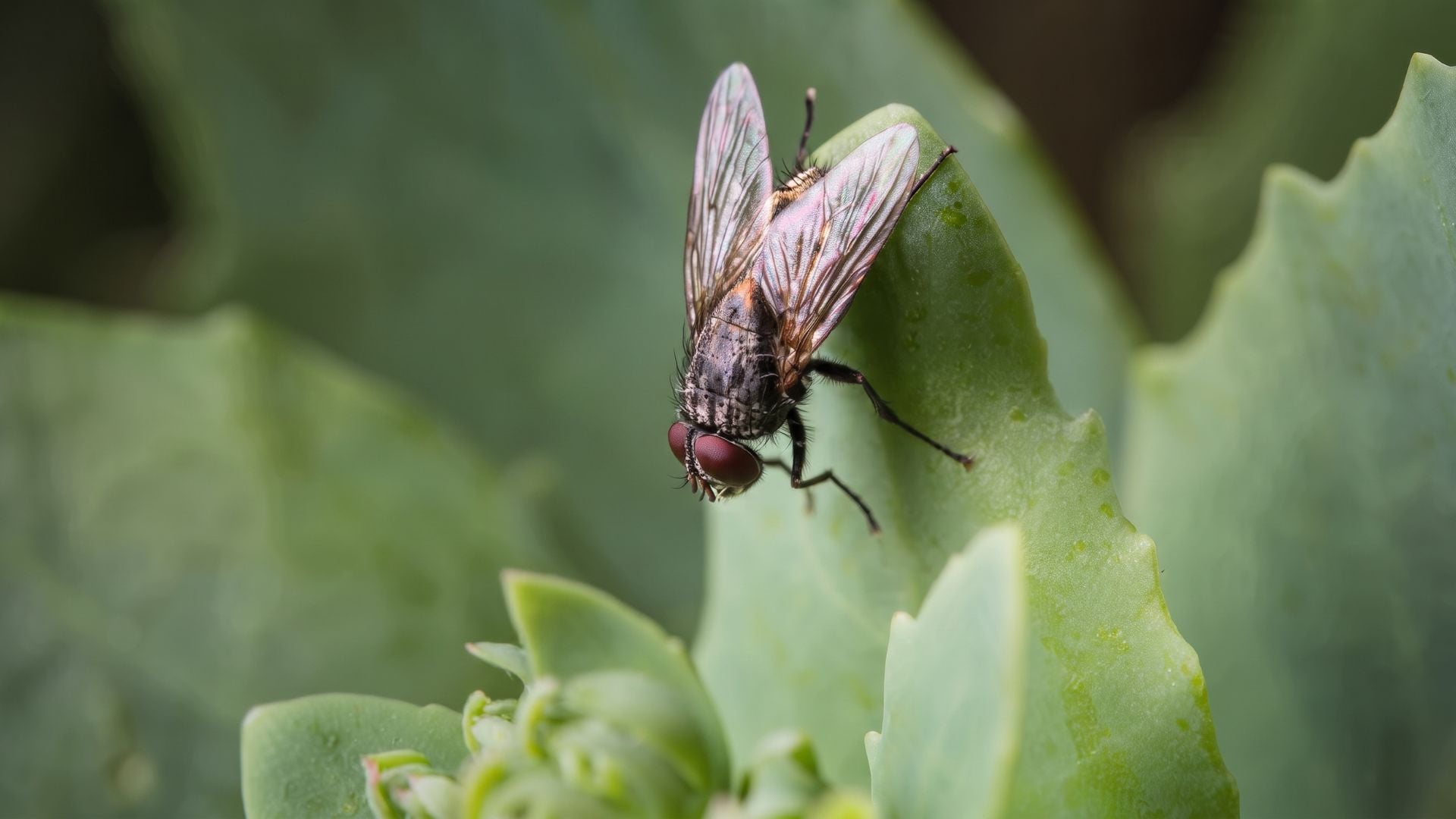
You may have been dealing with drain flies, cluster flies, blow flies, or flesh flies and mistaken them for houseflies and were treating them in the wrong way. In such cases, all your efforts may prove futile unless these flies are eliminated at their actual source (the place where they are breeding). Turns out, correct housefly identification is necessary, and you need to pay close attention to whether the fly infestation you are dealing with is actually houseflies.
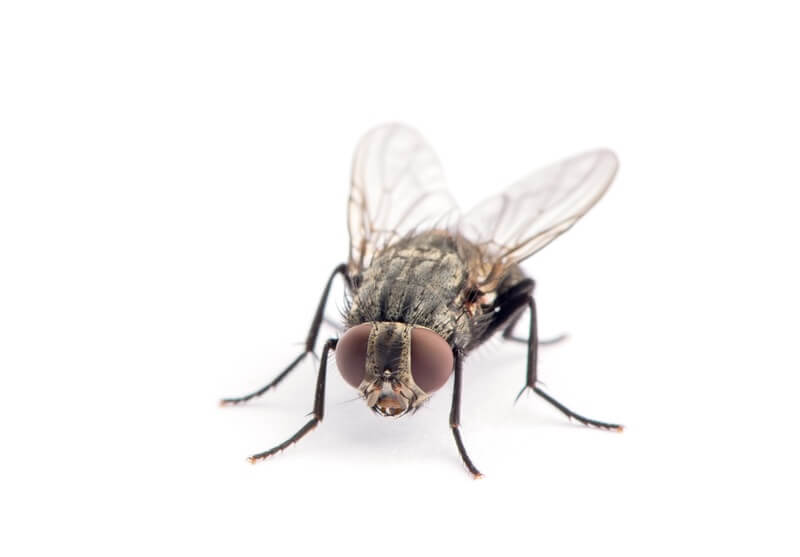
House Flies are usually dull gray and measure roughly 1/8 to 1/4 inch long. Look closely at the area behind the head. A typical house fly has four dark stripes running down its thorax. You will also notice six legs, short antennae, and one pair of visible wings. House flies do not bite people. They have sponging mouthparts that allow them to feed on liquid food and moist material.
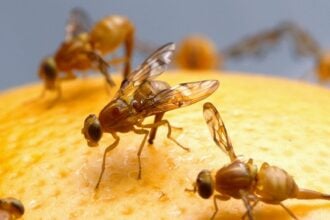
Unlike house flies, fruit flies are tiny, tan, and red-eyed, and usually scoot around kitchen areas. Drain flies look like fuzzy moths near sinks. Cluster flies are slightly larger and slow, with golden hairs. Blow flies are shiny blue or green, and they signal rotting meat or a dead animal nearby.
How to Stop House Flies From Coming Back
To get rid of house flies for good, treat the source, close the entrances, and then clear the adults. This would make sure you actually treated the infestation from their source and it most likely gonna help you get rid of them.
1. Deep Clean the Core Breeding Sources
Start with Sanitation, the most effective measure in fly control, because it clears out the food and the places flies breed, and they are their ultimate necessity. Take out the trash daily, wash the bins, and keep a solid lid on every can.
Scoop dog and cat droppings each day if you have pets around. Rinse recycling, clean drains, and cover compost.
Then hunt for hidden house fly breeding sites, such as wet mulch near doors and rotting produce. If you smell something awful and cannot find it, check for a dead animal in a wall, attic, or crawl space.
Female house flies lay on moist waste, and house fly eggs hatch within 8 to 20 hours if the conditions are in their favor. With no waste to eat, the house fly larvae starve before they can turn into pupae.
2. Seal the Gaps and Fortify Your Entry Points
House flies get in through gaps, and that makes sealing a physical fix you can finish in an afternoon. Repair or replace damaged window screens, and check that every frame sits tight.
Install weatherstripping and door sweeps to close Door Gaps, and caulk cracks around pipes and vents. Keep doors shut, and you can also use a screen door that closes on its own. Seal gaps around utility lines and attic vents too. House flies can sneak their way into the smallest openings, and if you keep these small openings closed, it will give house flies no choice but to leave.
3. Set Sticky Traps and Liquid Baits for Existing Adults
Fly Traps clear the adults that already live inside, and they show you where flies gather. Hang sticky strips near windows and trash areas, and keep them away from food.

For a liquid bait, fill a shallow dish with apple cider vinegar or sugar water and add a drop of dish soap. It will breaks the surface tension. Make sure you replace baits and strips weekly to keep everything fresh and to catch as many flies as possible.
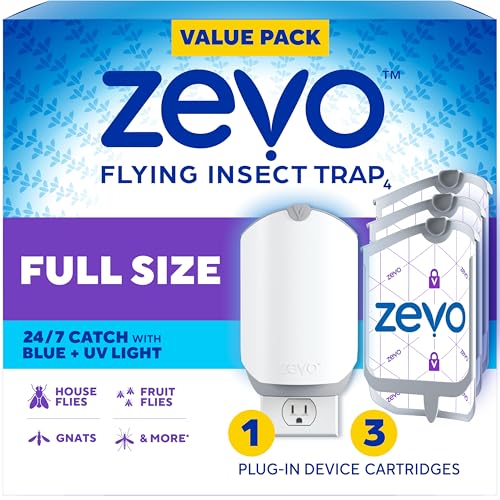
UV light traps help in garages and kitchens, and you should place them away from entrances so they do not draw flies in.
Should You Deploy Natural Deterrents and Repellent Plants?
You may have seen advice about cloves, basil, mint, or essential oils as ways to repel flies. These methods are popular because they are easy to try, but their effectiveness in reality is quite limited. A pot of mint near the window may smell pleasant, yet it will not reliably stop house flies from entering.
Cloves placed in citrus fruit and homemade essential oil sprays are also not dependable ways to control a persistent houseflies problem. And at worse, concentrated oils can irritate people and may be unsafe for pets, depending on the oil and exposure. Do not spray them around food, animals, or children without checking safety guidance.
If you enjoy growing herbs, keep them for cooking and fragrance. For dependable house fly control, focus on waste removal, covered bins, repaired screens, and traps placed in suitable locations.
When Should You Call a Pest Control Professional?
Call a professional when recurring house flies return after two weeks of strict cleaning, when you find maggots in the walls, or when a house flies infestation shows up in several rooms.
A house fly infestation that started from a hidden animal carcass or a drain needs a trained eye. Orkin is a strong option. An Orkin technician inspects for the source, treats breeding areas and entry points, and gives you a plan for follow up visits.
Frequently Asked Questions (FAQs)
Why are there so many flies in my house?
An explosion in numbers means that a full house fly lifecycle has been completed within your home. A single female can lay up to 500 eggs during its short lifespan. This means that one piece of organic matter left unattended could result in hundreds of new adult flies in as little as 7-10 days.
How do I know if flies are breeding in my house?
Look for small white maggots in trash, drains, or pet waste, and for brown capsules where larvae pupate. Clusters of flies in one spot, flies in low light, and a rotten smell all point to breeding indoors.
Why do house flies keep coming back after i spray?
Spray kills the adults it touches and misses eggs, larvae, and pupae. Flies also return from neighbors and from the source you never cleaned. Without cleanup and sealed entrances, a new batch matures in 7 to 10 days.
How long does it take to get rid of house flies?
Plan on two to four weeks. To get rid of house flies completely, you must remove the source, wait out the pupae, and keep traps out until no new adults appear. A dead animal in a wall can extend this until it dries out.
Does a clean house still attract house flies?
Flies can develop in outdoor garbage, manure, compost, or decaying vegetation and then enter a clean home. Their presence does not automatically mean your kitchen or living space is dirty. Check the area around your home as carefully as you check the rooms inside.
Do house flies breed in houseplants?
Ordinary house flies are not typically associated with clean potting soil. Small flies around indoor plants are more likely to be fungus gnats, whose larvae feed on fungi and organic matter in damp soil. Let the soil surface dry between watering sessions when suitable for the plant, and avoid leaving water in saucers.
Wrapping Up…
Recurring house flies usually have a source or an entry route that has not been dealt with. Start with garbage, pet waste, compost, and any damp organic material around your property. Then repair screens, seal gaps, and use traps to catch the adults that remain.
You do not need to keep spraying every time another fly appears. Find what attracts them, take away the breeding material, and make it harder for new ones to enter. That is the practical way to get rid of house flies and keep them from becoming a regular problem.