
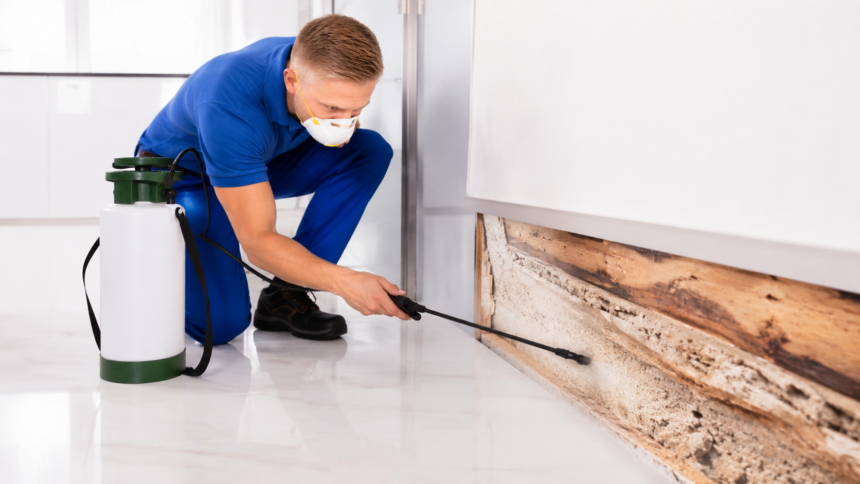
Termites are older than dinosaurs. These wood destroying insects have been crawling the earth for roughly 250 million years, and they have gotten exceptionally good at one thing: destroying what you built. In the United States alone, they cause around $30 billion in damage every single year.
That number does not just cover homeowners. In agriculture and forestry, these pests rack up close to $40 billion in damage to crops, timber, and resources. For residential properties, the figure comes down to about $5 billion in repair costs and prevention services annually — affecting around 600,000 homes across the country, especially in states like Florida, the Carolinas, and California. We’ll walk you through exactly how to get rid of termites before they take your home apart, board by board.
Table of Contents
What Are Termites & Their Types
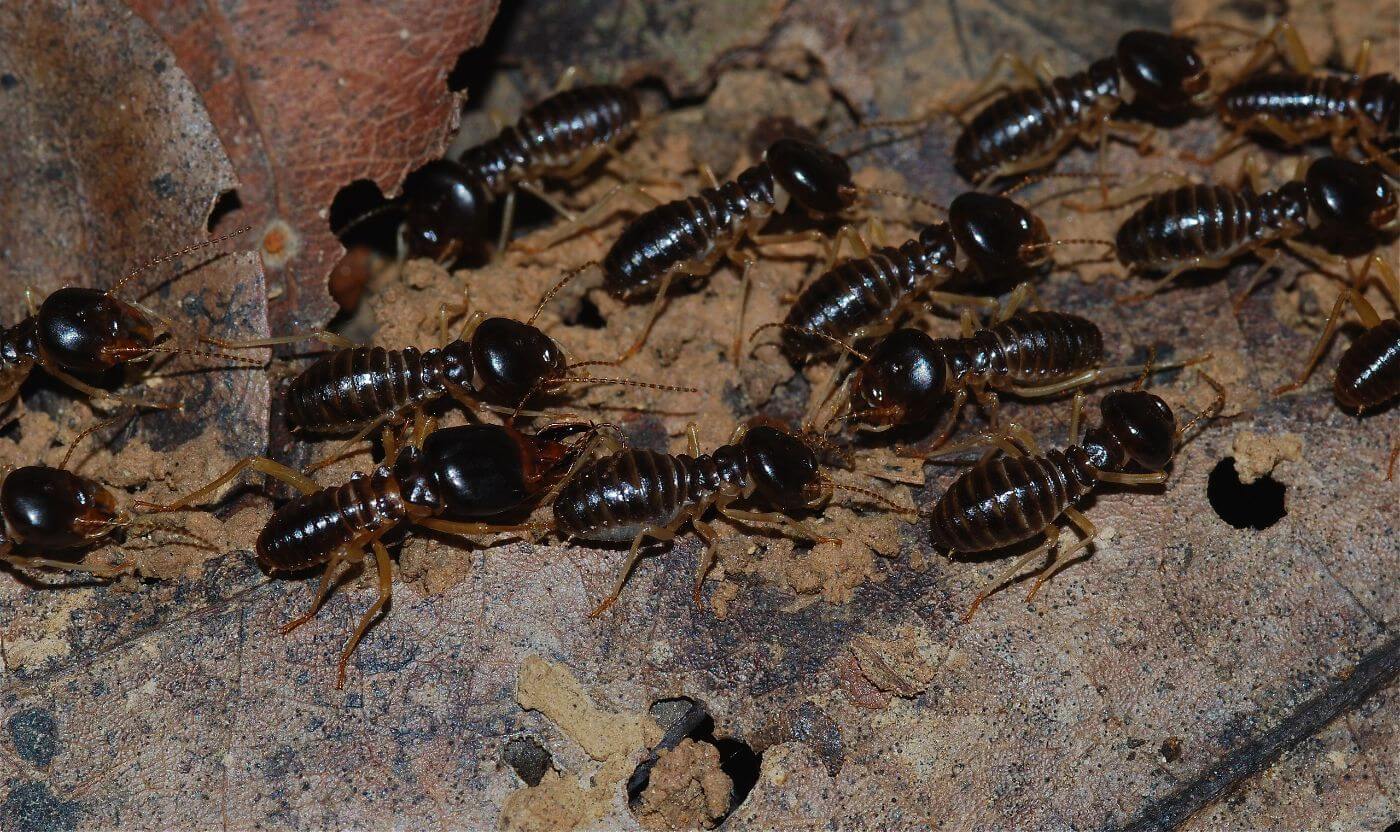
The U.S. alone has about 45 different termite species. Most of them primarily feed on wood, but they will also chew through paper, books, insulation, and even swimming pool liners. That wide appetite makes a termite infestation especially dangerous in older homes. Before you plan any termite treatment, you need to know which type you are dealing with.
Common termite types include:
- Subterranean termites
- Drywood termites
- Dampwood termites
- Formosan termites
- Conehead termites
Signs of a Termite Infestation
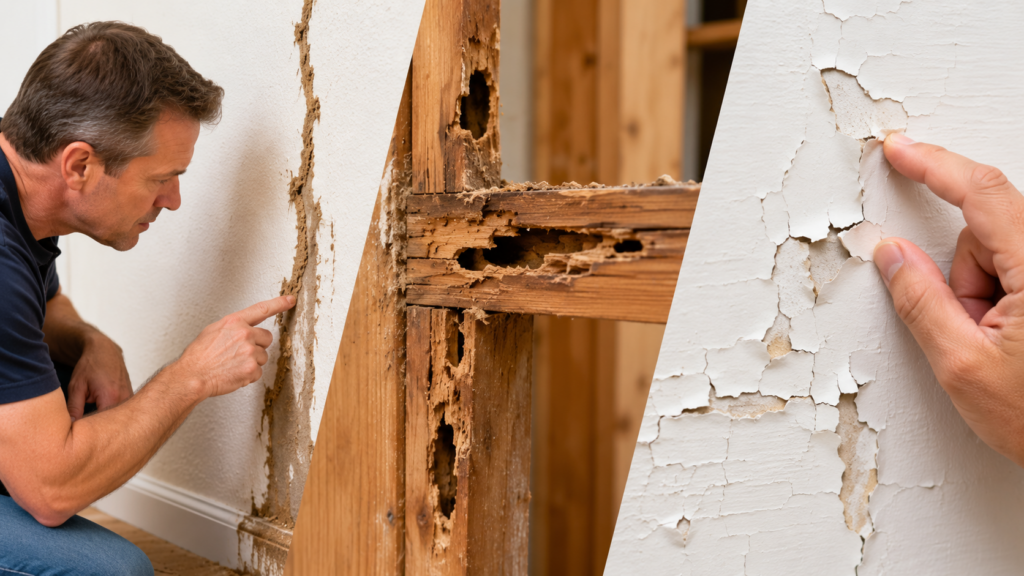
Catching a termite infestation early is the difference between a manageable repair and a gutted wall. Here is what to watch for:
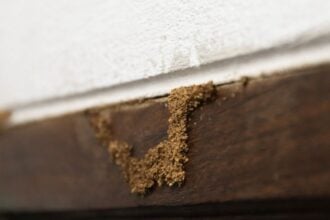
- Mud tubes on walls or foundation
- Hollow-sounding wood
- Cracked or bubbling paint
- Discarded wings near windows
- Swarmers around light sources
- Foundation cracks
- Tight-fitting doors or windows
- Wood damage along grain lines
- Small piles of frass (termite droppings)
- Soft spots in flooring
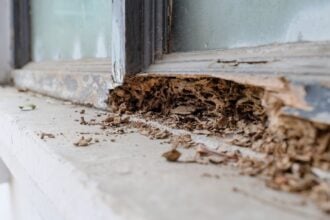
One thing worth knowing: termite-damaged wood is hollowed out along the grain, with bits of dried mud or soil lining the feeding galleries. Tap on a wall and hear a dull, papery echo — that is a red flag. Also, do not confuse termites with ants. Termites have straight antennae, a uniformly thickened waist, and wings of equal size. Ants have elbowed antennae, constricted waists, and forewings that are longer than the hind wings.
How To Get Rid Of Termites — 5 Effective Methods
Identify the Type of Termite
Before you spend a dime on pest control, figure out what you are dealing with. Subterranean termites build those classic mud tubes along your foundation and need soil contact to survive. Drywood termites live entirely inside wood with no soil contact at all. Each type responds differently to treatment, so misidentifying them wastes time, money, and gives the colony more room to spread. If you are not sure, collect a few samples in a sealed bag and take them to a local extension office or pest control professional for a proper ID.
Eliminate Moisture Problems
Moisture is the silent partner of a termite problem. Dampwood termites will not show up unless your wood is already wet. Even subterranean termites thrive in humid conditions. Check for leaky pipes under sinks, poor drainage around your foundation, blocked gutters, and crawl spaces with no ventilation. Fix these first. A termite treatment applied over a moisture problem is a short-term solution at best. Dry wood is naturally less attractive to termites, so fixing your moisture situation is one of the most practical steps in long-term termite prevention.
Remove Wood-to-Ground Contact
Direct wood-to-ground contact is an open invitation. Subterranean termites travel from the soil into your structure through wood that touches the earth — think fence posts, wooden deck supports, stacked firewood against the house, or old lumber sitting in the yard. Pull firewood at least 20 feet away from your home. Replace any wooden structural elements that make direct contact with the soil with concrete bases or treated lumber rated for ground contact. This one step cuts off the primary access point these pests use and makes any future termite treatment significantly more effective.
Apply Termite Treatments
This is where you take the fight directly to the colony. There are three main options, and most serious infestations benefit from combining more than one.
Liquid termiticides

Liquid termite treatment creates a chemical barrier in the soil around your home’s foundation. Products are applied by trenching along the perimeter, injecting into the soil, and treating the slab. When termites cross that treated zone, they pick up the active ingredient, carry it back to the colony, and spread it through contact with other termites.
Foam treatments

Foam termite treatment is particularly useful for getting into wall voids, tight crawl spaces, and hard-to-reach areas where liquid cannot go. The foam expands on contact, coating surfaces and suffocating termites on contact. It works well as a supplemental treatment alongside a liquid perimeter barrier, especially in older homes with complex structures where insect infestation can hide behind walls for months before anyone notices.
Bait stations
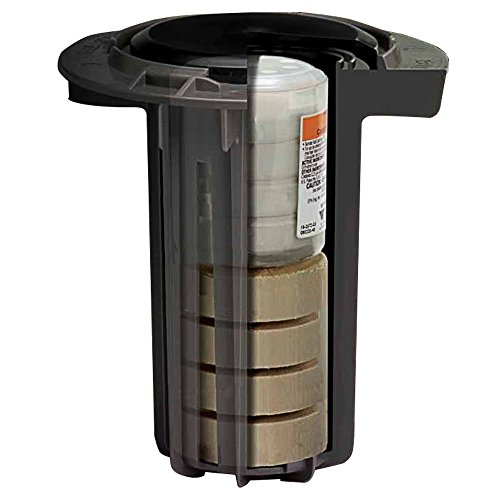
Bait stations are placed in the soil around your home at regular intervals. Termites find the bait, feed on it, and take it back to the colony — which eventually collapses the entire group. Bait stations require regular monitoring to stay effective and are often used as a long-term termite control strategy rather than a one-time fix. They are slow compared to liquid treatments, but they hit the colony at its core.
Monitor the Infestation
Treatment is not a one-and-done situation. Termites can return, especially if conditions around your home have not changed. After termite treatment, schedule follow-up inspections every six to twelve months. Check bait stations regularly — at least every few months during warm seasons. Look for fresh mud tubes along foundation walls, any new wood damage, or swarmers inside the home during spring. Document what you find. A solid record helps you and any pest control professional you work with spot patterns before they become a full reinfestation.
When to Call a Professional
If the termite infestation has spread to structural beams, multiple rooms, or you are finding active mud tubes in several spots around the foundation — it is time to call in professionals. Orkin is one of the most trusted names in termite control across the country, with decades of experience treating both subterranean and drywood species. They offer thorough inspections, customized termite treatment plans, and ongoing monitoring. For large-scale wood damage or a colony that has clearly been active for a while, professional-grade treatments and access to commercial-strength termiticides make a real difference. You can get a free inspection through Orkin’s website.
Frequently Asked Questions (FAQs)
Can I treat the termite infestation myself?
If the infestation is small and you have correctly identified the termite type, DIY methods like liquid termiticides and bait stations can be effective. That said, treating a large or widespread termite infestation without professional equipment often leads to incomplete results. Termites are good at hiding, and missing even one section of an active colony means the problem comes back.
How will I know if my home is infested with termites?
Look for mud tubes along the foundation, hollow-sounding wood when you knock on it, swarmers near windows during spring, frass near baseboards, and foundation cracks that were not there before. Any combination of these signs warrants a closer look. An inspection by a licensed pest control professional will confirm the scope.
How long will the termite treatment last?
It depends on the method. Liquid termiticides applied to the soil typically last five to ten years, depending on the product and soil conditions. Bait stations need ongoing monitoring and bait replacement. Foam treatments are more targeted and may need to be reapplied if the colony is still active after a few months.
Have I been “cheated” if termites continue to infest my home after treatment?
No termite treatment comes with a guarantee that termites will never return. If conditions around your home — like moisture, wood-to-soil contact, or cracks in the foundation — have not been addressed, new colonies can establish themselves. Most reputable pest control companies include re-treatment clauses in their contracts. Review yours carefully and ask your provider what their policy covers before you sign.
Wrapping Up…
Termites are not going anywhere. With 45 species across the U.S. and the ability to cause billions in home protection costs every year, staying ahead of them takes consistent attention. The good news: if you catch the signs early, apply the right termite treatment, and deal with the conditions that attract them in the first place, you can get rid of termites without tearing your home apart. Stay on top of inspections, fix moisture problems, and do not give these pests an easy path in. Your home is worth protecting.