
We talk to plenty of property owners who notice one tiny red speck on a window frame and assume it means nothing. Then a full week later you count twenty clover mites, and at that point the big issue is not how you smash them but how they got inside your house in the first place.
Clover mites never chew through your wood siding or drywall panels. They just stroll through tiny openings that sit there all year, spots that you never spot until a major clover mites infestation forces a closer look.
Read on to figure where these entry points usually hide, the exact gear you need to close them off, and the real steps to plug up those holes before another swarm claims your ledge.
Table of Contents
Key Takeaways
- Clover mites travel through existing gaps around windows, doors, and foundations. They don’t create new openings.
- Learning to seal cracks for clover mites is a permanent fix, while spraying alone only buys you a few weeks.
- Females can lay around seventy unfertilized eggs without a male present. It explains how a handful of mites turns into a real problem fast.
- Sealing works best when it’s paired with a bare soil barrier around the foundation, cutting off both the path and the food source at once.
Clover Mites Identification
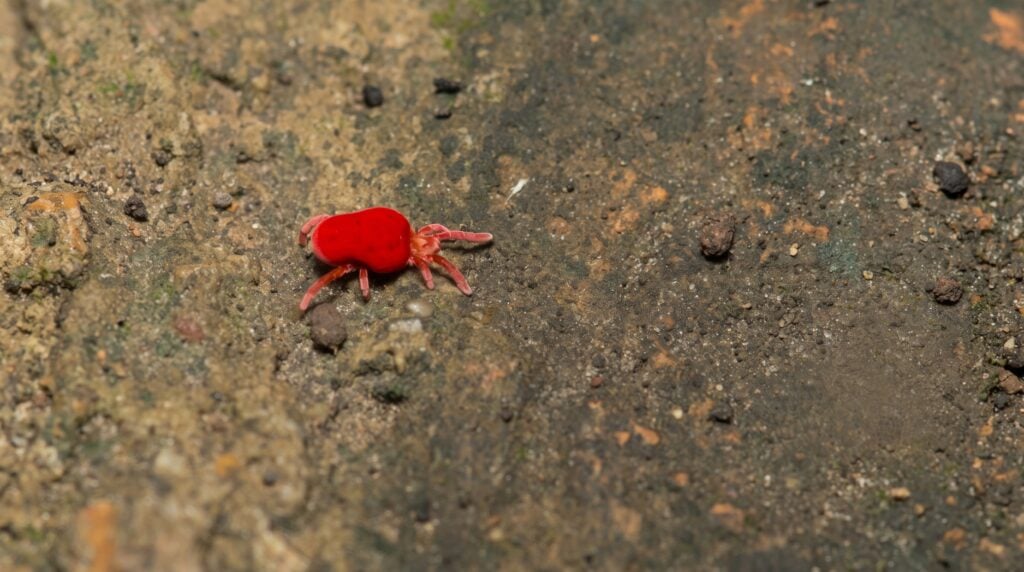
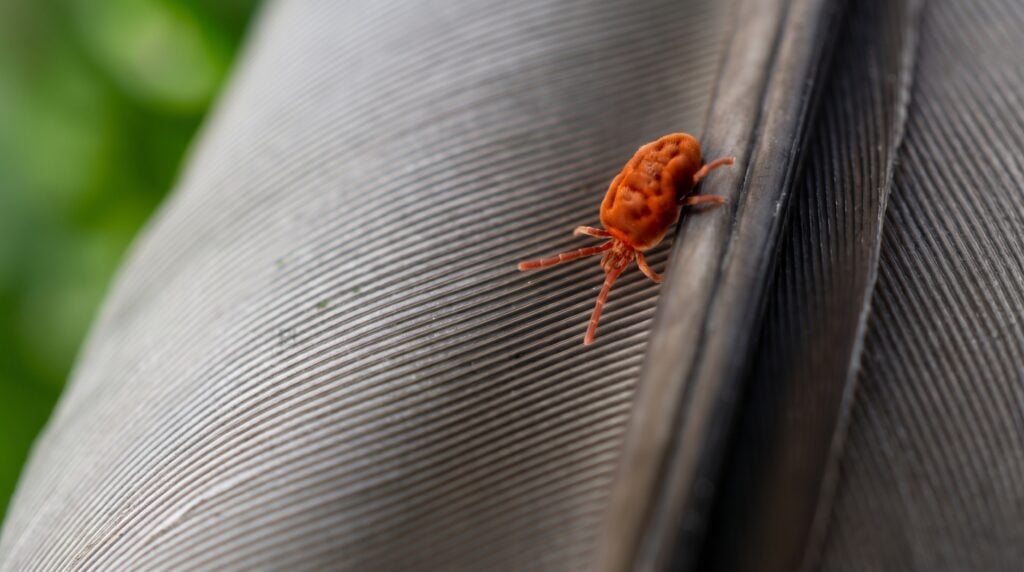
- Color: Clover mites usually show up reddish, sometimes reddish brown, and occasionally you’ll spot ones leaning pale orange or even an olive to greenish brown shade depending on what they’ve been feeding on. Perhaps the easiest way to describe them at a glance is a moving reddish speck, since definitive identification is impossible without a closer look.
- Size: These mites are genuinely tiny, somewhere close to a pinhead in overall length. Long front legs set them apart from most other household mites, and that’s usually the detail people notice once they get close enough to really look. From a few feet away, they just read as small moving spots on walls, drapes, or window frames. That is exactly why so many people may not even notice any signs of a problem until numbers grow.
Where Do Clover Mites Usually Get Into a House?
Clover mites do not look for big openings to make their way inside. Cracks in concrete, gaps along building walls, and openings around window and door frames are their main highways indoors.
On the outside, they hang out under loose tree bark and roofing shingles while they wait for hot weather to kick in. When the weather changes, they march toward the closest sunny wall and track any opening that brings them near heat.
That is how most clover mites entering the house get going, not because of a major structural failure but a slow trek through seams nobody inspected for a decade. Window spaces, door openings, and foundation splits make up the massive chunk of access spots that regular people have to fix.
What You Need Before Sealing Clover Mite Entry Points
Before you start closing gaps, get your materials together first. Running back and forth to the hardware store mid project is a good way to lose momentum on a job that really only takes an afternoon.
Exterior Caulk or Sealant

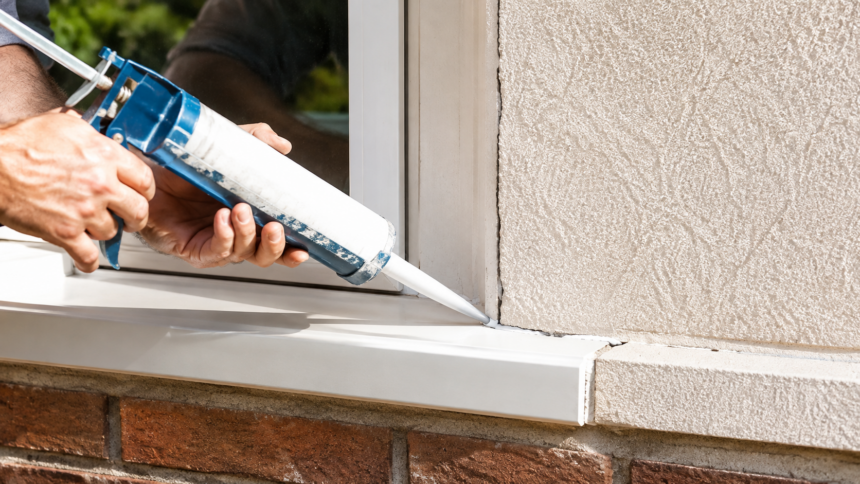
A quality exterior caulk rated for outdoor use is the backbone of this whole project. Cheaper indoor caulk cracks and shrinks fast once it’s exposed to sun and temperature swings, so spend a little more here. Silicone or polyurethane based formulas hold up best against weather over multiple seasons.
Caulk Gun

A standard caulk gun gives you the control needed for a clean, even bead. Skip the cheap plastic ones if you can, since a sturdy gun makes a real difference when you’re working along long stretches of siding or foundation.
Putty Knife or Scraper
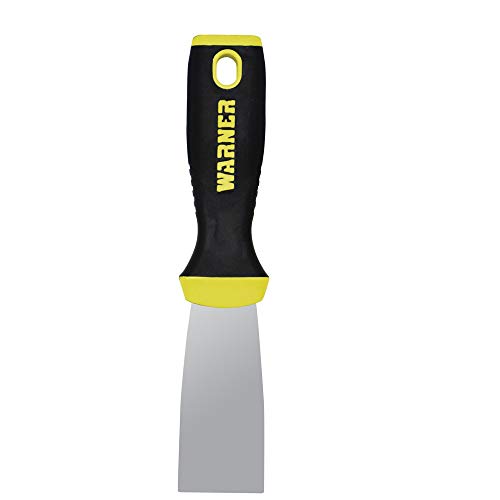
Old caulk needs to come out before new caulk goes in. A putty knife or a small scraper handles this without much effort, and it also helps clean out debris packed into deeper cracks around the foundation.
Cleaning Cloth and Brush

Dust, cobwebs, and old paint chips all interfere with caulk adhesion. A stiff brush clears out loose material, and a cloth wipes down the surface right before you apply anything, giving the new seal a clean surface to bond to.
Replacement Weather Stripping

Doors and some windows rely on weather stripping rather than caulk alone. If yours has gone brittle, cracked, or pulled away from the frame, replace it as part of this same project. Weather stripping and caulk work together, and skipping one usually means a gap stays open no matter how well the other is applied.
How to Seal Cracks That Clover Mites Use to Enter
- Find the actual entry points: Walk the exterior slowly, checking window frames, door thresholds, siding seams, and the foundation line, because a blind guess now drops money down the drain.
- Take out old or ruined caulk: Dig out every piece that looks dry, thin, or separates from the wall. Fresh caulk put over old, bad material almost never lasts.
- Clean and dry the gap. Brush out debris and wipe the area down. Caulk applied to a dirty or damp surface won’t bond properly and tends to fail within a season.
- Apply a continuous bead of caulk. Move steadily along the gap without stopping and starting. It keeps the seal uniform and avoids weak spots where mites could still squeeze through.
- Smooth and inspect the seal. Run a wet finger or a smoothing tool along the bead to press it into the gap, then check for any spots you might have missed.
- Check the repair after the next mite outbreak. Spring and fall bring the heaviest activity, so revisit your work during those windows to confirm the seal is holding.
How to Stop Clover Mites From Reaching the Cracks
Sealing up gaps solves half the problem. The other part involves stopping clover mites from ever reaching the side of your house in the first place. Strip out a 45 to 60 centimeter zone of dirt around your base, free of grass, weeds, and thick ground cover, because bugs eat those plants and utilize them as a base camp before they climb your siding. This bare ground does a lot more than clean up the look of your property. It takes out the food supply and the direct highway clover mites need to reach your open seams. A small rock or wood chip barrier works fine provided that it sits a few inches below your house panels.
When Sealing Cracks Isn’t Enough
Sometimes a clover mites infestation has already spread further than a caulk gun can fix, especially if mites are coming from multiple points around the home or returning season after season despite your best sealing work.
That’s when it’s worth calling in a professional. Orkin has the training and access to treatment options that go beyond what’s available at a hardware store, and their technicians can identify entry points that are easy to overlook during a DIY inspection. If you’ve already worked to get rid of clover mites on your own and they keep coming back, a professional visit is often the fastest way to finally close the loop.
Frequently Asked Questions (FAQs)
Can clover mites fit through tiny cracks
Their small, flat shapes let them slip through holes that look way too narrow to count, which is precisely why a simple hairline crack around a window frame turns into a major access point.
How often should you check for clover mite cracks?
Two times a year works great for average houses, best right before spring and once more before autumn, because those are the specific times when clover mites numbers surge any new gaps tend to show themselves.
Can clover mites come through window screens?
Screens themselves usually block adult mites, but gaps where the screen meets the frame, or tears in older screens, give them a direct path inside regardless of the mesh.
Will sealing cracks get rid of clover mites completely?
Sealing stops new mites from getting in, which is the biggest piece of long term control. Existing mites indoors still need to be vacuumed up, and outdoor populations may need a bare soil barrier or treatment to fully manage.
Wrapping Up…
Clover mites overwinter as eggs and hatch in early spring, and during summer, the new generation goes into a kind of warm weather hibernation before starting the cycle again. That pattern means the cracks around your home stay relevant year round, not just during the spring rush. Taking the time to seal cracks for clover mites now, before the next active season, saves you from repeating this whole process every few months. A caulk gun and an afternoon walking your home’s perimeter is a small trade for not finding reddish specks on your windowsill again.