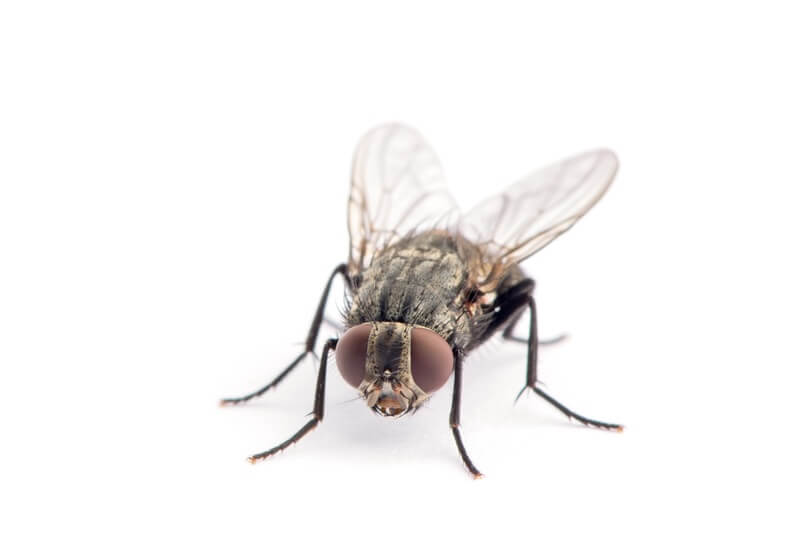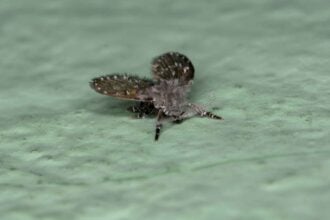

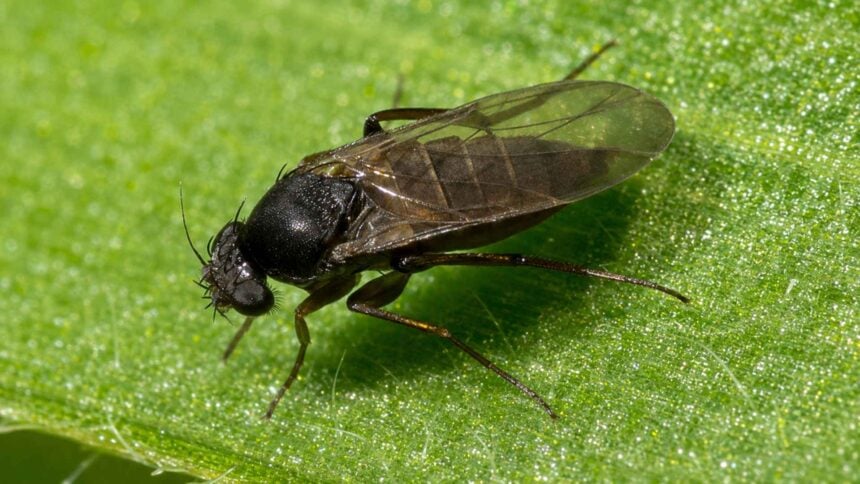
When it comes to tiny flies around the house, few are as confusing as phorid flies. They dart across kitchen counters, run along walls, and sometimes head straight toward your face. Their habit of darting around your face can make phorid flies seem more threatening than they really are. If you have also noticed an itchy spot or two, it is natural to connect the two. But phorid flies bite humans? They do not. These small flies are not blood feeders, and their mouthparts are not designed to pierce human skin.
Phorid flies usually show up because they have found moisture and organic material that can support them. Drains, plumbing leaks, garbage, spoiled food, and damp areas can all provide suitable conditions. A few flies may be harmless, but a steady stream can signal a hidden breeding source. Before you blame these flies for itchy skin, it helps to know what they are and why they keep coming back.
Key Takeaways
- Phorid flies don’t bite. Their mouthparts aren’t built for it.
- That crawling or tickling feeling comes from how they land and scuttle, not from a bite.
- They breed in decaying organic matter, drains, and garbage, which is the real health concern.
- A handful of flies is a nuisance. Dozens showing up daily points to a breeding site somewhere close.
- Persistent or large phorid flies infestation cases usually need a pest control company, not another can of spray.
Phorid Flies Characteristics
Before diagnosing a bite that probably never happened, it helps to know what you’re actually looking at.
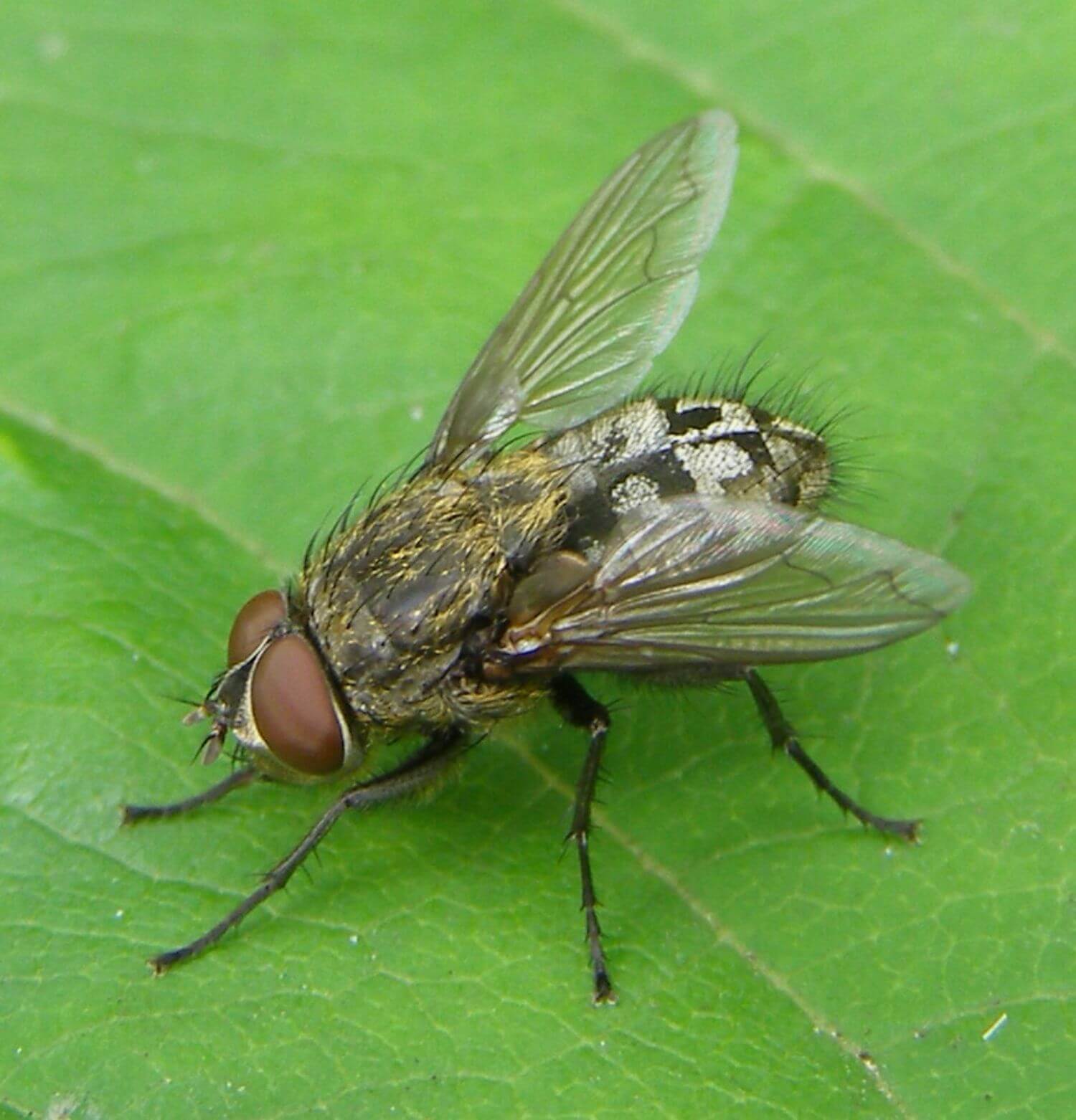
- Adult phorid flies size sits right around 3 millimeters, or roughly 0.125 inches. That makes them close in size to a fruit fly, but they are noticeably humpbacked when viewed from the side.
- The phorid flies life cycle goes from egg to larva, pupa, and then adult. A single female can lay several hundred eggs over her life. When the weather is warm, the whole cycle from egg to adult can wrap up in around three to four weeks.
- As for phorid flies eggs, they are roughly 0.02 inches, which is about 0.5 millimeters, so they are way too tiny for most homeowners to ever spot directly.
Why Do Phorid Flies Seem Like They Are Biting You?
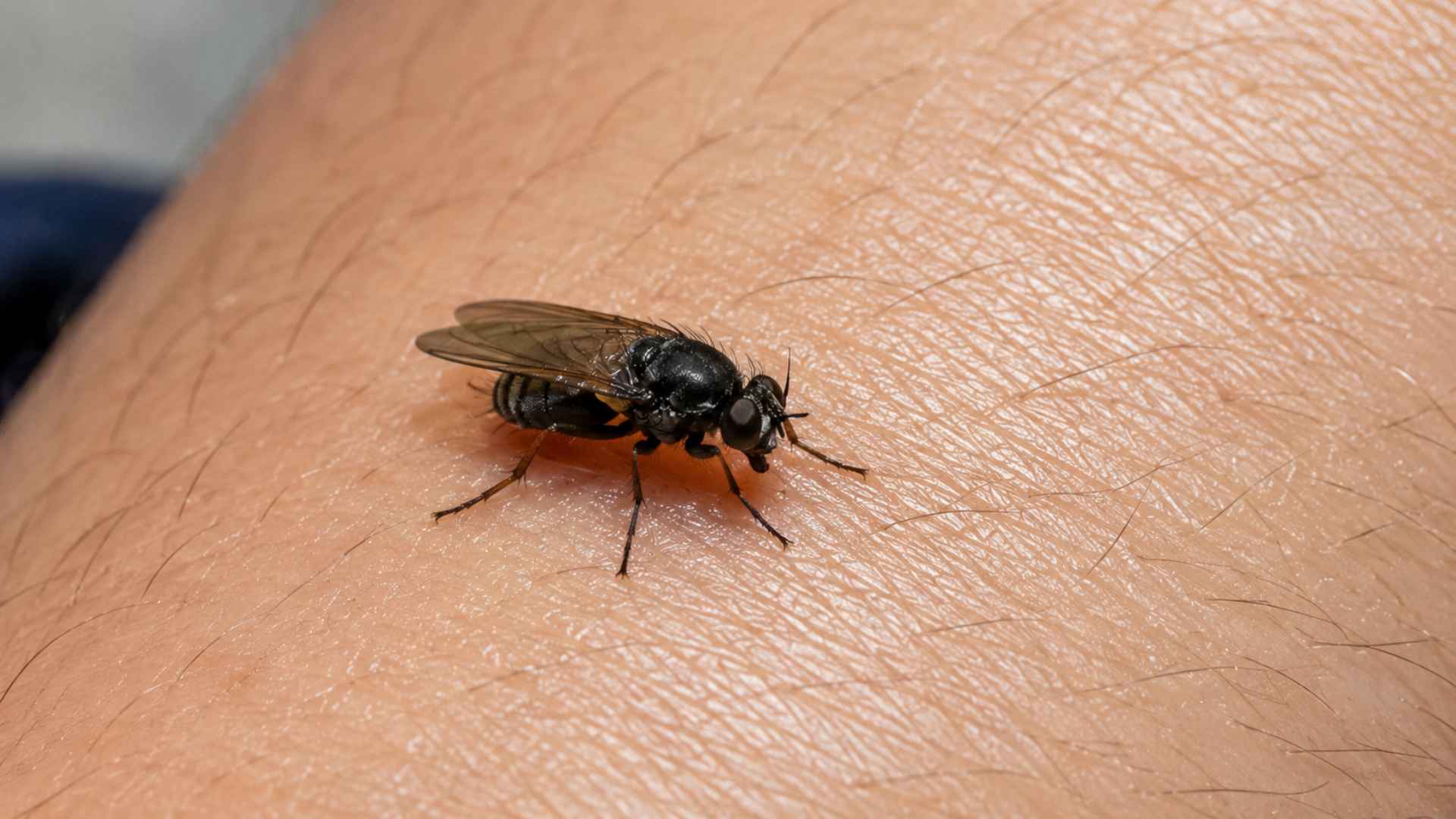
Phorid flies don’t take off the second they land, not the way a housefly does. They run across skin in short bursts, and that habit is what earned them the nickname scuttle flies to begin with.
Feel that movement against thin skin, say your wrist or the back of your neck, and it reads a lot like a pinprick. Nothing about their anatomy backs that up though, and still the idea that phorid flies bite refuses to die.
Throw in the fact that they’re drawn to sweat and body heat, and you start to understand why so many people report phorid fly bites that, on closer inspection, amount to nothing more than an itchy sensation with zero mark left behind.
Reports of phorid flies on humans almost always follow this same pattern once you actually look closely. No swelling. No red bump. No puncture. Just a fly that overstayed its welcome on your arm for a few seconds.
Can Phorid Flies Cause Any Health Problems?
They lack the mouthparts to break skin, full stop, and claims that phorid flies bite simply do not check out under a microscope. So what makes people ask if phorid flies dangerous in some other sense?
The real concern with phorid fly health risks has nothing to do with your arm. It has to do with where these flies have been. They breed in decaying matter, clogged drains, and rotting food, then land right on your countertop or your dinner plate a few minutes later.
That habit gives them a real shot at carrying bacteria from a filthy breeding site onto surfaces meant for food prep. In rare documented cases, phorid fly larvae have even been linked to minor infestations in open wounds or badly unsanitary living conditions. However, that outcome stays uncommon and traces almost entirely back to poor sanitation instead of ordinary household exposure.
How to Tell Phorid Flies Apart From Actual Biting Flies
Plenty of tiny flying insects get lumped together under one annoyed swat. A bit of phorid fly identification skill, paired with some basic fly identification instincts, saves you from misjudging the wrong bug entirely.
Phorid Flies
Look for a hump, plain and simple. Phorid flies carry a distinctly arched thorax that gives them a humpbacked silhouette. That’s where nicknames like humpback flies and coffin flies actually come from.
Add dark eyes, a small head, and that signature scuttling run across surfaces instead of taking off, and you’ve got your identification down. They’re tan to dark brown and measure around 3 millimeters long.
They look a bit like a biting black fly at a glance, sure, but phorid flies simply aren’t built to pierce skin, and claims of Phorid bites rarely hold up once someone actually goes looking for a mark.
Black Flies
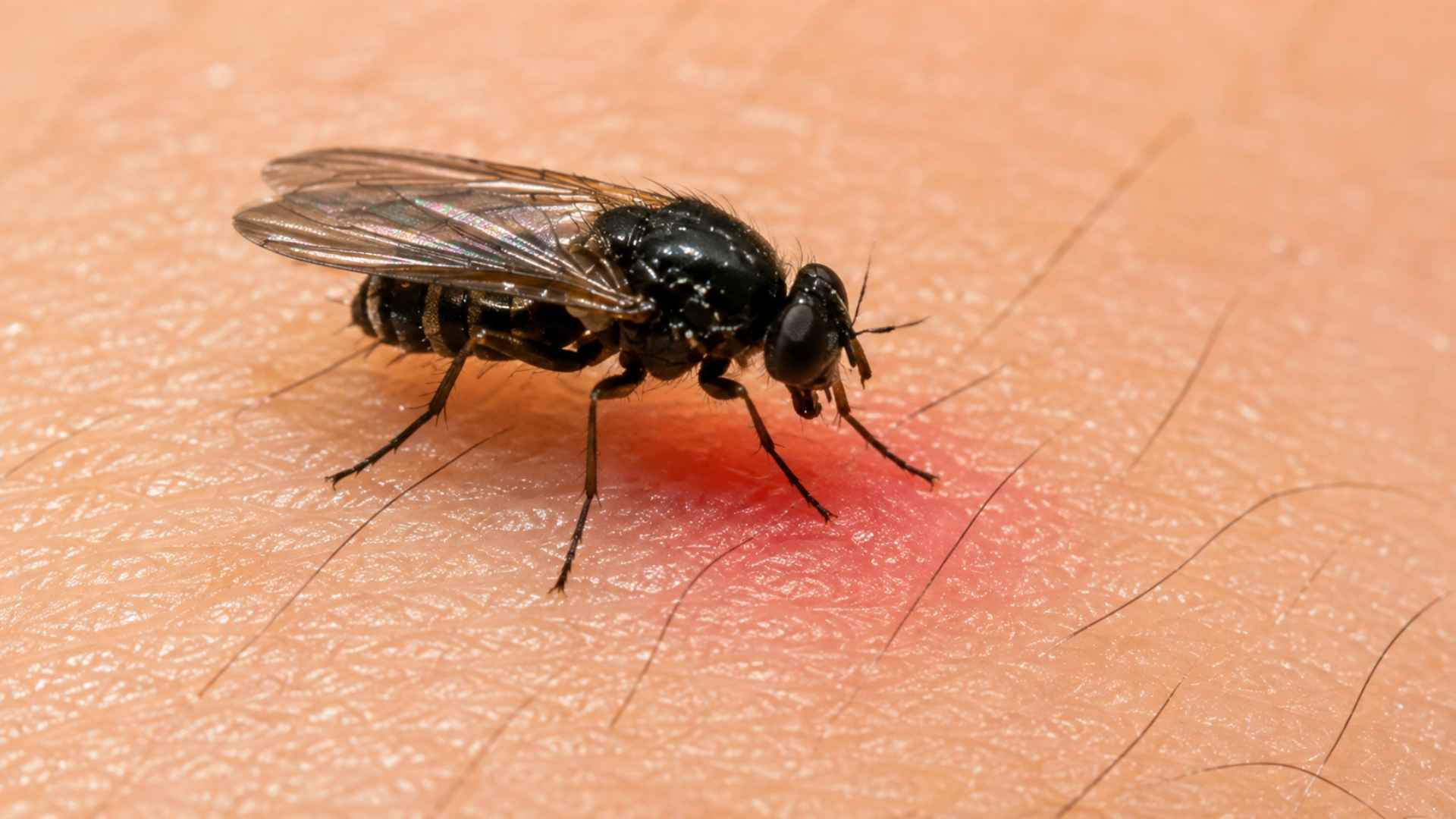
Black flies are true biters, and this is where the real danger actually lives, which puts every overblown claim that phorid flies bite humans into perspective. Females need a blood meal to produce eggs. Turns out, they do bite humans.
Their bite can leave a small welt, sometimes with a drop of blood at the center, since their mouthparts actually tear skin instead of piercing it cleanly. They tend to swarm outdoors near streams and rivers rather than showing up in your kitchen, which happens to be one of the easiest ways to rule them out indoors.
Fruit Flies
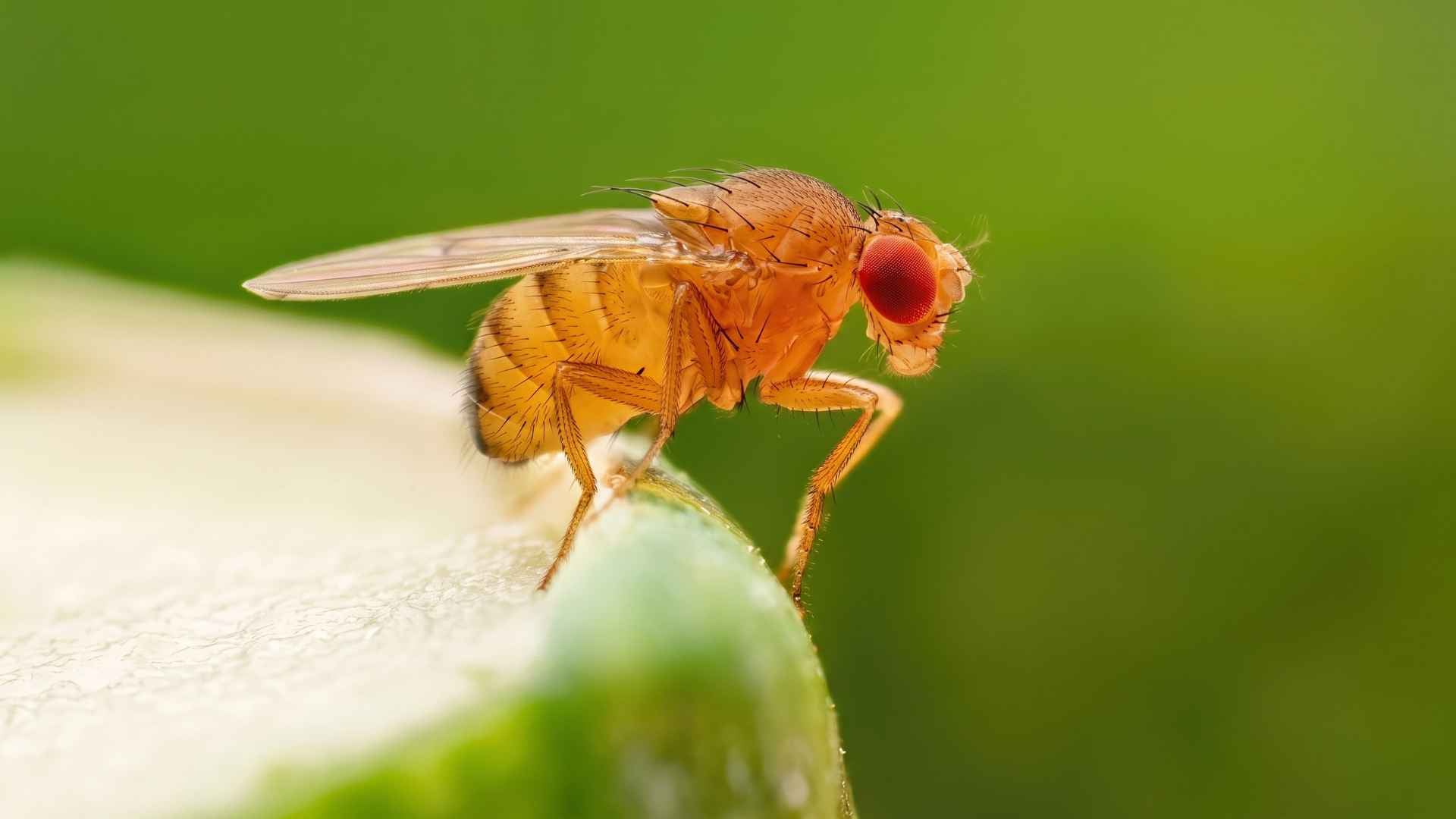
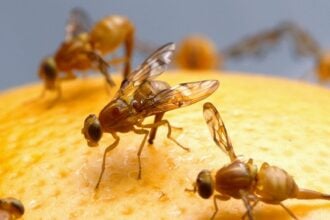
Fruit flies share a similar size to phorid flies and get mistaken for them all the time, though. The shape gives it away once you know what to check for. Rounder body. Red eyes on most common species. No humpback. They cluster around ripening produce, wine glasses, anything fermenting on the counter. Like phorid flies, they don’t bite either.
Fungus Gnats
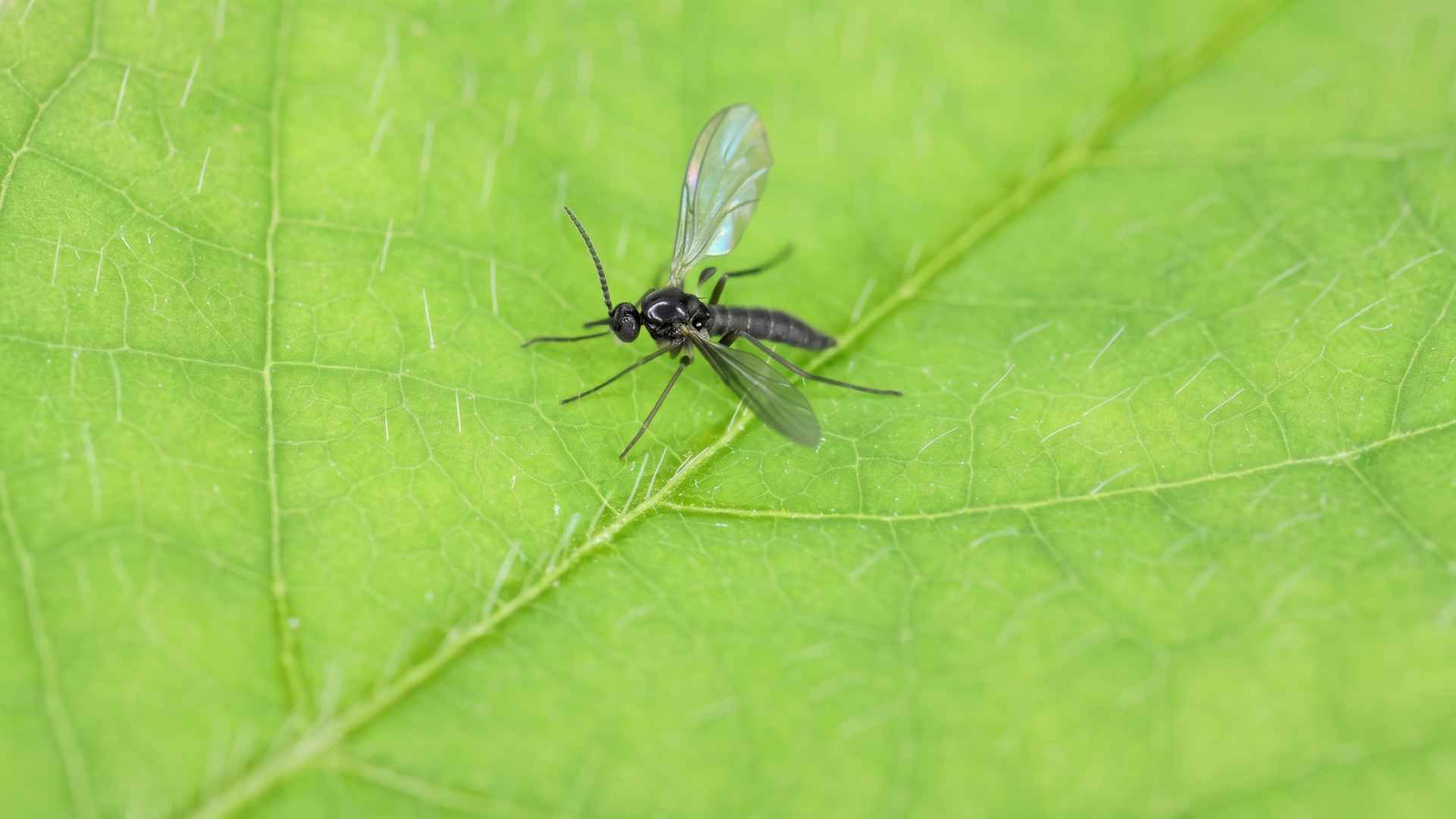
Fungus gnats look more like miniature mosquitoes. Long thin legs and delicate wings, and they gravitate toward overwatered houseplants. Weak fliers. Harmless to people. Their larvae live in damp potting soil instead of decaying food waste. If your tiny fly problem is clustered around plants rather than the trash can, fungus gnats are the likelier culprit.
How to Stop a Phorid Fly Infestation From Getting Worse
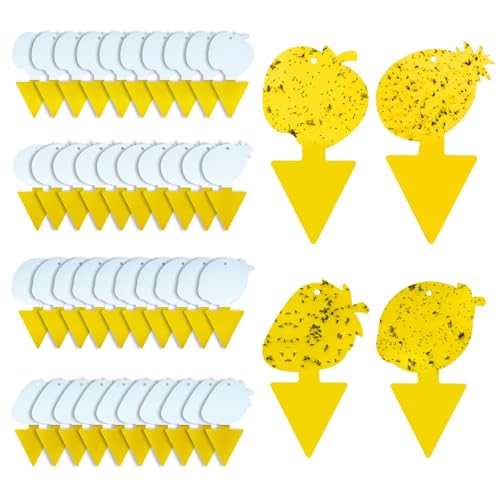
Start here if you want to know how to get rid of phorid flies for good. Breeding sites are the real target instead of the adult phorid flies buzzing around your kitchen.
- Track down the breeding site first. Adults are just a symptom. Check garbage disposals, drains, and trash cans for a slimy buildup. Moist organic gunk is exactly what draws them in.
- Take out the food source completely or clear it out from the home outright. Half measures just slow the cycle down.
- Run garbage disposals with hot water and a drain brush weekly to strip away buildup before it becomes a breeding ground.
- Seal trash cans tightly and take them out more often during warm months when the life cycle moves fastest.
- Fix leaking pipes or standing water anywhere in the house, especially under sinks and around water heaters.
- Use sticky traps near suspected breeding areas to confirm where the flies are actually coming from before you treat anything.
When Should You Worry About Phorid Flies?
A few phorid flies drifting around a trash can isn’t an emergency. What should actually get your attention is a sudden spike in numbers. Flies clustering in one room day after day, or a breeding site you can’t locate no matter how thoroughly you clean.
That usually means the source sits somewhere out of easy reach, inside a wall cavity, under a slab, deep in a drain line, and no amount of store bought spray is going to fix that. This is the point where calling a licensed pest control company like Orkin makes far more sense than guessing your way through it.
Their technicians carry the equipment and training to trace an infestation back to its actual source, not just knock down the adults you can see, and that’s the difference between a fix that lasts and one you’ll be repeating next month.
Frequently Asked Questions (FAQs)
Do phorid flies bite humans?
Phorid flies bite humans as a literal event just doesn’t happen, since their mouthparts aren’t built to pierce skin. What feels like a bite is really just their legs brushing against you while they scuttle across your arm.
Will phorid flies lay eggs in humans?
It’s exceptionally rare, and tied almost entirely to open wounds or severely unsanitary conditions. For the overwhelming majority of households dealing with a phorid flies infestation, this just isn’t a realistic worry.
Why do phorid flies fly in your face?
They’re drawn to the carbon dioxide, warmth, and moisture around your mouth and nose, the same signals that pull them toward decaying food. Your face just happens to give off a similar profile.
Can phorid flies cause itching?
The itching people report almost always traces back to legs moving across skin, not an actual bite. Claims that phorid flies bite rarely hold up under closer inspection. Once the fly moves on, the sensation fades within seconds and leaves nothing behind.
Wrapping Up…
The short version holds up under scrutiny. Phorid flies bite claims almost always turn out to be nothing more than a startling little scuttle across bare skin, not an actual puncture wound. The real issue sits in what these flies land on before they land on you. Their habit of breeding in decaying matter and drains is what makes sanitation the actual fix, not swatting. Track down the source, clean it out or haul it out of the house, and keep drains and trash cans from turning into a breeding ground in the first place. If the flies keep coming back no matter what you try, take that as your signal to get rid of phorid flies the professional way and bring in a pest control company that can find what your eyes can’t.