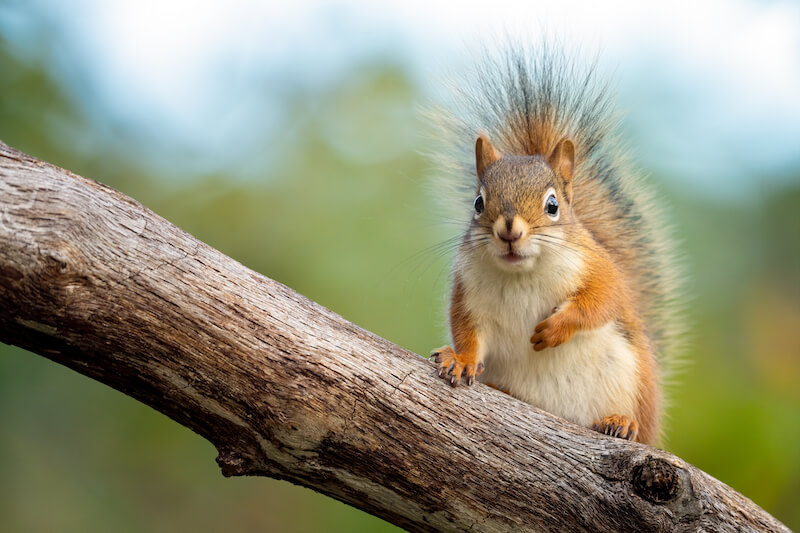

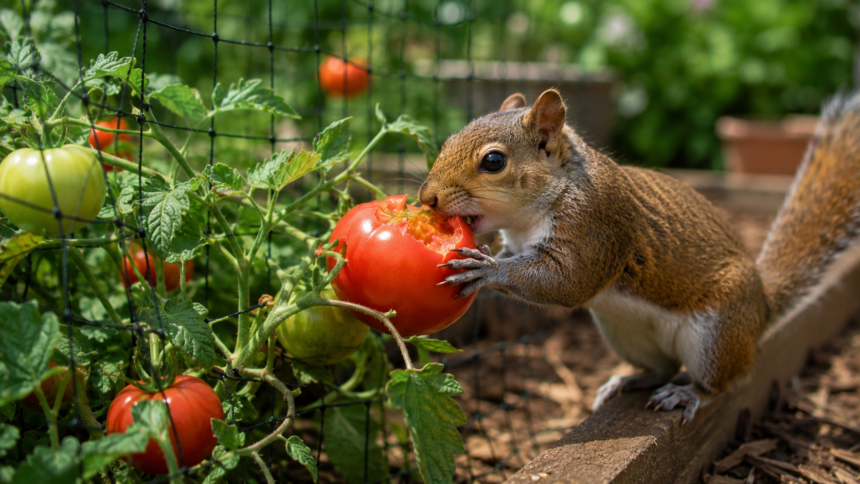
You go out to check on your tomatoes and there it is again. Half a tomato, still hanging off the vine, skin scattered on the dirt below like something exploded overnight. If this sounds familiar, you are probably not dealing with birds or bugs. This is squirrel work.
We have lots of them around our place, and after a few seasons of losing tomatoes to these little bandits, we picked up a thing or two about what actually stops them. Squirrels are smart. Too smart, honestly, for half the tricks people swear by online. Here you’ll figure out why they target tomatoes specifically on your lawn and what genuinely works to stop squirrels from eating tomatoes before your whole crop ends up on the ground.
Table of Contents
Why Are Squirrels Eating Your Tomatoes?
It usually comes down to water more than hunger. Tomatoes are soft, juicy, and sitting right there at eye level, which makes them an easier grab than digging up buried acorns somewhere across the yard. During the hottest stretches of summer, when natural water sources dry up, squirrels go looking for moisture wherever they can find it, and a ripe tomato fits the bill perfectly. Squirrels eating tomatoes is rarely about desperation. It is about convenience. Once one squirrel finds your garden reliable, word gets around fast, and suddenly you have a whole crew showing up.
Signs Squirrels Are Damaging Your Tomato Plants
- Half eaten tomatoes on vine
- Tomato skin scattered nearby
- Small bite marks visible
- Fruit disappearing overnight
- Soil dug up nearby
- Plant stems knocked over
- Feisty chattering near garden
- Acrobatic movement across fencing
How to Stop Squirrels From Eating Tomatoes
Cover Plants with Garden Netting
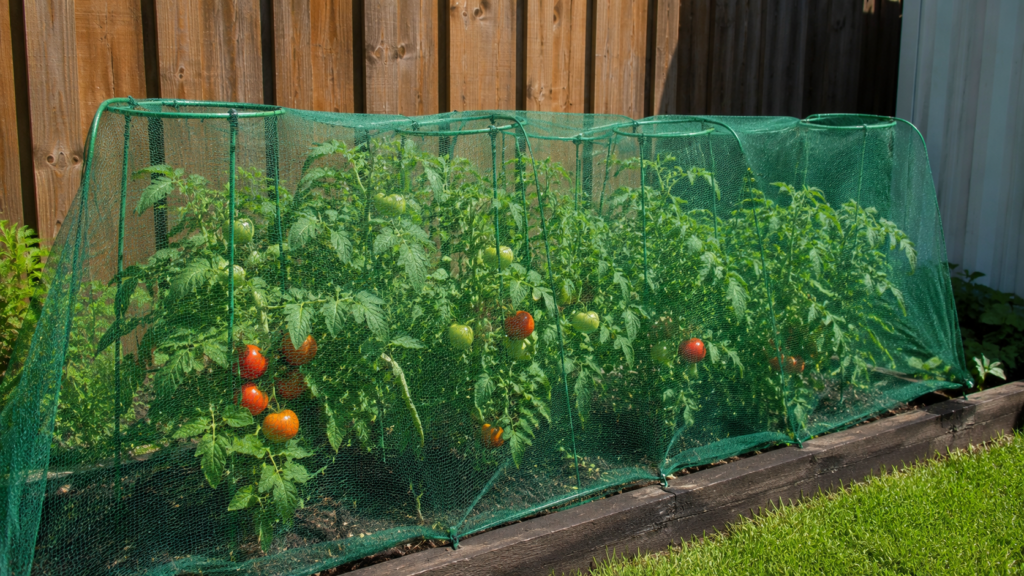
Netting is still one of the simplest fixes out there, mainly because it just physically blocks access instead of trying to scare anything off. Drape it over your tomato cages and pull the edges down tight at the bottom so there is no gap for a squirrel to wriggle under. No chemicals, no noise, nothing fancy, it just works because there is nothing left to sneak past.
Install Wire Cages Around Tomato Plants
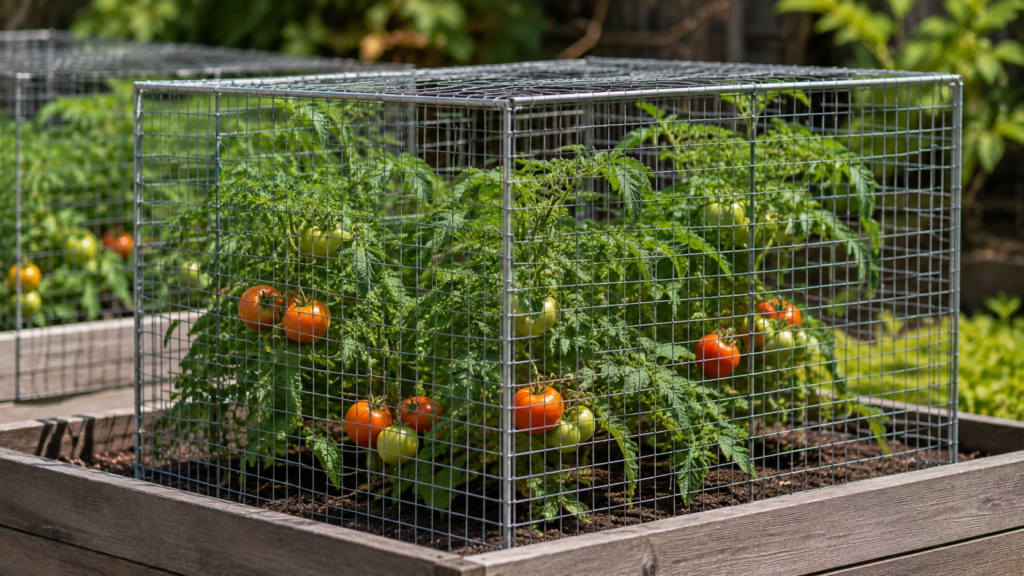
A flimsy cage with big gaps is basically an invitation. Squirrels can pull off some genuinely impressive acrobatic maneuvers when there is food on the line, so go with wire mesh that has openings under an inch. It holds the plant up and keeps the fruit out of reach until you decide it is time to pick.

Harvest Tomatoes Early
This one gets overlooked constantly. Tomatoes keep ripening after you pull them off the vine, so there is no real downside to grabbing them a few days early and letting them finish on a windowsill inside. Doing this alone cuts down losses more than most people expect, and it costs nothing.
Provide a Separate Water Source
Since thirst drives a lot of this behavior, setting out a shallow water dish somewhere else in the yard, away from your beds, can pull squirrels’ attention elsewhere entirely. This trick works especially well during dry spells when water is scarce and your tomatoes are the juiciest thing around.
Remove Nearby Food Sources
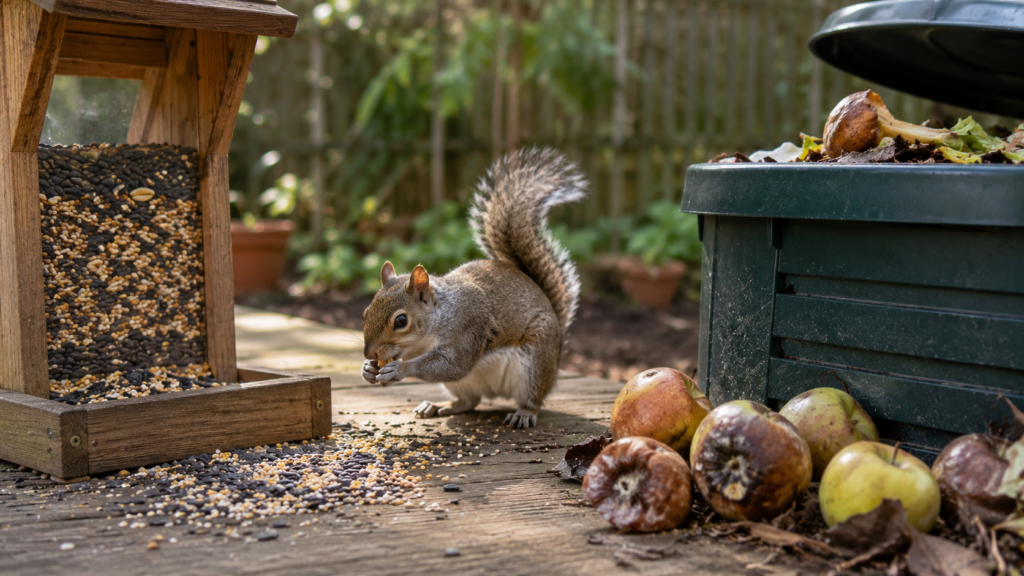
Spilled birdseed, an open compost pile, fruit rotting under a tree, all of it keeps squirrels hanging around your property longer than they need to. If they are already busy gobbling birdseed or nibbling nuts nearby, your tomatoes become an easy next stop once the seed runs out. Clean up these extra food sources and you cut down the overall traffic through your yard, which helps everything else you are doing to protect the garden.
One method that keeps popping up in gardening forums involves taking a plastic shopping bag, snipping the bottom corners for drainage, cutting a little viewing slit in the side, and hanging it over a cluster of tomatoes. We are going to be honest, that ain’t gonna work well. Put that bag in direct sun and it basically becomes a tiny microwave, trapping heat and humidity that will cook the fruit faster than any squirrel ever could. Save yourself the trouble and stick with netting or a proper cage instead.
Best Natural Squirrel Repellents to Keep Them Out of Your Lawn
Audqqm Outdoor Squirrels Repellent

Why It Made Our List
These pouches are about as low effort as pest control gets. Set them around the garden and you get a scent barrier without spraying anything directly on your plants. Since the formula is billed as family and pet safe, you can tuck them near tomato beds, potted plants, or even up in an attic without stressing over toxicity. No reapplying after every rain either, which is more than you can say for most sprays.
PestXDrops Moth Balls For Rodent Control

Why It Made Our List
Peppermint oil is the star ingredient here, and these balls go after more than just squirrels, covering moles, gophers, and skunks too. That makes them a good pick if your yard is dealing with more than one uninvited guest. The scent is strong enough to keep animals away while staying safe around pets, and you can scatter them outdoors or set them near entry points inside.
BorHood Ultrasonic Mouse Trap

Why It Made Our List
If squirrels are just one item on a longer list of pest problems, ants, spiders, rodents indoors, this plug in device covers a lot of ground without needing constant attention. It will not do anything for your tomato bed directly, but it helps keep squirrels and other critters from moving into a garage, shed, or attic near your growing space, which trims down the overall squirrel presence around the property.
PJCFDOP Chipmunk and Squirrel Deterrent
Why It Made Our List
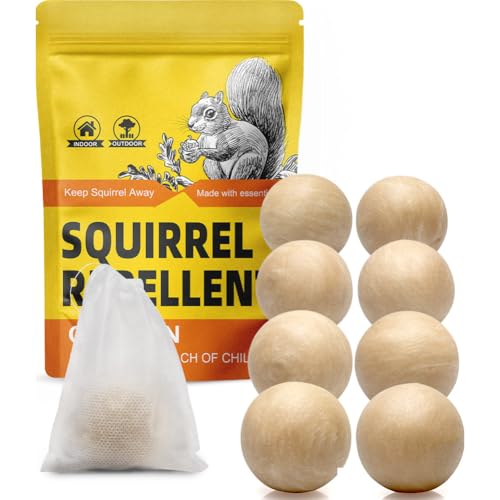
Ninety days of protection means you are not out there reapplying every couple weeks, which is a real time saver during a busy growing season. Rated safe for people, pets, and plants, you can place these right around your tomato beds, along the fence line, or near an attic opening and mostly forget about them until the season winds down.
When to Call a Wildlife Control Professional
Once squirrels move past your tomato plants and start digging up entire beds, gnawing on structures, or nesting in your attic, repellents alone probably will not cut it anymore. Orkin knows how to track down entry points and nesting spots that most homeowners never even think to check, offering removal and exclusion work that goes well beyond what a pouch or spray from the hardware store can do. If squirrels have become a regular fixture on your property rather than just a garden nuisance, bringing in a licensed wildlife control team is worth the call.
Frequently Asked Questions (FAQs)
Why are squirrels only eating part of my tomatoes?
A lot of the time, they are just testing the fruit for ripeness with one bite before hopping off to the next one. That is why you keep finding tomatoes still on the vine with just a chunk missing. This sampling pattern is actually one of the more reliable ways to tell squirrels apart from birds or insects, since the damage looks completely different.
What smell do squirrels hate the most?
Peppermint oil, cayenne pepper, and predator urine tend to top the list. A lot of gardeners swear by sprinkling cayenne pepper right around the base of the plant, though you will need to reapply after rain since it washes off fast.
Do fake owls keep squirrels away?
They can work for a little while, but squirrels catch on quick once they realize the owl never moves and never actually does anything. Pairing a decoy with a real physical barrier or a scent based repellent gets you much better results than leaving a fake owl to do all the work alone.
Wrapping Up…
Protecting a tomato garden from squirrels really comes down to stacking a few things together rather than betting everything on one trick. Netting, wire cages, natural repellents, even training your dog to chase them off when having a cat in the yard is not enough on its own, all of it adds up. Consistency beats any single fix here. Once you understand what is actually pulling squirrels onto your property, building genuinely squirrel proof tomato plants becomes a lot more manageable, and you get to keep the tomatoes you worked all season to grow.