
Fleas can get into your home and onto your carpets and rugs in all sorts of ways, though they most commonly hitch a ride on pets, cats, dogs, or local wildlife. Because these insects are so tiny, you will barely see them at first, especially when the infestation is small.
In fact, you might not notice them until you get nipped on your ankles and lower legs, or find your pets constantly scratching.
Although adult fleas prefer to feed on animals, they will also feed on humans and quickly infest bedding, upholstery, and carpeting. Below, we walk you through the obvious signs to look for to detect a flea infestation in your carpets and rugs, plus control tips to safely get rid of them.
Table of Contents
Fleas at a Glance
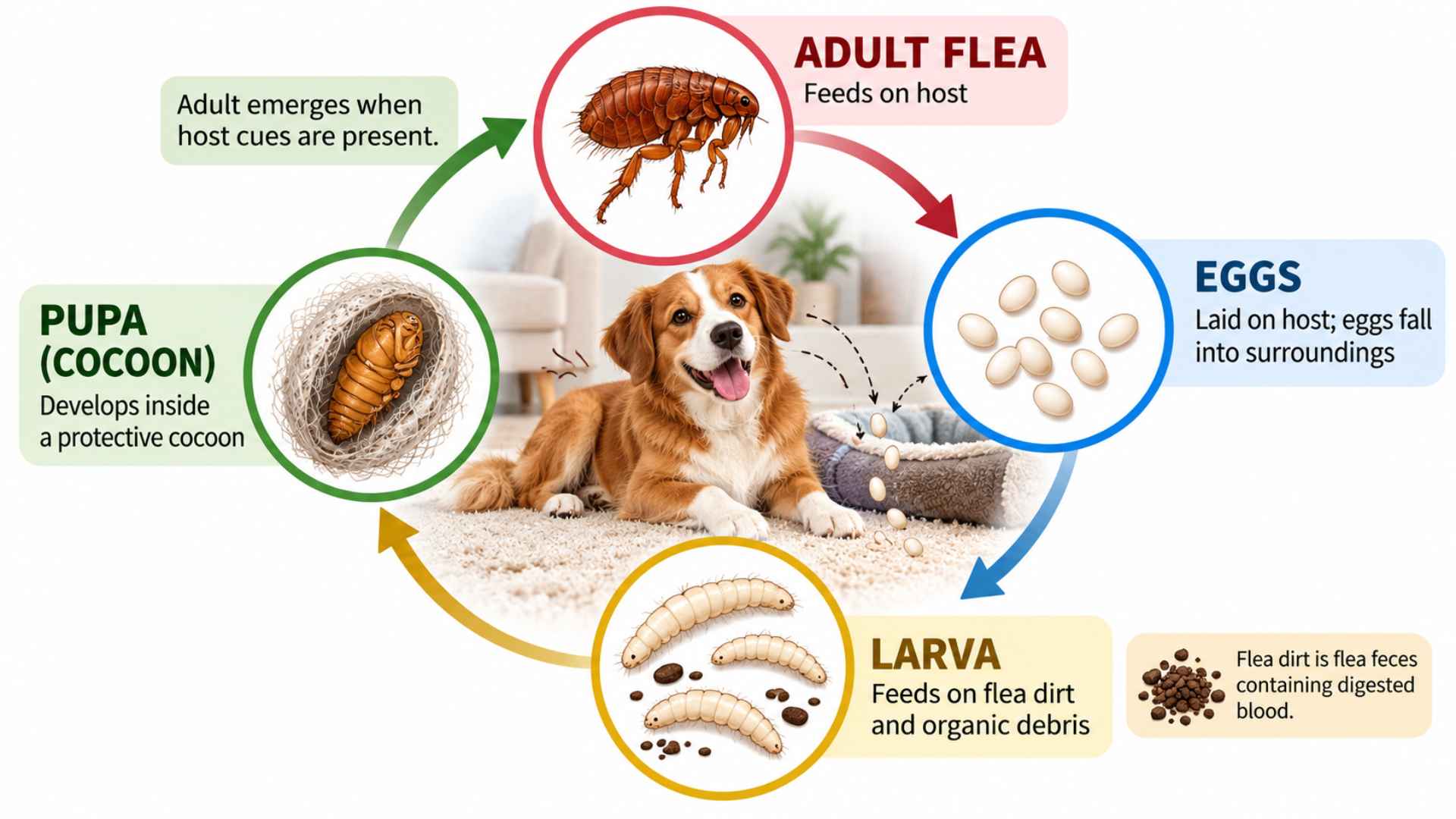
Fleas are tiny, wingless parasites, and the flea life cycle moves fast in a warm home. Here are a few core facts you need to know about fleas.
- Flea Life cycle: Eggs are shed by a female flea. The eggs hatch into flea larvae. The larvae form pupae, and adult fleas hatch from the pupae. The whole cycle can take as little as 18 days.
- Size: Adult fleas measure about 1/8 inch long, and larvae stay under 1/4 inch.
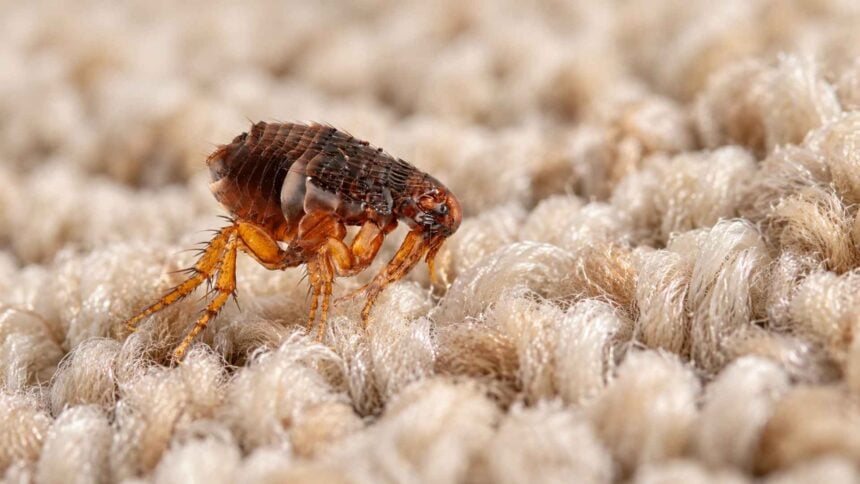
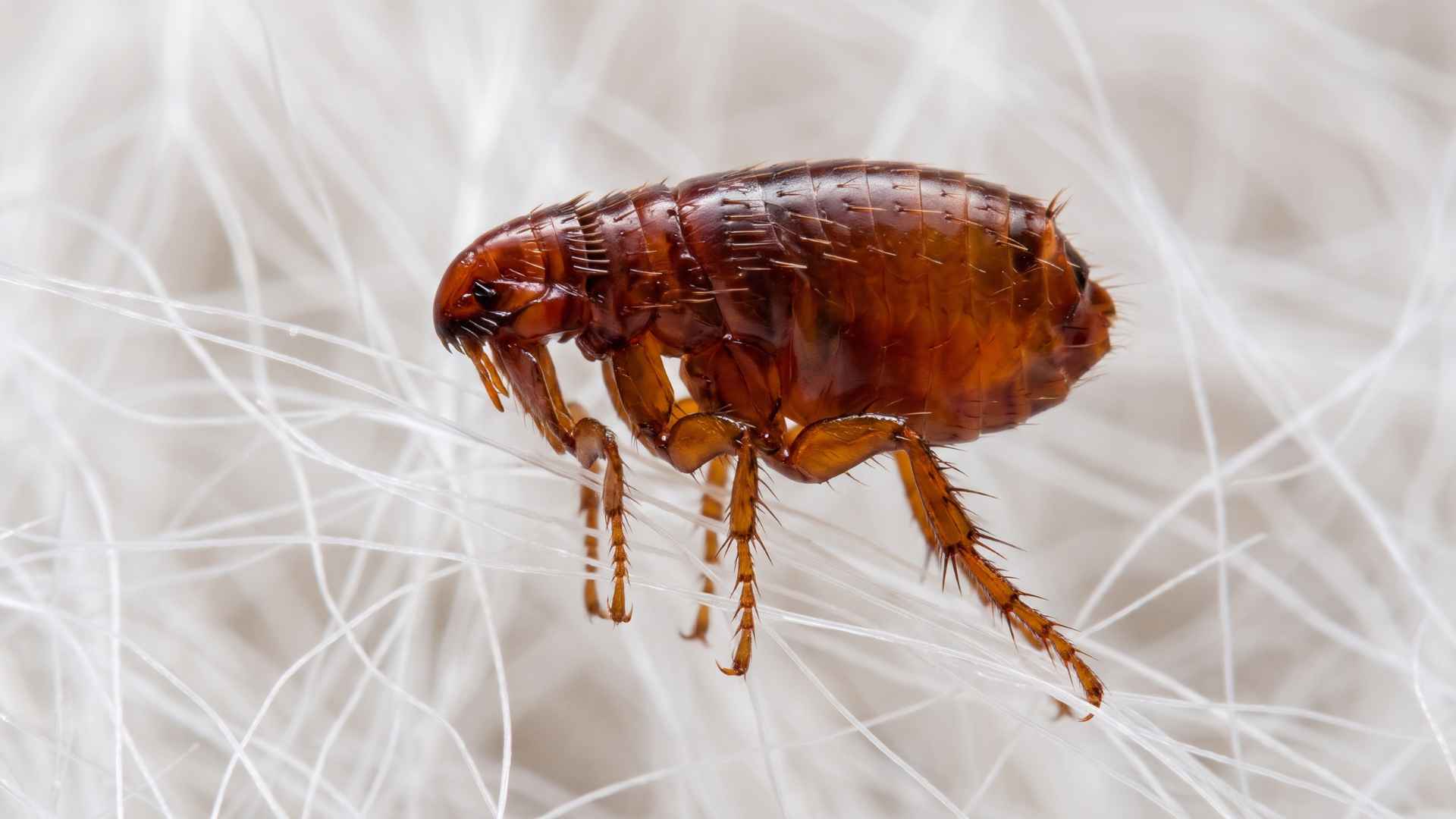
- Color: Adult fleas look small, dark, and oval shaped, from brown to blackish brown. Their larvae look very gross and white in color.
- Body: Flat from side to side, with backward pointing bristles and long hind legs for jumping.
- Diet: Fleas feed on blood. Larvae feed on flea dirt and other organic debris.
- Egg: A female flea can lay up to 50 eggs per day within the fur of her animal hosts.
- Lifespan: With the right conditions and plenty of food, an adult flea can live for two to three months, and sometimes up to 100 days.
How Do Fleas Get Inside?
Most indoor flea problems start off with an animal. Cats and dogs can pick up adult fleas outdoors, then bring them inside after playing in grass, visiting another animal, or passing through a flea-infested area.
Rodents and other wildlife can also carry fleas near a home. Once these pests make it inside, they live and feed on their animal hosts. A female flea can lay up to 50 eggs per day under favorable conditions. Those eggs do not stay like sticky tape to fur. They fall off into carpet, bedding, upholstery, and floor gaps when your pet moves around.
Signs of Flea Infestation in Carpets and Rugs
The most useful signs of fleas in carpet tend to appear where pets spend the most time. Check beside pet beds, under favorite chairs, along rug edges, and around upholstered furniture. These protected spots are often more revealing than the middle of an open floor.
Visible Jumping Fleas
Adult fleas are small, dark (reddish-brown to black), and oval shaped and cannot fly, though. They do jump and are pretty quick in that. They could jump and disappear into carpet before you get a good look.
Watch for fleas jumping up from carpet fibers as you walk across the room, especially near pet beds and along baseboards. White socks are quite handy in detecting fleas on your carpet.
Put a pair on and walk slowly across the carpet and check them for tiny dark specks that spring away.
Black, Pepper Like Specks on the Fabric
Flea dirt is the best clue because it stays behind when they hide. It is actually flea feces, and it’s a telltale sign fleas are afoot. Look for flea dirt in carpet along baseboards, under furniture, and wherever your pet sleeps.
The specks are small, pretty dark, and shaped like ground pepper. Check your pet’s fur as well, especially around the head, neck, and hindquarters. To test a speck, press a damp white paper towel on it. Flea dirt turns reddish brown because it is dried blood, and plain dirt just smears gray.
Visible Eggs or Wormlike Larvae
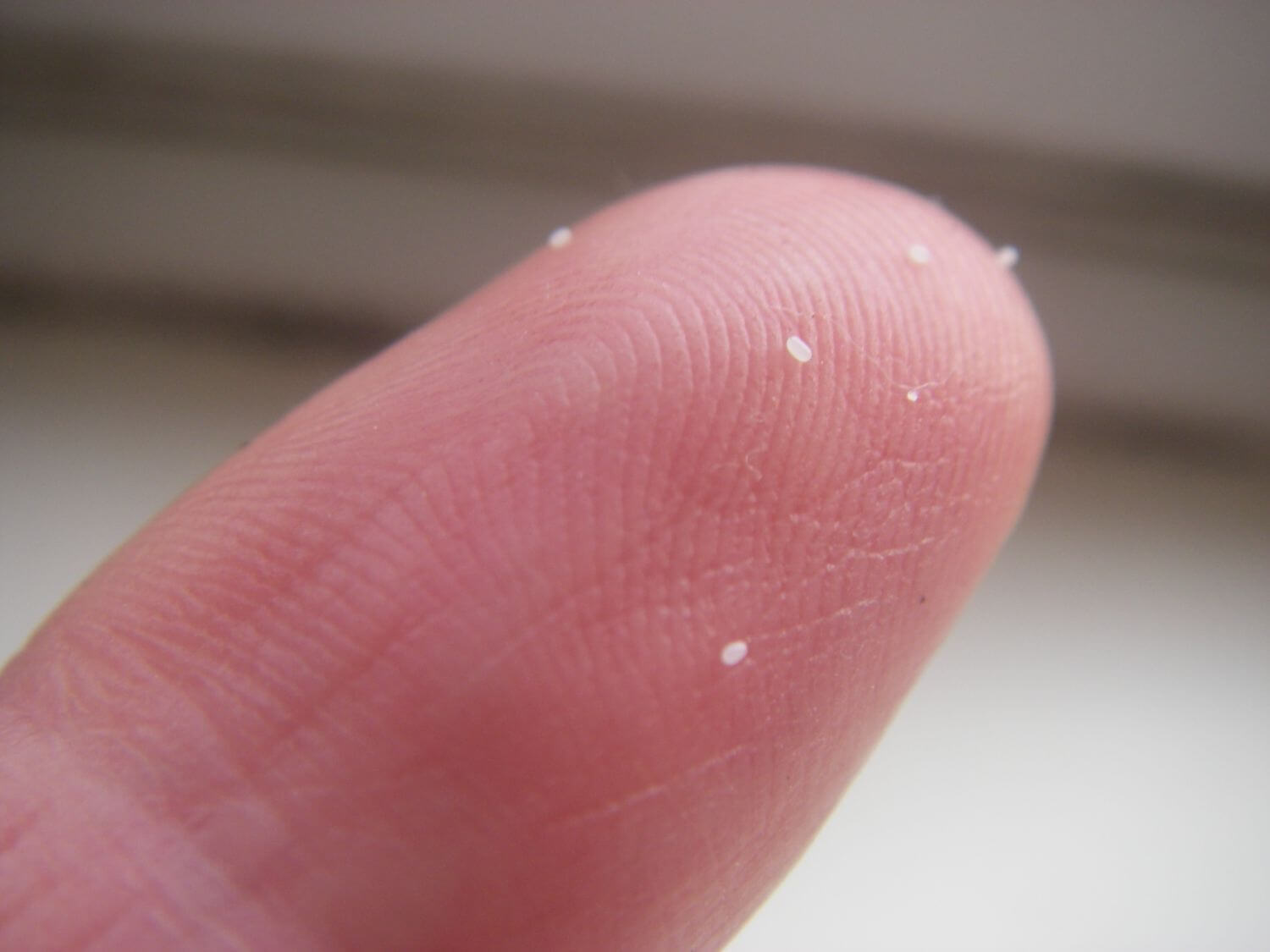
Eggs and larvae are quite hard to spot, but they confirm a flea breeding site pretty much instantly. Flea eggs are tiny, pale, oval, and do not cling to pet fur for long, and eventually fall off after a female lays them on an animal.
Flea eggs in carpet are possible clues that you are dealing with an infestation. Flea larvae are narrow, pale, legless, and wormlike. They avoid light and hide where they can feed on flea dirt and organic debris.
Periodic Itching on You or Your Pets
If you see your pets scratching or grooming way more than they used to, it’s another fleas infestation sign. That itching or biting is not limited to pets, as you could get bites too, mainly around the ankles or lower legs, where fleas can jump from floor level onto exposed skin.
Check your pet with a flea comb, then inspect rugs, bedding, sofa cushions, and nearby carpet. Several matching clues are more persuasive than itching alone.
Do Fleas Live on Carpets If You Don’t Have Pets?
Fleas can be present even if you do not have any pets in your home. A previous resident may have had an infested animal, or wildlife such as squirrels, raccoons, or rodents may have nested in an attic, crawl space, or beneath the building.
Fleas can also be carried indoors on clothing or shoes. Pupae can sit dormant in carpet for months, and a long vacant home can come alive with fleas the moment new residents walk in, because the warmth and vibration trigger them to hatch.
Secondhand rugs, used furniture, and a neighbor’s pet can bring them in too. Without a pet, the source may be less obvious, though. The flea infestation can still occur and eventually will put you in a problem you would want to get rid of.
How Long Can Fleas Live in Carpets?
People often ask how long fleas live without a host, and the answer has two parts. Fleas usually need to feed at least every 12 hours to stay well nourished, and adult fleas usually die from starvation about one to two weeks after being taken off a host.
The other stages are not dependent on a blood meal. Flea larvae can lurk in the carpet for months, feeding off the dried blood and feces of the adults on the host.
When a larva enters the cocooned pupae stage of its life cycle, it can live for over 100 days in hibernation, and some stay put for up to five months until vibration, warmth, or carbon dioxide wakes them.
Why Fleas on Carpets Are Hard to Treat
Treating a flea infestation in carpets is hard because most of the population is out of sight. Adults are only a small share, and the rest sit deep within carpet fibers, where they are tricky to clear out. Several factors work against you:
- Pupae sit inside cocoons that resist many insecticides.
- Eggs fall into floor cracks, carpeting, bedding, and furniture seams.
- Larvae hide from light at the base of the pile.
- Adults emerge in waves, and new ones keep appearing for weeks.
- Pets can bring in fresh fleas every time they go outside.
One missed room or their source left untreated can restart the cycle.
How to Get Rid of Fleas in Carpet: 6 Easy Solutions
To get rid of fleas in carpet, you need to treat the pets, the floor, and the life cycle all at once. Work through these six steps in order, and make sure the full job can take a few weeks.
1. Treat All Household Pets First

Kick off with your pets, because untreated animals restock the carpet every single day or might be earlier. Schedule a visit with your vet to get your pet thoroughly checked out. They will likely recommend a monthly preventative that protects against fleas and ticks.
Make sure to treat every cat and dog in the house simultaneously, even if they stay strictly indoors. Comb your pets with a fine flea comb and bathe them with mild soap to take out adult fleas quickly. Dip the comb in soapy water after every pass to kill what you collect. If you skip this step, you will likely see them return.
2. Vacuum the Carpet Thoroughly
Vacuuming fleas is the fastest way to cut the population off before you apply anything else. Texas A&M AgriLife Extension reports that vacuuming removes up to 60 percent of flea eggs and up to 30 percent of larvae from a carpet, along with the dried blood the larvae feed on.
Focus on the full carpet, including edges, corners, areas beneath furniture, and the routes your pet follows through the house. Try to stick to daily vacuuming and always empty the canister or seal the bag outside your home after every session.
3. Wash Rugs and Pet Bedding
Wash every washable item (rugs, blankets, pet beds, covers, carpet) in hot water, then dry it on high heat. Heat and detergent kill eggs and larvae, and a full dryer cycle finishes what the washer misses.
4. Steam Clean Deep Pile Carpets
Deep pile carpet holds eggs and larvae far below the surface, and a steam cleaner reaches what a vacuum cannot. Hot steam and water extraction pull out flea dirt, kill eggs and larvae it contacts, and clean the dried blood that larvae feed on.

To get rid of carpet fleas in deep pile, run slow passes along walls, under furniture, and across pet resting spots. After cleaning, let the carpet dry fully, with fans running, because lingering dampness helps larvae survive. Dehydration is fatal to flea larvae, and they will die off if relative humidity is less than 45-50 percent.
5. Apply an Insect Growth Regulator (IGR)
The most important flea treatment for carpets is an insect growth regulator, or IGR. Unlike over-the-counter bug sprays that usually kill the fleas they hit directly, IGR prevents eggs from ever hatching and stops larvae from successfully transitioning into adult insects. Since IGR directly target fleas eggs and larvae it’s so effective in getting rid of fleas from the root.

6. Do Not Forget the Follow Up
A single treatment session is rarely enough to resolve a deep structural infestation. This is due to the “pupal window,” a phase where cocooned flea pupae are completely shielded from chemical treatments.
These pupae can lie dormant for weeks or even months, waiting to emerge as a new wave of adults when they detect heat and vibrations. To combat this, you must maintain a strict, daily vacuuming schedule for at least 21 consecutive days following your first major treatment.
This continuous mechanical pressure forces the dormant pupae to hatch early and sucks them up before they have an opportunity to feed, mate, and deposit a new generation of eggs into your clean floors.
When to Call Pest Control Professionals?
If you have spent several weeks vacuuming, washing bedding, and applying retail treatments but still find yourself dealing with persistent flea bites, it is time to step back and bring in specialized help.
A heavy structural issue can quickly spread into wall voids, subflooring, and upholstered furniture clusters that standard household equipment simply cannot reach. Orkin is a strong option here. Orkin technicians inspect your home, identify the source, and apply treatments matched to your carpets and furniture.
Frequently Asked Questions (FAQs)
Can You Have Fleas in Carpet and Rugs Without Seeing Them?
It is incredibly common to have a hidden flea problem without ever seeing a single live bug. Because flea eggs, larvae, and pupae hide deep at the base of your carpet fibers and actively avoid light, they can thrive in the shadows for a long time. Often, the very first sign a homeowner notices isn’t a visible insect at all. Instead, it’s an unexplained breakout of itchy red bites around their ankles or a sudden uptick in their pet’s scratching.
Will Vacuuming Alone Get Rid of Fleas?
Vacuuming, although it clears out a large share of eggs and some larvae and triggers pupae to hatch, will not clear every stage. Cocooned pupae can survive the suction. To successfully get rid of the flea problem, you need to pair vacuuming with pet treatment, washing, and an insect growth regulator.
How Long Can Fleas Live Without a Host?
Without a host, adult fleas usually live for one to two weeks, though high humidity can stretch that to a month. Meanwhile, dormant pupae inside their cocoons are incredibly resilient and can survive for several months to a year while waiting for a host to walk by.
Can Flea Bites Make You Sick?
Flea bites usually cause itching and local skin irritation. Some people may have stronger allergic reactions, and scratching can lead to infection. If the bite area becomes increasingly red, warm, swollen, or painful, seek medical advice. Contact a veterinarian if a pet has persistent itching, hair loss, or irritated skin.
How Long Does It Take to Get Rid of Fleas in Carpet?
It mainly depends upon how severe your infestation is. Although a mild to moderate flea infestation in the carpet can be treated in 2 to 6 weeks, a severe or stubborn infestation can easily take you 2 to 3 months.
What can be mistaken for fleas in the house or carpet?
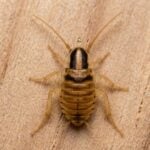
Springtails, carpet beetle larvae, bed bug nymphs, and small crickets get mistaken for fleas, and plain soil gets mistaken for flea dirt. When you review fleas in house signs, check for the quick jump, a flat dark oval body, and an adult size near 1/8 inch. Springtails hop too, but they live in damp spots and have soft bodies. The damp paper towel test separates flea dirt from soil.
Wrapping Up…
Fleas settle in quietly, and the signs of fleas in carpet are easy to dismiss until the bites start. Watch for jumping insects at floor level, dark specks that turn reddish-brown on a damp towel, tiny off-white eggs, itchy bites around your ankles, and consistent pet scratching. Once you confirm fleas, treat your pets first, then vacuum, wash, steam clean, apply an IGR, and repeat the cycle until the carpet stays clear for weeks.