
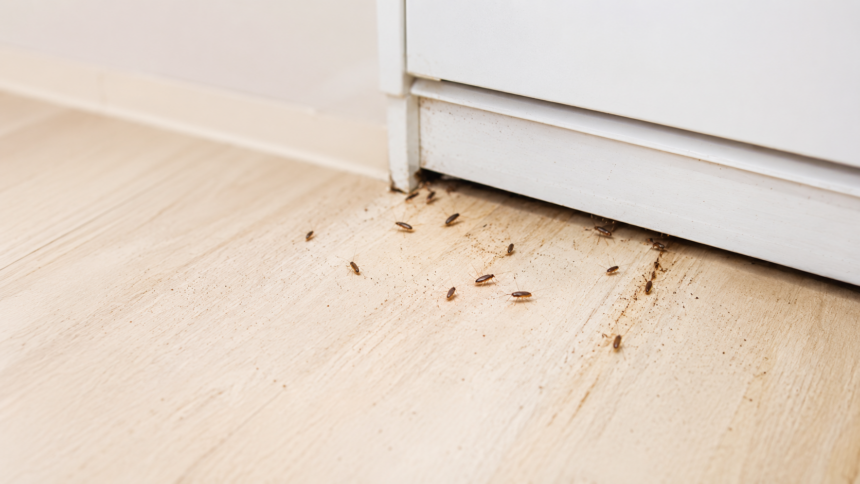
What was that I just saw scurrying across my countertop? If you’ve asked yourself this recently and the answer turned out to be something small, pale, and fast rather than a full grown roach, you’re dealing with something specific happening in your home right now. Baby cockroaches don’t just show up out of nowhere.
There’s always a reason, and figuring out that reason is the actual first step, way more useful than squashing one and hoping that’s the end of it. We’ll help you figure out why baby cockroaches in house situations develop in the first place, where these little guys tend to hole up, and what genuinely works to clear them out for good.
Table of Contents
What Are Baby Cockroaches?
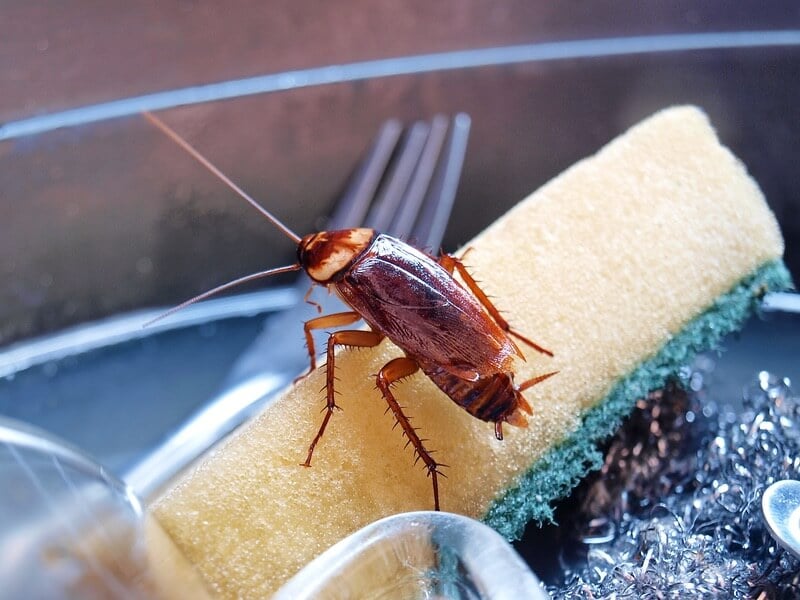
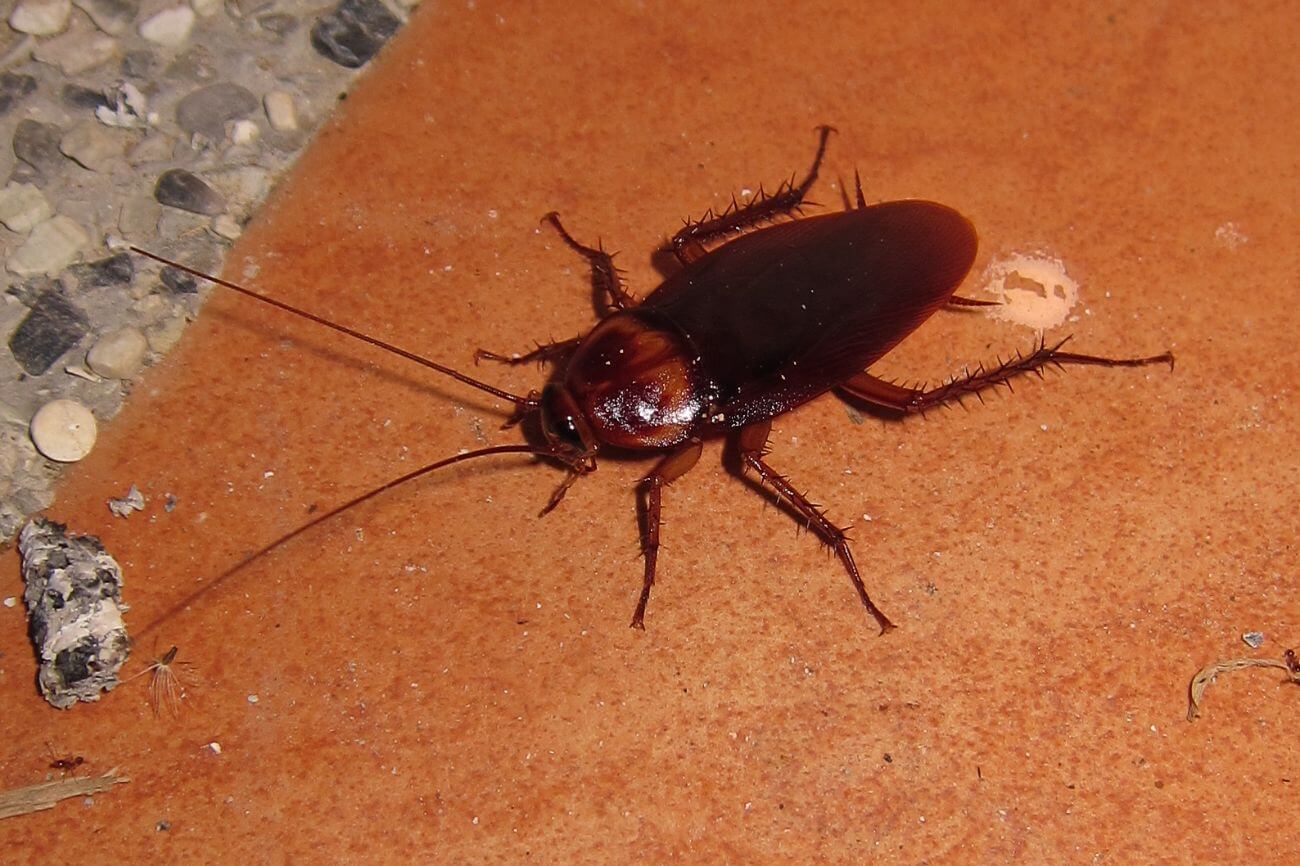
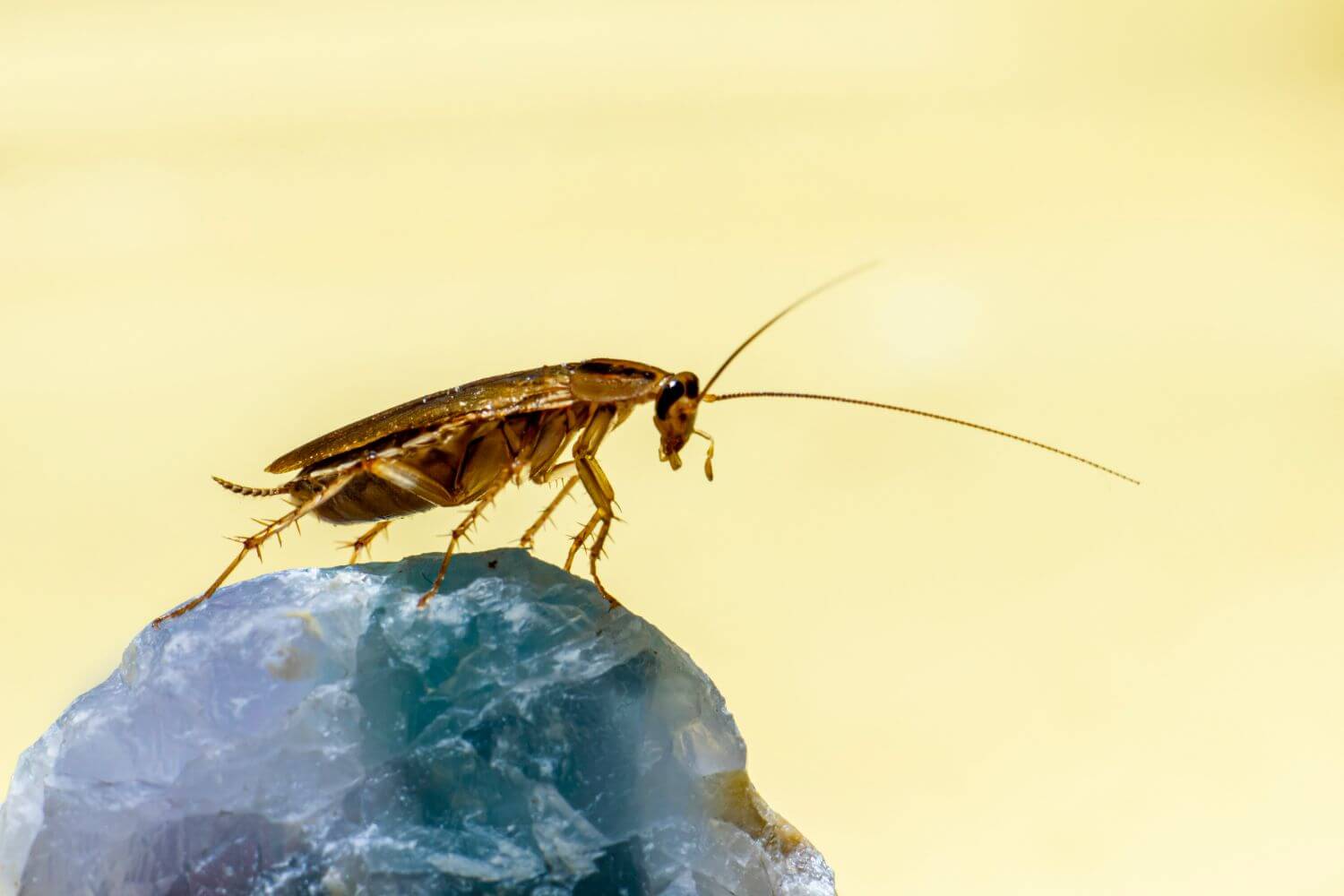
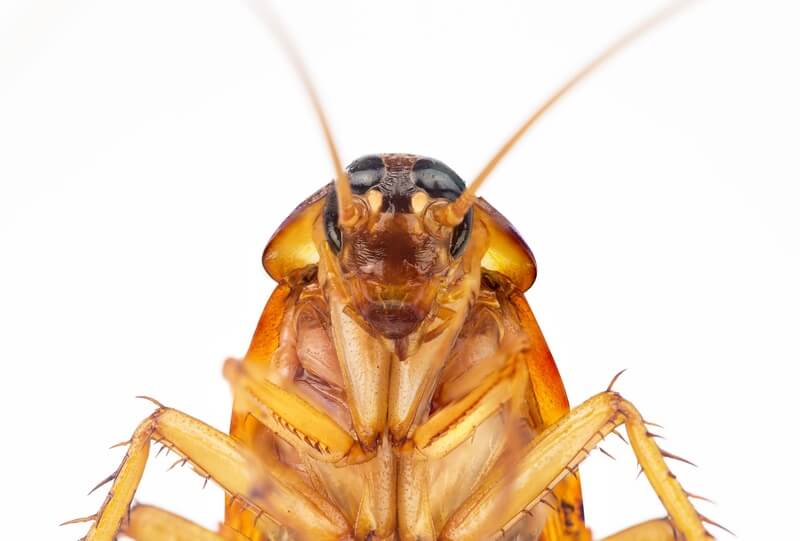
Baby cockroaches, or nymphs if you want the technical term, are just the in between stage between egg and full grown adult. They look like miniature, paler versions of the roaches you’re used to seeing, often almost see through and light tan right after hatching, then darkening within hours as the exoskeleton hardens up.
A German cockroach nymph measures about 3mm the moment it hatches, and it’ll go through six or seven molts before hitting full adult size somewhere around 13 to 16mm. That whole growth stretch takes anywhere from 40 to 60 days depending on how warm things are and how much food is around. That basically means whatever baby roach you spotted today hatched from an egg somewhere in your house within the last few weeks.
Why Are Baby Cockroaches Suddenly Appearing?
A Hidden Egg Case Has Hatched
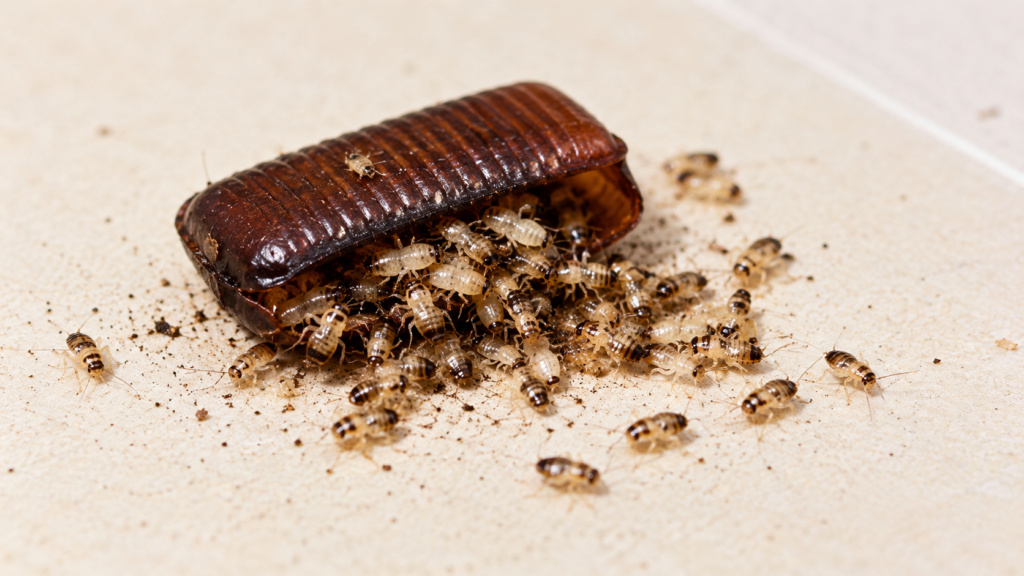
Somewhere along the line, an adult roach dropped an egg capsule, called an ootheca, in a spot you never noticed. And now it’s hatched. A single German cockroach ootheca holds anywhere from 30 to 48 eggs, and one female can pump out four to eight of these capsules over her lifetime. Turns out, the baby that you saw is certainly not alone. One hatching event alone can send dozens of nymphs pouring into your walls, cabinets, and baseboards in a matter of hours.
Food and Water Are Easily Available
Roaches at every stage of life need a steady supply of food and moisture to keep going and keep reproducing. Crumbs left on the counter, a sink full of dirty dishes overnight, a slow drip under the cabinet, all of it adds up to exactly what a growing roach population needs. Kitchens and bathrooms consistently top the list for baby cockroaches in house sightings for this exact reason, both rooms hand out food and water without asking questions.
Warm, Humid Conditions
German cockroaches do best somewhere between 70 and 85 degrees Fahrenheit with humidity to match. It genuinely describes the average kitchen or bathroom pretty much all year. Warmer conditions also speed up how fast the eggs actually incubate. Turns out, oothecae hatch quicker and nymphs grow faster the longer things stay warm.
Cracks and Gaps Around the Home
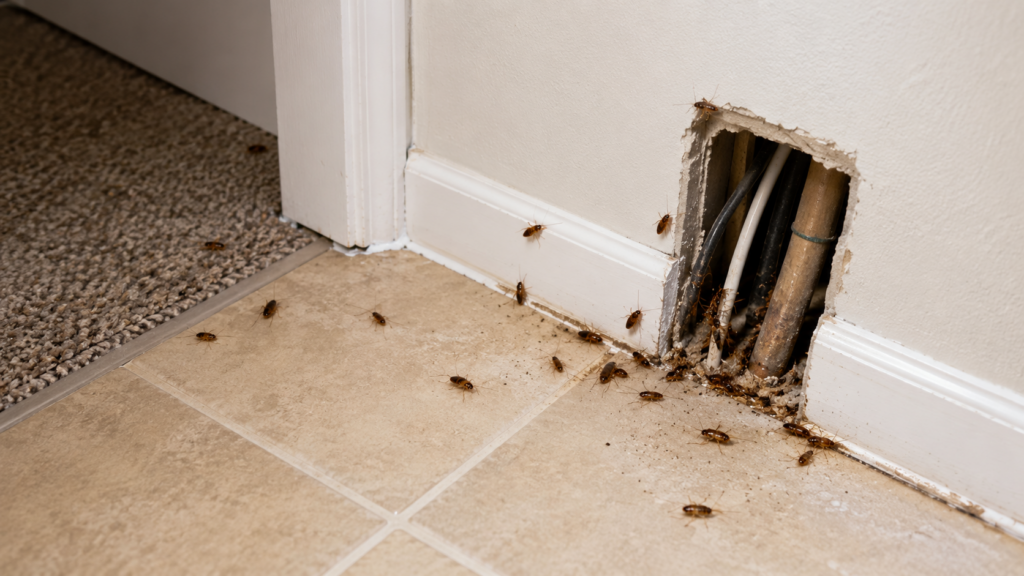
Tiny cracks along baseboards, gaps behind outlet covers, openings around pipes, all of it gives roaches a way in. Besides, newly hatched nymphs are small enough to squeeze through gaps barely thicker than a dime’s edge. Those same openings let adult roaches wander in from outside too, or from a neighboring unit entirely.
Nearby Infested Apartments or Homes
In apartment buildings especially, an infestation rarely stays put in one unit. Roaches travel through shared plumbing, wall voids, and electrical conduits without much trouble. That could pretty much indicate that a neighbor down the hall dealing with an untreated problem can absolutely be the reason baby roaches keep turning up in your sweet place.
Recent Pest Control Disturbed the Nest
Here’s an ironic one. A recent treatment, whether you did it yourself or hired someone, could actually stir up a hidden nest and push roaches, nymphs included, out into more visible spots. People often assume this means the treatment failed when really it’s a sign the treatment did something, disrupting a colony that had been sitting undisturbed for a while.
Where Do Baby Cockroaches Usually Hide?
- Kitchen Cabinets
- Under Sinks
- Behind Refrigerators and Stoves
- Bathrooms and Laundry Rooms
- Wall Voids and Baseboards
Signs You Have a Cockroach Infestation
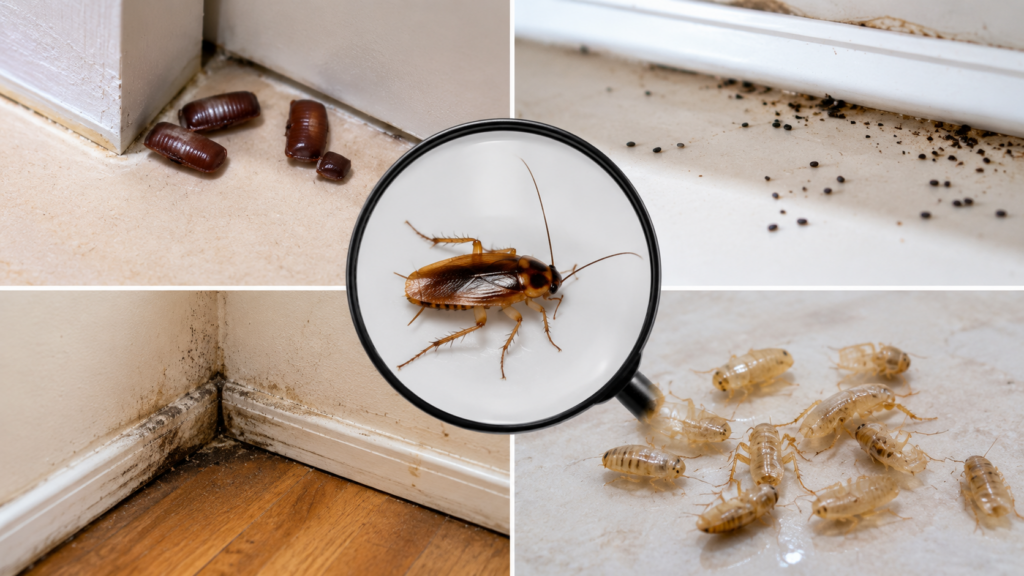
- Egg Capsules (Oothecae): Small brown, purse shaped cases around 8mm long, usually tucked into cabinet corners or behind appliances
- Cockroach Droppings: Check the inside corners of doors in particular. If you see dark specks that could pass for dirt, that’s actually roach poo, and now you know you have a roach problem
- Musty Odor: A lingering, oily smell that gets stronger the bigger the infestation grows
- Shed Skins: Nymphs molt repeatedly as they grow, leaving behind these thin, translucent casings
- Seeing Roaches During the Day: German cockroaches are nocturnal, so spotting one in daylight usually means the population has gotten big enough that weaker or younger roaches are getting pushed out to forage when they normally wouldn’t
How to Get Rid of Baby Cockroaches
Eliminate Food and Water Sources
Keep an empty sink whenever you can. It’s not just dirty dishes that attract roaches, the standing water itself does too. Once you’re done washing up, wipe the sink dry instead of leaving it damp overnight. Use a small trashcan in the kitchen and take the trash out daily as opposed to letting it pile up for days. Have you got pets? Clean up after they eat, and pay attention to wherever they enjoy their treats, since those crumbs are just as tempting to bugs as anything left on your own plate. If you have small kids around, then it’d be absolutely beneficial to vacuum the high chair and stroller regularly. Nobody wants to find out roaches have been setting up camp in a baby’s highchair.
Seal Cracks and Entry Points
Grab some caulk and go after gaps around baseboards, pipe entries, and window frames. Even a tiny opening is more than enough room for a newly hatched nymph to squeeze through.
Use Cockroach Gel Baits
Gel baits genuinely work well here because roaches carry the bait back to wherever they’re nesting, exposing the whole group, hidden nymphs and egg laying adults included.
Apply Insect Growth Regulators (IGRs)

IGRs mess with the molting process, stopping nymphs from ever reaching reproductive adulthood. This hits the population at the root instead of just knocking out what you can see.
Use Sticky Monitoring Traps
Traps placed in busy areas help you gauge how bad things actually are and pinpoint exactly where roaches are moving through your space, which tells you where to focus your effort.
Vacuum Infested Areas Thoroughly
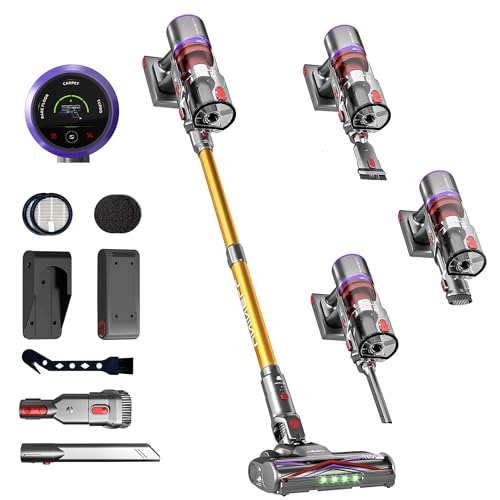
A good vacuuming session physically pulls out egg cases, shed skins, and live nymphs hiding in cracks and corners that sprays and baits sometimes miss.
Keep Your Home Clean and Dry
Regular cleaning paired with keeping moisture under control knocks out both things every roach population depends on to survive and keep multiplying.
Best Cockroach Baby Cockroaches Repellents
Advion Cockroach Gel Bait (Best Overall)

Why It Made Our List
One of the reasons we picked this gel bait is the consistent feedback we found across customer reviews. A common theme was that a little goes a long way, with many reviewers saying a few small drops in cabinet corners, under sinks, behind appliances, and other hiding spots were enough to start seeing fewer roaches within just a few days. Several reviewers mentioned that after one to two weeks of proper placement, their infestation was dramatically reduced, including the tiny baby cockroaches that are often the hardest to eliminate because the bait targets the colony instead of only the roaches you see.
Another thing that stood out during our research was how often people praised the lack of strong chemical odor. Unlike many sprays, you won’t have to deal with that lingering chemical smell after applying it. The most common complaint was that the gel eventually dries out and becomes crusty, but that’s easy to fix by wiping away the old bait and placing a fresh drop every so often. Based on the customer feedback we reviewed, this remains one of the strongest options for dealing with baby cockroaches in house because it works beyond the roaches you can actually see, helping target the colony at its source.
USKICH Sticky Roach Trap

Why It Made Our List
One thing that kept coming up while we were researching this product was how easy the traps are to set up. They come pre-scored with die-cut flaps, so folding them into shape only takes a few seconds. What you need to do is pre-fold the trap first, open it back up, and then peel off the sticker cover. Apparently, that backing can be a little stubborn, tho warming it slightly with a blow dryer can help if it’s giving you trouble.
Another thing we noticed was that placement seems to make all the difference, since roaches don’t always march straight into a freshly placed trap the second you set it down. Instead, the traps worked best when you place it along spots where roaches were already traveling regularly, like behind appliances, under sinks, or along baseboards.
Harris Food-Grade Diatomaceous Earth

Why It Made Our List
Diatomaceous earth looks and feels a lot like whole wheat flour. It’s not something you want to breathe in, so wearing a particle mask and keeping pets shut in a separate room during application is just common sense, though if a pet does walk through it and licks its paws after, it won’t cause any harm.
The included accordion style squeeze applicator with the spout made spreading it around genuinely easy, even a little fun according to most reviewer, who squirted it under every sink, along every baseboard, under the bed, in the closets, behind the fridge and stove, treating the whole apartment like it needed an exorcism. A light monthly reapplication after that keeps things under control without going overboard again.
Common Mistakes That Make Cockroach Problems Worse
- Spraying Instead of Using Baits: Sprays kill whatever they touch but do nothing for roaches tucked away in wall voids, while baits get carried straight back to the nest
- Leaving Dirty Dishes Overnight: One habit alone can keep an entire population fed and watered
- Ignoring Moisture Problems: A leak left unfixed keeps humidity high enough to support breeding around the clock
- Failing to Seal Entry Points: Skip the sealing step and new roaches just keep replacing whatever you manage to clear out
- Stopping Treatment Too Soon: Oothecae can take weeks to hatch, so stopping treatment right after the visible adults vanish often means missing an entire wave of nymphs still developing
When to Call a Professional Pest Control Company
If you’ve gone through baits, traps, and diatomaceous earth consistently and you’re still spotting new baby cockroaches weeks down the line, chances are the infestation has multiple breeding sites tucked away that DIY effort alone just can’t reach. Orkin’s licensed techs know how to find hidden nesting spots behind walls and appliances that home treatments typically miss entirely, and their approach goes after both the visible roaches and the egg cases fueling the next generation. For a stubborn roach infestation, booking a professional Orkin inspection is worth the call.
Frequently Asked Questions (FAQs)
Does seeing baby cockroaches mean I have an infestation?
Spotting even just one or two nymphs, especially if it’s becoming a regular thing, say once or twice a week, is a sure sign that you are well on your way to a roach infestation. A single ootheca hatching lets loose dozens of nymphs at once, so one sighting almost never means it’s an isolated thing.
Why am I only seeing baby cockroaches and not adults?
Adults tend to be more cautious and stick to the shadows at night, while younger nymphs forage out in the open more as the population grows and food gets more competitive. One fairly reliable way to check how bad things actually are is heading into the kitchen or bathroom in the middle of the night and flipping the light on suddenly. Roaches often come out to feed around that hour, and you’ll catch them scattering the moment the light hits.
How long does it take baby cockroaches to become adults?
German cockroach nymphs usually reach full adulthood somewhere between 40 and 60 days, molting six or seven times along the way. Warmer, more humid spots speed that whole process up, part of why kitchens and bathrooms tend to see the population explode faster than cooler, drier rooms in the house.
Our Verdict
Baby cockroaches showing up isn’t actually sudden at all, not when you break it down. It’s just the visible result of an egg case that hatched weeks back, kept alive by whatever food, water, and warmth your home has been quietly supplying the whole time. The easier way to get rid of cockroaches for good means combining gel baits, sticky traps for tracking, diatomaceous earth for extra coverage, and staying on top of cleaning so there’s nothing left to attract them in the first place. Go after the source instead of just what you can see crawling around, and the problem actually stops coming back.