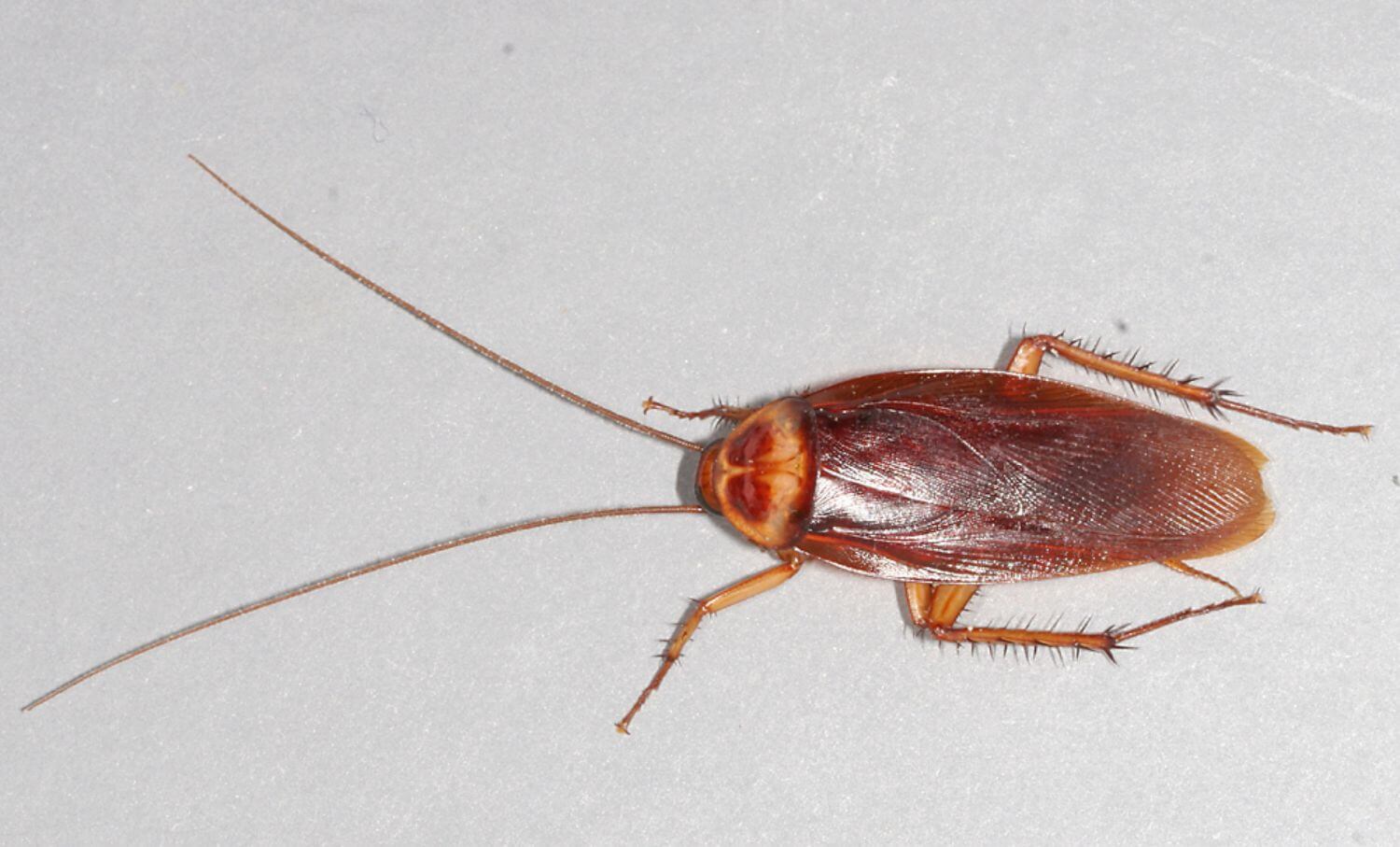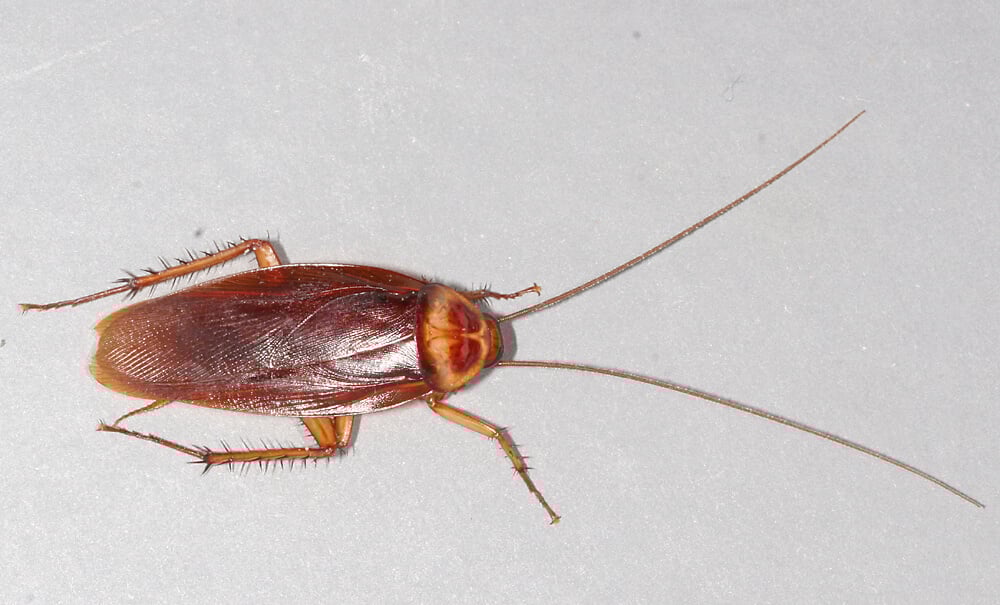

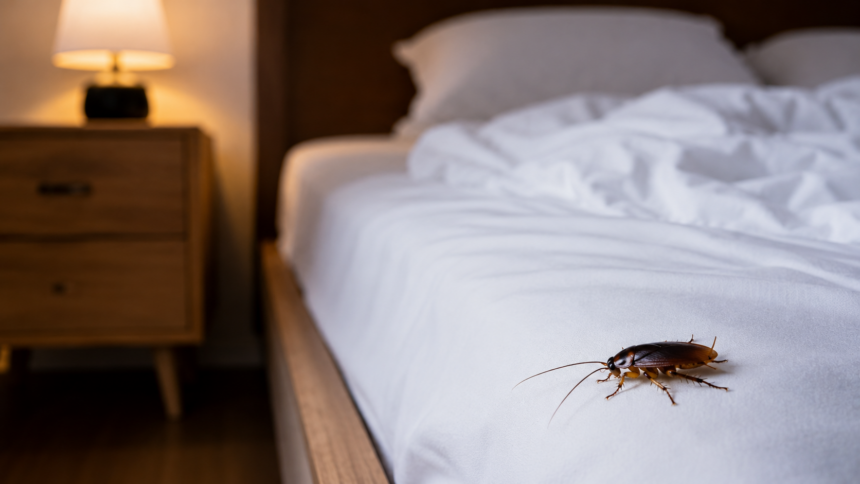
Nobody wants to think about cockroaches in bed, tho it’s a question that keeps popping up late at night when the lights go off and something skitters across the floor. It ain’t gonna go away, trust me. Cockroaches rank among the most persistent night pests homeowners deal with, and are quite common home pests overall. They are naturally drawn to darkness and avoid direct light whenever possible.
That timing lines up exactly with when most people are asleep. It is indeed where the real worry kicks off. We’ll look at whether cockroaches at night actually climb into beds, why they might do it, and what pulls them toward a sleeping person in the first place. We’ll also cover the warning signs worth watching for and real steps to keep your bedroom roach free for good.
Table of Contents
Do Cockroaches Really Climb into Beds?
Yes, and they do, though it’s less common than people fear. Cockroach behavior leans heavily toward staying low, hidden, and close to food and water sources. Turns out, a bed is not their natural first choice. That said, cockroaches climb into beds occasionally when a bedroom has heavy infestation levels or when food crumbs and spilled drinks near a nightstand create an easy meal.
A bed also offers warmth, especially body heat radiating off a sleeping person. It can be enough of a pull on its own. Genuine cases of cockroaches in bed tend to happen more in homes already dealing with a serious cockroach infestation elsewhere, instead of some random one-off event.
Why Would Cockroaches Climb into Your Bed?
A few specific triggers explain why cockroaches climb into beds in the first place, and most of them come down to basic survival needs.
Searching for Food Crumbs
Snacking in bed leaves behind crumbs that most people never notice, tucked into sheets, wedged between mattress and headboard, or scattered across a nightstand. Cockroaches have an incredible sense of smell for food residue. Therefore, a few stray crackers or chip crumbs are more than enough to draw them straight toward your pillow.
Looking for Water
A glass of water left on a nightstand, condensation on a window nearby, or even a humid bedroom without proper ventilation can pull roaches toward a bed. Cockroaches need water more urgently than food to survive, so any consistent moisture source nearby becomes a strong draw.
Warmth and Shelter
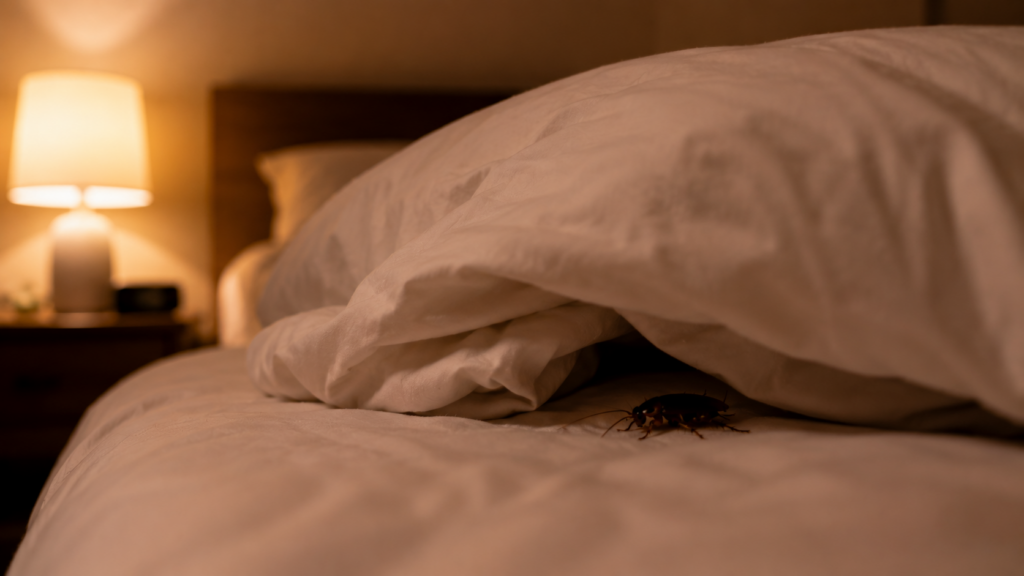
Body heat radiating from a sleeping person creates a genuinely appealing environment for a cockroach looking for warmth overnight. Bedding itself also offers plenty of dark, tucked away folds that mimic the tight hiding spots roaches naturally prefer during daylight hours.
Heavy Bedroom Infestations
Once a bedroom crosses into a genuine cockroach infestation, overcrowding pushes roaches into spaces they would normally avoid entirely, a bed included. German cockroaches especially breed fast enough that a small early problem can multiply into hundreds within a matter of weeks if left untreated.
Climbing Through Bedding or Furniture
Roaches are excellent climbers, and bed skirts, hanging blankets, or furniture pushed directly against a mattress all create an easy path upward. Once a roach reaches the top of a nightstand or headboard, the final step onto a bed becomes a short, simple move rather than any kind of obstacle.
Can Cockroaches Crawl on Sleeping People?
Is It Common?
It happens more often than most people realize, though it’s rarely something you’d notice unless you woke up mid crawl. A cockroach moving across skin registers as barely more than a light tickle, easy to mistake for a hair or a loose thread until it actually moves again. It might sound scary, tho that’s a fact.
We can speak to this firsthand. A month back, we were hanging out at a friend’s place. After we had switched off most of the lights to go out, one of my friends felt a tickle on her shoulder, the kind of itch you’d normally brush off without thinking twice.
Then it moved. Something was crawling under her shirt collar, and by the time it registered what was actually happening, one of my friends standing close by had already reached over and taken it off entirely. It was a damn disgusting big cockroach. By that time, it was really scary for our girl, and so it was for me.
What Attracts Them to Humans?
Why do cockroaches crawl on people ties back to the same basics, warmth, moisture from skin, and sometimes leftover food residue on hands or clothing. A sleeping body radiates steady heat all night long, and roaches are drawn to that consistency the same way they’re drawn to a warm appliance or a heating vent.
Do Cockroaches Bite People?
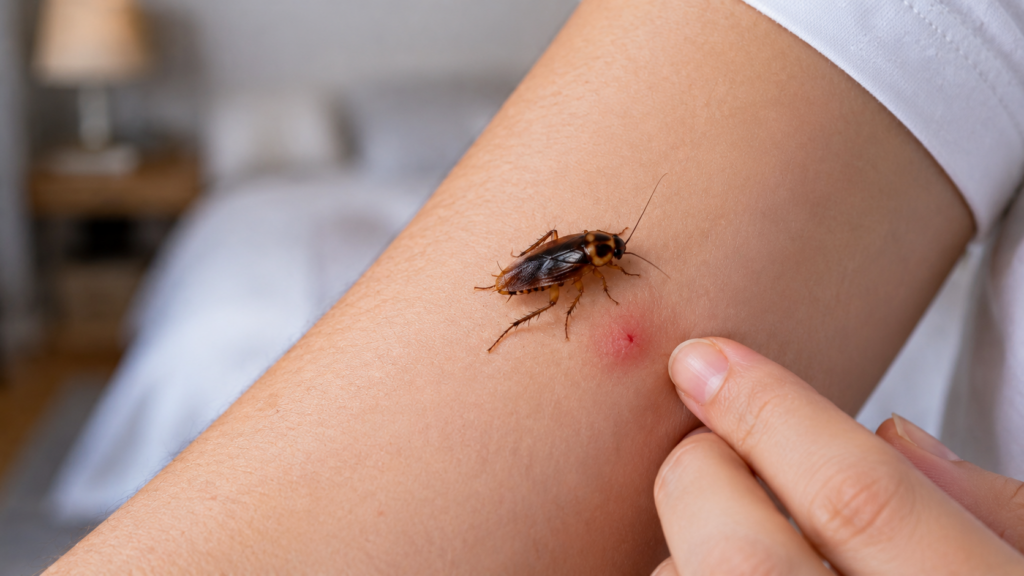
Cockroach bites are rare, but you could face them, especially if your home’s dealing with a severe, long standing infestation where food sources have run thin. Bites typically show up on exposed skin like fingers, toes, or eyelids.
Health Risks to Be Aware Of
The bigger concern isn’t bites. In fact, it’s what roaches track with them. Cockroaches pick up bacteria when they crawl through drains, trash, and other unsanitary areas. And when they crawl on your skin, there’s a risk of transferring that bacteria onto skin, bedding, and surfaces. For people with asthma or allergies, roach droppings and shed skin fragments are also a well documented trigger.
Signs Cockroaches Are Living in Your Bedroom
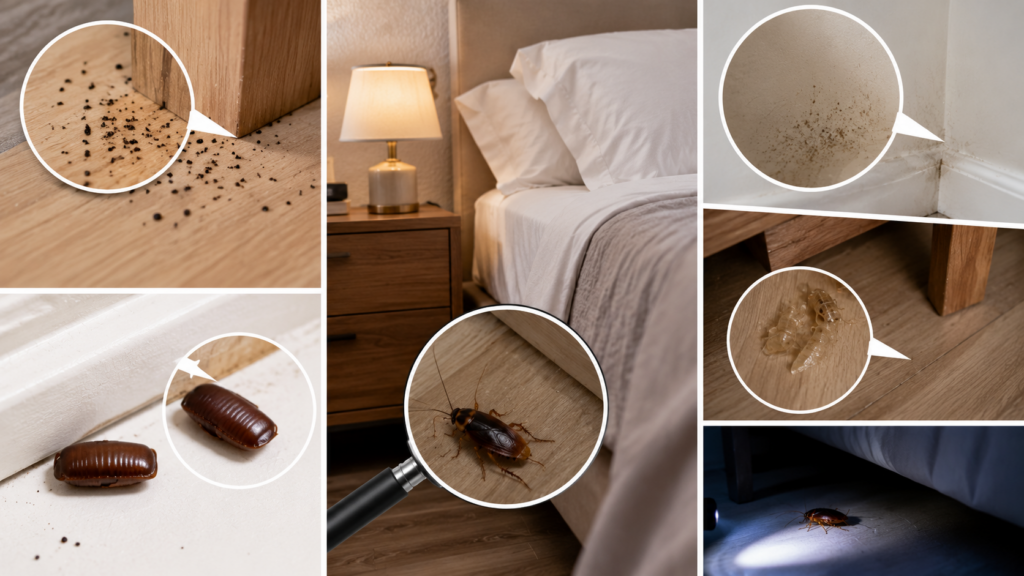
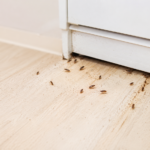
A few consistent clues point to actual roach activity. Knowing the signs of cockroaches early makes a real difference in how fast the problem gets solved. These bedroom bugs leave behind fairly obvious evidence once you know what to look for.
- Droppings around furniture
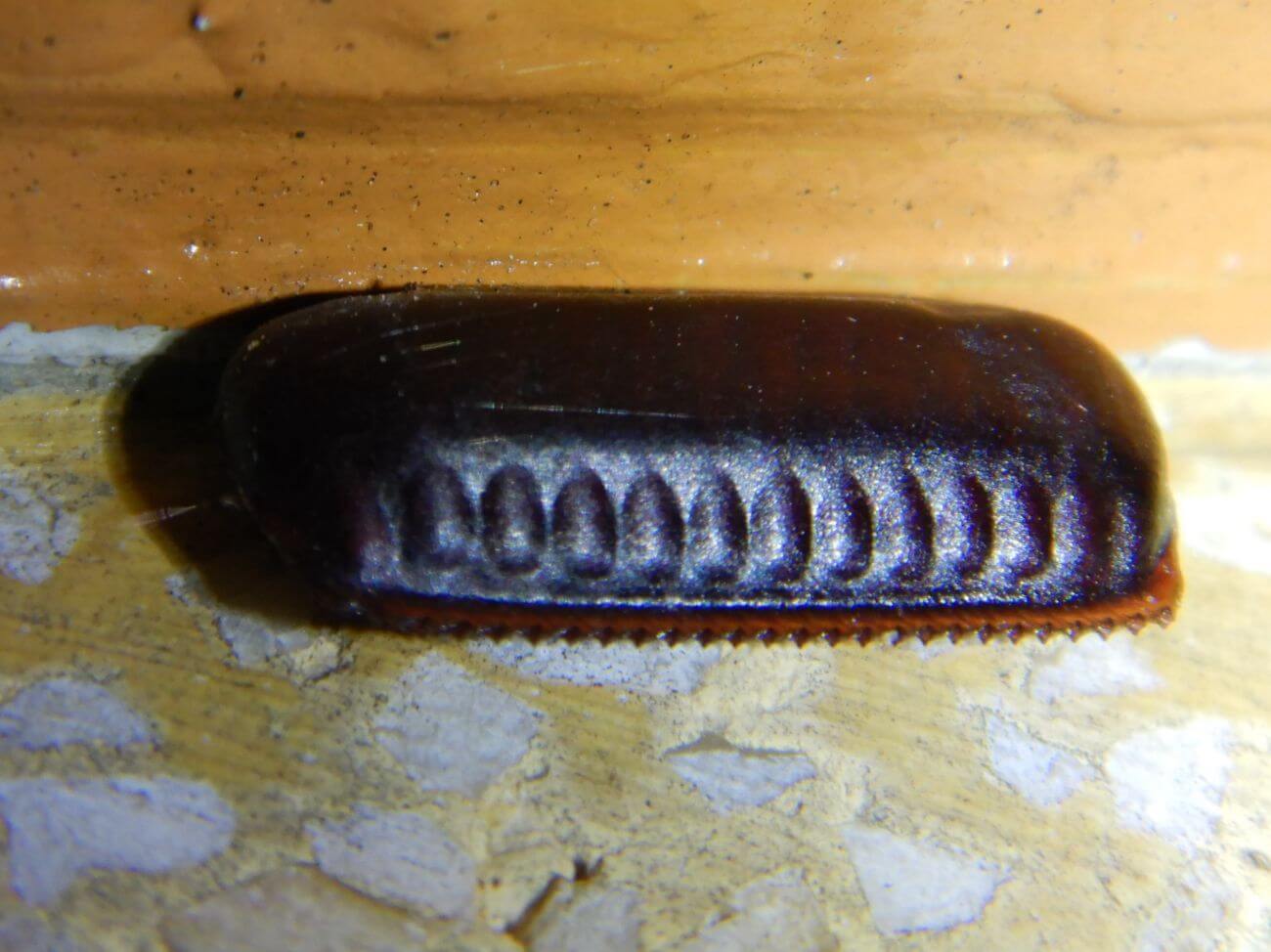
- Egg capsules (oothecae)
- Musty odor
- Shed skins
- Seeing roaches after dark
Spotting roaches specifically after dark is one of the clearest signs, since cockroaches at night are far more active and visible than during daylight hours when they stay tucked away out of sight.
Where Do Cockroaches Hide in Bedrooms?
Cockroaches in bedroom spaces tend to favor a handful of predictable spots. All dark, tight, and close to some kind of moisture or food source, and spotting where a growing roach infestation likes to hide is half the battle in stopping cockroaches in bed before it ever becomes a nightly occurrence.
- Under the bed
- Behind nightstands
- Inside closets
- Behind baseboards
- Electrical outlets and wall voids
- Near windows and curtains
How to Keep Cockroaches Out of Your Bed
A few consistent habits go a long way toward keeping cockroaches in bed from ever becoming a real problem in your home, and several of these double as genuine cockroach prevention.
Avoid Eating in Bed
This one sounds obvious. It’s the single biggest factor drawing roaches toward a bed in the first place. Snacks left behind in sheets or crumbs that fall between the mattress and frame create an easy, reliable food source. It does attract roaches coming back night after night. Cutting this habit out entirely cut off one of the strongest pulls toward the bed altogether.
Vacuum the Bedroom Regularly
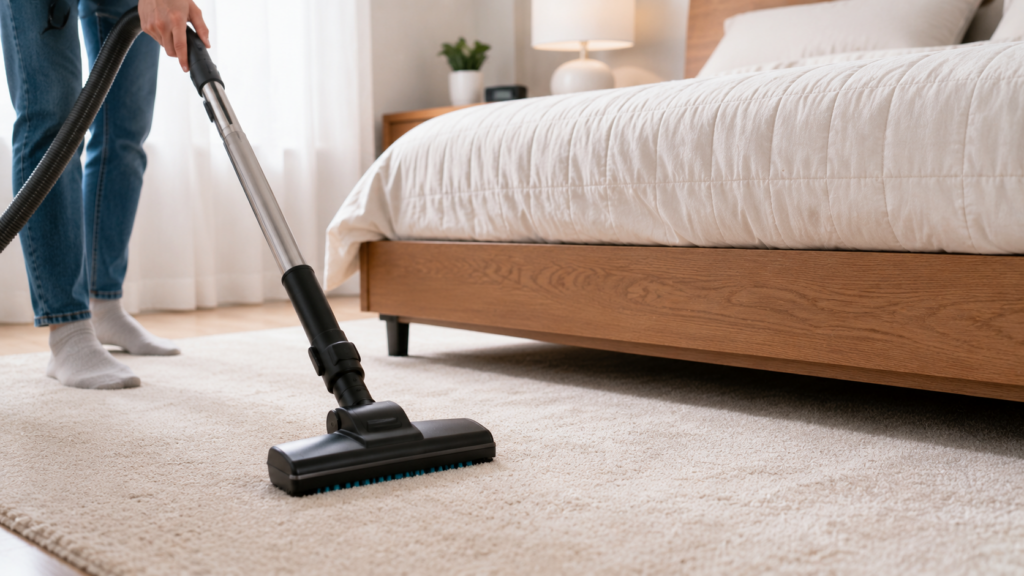
A regular bedroom cleaning routine, vacuuming especially, picks up crumbs, dead skin, and other debris that roaches feed on, especially in carpeted rooms where food particles settle deep into fibers. Focus extra attention under the bed and around furniture edges, since these spots collect debris fastest and get missed during a quick, surface level cleaning.
Wash Bedding Frequently
Sheets, pillowcases, and blankets should get washed on a regular schedule, ideally weekly, since they can hold onto food residue, skin oils, and moisture that roaches find appealing. Hot water specifically helps kill off any eggs or early stage roaches that may have already found their way into the fabric.
Keep the Floor Clutter Free
Piles of clothes, stacked boxes, or clutter under furniture all create ideal hiding spots that give roaches cover while they move toward a bed undetected. A clear, open floor removes those hiding spots and makes it much easier to spot activity early before it becomes a bigger issue.
Use Crack and Crevice Sealant

Roaches enter bedrooms through surprisingly small gaps, baseboards, window frames, and outlet covers among the most common entry points. A basic silicone sealant closes off these paths permanently and works as one of the most effective long term pest control tips available, since it stops new roaches from getting in.
Use Diatomaceous Earth

A thin layer of food grade diatomaceous earth along baseboards and under furniture works mechanically. It’s a genuinely effective insect control option for anyone hesitant about using traditional pesticide indoors, especially in a bedroom where people spend a third of their day.
Use Cockroach Baits or Sticky Traps

Baits work by luring roaches in with a food source laced with a slow acting insecticide, letting affected roaches carry it back to a larger colony before dying. Sticky traps, meanwhile, are more useful for monitoring activity than solving a full infestation, giving a clear read on where roaches are actually moving through a bedroom.
When to Call a Professional Pest Control Company
Sometimes a cockroach problem goes beyond what traps and sealant alone can fix, especially once German cockroaches establish a breeding population somewhere behind walls or under flooring. That is when it makes sense to bring in Orkin. Their technicians identify exact entry points and nesting locations that are easy to miss without professional equipment, then apply targeted treatment that lasts far longer than store bought pesticide. If you’re serious about how to get rid of cockroaches for good, a bedroom pest control plan from a trusted name like Orkin usually solves the problem for good.
Frequently Asked Questions (FAQs)
Is it normal to find a cockroach in your bed?
It’s not exactly common, though. It could happen, especially in homes with an active infestation nearby. A single sighting doesn’t necessarily mean a severe problem, though it’s worth taking seriously as an early warning sign.
Will cockroaches crawl on me while I sleep?
It’s possible. However, without significant infestation, there’s a slight possibility that you would see them over your shoulder or skin crawling.
Can cockroaches bite humans at night?
Bites do happen occasionally, usually on exposed skin like fingers or eyelids, though they remain uncommon overall. Cockroaches at night are far more active than during the day, which is exactly why any bites that do occur tend to happen while someone is asleep.
Our Verdict
Cockroaches in bed are not an everyday occurrence, but they are a real possibility once a bedroom crosses into infestation territory or once food and moisture sources go unchecked for too long. The good news is that most of the fixes here are simple, cut off food sources, seal entry points, and stay consistent with cleaning. Do that, and the odds of ever dealing with cockroaches climb into beds in your own home drop dramatically, and cockroach prevention becomes second nature. Sleeping safely starts with a clean, sealed bedroom, and honestly, that beats finding one crawling on you ain’t a lesson anyone needs to learn twice.