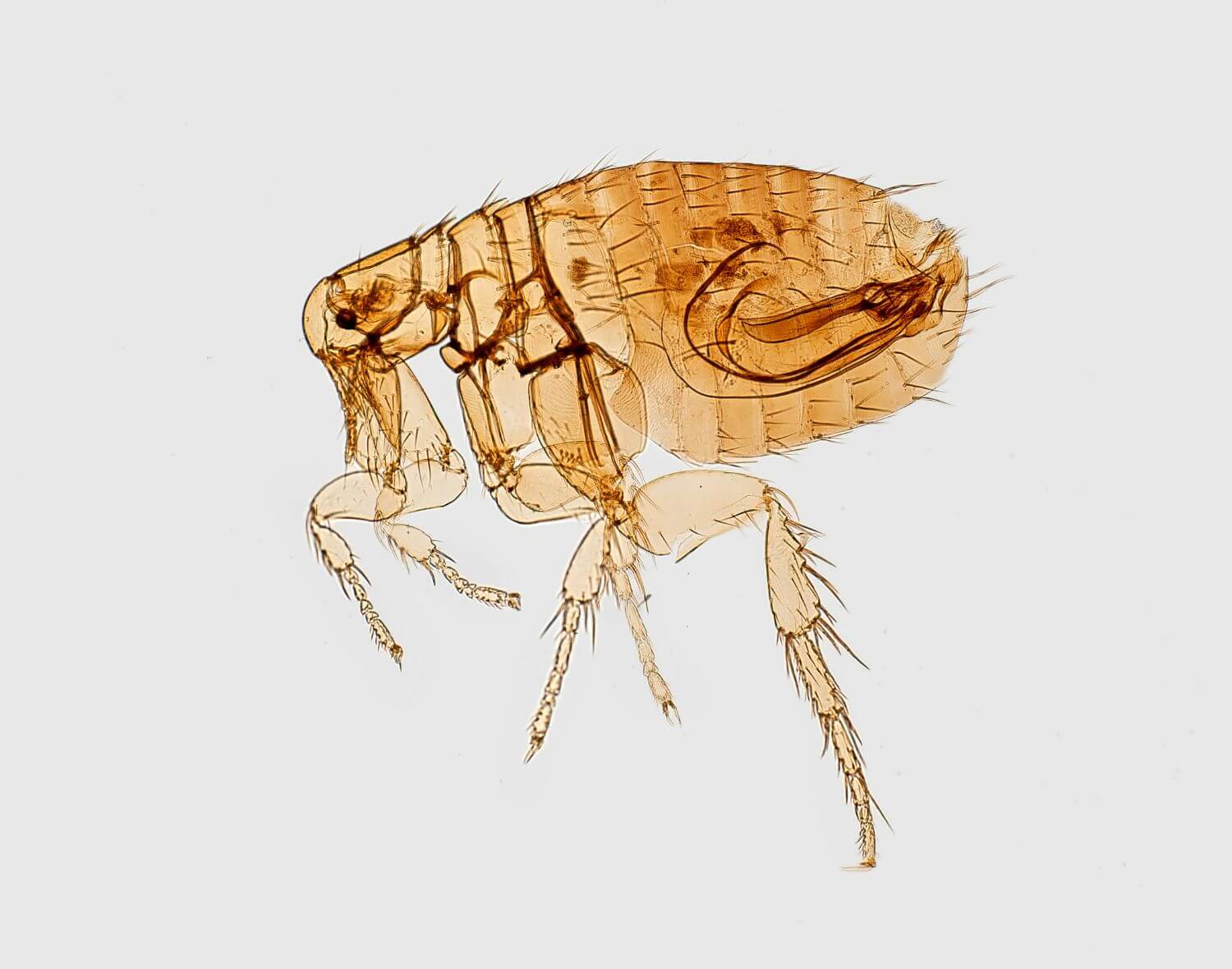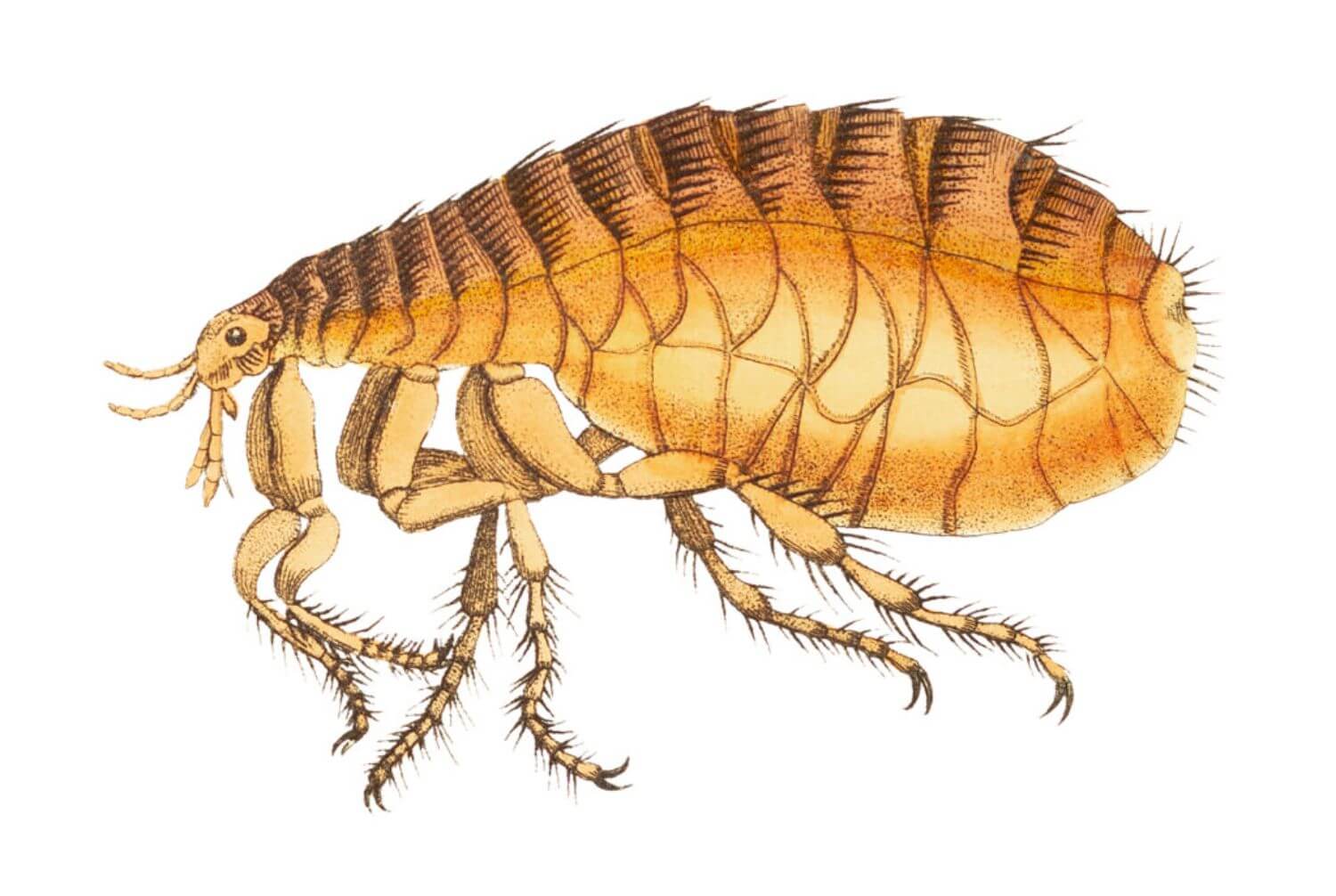

Fleas tend to bite ankles and lower legs not because these areas lure them the most, but because they are easy for them to reach. Fleas are wingless parasites and can jump up to 13 inches horizontally and about 7 inches high.
Because fleas and their eggs primarily reside in carpets, rugs, and pet bedding, they easily spread to sofas and your own sleeping areas as your pet moves around the house. When a person walks through an infested area, an adult flea can jump onto their feet or legs and find a place to feed.
Fleas will, however, gladly bite beyond your feet, ankles, and lower legs if other parts of your body are resting near them and exposed. Ultimately, if you have been bitten by fleas on your ankles or lower legs, it means fleas are actively hiding and hatching right at floor level.
Scroll down to see why fleas love your ankles and lower legs so much, along with some safe, proven ways to stop new bites and get them out of your life.
Table of Contents
Key Takeaways
- Because fleas live down in your carpets and flooring, your feet, ankles, and lower legs are simply the closest things for them to reach.
- Flea bites usually show up in distinct little clusters, which makes it much easier to tell them apart from other bugs.
- Getting rid of them completely means treating your pets, vacuuming your floors deeply, and using targeted sprays to kill off the rest.
- Applying safe insect repellent on your skin, wearing socks, and wearing longer clothing can instantly lower your chances of getting bitten by fleas.
Why Do Fleas Bite Ankles and Lower Legs?
Fleas bite your ankles and lower legs simply because they are the first body parts they can reach. A cat flea’s jumping height tops out around 7 inches on average and up to 8 inches when leaping straight up, though they can cover up to 13 inches sideways. Since your ankles and lower legs sit right in that striking zone, they get the most impact directly.
Although they wait at floor level, fleas track down their targets by sensing body heat, changes in carbon dioxide, and the physical vibrations of your footsteps. Your personal skin chemistry, what shoes you wear, and how often you walk barefoot near your pet’s favorite sleeping spots all play a role in who gets targeted.
In fact, it is completely normal for one person in a house to get covered in ankle bites while someone else gets left alone, all because their skin gives off a slightly different scent or temperature that attracts the fleas first.
What Do Flea Bites on Ankles and Legs Look Like?
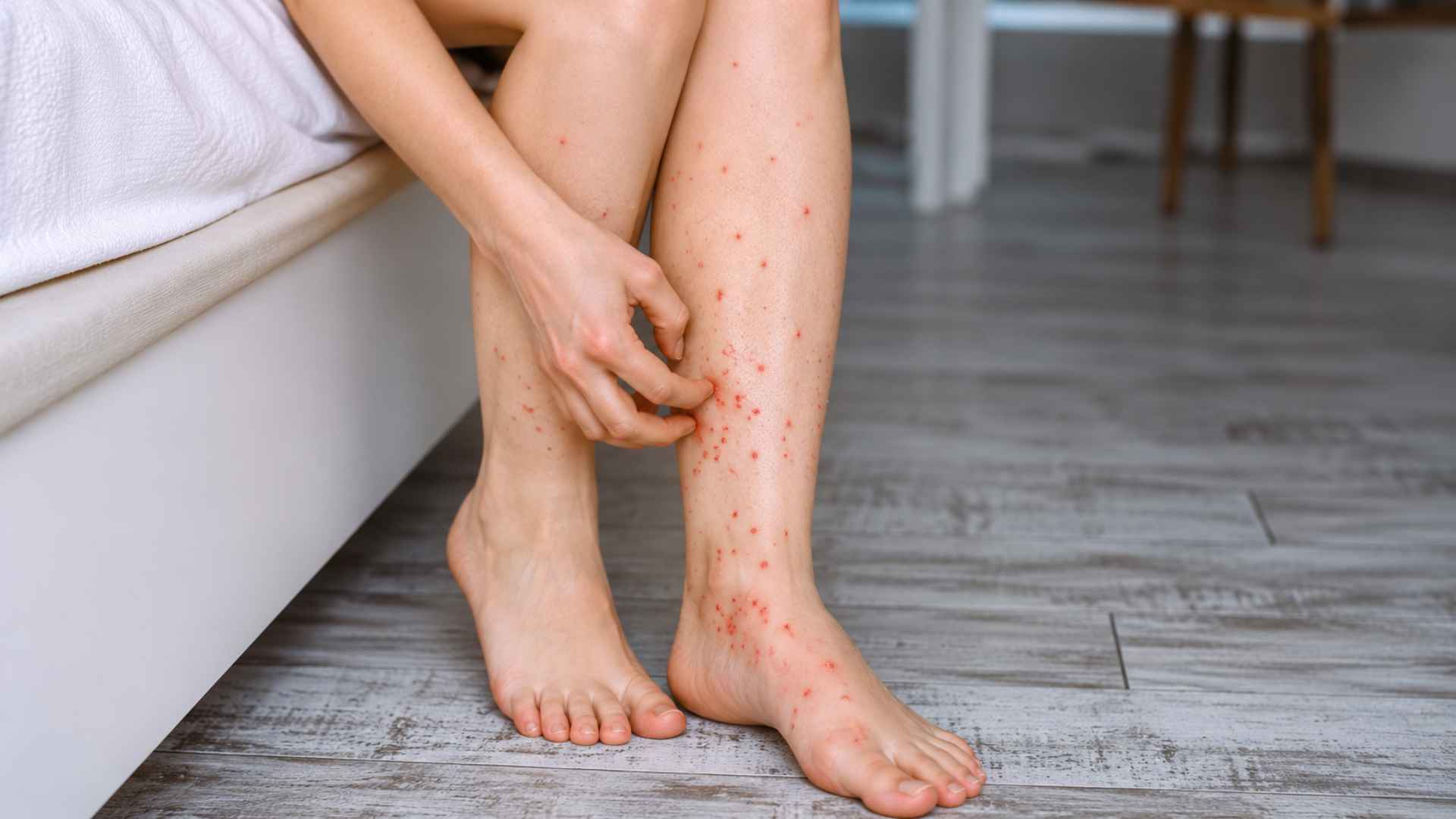
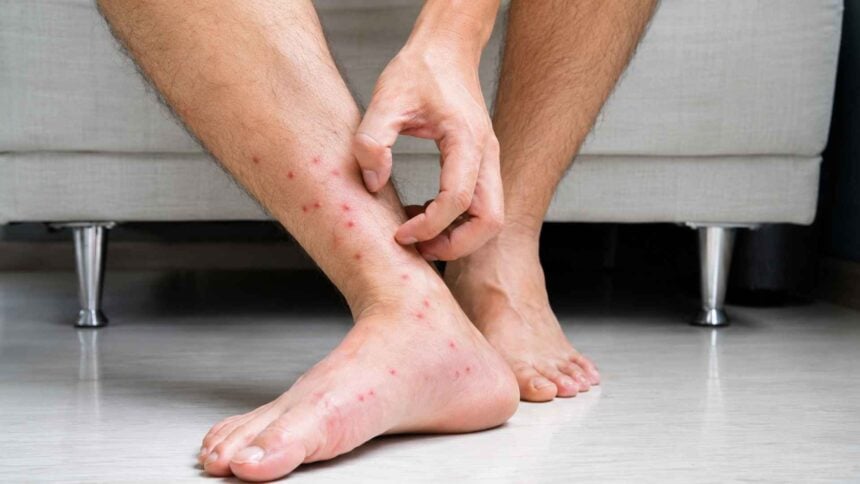
Typical flea bite patterns include clusters or short lines of three or four tiny bumps, and some dermatologists call the line breakfast, lunch, and dinner.
Fresh flea bites on ankles look like small, raised bumps, red and slightly swollen, often with a lighter halo around a tiny dark center. On lighter skin tones the bumps look red or pink. On darker skin tones they may look brown, purple, or darker than the surrounding skin, and sometimes the color of the bumps appears similar to the surrounding skin and the swelling is the main clue.
Fleas feed on blood by piercing the skin and releasing saliva during the process. Your body can react to substances in that saliva, which causes the itching and irritation. Some people develop only a small bump, while others experience more noticeable swelling.
The level of irritation varies from person to person. Repeated scratching can break the skin and create an opening for bacteria. Try to leave the bumps alone and wash the area with mild soap and water, or visit a doctor if the swelling doesn’t go down or if the bites start looking infected.
Could Something Other Than Fleas Be Biting Your Ankles and Legs?
It’s easy to misjudge flea bites with bed bug bites or mosquito bites and vice versa, though location and appearance of the bites can give you some clues.
Flea bites vs Bed bug bites
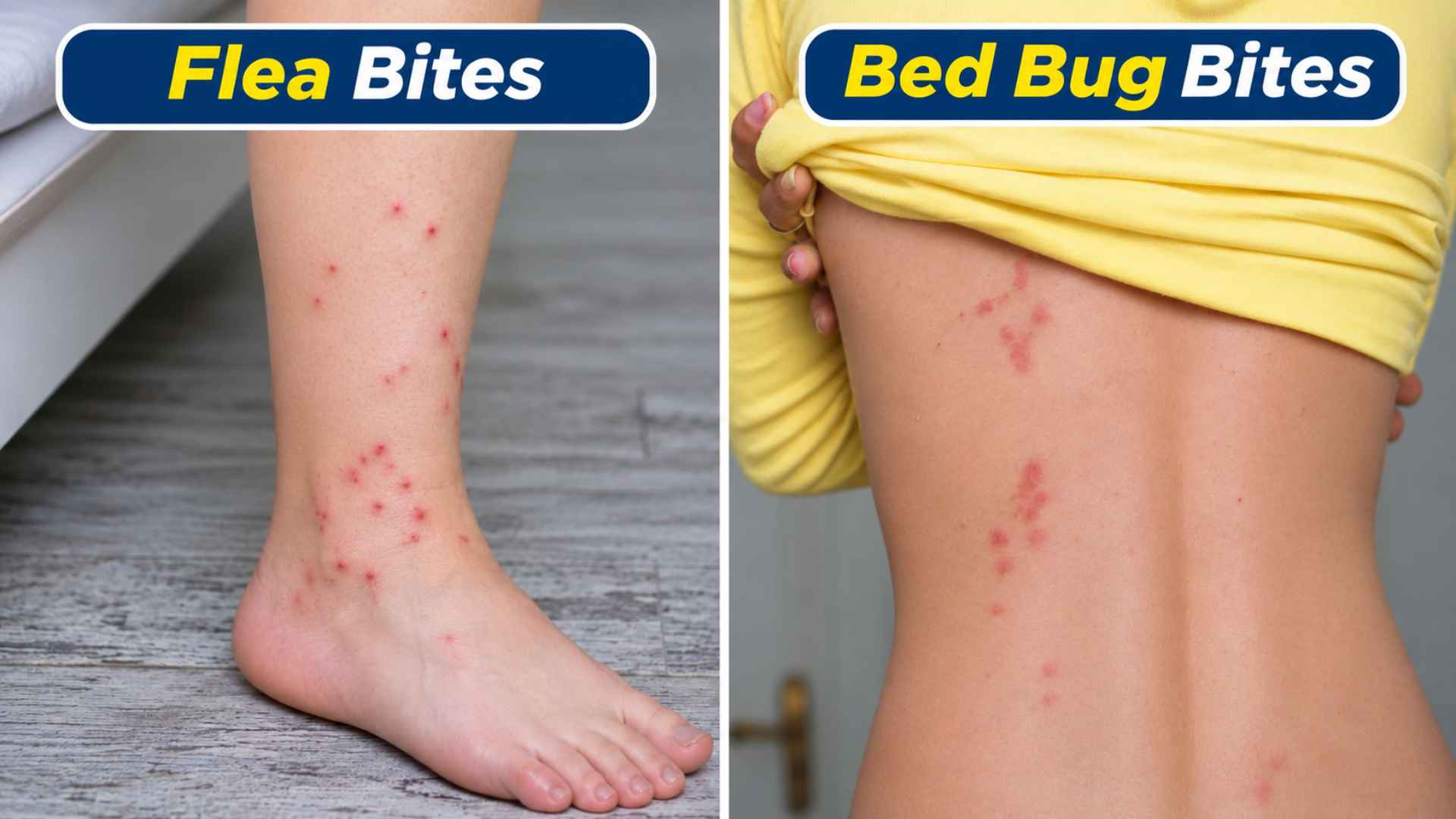
Bed bug bites look similar to flea bites, but the pattern and location differ. Bed bugs feed off your blood and secrete saliva that causes itching, and their bites often exhibit a distinct line or zigzag pattern on the arms, shoulders, neck, and face. Fleas stay low on the legs. Bites on skin that is uncovered in bed point toward bed bugs, and bites below the knees point toward fleas.
Flea bites vs Mosquito bites
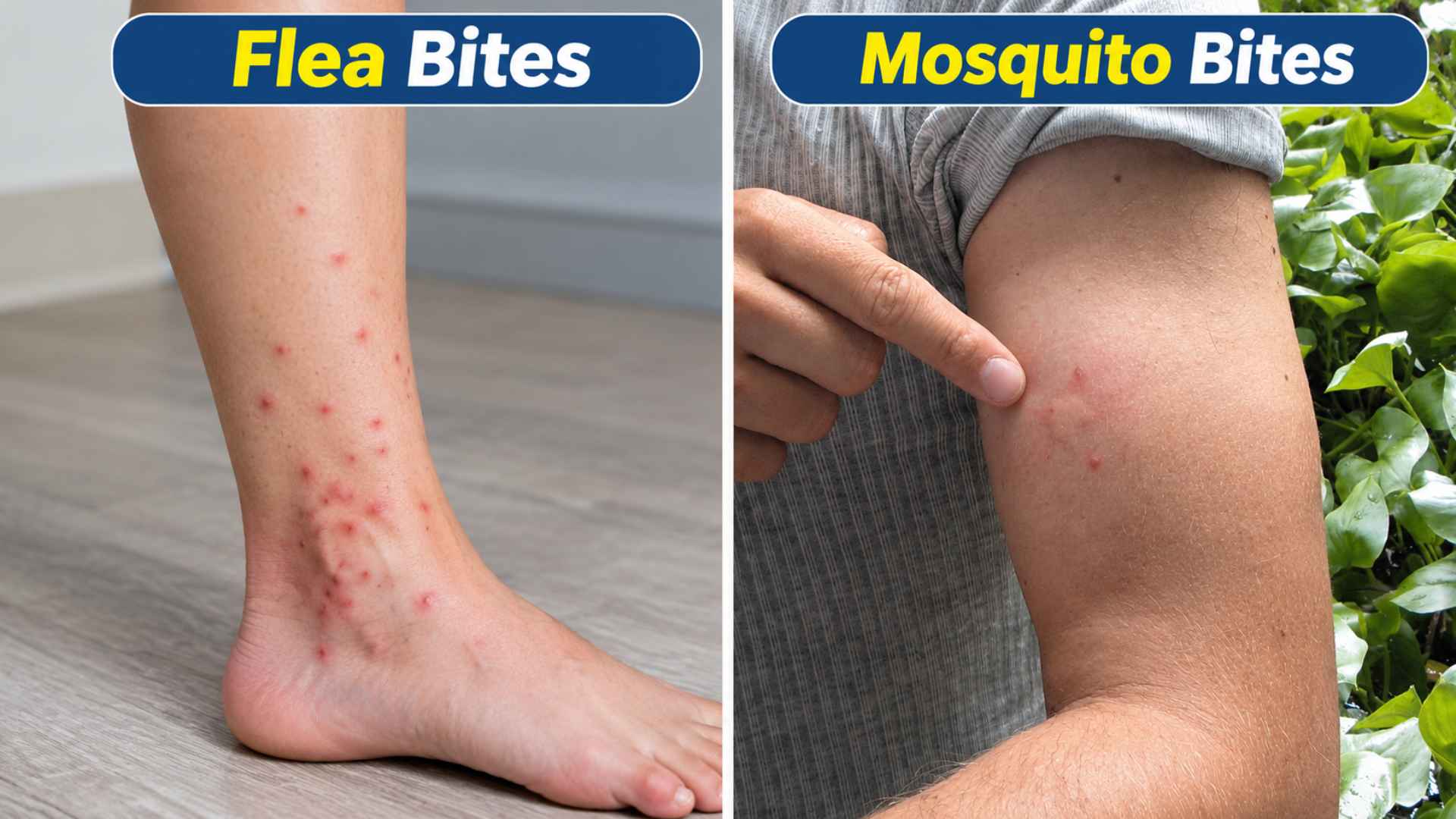
A mosquito bite typically creates a single, large, raised bump that forms almost instantly after it flies off. Flea wounds stay small, firm, and clustered close together. They can appear on your arms, face, legs, or neck, depending on where the mosquito lands. On the contrary, Flea bites are smaller and grouped, with a red center, and they stay low on the leg.
How to Tell If You Have Fleas at Home
- Frequent scratching: Your cat or dog scratches, bites, or licks its fur more than usual.
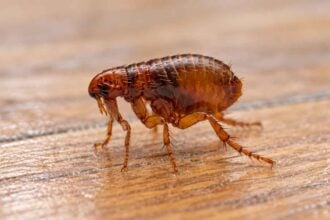
- Visible insects: You spot tiny, dark brown insects that move quickly through carpets or animal fur.
- Dark specks: You find flea dirt around pet bedding, carpet edges, or places where animals sleep. It looks like black pepper and may leave reddish brown marks when dampened.
- Eggs and larvae: You notice tiny, pale eggs or small wormlike larvae around pet resting areas. Flea eggs can fall from an animal’s coat and collect in the surrounding environment.
- Repeated bites: You keep finding new itchy bumps after spending time in the same room.
How to Stop Fleas From Biting Your Ankles and Lower Legs
Covering your skin can reduce bites, but it will not solve the underlying problem. Effective flea prevention requires attention to your clothing, pets, floors, and the places where fleas develop. These seven steps can help you reduce exposure and pretty much control the source.
1. Wear Thick Socks and Long Trousers
To stop getting bitten you could create a physical barrier between your ankles and lower legs and fleas as a temporary band-aid.
Thick socks and long trousers create a barrier between your skin and fleas that jump from the floor. Choose socks that cover your ankles completely. Tuck your trouser hems into them so there is no exposed skin.
Avoid walking barefoot across carpets or rugs until you have dealt with the problem. This step offers you some sort of temporary protection.
2. Apply a Safe Insect Repellent to Your Skin
A suitable personal insect repellent may help reduce flea bites when you need to spend time in an area with flea activity. Look for an EPA registered product with ingredients such as DEET, picaridin, or another approved active ingredient. Check the product label to confirm its intended use and follow the directions carefully. Apply it only to the areas listed on the label. Keep it away from your eyes, mouth, and irritated skin. Do not use household insecticides or products made for pets on your body.

3. Set Up Flea Light Traps
Flea light traps can help you to monitor for adult fleas. These devices usually use a light source and a sticky surface to catch insects that move toward them.
Place a trap close to the floor in a room where you suspect fleas. Areas near pet beds, rugs, and upholstered furniture may be useful locations.

Regularly check the sticky surface of your trap. Whilst finding fleas can help you to confirm there is activity, an empty trap will not mean your home is free from fleas. Not all fleas can be trapped using these devices, and the immature stages of fleas can hide in your carpets.
4. Vacuum Carpets and Area Rugs Daily
Vacuum carpets, area rugs, floor cracks, baseboards, and upholstery every day for at least two weeks. The vacuum pulls up adult fleas and their eggs, and its vibration pushes pupae to hatch, where treatment can reach them.
Move slowly, and use the crevice tool where floors meet walls and under furniture. Empty the canister or seal the bag outside right away, since fleas can survive inside it. Pay extra attention to the spots where pets sleep, because that is where eggs collect.
5. Treat Your Pets With Veterinary Medication
If you have a cat or dog at home, check its coat for fleas and ask a veterinarian about suitable treatment. Pets are common hosts for the fleas found in households. Turns out, leaving them untreated can allow the problem to continue.
Your veterinarian can recommend a product based on your pet’s species, age, weight, and health. Treat every household pet according to veterinary advice and keep up with the recommended treatment schedule.
6. Wash All Pet Bedding in Hot Water
Wash pet bedding, blankets, throw rugs, and your own sheets in hot water, and dry them on high heat. Heat and detergent kill flea eggs and larvae.
For items that can’t go in a machine, like a carpet or rugs, vacuum both sides, and you can also treat them with a labeled spray.
7. Spray Residual Insecticide
Choose an indoor residual spray that also contains an insect growth regulator, such as methoprene or pyriproxyfen, because it stops flea eggs and larvae from developing.
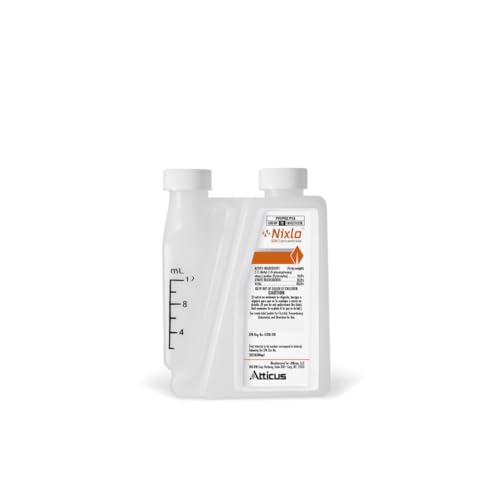
Clear all toys, shoes, and loose items off the floor, then spray the formula evenly across your carpets and floor cracks. You may need to repeat the treatment to catch pupae that could hatch after the first treatment. If the flea infestation is heavy, you can also call a licensed pest professional.
Frequently Asked Questions (FAQs)
What can I put on my ankles to keep fleas from biting me?
Repellents with DEET, picaridin, or IR3535 help when you apply them to your ankles and lower legs. Long socks and trousers also provide a simple physical barrier.
Can fleas bite your arms while you sleep?
Yes, if fleas reach your bed. Fleas bite any skin they can reach, and bites on the waist or arms usually mean a heavier infestation. Wash all bedding in hot water, vacuum regularly, and have your pet treated for fleas
Why do flea bites itch more at night?
Fleas secrete saliva into your bloodstream as they feed, and your immune system reacts to it. The bites often feel worse at night, when you have fewer distractions and your skin runs warm.
Will flea bites disappear on their own?
Most bites fade within a few days to a week. Wash them with mild soap and water, and watch for pus, spreading redness, or fever. Flea bites can be dangerous in rare cases, including infection or a flea borne illness. See a clinician if symptoms grow worse.
Wrapping Up…
Fleas go for your ankles because those are the closest warm targets to the floor, and the bites follow a pattern you can recognize once you know it. Confirm the cause by checking your pets, the carpet, and the bedding. Then work through the steps in order: protect your skin, treat your pets, vacuum every day, wash bedding in hot water, and finish with a residual spray and a follow up. Most homes clear in a few weeks when you stay consistent. If new bites keep appearing after a month, call a pest professional and show them what you found.