
Step outside after a storm and you might find dozens of Millipedes crawling across driveways, gathering on patios, or working their way toward your basement or garage. This spike in activity is real, and pest control companies even have a name for it, millipede season after rain.
The answer to why millipedes appear after heavy rain comes down to one simple fact.Water floods their underground world and pushes them somewhere else to breathe.
A sudden wave of millipedes after rain isn’t random either, it follows a predictable pattern tied directly to how saturated the soil gets and how long it stays that way.
We’ll cover exactly what happens to millipedes when a storm hits, why your house becomes an appealing detour, and what actually works to keep them outside where they belong.
Table of Contents
Key Takeaways
- Heavy rain saturates soil and drops oxygen levels underground, forcing millipedes to the surface
- Homes often sit directly in their path toward drier ground
- Millipedes are harmless decomposers, not a threat to people or pets
- Sealing entry points does more long term good than any spray
Why Do Millipedes Come Out After Heavy Rain?
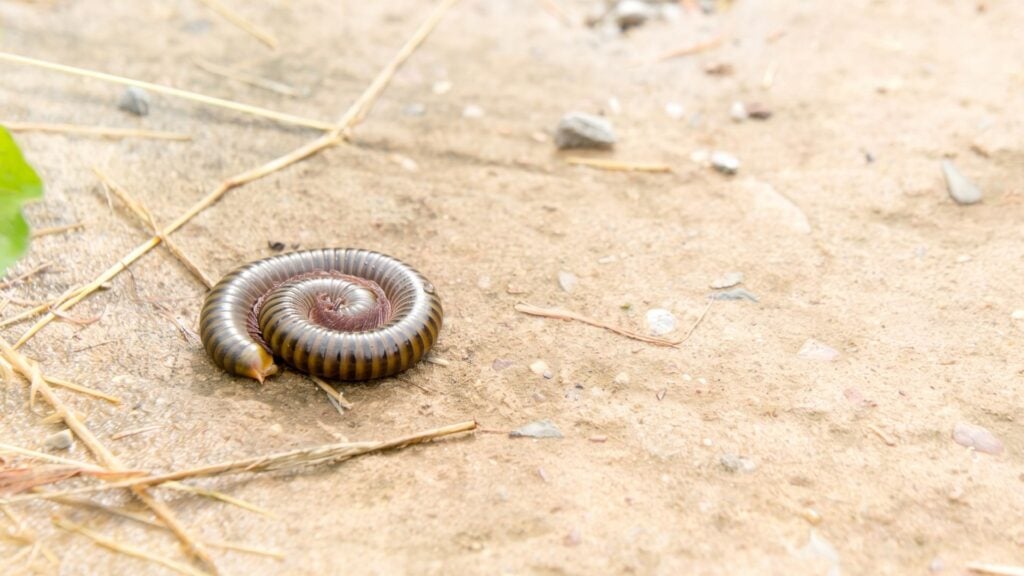
Millipedes live most of their lives underground or tucked into damp soil, leaf litter, and mulch, breathing through tiny openings along their body that need a certain amount of oxygen to function properly.
Heavy rain changes all of that swiftly. Saturated soil, waterlogged leaf litter, wet mulch, and standing water all combine to flood the small burrows and crevices millipedes rely on. Once soil becomes too wet, oxygen levels drop underground fast enough that staying put simply isn’t survivable.
Millipedes after rain come to the surface because the ground beneath them stops working as shelter, and surface conditions shift enough that digging deeper only makes the problem worse. This is really the core reason millipedes come out after rain in the first place, the burrow itself becomes unlivable faster than they can adapt to it.
Where Do Millipedes Go When It Rains?
Once soil becomes soaked, millipedes struggle to survive underground and move toward drier areas wherever they can find them. That usually means climbing upward toward mulch beds, sidewalks, foundation walls, or anything raised above the waterlogged ground.
Millipedes after rain tend to gather in shaded, damp spots close to structures, since those areas hold onto some moisture without actually flooding the way open soil does. Crawl spaces, foundation edges, and shaded garden beds all become temporary refuges during this period.
This migration isn’t targeted at your home specifically, it’s just geography working against you. Millipedes are simply moving away from conditions that no longer support them, and a house that happens to sit in that path becomes an obstacle they climb over, under, or straight into.
Why Do Millipedes Enter Houses After Rain?
Homes often block their path, and that’s really the whole story behind why are millipedes in my house after rain in the first place. As millipedes move toward higher, drier ground, small gaps around doors, foundation cracks, and damp crawl spaces make it easier for them to get inside almost by accident.
They aren’t seeking out your kitchen or your carpet on purpose. Millipedes after rain are simply following moisture gradients and hitting a wall, literally, where your foundation happens to sit in their path.
Millipedes coming into house after rain almost always enter at ground level too, since they move slowly and rarely climb higher than a few inches off the ground. Once they get inside, most don’t last long since millipedes cannot survive for long indoors. Our homes are simply too dry for a creature that needs some moisture in the air just to keep functioning normally.
Does Heavy Rain Cause a Millipede Infestation?
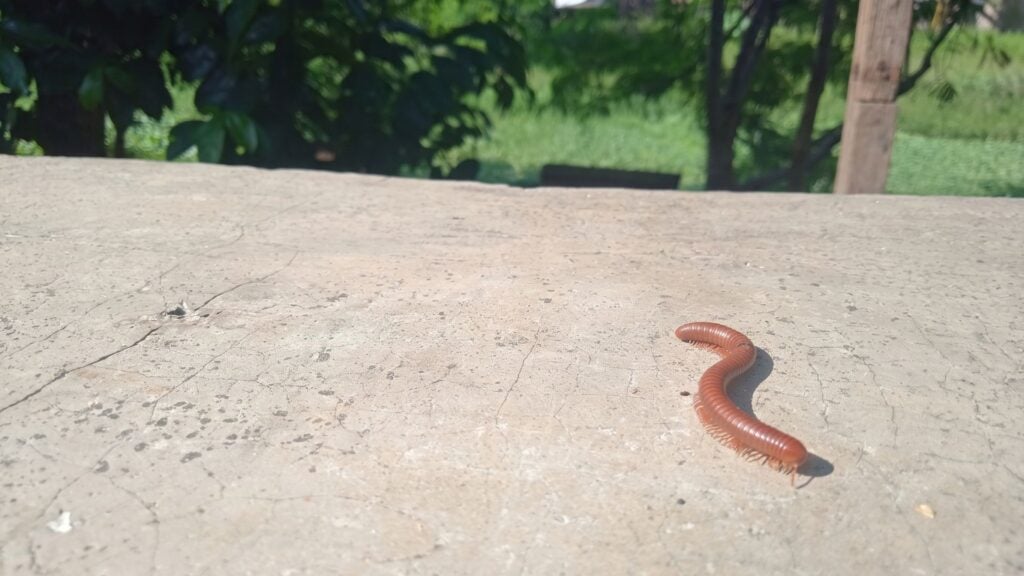
Heavy rainfall leaves the soil saturated for long periods, and that alone doesn’t create a true millipedes infestation inside your home. What you’re usually seeing is a temporary surge of outdoor activity, with a handful of individuals wandering indoors.
A genuine infestation would mean ongoing reproduction and shelter happening inside the structure itself, and that’s uncommon since indoor conditions are typically too dry to support a millipede’s life cycle for more than a few days at most.
What Attracts Millipedes Around Your Home?

Get practical help identifying pests, preventing infestations, and protecting your home throughout the year.
View the Pest Control eBookMillipedes, in general, are decomposers of dead leaves, essentially recyclers out in the environment, so anything that mimics their natural diet or habitat pulls them closer to your house.
Piles of leaf litter, mulch beds pressed right up against the foundation, rotting wood, and damp garden beds all qualify as prime real estate. They mainly live outdoors and mainly eat decaying wood and dead leaves, though.
Larger species will sometimes eat small insects, earthworms, or snails if the opportunity presents itself. Some will even nibble on green leaves or the soft roots of living plants when conditions push them to.
Millipedes and moisture go hand in hand here, since damp areas that do not dry out quickly are exactly what keeps a population active nearby. They’re also mostly nocturnal, most active at night or on cloudy days, which is part of why people rarely notice them until a storm pushes a wave of activity into daylight hours.
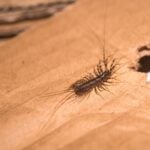
It’s also worth knowing that millipedes do not hunt other insects the way people sometimes assume when they mistake them for centipedes. Millipedes are harmless plant material feeders through and through. Knowing what attracts millipedes in the first place makes prevention a lot more targeted than just reacting once you spot one indoors.
How to Stop Millipedes From Coming Inside After Rain
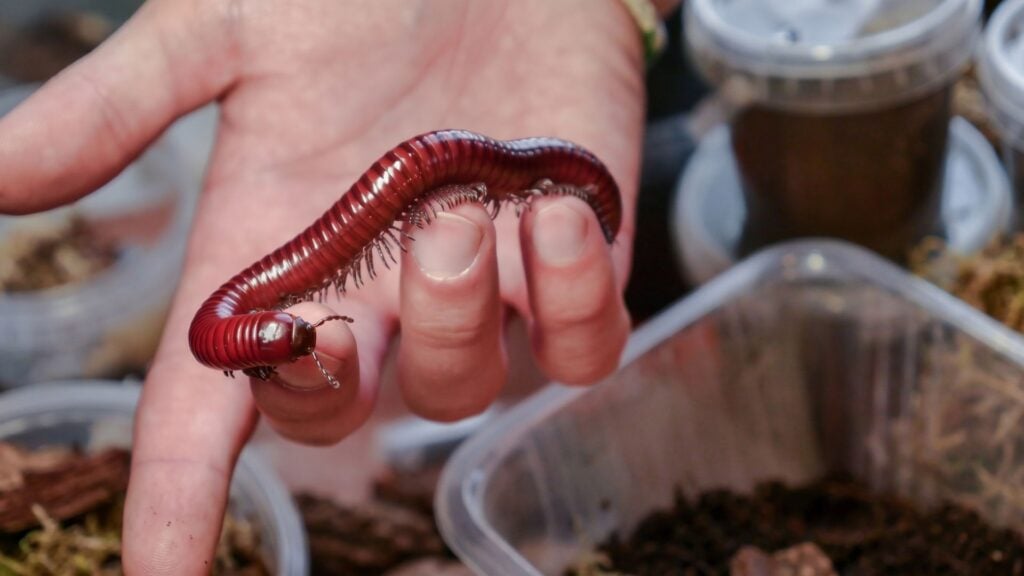
Seal Cracks Around the Foundation
Foundation cracks are one of the most common points of entry, and they’re often small enough to miss on a casual walk around the house. A simple exterior sealant applied to visible gaps closes off a route millipedes use constantly during wet weather.
It’s one of the cheapest and essentially the most effective fixes on this entire list if you’re serious about how to keep millipedes out for good.
Check Doors and Windows
Shoring up weather stripping around exterior doors and window frames clear out another easy access point. Millipedes move slowly and don’t climb particularly well.
Turns out, a tight seal at ground level does most of the heavy lifting here compared to worrying about upper floor windows, which almost never see any activity at all.
Move Organic Debris Away From the House
Leaf litter, mulch, and woodpiles stacked against the foundation create the exact damp, sheltered conditions millipedes look for. Pulling debris even a foot or two away from the exterior wall cuts back the immediate habitat driving out the millipedes toward your home in the first place. It’s indeed a genuinely simple piece of millipede prevention that costs nothing but time.
Improve Drainage
Standing water near the foundation after a storm keeps soil saturated far longer than it needs to be. Redirecting downspouts, grading soil away from the house, and clearing gutters all reduce how long that ground moisture lingers right where millipedes are most likely to end up. It therefore makes moisture control the single most effective long term strategy on this list.
Keep Damp Basements Dry
Basements and crawl spaces that stay humid year round essentially recreate the outdoor conditions millipedes prefer, minus the rain.
A dehumidifier or improved ventilation in these areas removes the one thing keeping millipedes comfortable once they’ve made it inside, and it pairs well with any broader pest prevention plan for the rest of the house.
What Should You Do If Millipedes Are Already Inside?

First, don’t panic. Millipedes are not dangerous to humans or animals. They don’t bite, they don’t carry disease, and they produce no meaningful odor even in numbers.
Pets and other animals typically do not eat them, and millipedes can be safely handled by children if one needs to be picked up and moved back outside.
A vacuum or a dustpan handles most indoor sightings without any need for chemical treatment at all. Since millipedes cannot survive for long indoors, most disappear within a day or two on their own once the humidity that let them wander in has dried up.
If you’re dealing with more than a few stray millipedes in house at once, getting rid of millipedes usually just means addressing whatever gap or crack let them in.
Will Millipedes Go Away After the Rain Stops?
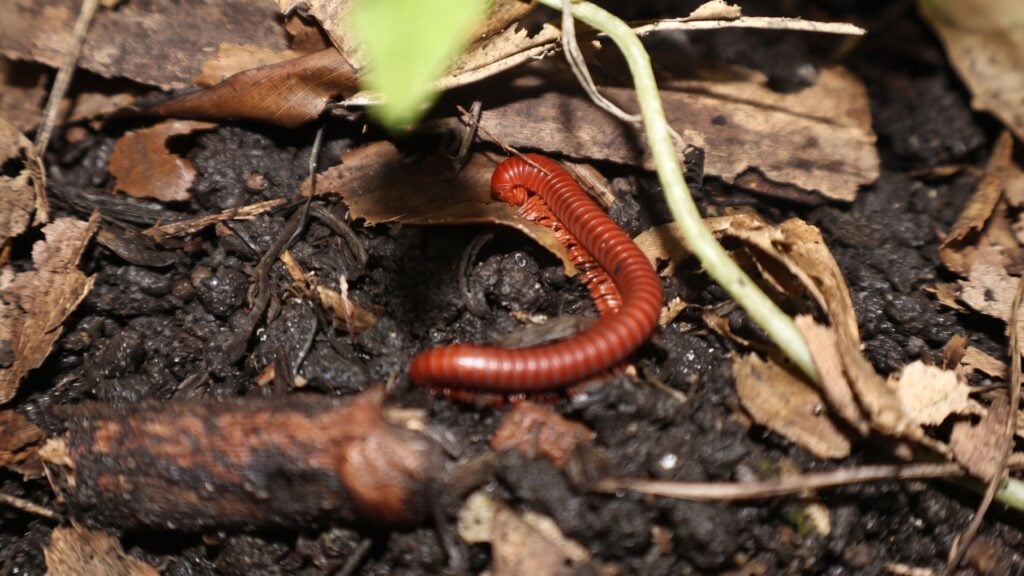
Once soil dries out and oxygen levels underground return to normal, millipedes come out after rain far less frequently. Turns out, the ones already outside retreat back into soil, mulch, and leaf litter within a few days.
Indoors, the dry air in most homes means any stragglers won’t last long regardless of whether you intervene directly. That said, if damp conditions persist near your foundation, whether from poor drainage or a shaded, consistently moist yard, millipede activity can stay elevated well beyond when the storm itself has passed.
When to Call a Professional
Most millipede activity resolves on its own, though persistent indoor sightings, especially repeated ones over several weeks, are worth having a professional look at.
A company like Orkin can inspect your foundation, crawl spaces, and yard drainage to pinpoint exactly where millipedes are entering and recommend targeted exterior treatment. This matters most for homes with chronic moisture issues, since a one time fix rarely solves an underlying drainage or ventilation problem on its own.
Professional pest control also makes sense if millipede sightings coincide with other moisture related pest issues, since the root cause driving both problems is often exactly the same.
Frequently Asked Questions (FAQs)
Do millipedes come inside because of rain?
Yes, though indirectly. Millipedes aren’t seeking shelter in your home specifically, they’re escaping saturated soil and end up indoors through gaps and cracks that happen to sit along their path to drier ground.
Does a dehumidifier help with millipedes?
Yes. Since millipedes need humidity to survive and homes are typically too dry for them long term, a dehumidifier in damp basements or crawl spaces removes the one condition keeping them comfortable indoors for any length of time.
What kills millipedes instantly outside?
Direct contact insecticide sprays labeled for millipedes work quickly outdoors, though for most homeowners, reducing moisture and debris near the foundation solves the underlying issue without needing chemical treatment at all.
Wrapping Up…
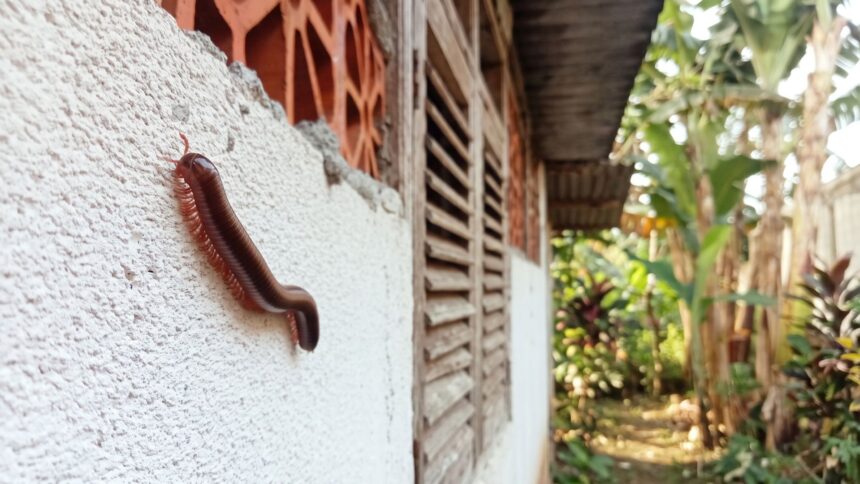
A sudden wave of millipedes after rain is a predictable response to flooded soil pushing harmless decomposers toward higher, drier ground. Long, slender, and covered in legs, which is exactly why people call them thousand-leggers, almost every segment of a millipede’s body carries two pairs of legs, and most species have somewhere between 30 and 400 of them total despite the name suggesting a thousand.
None of that makes them a threat to you or your home. Millipedes after heavy rain are simply following moisture. They ain’t invade anything so obviously home maintenance can reduce millipedes after rain making it inside more than any spray ever will.
Focus on sealing cracks, managing moisture, and clearing debris, and a true millipedes infestation becomes something you’ll likely never actually deal with.