
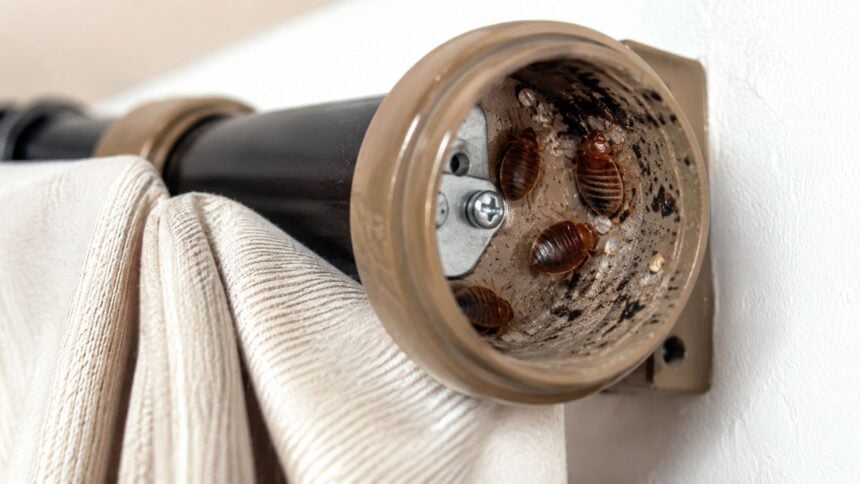
Bed bugs can hide inside curtain rod brackets, though it is not their preferred spot. These pests favor being close to a blood meal. Turns out, a mattress seam or a bed frame crack wins out over a window fixture almost every time.
Still, when numbers grow or a room gets crowded with other harborage, curtain hardware becomes fair game. The tight gap between a bracket and the wall gives them cover, darkness, and a place to sit tight until you turn off the lights.
If you have spotted small dark specks near your window trim or noticed shed skins caught in the fabric, it is worth taking a closer look before the problem spreads.
Table of Contents
Why Bed Bugs May End Up Around Curtains and Windows
Bed bugs do not possess wings, and they cannot make large leaps either. They are purely crawlers. That behavior explains how bed bugs crawl up your long curtain panels toward the top rod mounts.
Windows rest right next to the pillows in most homes, and drapes hang for months without anyone moving them. This setup creates a perfect backup hiding zone once a bedroom has a real infestation.
Drapes are not their top pick. But as the fabric wrinkles pile up and the bed bugs expand, some insects move upward to escape the crowded mattress.
6 Signs Bed Bugs May Be Hiding Around Curtain Rod Brackets
- Dark Spots Around the Bracket: Small rust colored or black dots near the screw holes or along the bracket edge often point to fecal matter. These marks tend to smear slightly if you wipe them with a damp cloth. It also separates them from ordinary dust.
- Shed Skins or Pale Eggshells: As bed bugs mature, they molt several times, leaving behind thin, hollow, straw colored shells. Look for these caught in the folds of fabric near the top of the curtain or tucked into the bracket itself.
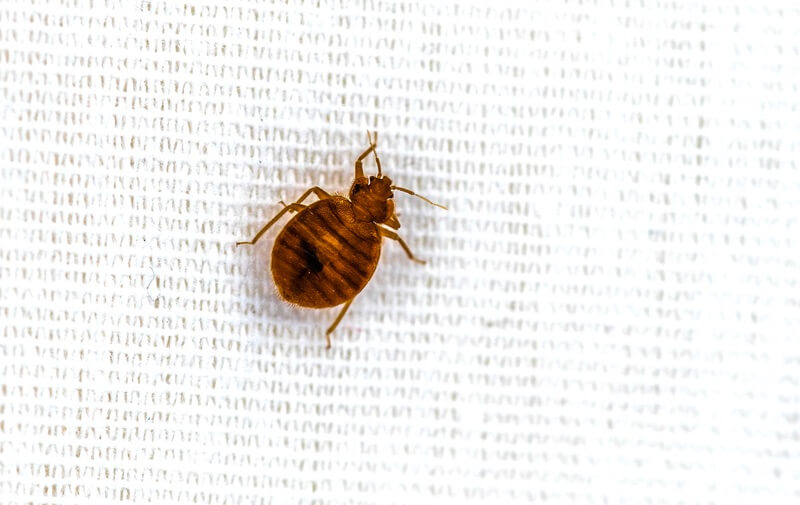
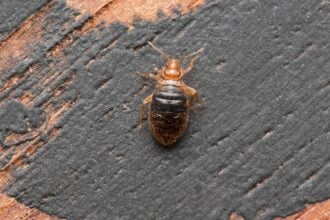
- Live Bed Bugs: A flashlight sweep during the day sometimes reveals the bugs themselves, tucked flat against the bracket or wedged where the rod meets the wall mount. They flatten their bodies to fit into gaps you would not expect.
- Blood or Rust Colored Marks: Though it may seem unlikely this far from the bed, small blood stains on your bedding are not the only place these marks show up. Fabric near a bracket can pick up faint smudges if a bug was crushed while moving through the folds.
- Evidence in Curtain Folds: Bed bugs in curtain folds tend to cluster where the fabric bunches thickest, since that gives them the darkest, most enclosed space. Check the pleats closest to the rod first.
- Repeated Signs Near the Same Window: If you keep finding the same clues around one particular window over several days, that consistency usually means an active hiding spot.
What Are the Common Bed Bug Hiding Places?
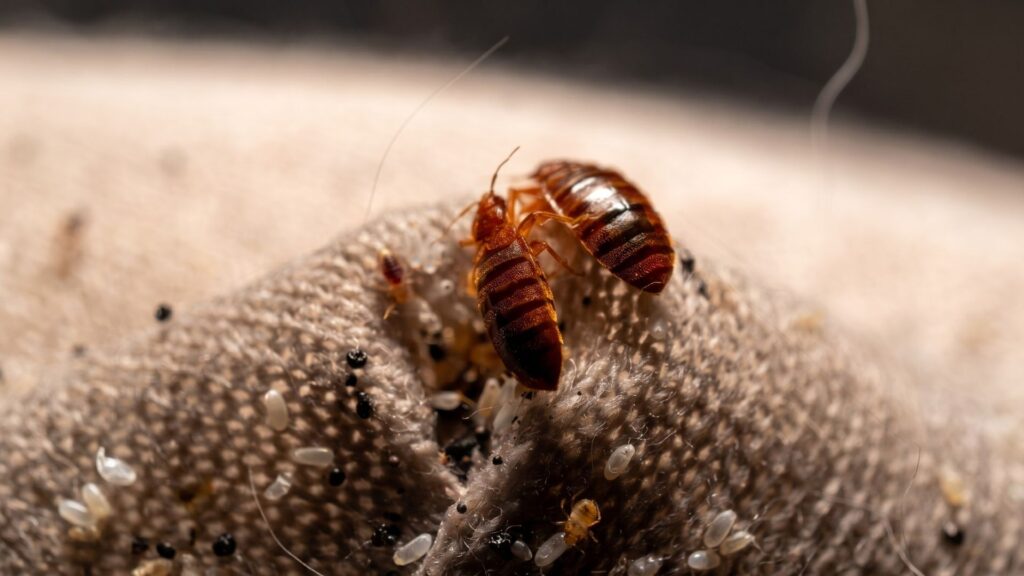
Bed bugs are sneaky pests, and their flat bodies, about the width of a credit card, let them squeeze into gaps most homeowners would never think to check. Drawer joints, couch and chair seams, cracks in bed frames and headboards, and the seams and tags on mattresses and box springs are all classic hideouts.
They have also been found on ceilings, under hanging artwork, on screw heads, inside electrical outlets and appliances, on curtains, inside nightstands and dressers, and tucked along baseboards.
A bed bug infestation is not something to shrug off. These insects can quietly take over a home while staying almost entirely out of sight for weeks at a stretch. They favor corners and creases because the extra covering keeps them hidden and close to the surfaces they walk across each night. Turns out, you might spot them where a wall meets the ceiling, along the seams of upholstered furniture, or even inside the corners of a picture frame.
How to Check Curtain Rod Brackets for Bed Bugs
Start With a Flashlight
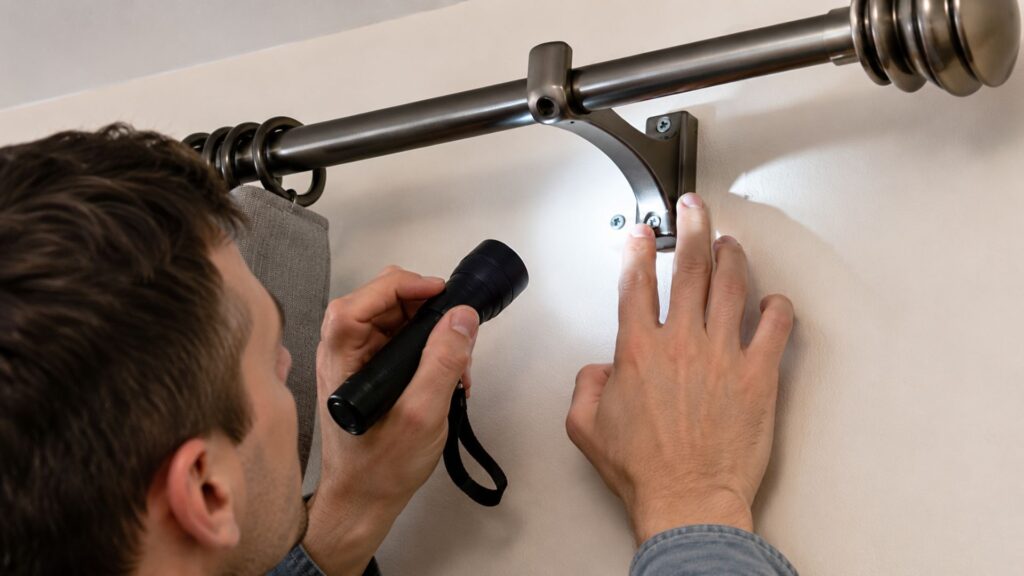
Natural room light is not enough. A bright flashlight held at a low angle throws shadows that make dark spots, shed skins, and live bugs far easier to catch against the bracket’s surface.
Check the Bracket From Every Angle
Do not settle for a glance from the front. Inspect behind the bracket, under the mounting plate, around every screw, where the rod actually enters the bracket, and any crack between the bracket and the wall. These narrow gaps are exactly the kind of cracks and crevices bed bugs favor, and a quick pass from one side alone will miss most of the evidence.
Inspect the Curtain Around the Hardware
Run your fingers along the top hem and through the folds closest to the rod. This is one of the more overlooked steps in checking bed bugs in curtains, since most people focus only on the hardware and skip the fabric that touches it.
Check the Wall and Window Frame
Bed bugs in window frames sometimes travel along the trim before reaching the bracket. Look at the seam where the frame meets the wall, along with any visible cracks in the paint or caulking nearby.
Key Takeaways: A proper bed bug inspection of curtain hardware takes patience and good lighting. Checking every angle, not just the obvious ones, gives you the clearest picture of whether an infestation has reached this part of the room.
What If You Find a Bed Bug in a Curtain Rod Bracket?
Finding even one bed bug is worth treating seriously. It usually means the population has grown enough to spread away from your bed, and other areas of the room are likely involved too. Do not rely on a single spray or wipe down to solve it.
Document what you found, check nearby furniture and baseboards, and kick off planning a fuller inspection of the room as opposed to assuming the bracket was an isolated incident.
Should You Remove the Curtain Rod to Check for Bed Bugs?
If you have already spotted signs on the bracket, taking the rod down for a closer look pretty much makes sense. It lets you see the full mounting plate and the wall surface behind it, areas that stay hidden while everything is installed.
Just be careful moving the curtains themselves, since shaking fabric loose can scatter bugs or eggs into other parts of the room before you are ready to treat the area.
If you want a more complete approach to dealing with pests beyond the obvious hiding spots, we cover practical inspection, prevention, and treatment strategies in our book, The Pest-Free Home, along with printable tools to help homeowners stay organized and catch problems before they become larger infestations.

Get practical help identifying pests, preventing infestations, and protecting your home throughout the year.
View the Pest Control eBookHow to Deal With Bed Bugs Around Curtains and Curtain Rods
Wash and Heat Dry Removable Curtains
Hot water combined with a high heat dryer cycle is one of the more reliable home steps against bed bugs in curtains. Heat needs to reach roughly 118 degrees Fahrenheit sustained for a period to be lethal to bed bugs at every life stage, according to entomology extension research from universities including Virginia Tech. A standard dryer cycle on high, run for at least thirty minutes, typically clears that bar for washable fabric.
Use Bed Bug Repellent Spray or Ultrasonic Devices

A labeled bed bug spray applied along brackets, seams, and window trim adds a layer of protection between treatments. Ultrasonic repellent devices are sold widely, though the evidence backing their effectiveness against bed bugs specifically remains thin, so treat them as a secondary measure rather than your main plan.

Vacuum Around the Brackets
A crevice attachment lets you reach into the gaps around screws and mounting plates where a cloth cannot go. Empty the canister or bag into a sealed bag outside right after, so nothing has a chance to crawl back out.
Reduce Nearby Clutter
Tackle a bit of the clutter in the room, especially piles of clothing or boxes stacked near the window. Fewer hiding spots close to the curtains means fewer places for stragglers to regroup after a treatment.
Seal Suitable Cracks After Proper Treatment
Once you are confident an area is clear, caulking small cracks between the bracket, the frame, and the wall closes off future access points. Do this after treatment, not before, since sealing too early can trap bugs inside rather than keeping them out.
A few habits help after the fact. Keep a decent gap between furniture and the wall. That alone cuts down on available nesting areas near beds and windows. Bed bugs take a long time to die off naturally because of their lifespan once they reach adulthood, and a fed adult can go without a meal for months depending on conditions in the home.
Turns out, a few quiet weeks does not guarantee they are gone. It will be on you to stay vigilant even after the visible signs stop. A dormant population would probably go inert for a stretch before they feel it is safe to come back out.
When To Call a Professional

Some cases call for more than a spray bottle and a vacuum. If bed bugs in curtain rod brackets keep reappearing after you have washed, vacuumed, and sealed everything you can reach, a licensed pest control company can apply treatments that go beyond what is available over the counter.
Orkin has decades of experience handling bed bug cases in homes of every size, using inspection methods and targeted treatments designed to reach the spots a typical homeowner would miss entirely. Getting a professional inspection early tends to save both money and stress compared to letting a small problem turn into a room wide one.
Frequently Asked Questions (FAQs)
Where do bed bugs hide during the day?
They stay close to seams, cracks, and crevices near where people sleep, usually within eight feet of a bed, tucked into mattress folds, bed frames, and nearby furniture joints.
What fabric can bed bugs not penetrate?
Tightly woven fabrics and certain bite proof mattress encasements are difficult for bed bugs to bite through, though no ordinary curtain fabric fully blocks them from crawling across or hiding within its folds.
Can bed bugs live in curtain folds?
Yes, bed bugs in curtain folds can survive for a while, particularly in thick or pleated fabric that offers plenty of dark, undisturbed space.
What do bed bug eggs look like on curtains?
Eggs appear as tiny, pale, oval specks, often stuck to fabric fibers or tucked into seams near the top hem where the curtain meets the rod.
Should I throw away curtains if I find bed bugs?
Not usually. Washing and heat drying handles most infestations in washable curtains. Disposal only becomes necessary if the fabric is delicate, heavily infested, or cannot survive a hot wash and dry cycle.
Wrapping Up…
A bed bug infestation rarely announces itself all at once. It builds quietly, spot by spot, and curtain rod brackets are one of the less obvious places it can take hold. Checking your window hardware alongside the usual spots like mattress seams and bed frames gives you a fuller picture of what is actually happening in a room. Not being sure if you brought bed bugs home yourself or if they were already there is hard to untangle, but that uncertainty should not stop you from acting once you see the signs. These bugs are quick movers and genuinely hard to contain once they spread, so catching them early around a curtain bracket can save you from a much bigger cleanup later.