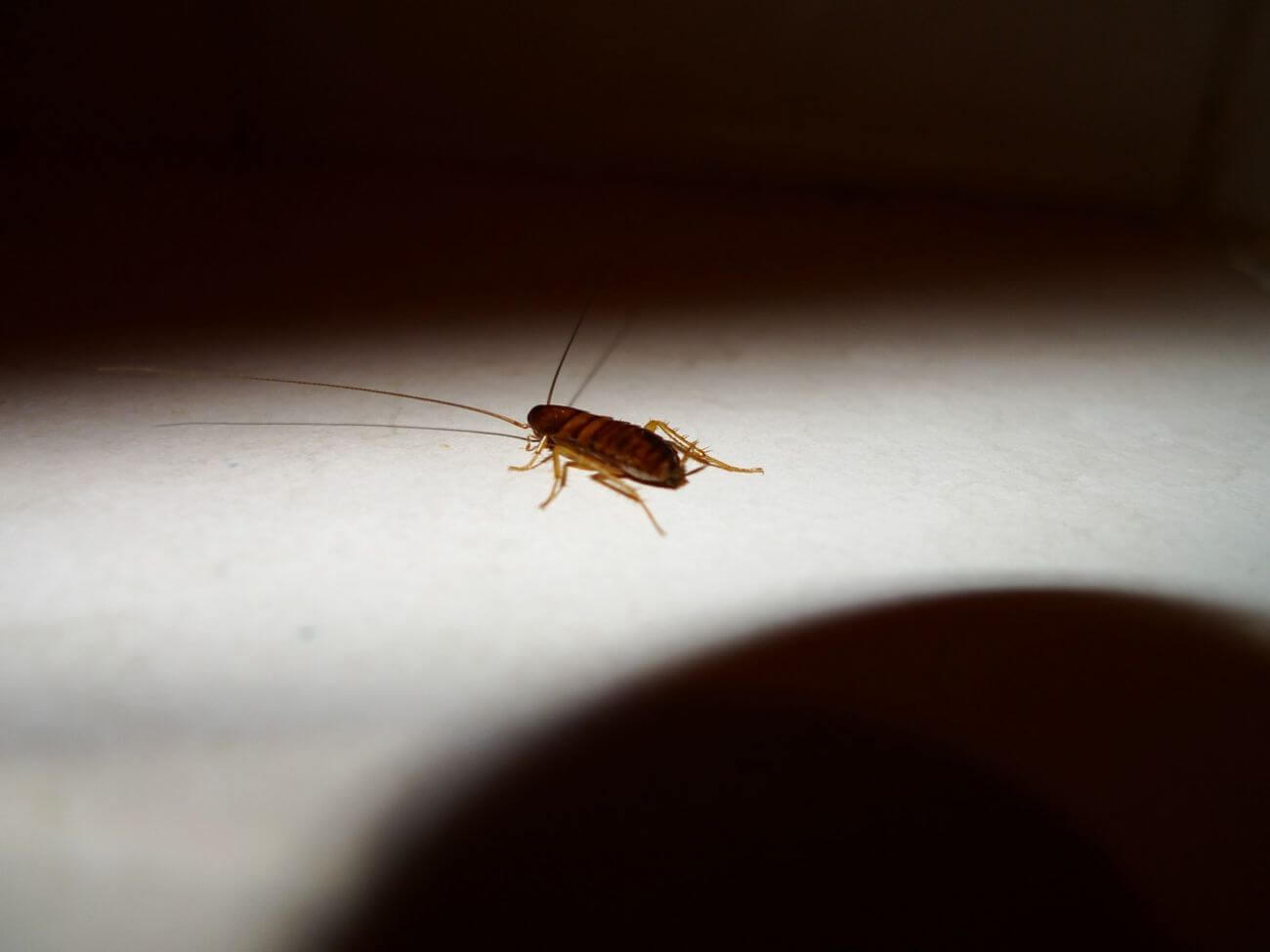

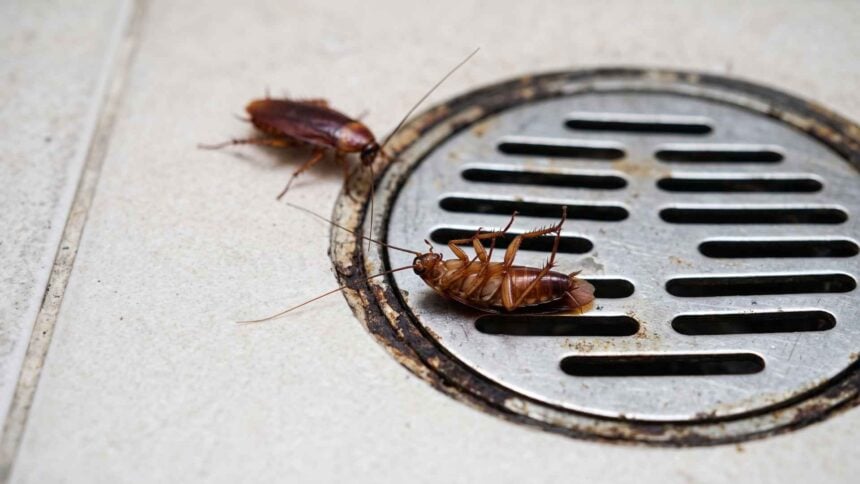
How horrifying it would be to see a cockroach coming out of the drain the moment you step into the bath and turn on the shower. Sounds scary, doesn’t it? You might have gone through that. Yes, to answer your question, it can happen. Cockroaches are attracted to drains because they pretty much provide them with everything they need to thrive: moisture, food debris, shelter, and darkness.
They climb out of the sewer or squeeze through the wall cavity around the plumbing, usually when a drain trap has dried out, or a gap lets them slip past it. If you spot one in your tub, you need to take immediate action before the infestation starts getting worse. Besides, killing one or two roaches that come up through the shower drain doesn’t gonna end the infestation because a whole colony of roaches may be nearby.
We’ll guide you on what pulls them in, how to confirm the source, and the six fixes that shut the route for good and help you get rid of them.
Table of Contents
Key Takeaways
- Cockroaches can travel through plumbing, but a properly maintained, water filled P trap usually blocks their direct route through a drain.
- Gaps around pipes, leaks, and damp hiding places are also common causes of bathroom sightings.
- Drain covers, plumbing repairs, and correctly placed bait can help control roach activity.
- Repeated sightings, droppings, and shed skins may indicate a larger infestation that requires professional attention.
What Attracts Cockroaches to Your Bathroom
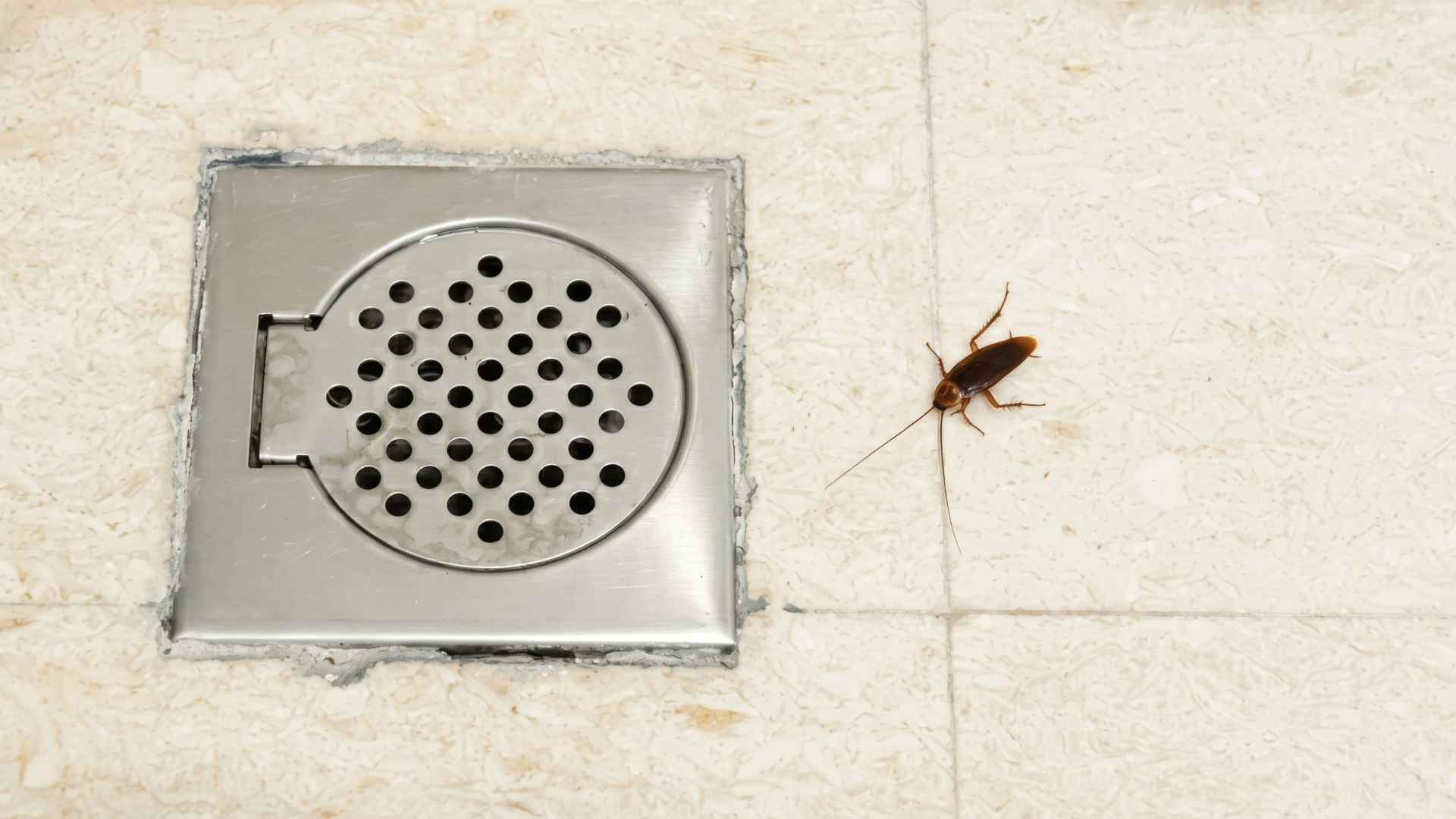
Cockroaches go where water, food, and shelter overlap, and a bathroom supplies all three. Bathroom Moisture keeps pipes damp, and soap scum and hair provide meals. Meanwhile, the dark space behind a tub offers shelter.
You might be surprised by what cockroaches consider food. They can feed on dead skin cells, hair, and the buildup inside drains. However, moisture is often the biggest reason cockroaches enter a bathroom. They need water to survive, which is why sinks, bathtubs, and showers are common places to find them.
How to Confirm That Roaches Are Actually Coming From Your Drain
A cockroach in the shower is a worrying sign that your home could be overrun by a growing pest population. Although it’s possible that the bug somehow wriggled up the drain, that’s not the only possibility. Here are a few things you should do to determine what’s going on.
- Watch where they appear: Pay attention to where you’re finding the roaches. If you consistently see a cockroach in the shower near or around the drain, it might be a good idea to keep an eye on that area. Just because you see one on the bottom of the tub doesn’t mean it came up the drain. It’s possible it just wandered in from somewhere else.
- Check nearby plumbing: Look around the plumbing. Under the sink, around the drain, behind the toilet, along the walls, and in the corners of the shower are all places where it’s possible for cockroaches to get in from outside. Check around the edges of the drain, as well, for any holes or places where cockroach could be sneaking through.
- Look for a pattern: Notice how often they appear. Finding cockroaches in the shower drain area more than once is worth investigating, especially if you also notice a sewer-like smell or problems with drainage. These signs do not confirm a drain infestation, but they may point to an issue that needs a closer look.
- Set monitoring traps: Use sticky traps to track their movement. Place sticky traps along the wall near the vanity or bathroom doorway, where roaches are likely to travel. Keep them out of reach of children and pets. Check the traps regularly to see where activity is most common.

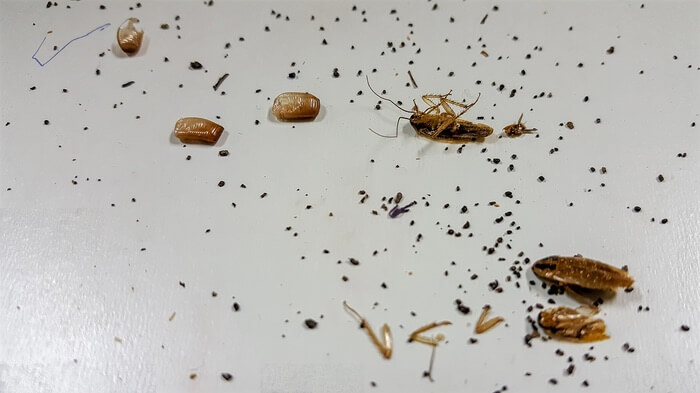
- Look for other evidence: Look for signs beyond the shower. Cockroach droppings, shed skins, or sightings in nearby rooms may indicate a larger problem. If you find these signs in several areas, the drain may not be the only place they are entering from.
How to Prevent And Get Rid Of Cockroaches From Shower Drain
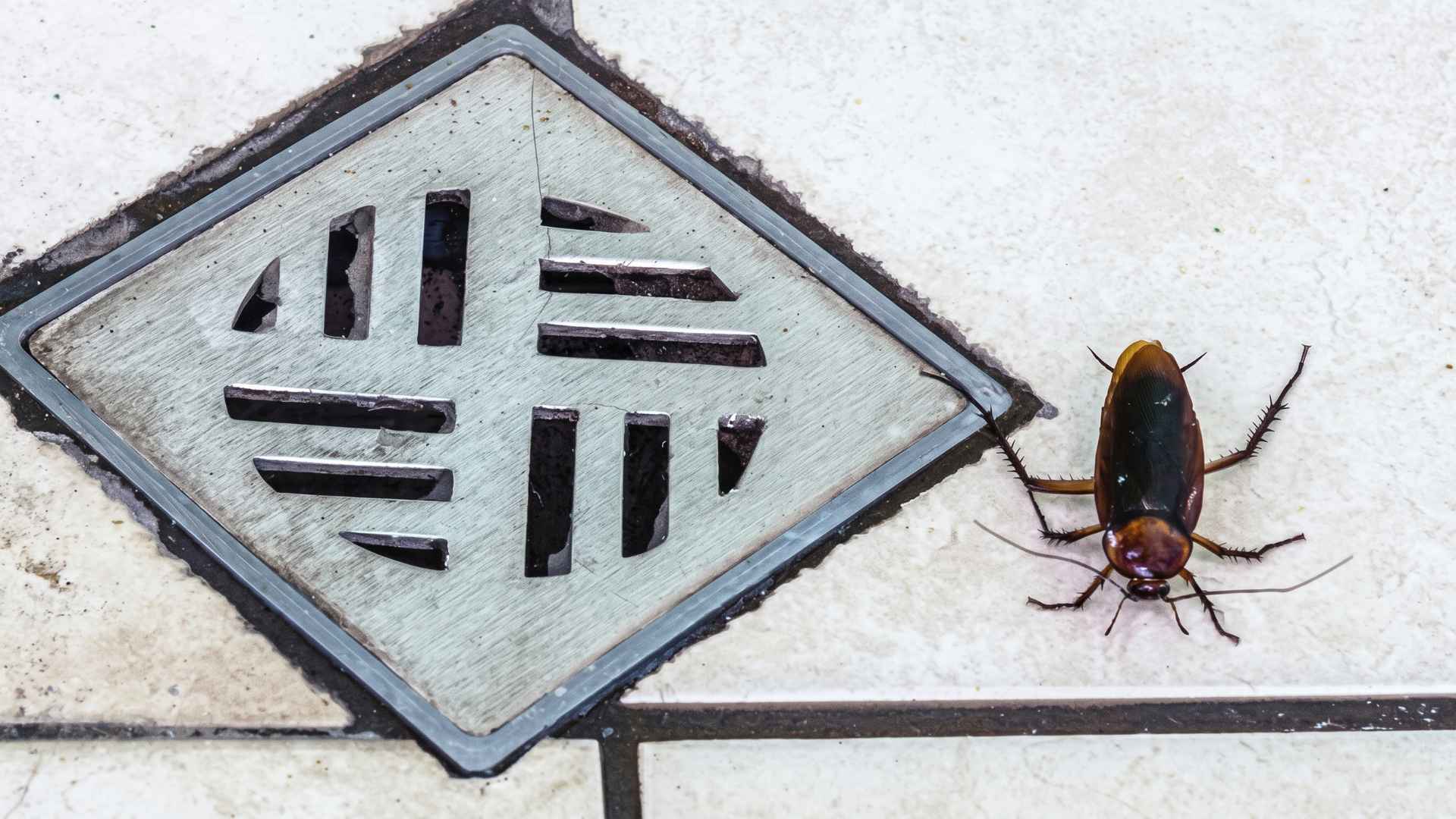
Knowing how to keep cockroaches out of shower drains comes down to three jobs: cut off the water supply, block the physical route and starve the colony. The six fixes below tackle each job. Work through them in order and let each one sit for a few days.
1. Keep the P Trap Filled With Water
The wavy pipe of your shower trap holds a small amount of water, forming a water-sealed barrier between the shower and the sewer. This is called a P-trap. When the water in the trap evaporates, the pipe becomes a passageway for the roaches.
In turn, you will see roaches coming up the bathroom sink drains and over the shower drain on the first floor. The New Mexico Department of Health points to dry traps as a frequent entry route for outdoor roaches.
To prevent this, run water over the trap once a week to keep the trap full. If a shower or bath tub is rarely used, it’s a good idea to run the water periodically. It resets the barrier and stops roaches before they even reach the shower floor.
2. Clear Pipe Slime With a Suitable Drain Cleaner
Slime is the food most people ignore. Hair, soap, and skin cells combine into a film that coat the inside of the pipe, and roaches feast on it throughout the day. A foaming enzyme cleaner clings to the pipe wall and breaks that film down, where plain liquid just runs past it.

Pour the recommended amount in at night, since the drain sits idle then, and leave it until morning. You can repeat this process once a week or for the first month and every two weeks after that.
You should however, skip harsh chemicals sold to kill cockroaches in drain lines. The flow dilutes them within seconds, and strong acids can damage older pipes. Pair the cleaner with a quick rinse of the tub or stall after each shower, since leftover film and standing water bring them back faster than anything else.
3. Put Down Roach Gel Baits Near the Drain
Gel bait is the workhorse of any plan to get rid of cockroaches in the shower drain area. Roaches carry the gel back to their hiding spots, and share it with their colony underneath drains, and eventually the whole colony dies.

To do so, you need to place pea-sized dots along the wall behind the tub, under the vanity, and around the base of the toilet. You should keep gel away from the drain opening itself, though, as water washes it off.
If you destroy one or two roaches that you discover in the drains, a whole colony of roaches may be nearby, and you do not eliminate the problem by killing only the ones you see.
Despite how thorough a cleaning may feel, roaches manage to hide in wall voids for weeks. Use a cockroach trap, if any are already in the house, to track which spots stay busy and refresh the gel there.
4. Block the Entry with a Mesh Drain Cover
Finding cockroaches in shower drain openings at night usually means the pipe has become a doorway, and a physical barrier shuts it. Fit a fine mesh screen over the shower drain so water flows freely and insects stay out.
A rubber or silicone drain cover that seats flat against the floor works well overnight, since roaches are most active after dark. Pick a bathroom drain cover with openings small enough to stop young nymphs, and check that the edges sit snugly.

Adult cockroaches, whether American, German, brown-banded, or black cockroaches, are too big to pass through a fine mesh, though. Nymphs could easily slip through wider holes. Keep the cover on till the morning and lift it off when you have to take a bath.
5. Seal Gaps Around Wall Pipes with Caulk
Roaches that cannot use the drain will test every other opening they could use to pass through. They find a way into hard-to-reach places through the cutouts behind the tub, the spot where supply lines enter the wall, and the gap around the drain pipe under the floor.
Turns out, you also need to seal gaps around pipes with silicone or acrylic latex caulk rated for bathrooms. Clean and dry each spot first, because caulk will not bond to soap film. Fill pipe gaps wider than a pencil with copper mesh or steel wool before you caulk, and smooth the bead with a wet finger.
6. Fix Leaks to Remove Standing Water
Even a tiny plumbing leak gives roaches a reliable drink and a good source of humidity around. Dripping supply lines, a weeping shutoff valve, or a loose drain connection under the tub can keep wood and drywall damp for months.
Roaches seek out water, and they will find it wherever it hides. Repair the dripping faucet promptly, replace worn seals when appropriate, and arrange professional repairs for leaking pipes or damaged shower plumbing. This way, your bathroom will become resistant and eventually help you get rid of roaches.
When Should You Call a Pest Control Professional?
You always have the option to give up the DIY and call a professional, though when to use it actually depends on how severe the cockroach infestation is. If, after trying out everything we talked about above, you are still seeing roach activity not only in the bathroom but in many other parts of the house and in both night and daytime, it’d be better to call a professional pest control company. We recommend Orkin in this regard. Their technicians are quite prompt and have years of experience in roach treatment regardless of how big or low the infestation is.
Frequently Asked Questions (FAQs)
What can I put in my shower drain to kill roaches?
To eliminate a roach infestation in a shower drain, you can use bio-enzymatic drain cleaner. It will dissolve their food source. Alongside, you also need to apply insecticidal foam designed for plumbing voids, and install a fine mesh drain cover to block roaches’ entry point. We absolutely do not recommend using bleach or pouring boiling water down the drain, as they damage pipes and fail to reach deep nests.
Can cockroaches swim up a shower drain?
They can survive underwater for a surprisingly long time and hold their breath, but they rarely swim through a full trap. Most roaches arrive through a dry trap, a leaking connection, or a crack in the line.
Does pouring bleach down the drain keep roaches away?
Bleach runs through the pipe in seconds and rarely reaches the slime where cockroaches hide. It also irritates your eyes and lungs in a closed bathroom and can corrode older pipes. Besides, there are high chances that cockroaches will return once the smell fades. Turns out, it’d be better to skip it and use an enzyme cleaner instead.
Should I cover my shower drain overnight to stop Roaches from coming?
Since most of the cockroaches are nocturnal, they come out during the nighttime. A good snug stopper or mesh cover shuts the opening during their busiest hours. Pull it off in the morning so the pipe can air out and the cover can dry.
Why do I find cockroaches in the shower but nowhere else?
Finding cockroaches in shower drain areas and nowhere else usually points to a plumbing route, such as a dry P-trap or a gap around a pipe. When the kitchen stays clear, the source is almost always the bathroom plumbing.
Will pouring boiling water in the drain get rid of cockroaches?
Boiling water kills the roaches it touches and loosens some grease. It will not reach nests behind the walls, and it can soften PVC joints or crack old porcelain.
Wrapping Up…
Roaches find their way to your bathroom because the plumbing provides a convenient access point plus an ample supply of water. To stop the infestation you simply need to do a few things like filling each trap, cleaning the gunk, covering it up at night, sealing the cracks, and stopping the leak. All these measures work in tandem with one another, so if you leave any out you risk continued sightings of unwanted guests. Bait helps when you want to get rid of cockroaches in the shower drain area quickly, but the prevention steps decide whether the problem stays solved. Roaches in drains are common in bathrooms of every kind, and a spotless home still gets them. Start tonight with a glass of water down every idle drain and a mesh cover on the one you use. Call a professional if sightings continue after two weeks.