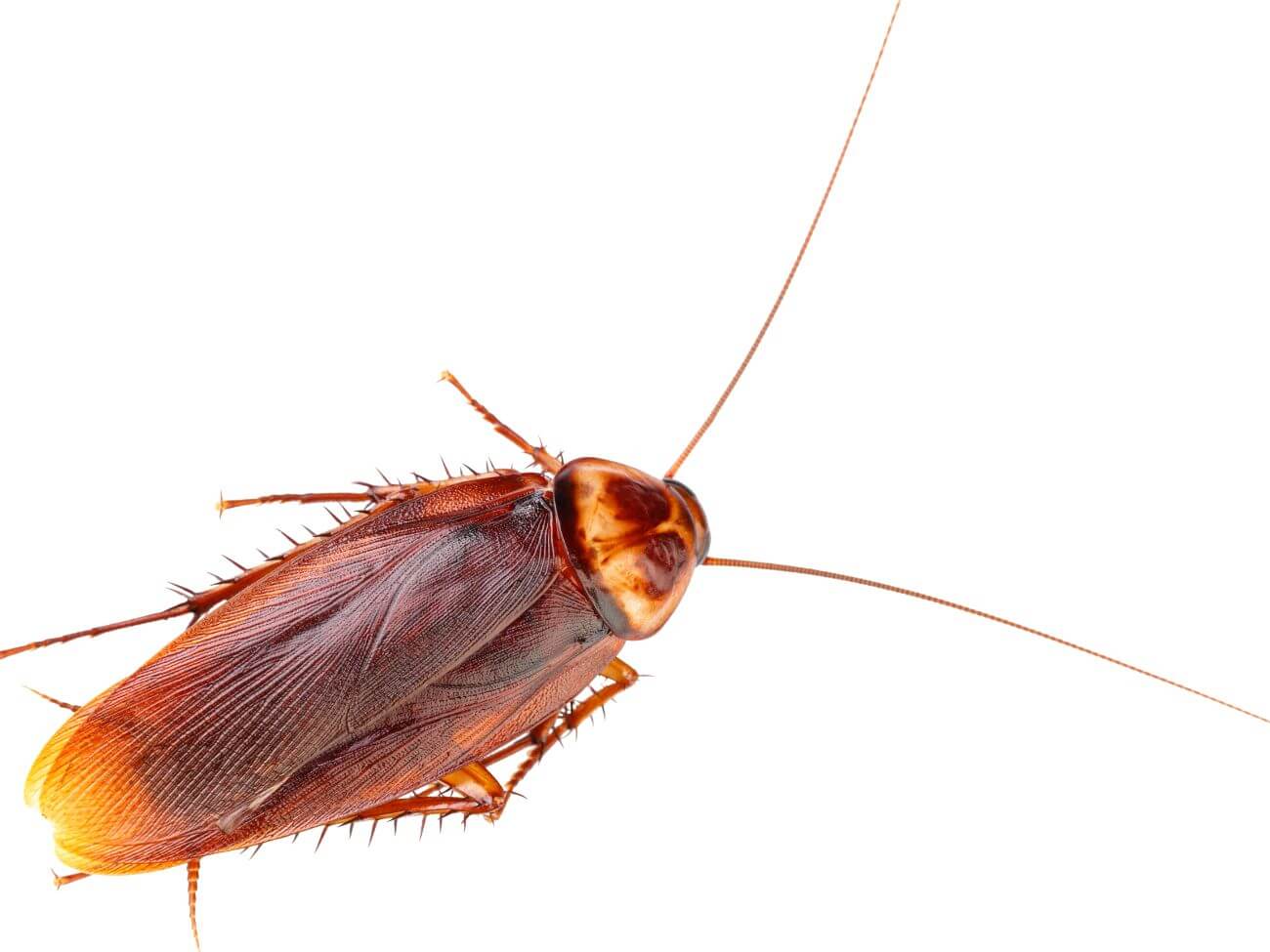

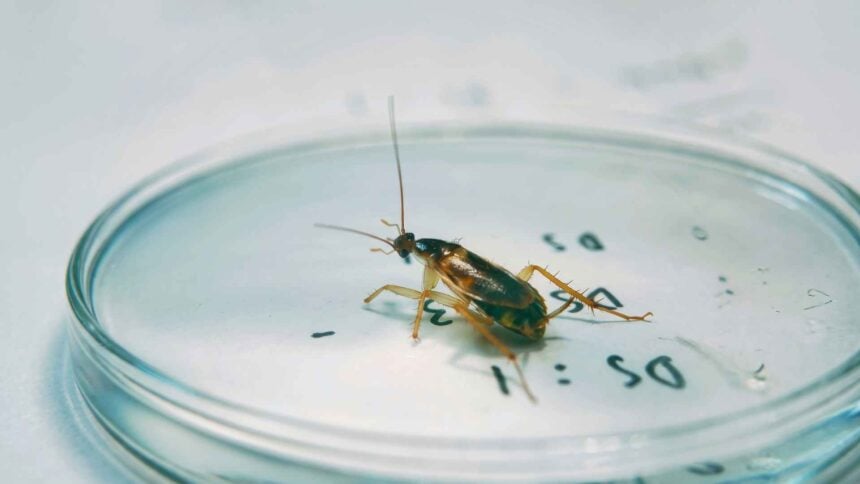
Unfortunately, most homeowners make the same error when they try to get rid of brown banded cockroaches. They treat the kitchen and the bathroom, think that everything is fine and do nothing more.
The difference between brown-banded cockroaches and German cockroaches is in their preference of dry environments and ability to settle anywhere in your home.
Because they can move between different rooms of the house, treatment of just one spot using regular cockroach killer spray won’t help. Even if you manage to get rid of visible roaches, there can be other adults, nymphs (baby cockroaches) and egg cases somewhere else.
Entire elimination of brown banded cockroaches needs a total treatment of the entire house. First of all, you have to find their shelters, eliminate all factors that help them live there, set up gel bait in areas where they travel and feed and apply insect growth regulators to disrupt their breeding process.
We’ll cover how to get rid of brown banded cockroaches, starting with identification, then working through seven methods that target where these roaches actually hide.
Table of Contents
Are Brown Roaches Hard to Get Rid Of?
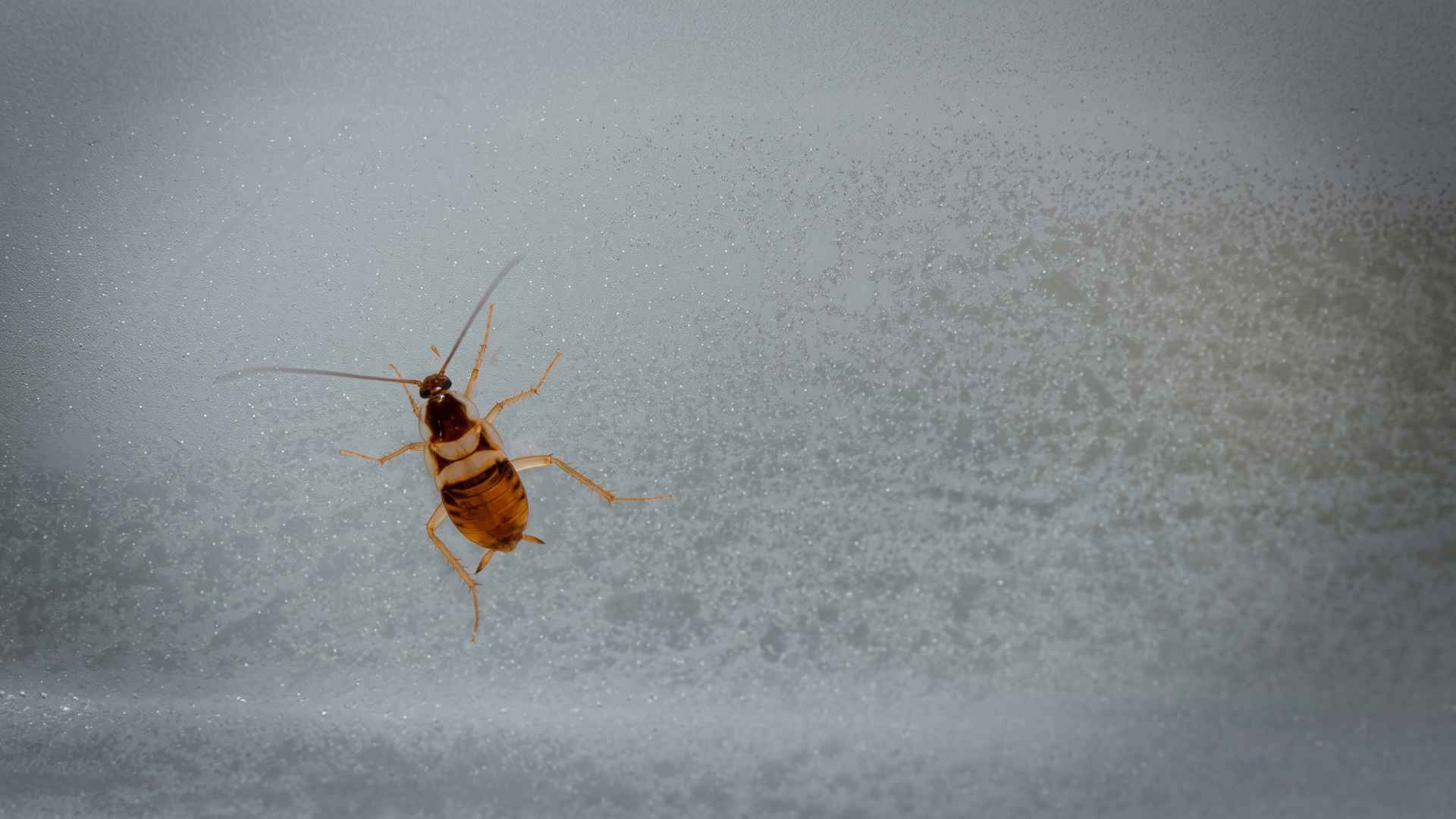
They can be, and the cause is greatly associated with where they decide to settle. Unlike the German cockroaches which stay near moist areas, brown-banded roaches are found all over the house.
You will mostly find them in clothes, in electrical appliances, inside furniture, near ceilings, or in other less visible areas. Turns out, it is very difficult to discover all the hiding places.
Moreover, a brown banded cockroach lays about 14 egg cases during its lifetime, and each one of those will contain 13 to 16 eggs. The roach usually hides such an egg case long before hatching it.
In any case, the brown banded cockroach infestation can develop for several weeks without any adults being found. The good news is that the treatment methods that work on German roaches generally work on brown banded cockroaches as well. That includes gel baits, growth regulators, and sealing entry points.
How to Identify Brown Banded Cockroaches
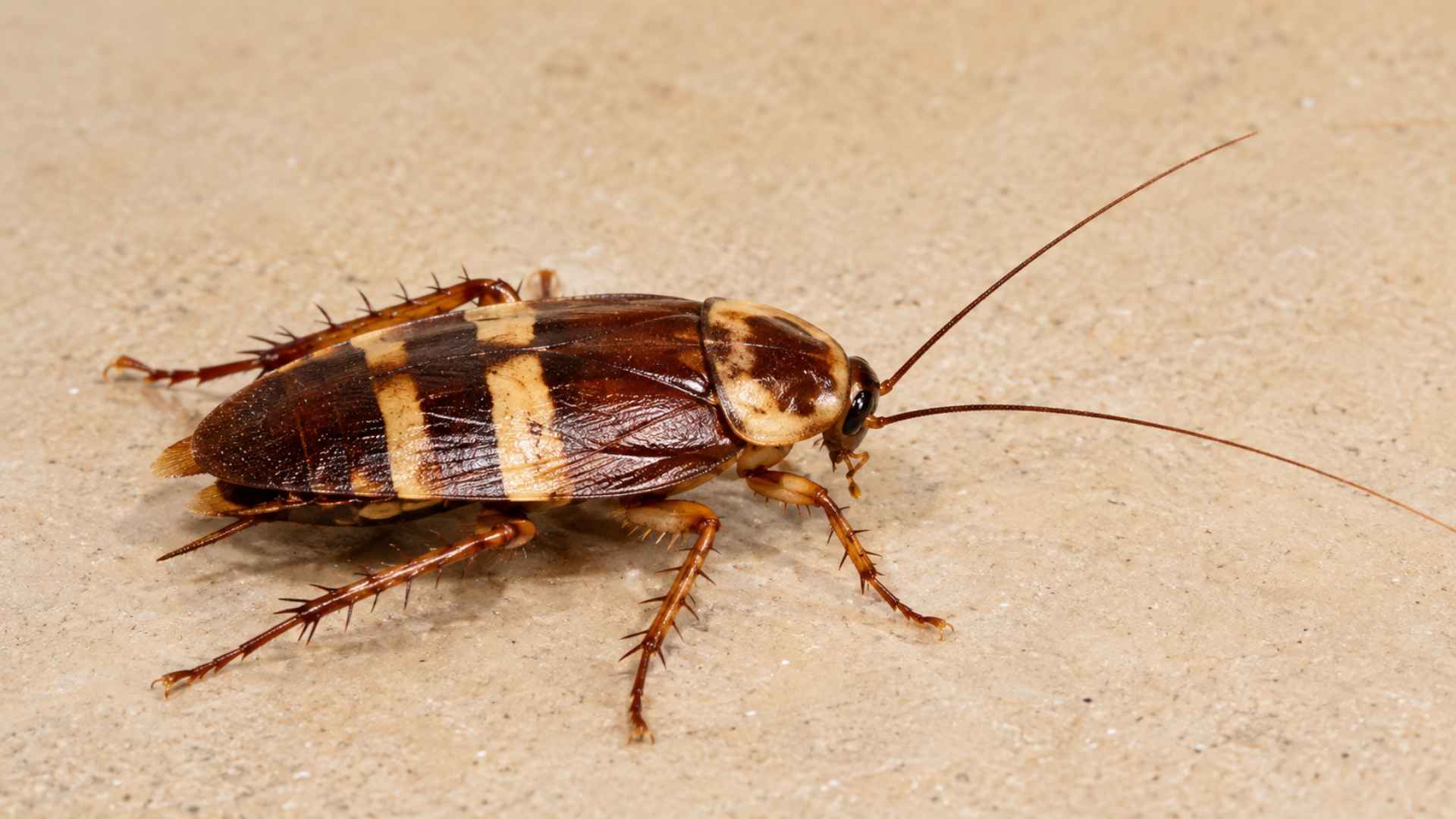
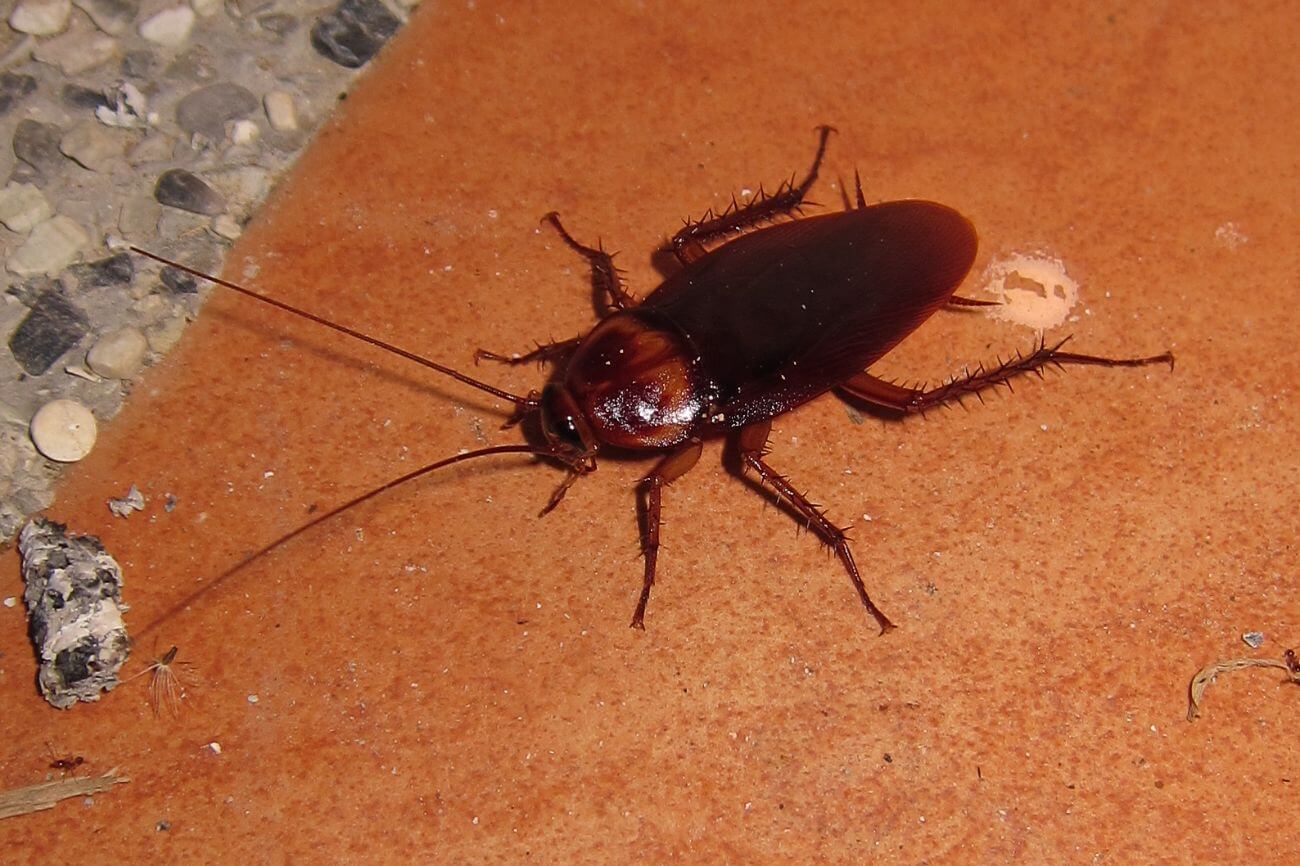
To not assume they are german cockroaches you really need to know how brown banded roaches differ from german roaches.
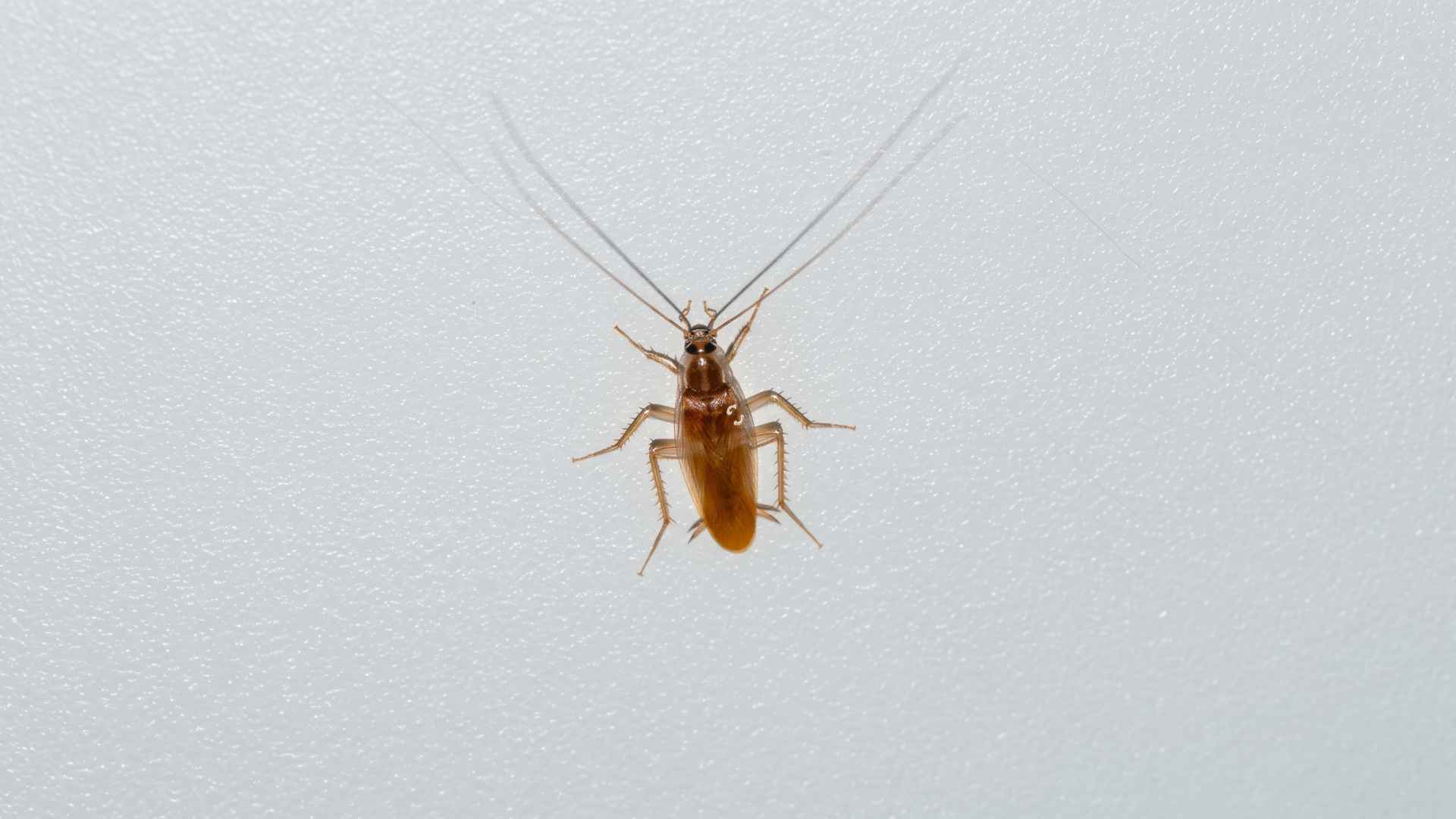
Brown banded cockroach adults are about ½ an inch in size with a body coloration of light brown or tan. There are two bands which are lighter and irregular shaped on the wings and abdomen of the brown banded cockroaches and are more distinct on male cockroaches.
Just behind the head, the pronotum carries a dark marking with a shape that resembles a bell, surrounded by a lighter edge. Both sexes develop wings, although only males can fly. Female wings are shorter and do not cover the entire abdomen.
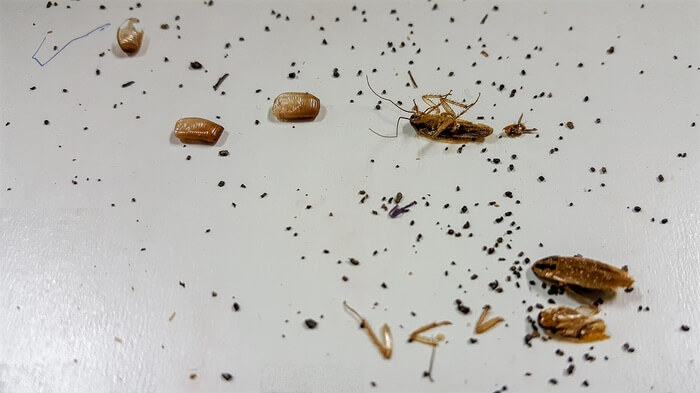
Young brown banded roaches are much harder to detect as they are very tiny and wingless, however the bands will still be present. Brown banded cockroach droppings are black and look like ink streaks. Their egg capsules are under a quarter inch long, yellowish tan, and often hidden inside cracks or other protected spaces.
7 Best Ways to Get Rid of Brown Banded Cockroaches
Step 1: Reduce Brown Banded Cockroach Harborages
The harborage area is simply any place where the cockroach can hide itself in a dark spot during the day. The clutter, stacks of boxes, stacks of papers, all offer a suitable breeding ground for brown banded cockroaches.
Eliminate cardboard and newspaper debris, or any item that has been sitting in one corner untouched for months. Use a vacuum cleaner throughout closets, behind furniture, and baseboards to get rid of both the live cockroaches and their egg cases.
While harborage reduction alone is not enough to clear an infestation, it will make every step on the list significantly more efficient due to the fact that fewer hiding spots mean a faster effect of other methods like bait and traps.
Step 2: Seal Cracks and Cockroach Entry Points
Cracks are more effective not only in preventing cockroaches from entering through the exterior but also blocking the secret ways of movement of roaches in the cavities of the walls and moving from room to room.
Look for openings at the level of the baseboards, holes in pipes and other visible joints where trim meets drywall. Don’t forget to check electrical outlets and switch plates too, if you have found any brown banded cockroaches traces near them. These tiny openings lead right into the wall voids.
This step becomes even more helpful when dealing with brown banded cockroaches, because unlike German roaches, they don’t depend much on moisture. Brown banded cockroaches prefer dry places like wall voids, cabinets, furniture and other protected places. One opening is enough for them to access different parts of the house.
Step 3: Use Sticky Traps to Locate Cockroach Activity
The reason why sticky traps can be very helpful in your case is that they can help detect where the roaches are active. Stick them under chairs, tables, dressers, in closets, and around appliance motors, like the motor of your fridge.

You will probably need to use traps in more than one room at first because brown banded cockroaches are not always found where you might expect them.
Check traps regularly to get an idea about their tarry. It’s obvious that they will help you map out rooms where there is actual activity.
Step 4: Apply Targeted Gel Baits
Gel bait for roaches continues to be one of the most efficient means against a brown banded cockroach outbreak, and Advion, the bait that is effective in getting rid of German roaches, does an equally good job despite differences in the behavior of roaches.

Put small amounts of gel bait in the same locations where you have found sticky traps, in cabinets’ corners, behind appliances, along baseboards next to where roaches are likely hiding.
They eat gel bait and transfer it to other roaches during grooming and contact. In this way, even a population that cannot be sprayed directly with insecticide is affected through a hidden channel. Do not put insecticides near places where you place your bait since this may drive roaches away from the bait.
Step 5: Use an Insect Growth Regulator (IGR)
An IGR does not kill the adult roaches directly. It affects the hormone-related process necessary for the molting of the nymph stage into a reproducing adult stage.
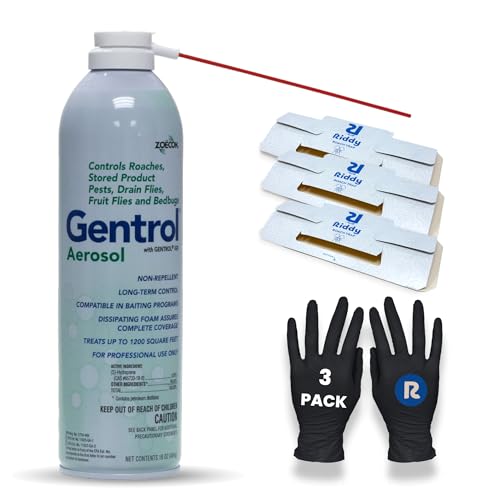
Thus, instead of killing off some of the brown banded roaches that you see now, it stops reproduction.
By placing the IGR in conjunction with the gel bait around the baseboards and cabinet interiors, both of their effects come into play at the same time.
Step 6: Apply Boric Acid or Desiccant Dust to Protected Areas
In contrast to the gel or the insect growth regulator, the boric acid affects both the exoskeleton of the pest as well as its digestive tract on contact. What is more, the cockroach does not have to search for it and consume it.
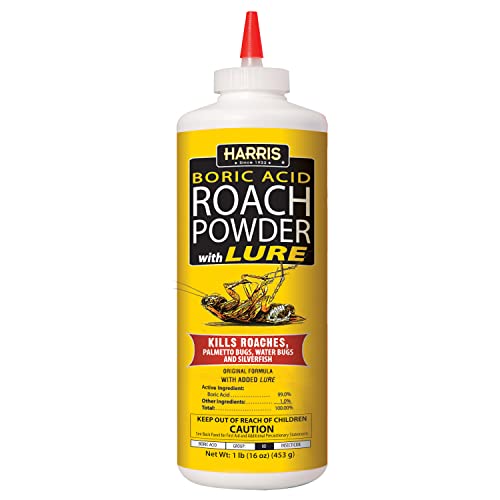
As for the brown banded roaches, a bit of the powder applied in wall voids, crevices, and behind electrical outlets can cover spots that are used by the insects.
The dust should be placed in areas that are out of reach for the kids and pets. The large heaps should not be left exposed since they could get into touch with anyone.
A thin layer is usually the better approach anyway. Large piles can be easy for brown banded cockroaches to avoid, while a light coating is more likely to stick to their legs as they move through the treated area.
Step 7: Monitor the Infestation and Repeat Treatment
As each female lays many egg capsules in a period ranging from 90 to 270 days of her life, one treatment will hardly be enough for getting rid of brown-banded cockroaches.
Check the sticky traps every week, observe if there is any decrease in the number of the roaches in certain rooms, and repeat baiting in the places where sticky traps have caught any insects.
Egg cases hidden in a crack you missed during initial cleanup can still hatch weeks after your main treatment, so ongoing monitoring for at least a couple months after visible activity drops is what actually confirms the infestation is gone.
Where Do Brown Banded Cockroaches Hide?
- Furniture drawers and cabinets
- Upholstered furniture (sofas and chairs)
- Inside electronics (TVs, gaming consoles, and routers)
- High ceilings and upper walls
- Behind picture frames and wall decor
- Closets and pantries
- Near refrigerator motors
- Behind light switch plates and outlet covers
- Inside cardboard storage boxes
- Along curtain rods and high doorframes
Brown banded roaches are easier to inspect for at night, since they scatter and run when a light switches on, though occasional daytime sightings do happen once a population has grown pretty huge enough that hiding spots start running out.
How Long Does It Take to Get Rid of Brown Banded Cockroaches?
Most brown banded cockroach infestations take somewhere between 10 to 12 weeks to fully resolve, largely dictated by the roach’s own life cycle. Egg capsules incubate for 37 to 103 days before hatching, and nymphs need three to seven months to reach adulthood depending on temperature.
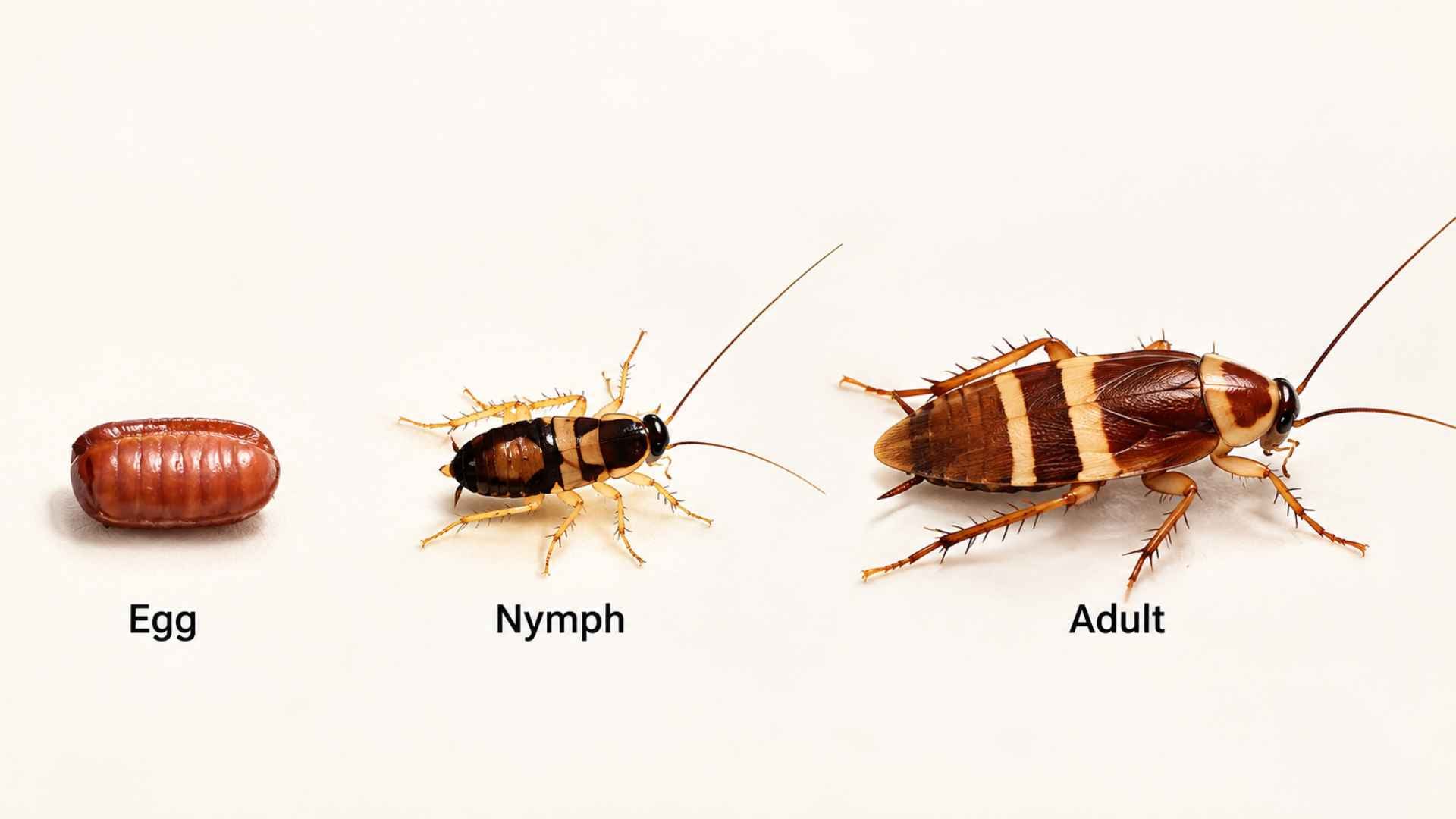
That overlap means visible activity can drop within the first couple weeks of treatment while hidden egg cases are still waiting to hatch weeks later. Consistent monitoring and repeated bait application throughout this window will help you get rid of them safely.
When to Call a Professional Pest Control Company
If sticky traps keep showing activity across multiple rooms despite weeks of bait and sealing, or if you’re finding egg cases in spots you can’t safely reach yourself, bringing in professional help makes sense.
Orkin has extensive experience treating brown banded cockroach infestations specifically, understanding where these insects hide that differs meaningfully from German or American cockroach behavior.
Their trained technician can access wall voids, electrical panels, and structural gaps that a homeowner typically can’t reach safely, and a professional treatment plan often combines targeted baiting with growth regulators in a sequence calibrated to the roach’s actual life cycle.
Frequently Asked Questions (FAQs)
What is the fastest way to get rid of brown banded cockroaches?
Combining gel bait with an insect growth regulator produces the fastest meaningful reduction, since bait addresses visible adults while the IGR prevents nymphs from maturing into the next breeding generation.
Why do I have brown-banded roaches in my house?
These pests usually come in hiding in used furniture, appliances, or cardboard boxes from somewhere else, because that’s how they are usually moved around, not by coming from outside. After that, the warmth and dryness found all over the house gives them a chance to settle down without any water nearby.
What kills brown-banded cockroaches?
Gel baits containing indoxacarb or similar active ingredients, boric acid applied to protected cracks, and insect growth regulators all work effectively. The combination of bait plus IGR tends to outperform any single method used alone to get rid of brown banded cockroaches.
How long do brown-banded roaches live?
Adults typically live anywhere from 130 to 315 days, with an average lifespan landing around 200 days. During that stretch, a single female can produce hundreds of offspring across multiple egg capsules.
Wrapping Up…
Clearing out a brown banded cockroach infestation comes down to understanding that these roaches behave differently than the German cockroaches most pest advice is written for. They spread throughout an entire home rather than sticking to the kitchen, hide in furniture and electronics rather than under sinks, and lay eggs in places most people never think to check. Reducing clutter, sealing entry points, and combining gel bait with an insect growth regulator addresses the infestation at every stage of its life cycle, while consistent monitoring over several weeks confirms the job is actually finished rather than just temporarily quiet.