
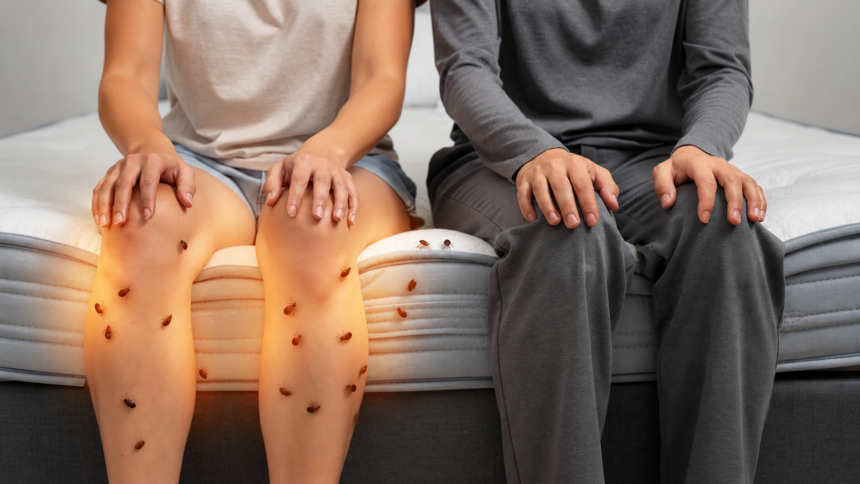
Two people can sleep in the exact same bed, and only one wakes up covered in bites. That mismatch confuses almost everyone dealing with a bed bug problem for the first time, and it raises a fair question, what attracts bed bugs to one person over someone sleeping right next to them. The short answer involves body chemistry, sleep position, and a few other factors that have nothing to do with cleanliness or personal habits.
We will let you know exactly why do bed bugs bite some people more than others, what the actual science says about attraction, and which popular explanations turn out to be myths. Knowing the real reasons behind this pattern also makes bed bug prevention and bed bug treatment a lot more effective.
Table of Contents
What Are Bed Bugs and Do They Really Prefer Certain People?
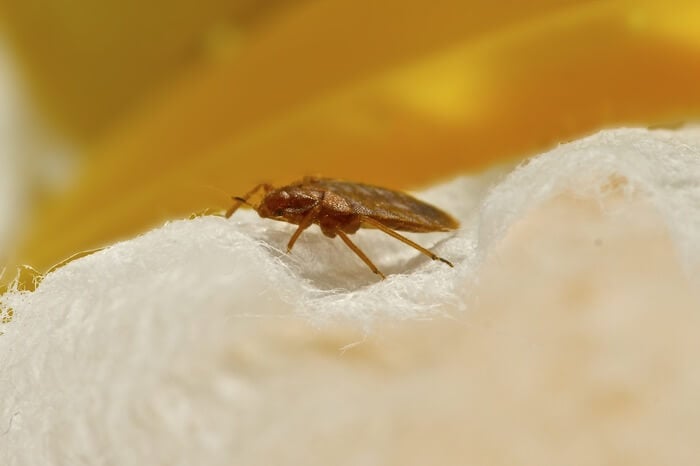
Bed bugs are small, flat, oval shaped insects, usually reddish brown and about 1 to 7 millimeters in size depending on their life stage and how recently they fed. They are nocturnal by nature, hiding in mattresses, bed frames, and furniture during the day, then coming out to feed once a room goes quiet.
As for whether bed bugs attracted to certain people more than others is actually true, research says yes, though not for the reasons most people assume. It comes down to measurable biological signals and has nothing to do with how clean or tidy someone happens to be.
What Attracts Bed Bugs to One Person More Than Another?
A handful of overlapping factors explain what attracts bed bugs to one person more than the person sleeping right beside them, and most of it comes down to biology.
Proximity and Accessibility
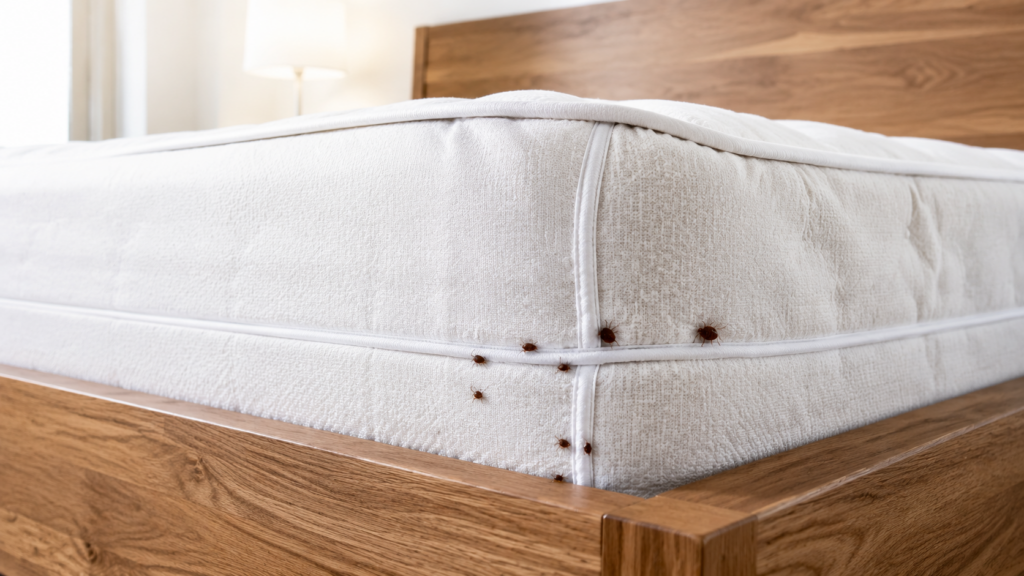
Bed bugs are not picky about who they bite, they are picky about who is closest and easiest to reach. Someone sleeping nearer to a mattress seam, bed frame joint, or headboard where bed bugs hide is simply more likely to be bitten first, regardless of any biological factor. That single detail goes a long way toward explaining why bed bugs bite certain people first in a shared room, before any other factor even comes into play.
Carbon Dioxide You Exhale
Carbon dioxide is the single strongest signal bed bugs use to locate a host. A study published through the Journal of Medical Entomology using pitfall traps found that bed bugs were significantly more attracted to carbon dioxide than to heat alone when both were tested as standalone lures.
People who naturally exhale more carbon dioxide, often due to a larger body size or a faster metabolism, tend to draw more attention from nearby bed bugs simply because that signal is stronger and easier to track.
Skin Temperature and Body Odor
Body heat works alongside carbon dioxide as a second major attractant, helping bed bugs zero in once they’re already close. Warmer skin reads as a more promising blood meal, and specific compounds in sweat, body odor, and skin bacteria add another layer of signal on top of that. Bed bugs are essentially following the chemical signature of a sleeping host, and someone who runs warm or sweats more during sleep gives off a stronger version of that signature.
Skin Thickness and Blood Vessel Proximity
Thinner skin with blood vessels sitting closer to the surface makes feeding easier and faster for a bed bug, which may explain why some people get bitten more consistently than others sharing the same bed. This ties loosely into the often asked question of whether do bed bugs like a certain type of blood, and the honest answer is that evidence for a strong blood type preference remains thin and largely anecdotal. Bed bugs are opportunistic feeders first, they will feed on whatever warm blooded host is closest and easiest to reach, regardless of blood type.
Individual Reactions to Bites
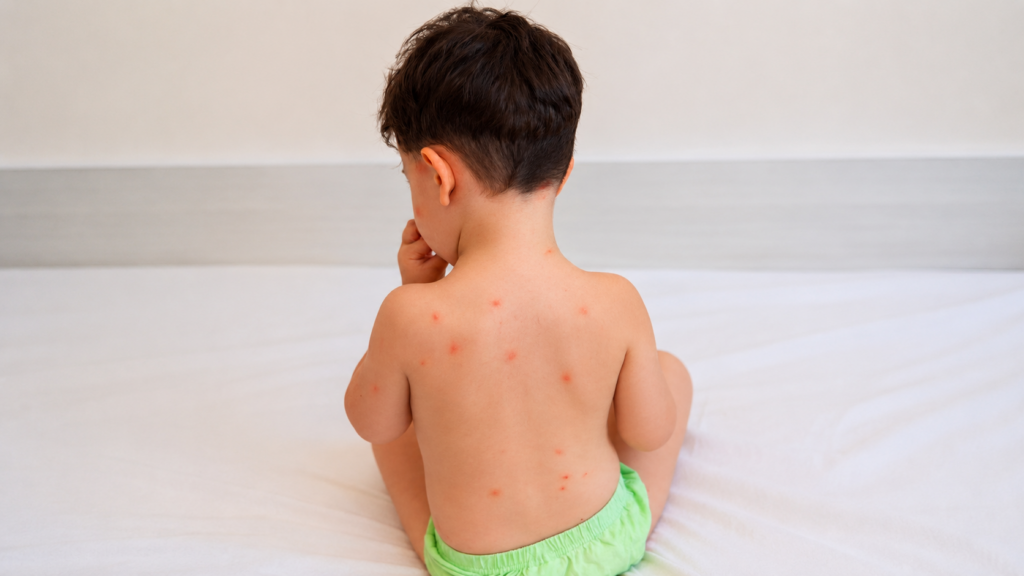
Some of the apparent difference in who gets bitten more actually comes down to who reacts more visibly rather than who gets bitten more often. Individual reactions to bites vary enormously, some people have stronger allergic reactions and develop raised, itchy welts within hours, while others show no visible mark at all despite being bitten just as frequently. That mismatch alone explains a lot of the confusion in households where only one person seems to be affected.
Sweat and Physical Activity
Sleeping habits and physical activity before bed both raise body temperature and sweat production, making a person a more noticeable target overnight. Someone who exercised in the evening or simply runs warmer naturally tends to give off a stronger heat and scent signal than someone who stayed cool and still all night.
Sleeping Location
Where someone sleeps within a shared bed matters more than most people realize. Bed bugs generally feed undisturbed, and when two people sleep in the same bed, they will often choose the person who sleeps still over someone who tosses and turns throughout the night, since movement disrupts feeding and sends bed bugs retreating back to their hiding spot.
Bed Bug Population Size
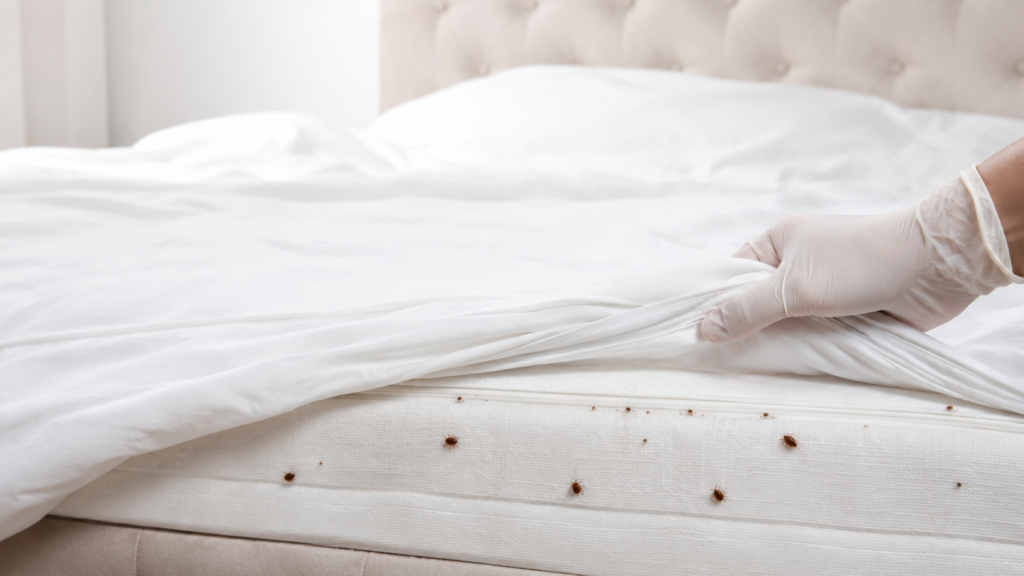
In a small, early stage bed bug infestation, bites might genuinely concentrate on just one person simply because there are not yet enough bed bugs to spread bites evenly across a household. As a population grows, bites tend to become more evenly distributed, which is often why a problem that once seemed isolated to one person eventually starts affecting everyone in the home.
Why Doesn’t Everyone React the Same to Bed Bug Bites?
This is really the other half of why do bed bugs bite some people more than another in appearance, even when the actual biting is happening at a similar rate across a household.
- Allergic Reactions Vary: Some people have stronger allergic reactions to bed bug saliva, producing larger, more inflamed welts, while others show a much milder response to the exact same bite.
- Some People Show No Bite Marks: A portion of the population simply does not react visibly at all, which can create the false impression that bed bugs are avoiding them entirely.
- Delayed Skin Reactions: Bite marks do not always show up right away, sometimes taking several days to appear, which makes it hard to connect a new mark to the actual night it happened.
- Misidentifying Other Insect Bites: Mosquito bites, flea bites, and mild skin irritation all get mistaken for bed bug activity regularly, muddying the picture even further when trying to track real patterns.
Common Myths About Bed Bug Attraction
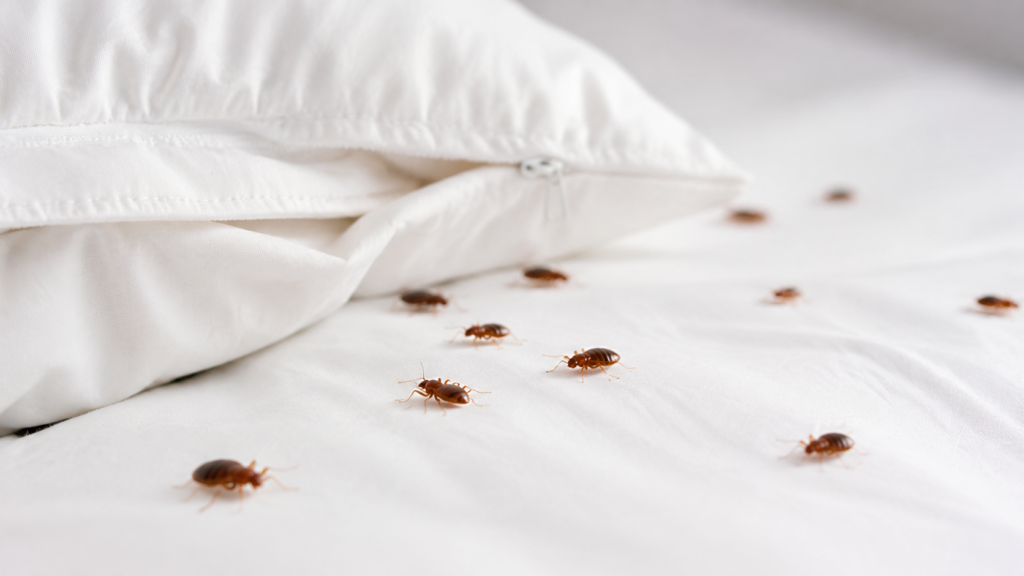
A lot of confusion around bed bug bites comes from persistent myths that have little basis in actual research.
- Bed Bugs Prefer Dirty People: Cleanliness has nothing to do with it, bed bugs respond to carbon dioxide and body heat, not hygiene.
- Bed Bugs Only Bite One Person: A single victim in early stages is common, but this pattern of bed bugs attracted to certain people rarely lasts, since the whole household typically becomes affected as the population grows.
- Certain Foods Attract Bed Bugs: No food or drink changes body scent enough to meaningfully influence bed bug attraction, so that garlic heavy dinner ain’t the reason you got bitten.
- Blood Type Alone Determines Who Gets Bitten: Blood type plays, at most, a minor role that gets far more attention online than the actual research supports.
- Bed Bugs Only Live in Dirty Homes: Bed bugs hitchhike into any environment through luggage, furniture, and clothing, often going unnoticed until an infestation is already established, regardless of how clean a home is.
How to Reduce Your Chances of Bed Bug Bites
A few consistent pest control tips make a real difference in bite prevention and general mattress care, regardless of which factors make you personally more appealing to bed bugs.
- Inspect your mattress regularly
- Use certified bed bug mattress encasements
- Wash bedding in hot water
- Reduce bedroom clutter
- Vacuum frequently
- Seal cracks and crevices
- Monitor with bed bug interceptors
When to Call a Professional Pest Control Company
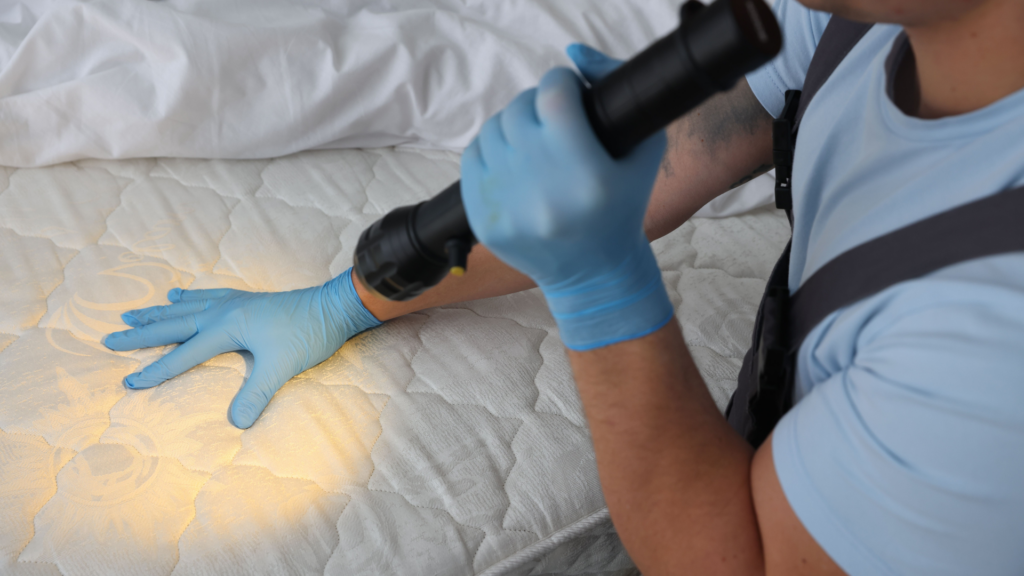
Once bites start showing up regularly, or once actual bed bugs are spotted rather than just suspected, home remedies alone rarely solve the problem completely, and professional pest control usually becomes the more reliable path forward. Orkin brings real experience in bed bug control, using trained technicians who can locate hiding spots most homeowners would never think to check, then apply targeted bed bug treatment that addresses the whole population rather than just the individuals doing the most biting. A DIY approach might knock back visible activity temporarily, but a lingering infestation almost always resurfaces without professional grade treatment. For anyone serious about getting rid of bed bugs for good, working with a trusted name like Orkin usually solves the problem completely.
Frequently Asked Questions (FAQs)
Why do bed bugs bite one person but not another?
Proximity to hiding spots, carbon dioxide output, body heat, and how still someone sleeps all play a role. It rarely comes down to a single factor, more often it’s a combination working together.
Why doesn’t my partner get bed bug bites?
They may be getting bitten just as often but simply not reacting visibly, since a portion of people show no skin response at all. Sleep position and proximity to the bed’s hiding spots also factor in heavily.
Can I stop bed bugs from biting me?
Complete prevention is difficult once an infestation is active nearby, though inspecting mattresses regularly, washing bedding in hot water, and using a certified encasement all reduce exposure significantly.
Wrapping Up…
Figuring out why some people get bitten more than others usually comes down to a mix of carbon dioxide output, body heat, sleep position, and how visibly someone reacts to a bite, not cleanliness or bad habits. Bed bug behavior follows biology, not judgment, so there is no need to feel singled out if you’re the one waking up with bites while everyone else in the house seems fine. Focus on real prevention, regular inspection, hot water washing, and sealed entry points, and if the problem persists, bring in a professional who can address the source directly rather than just the symptoms.