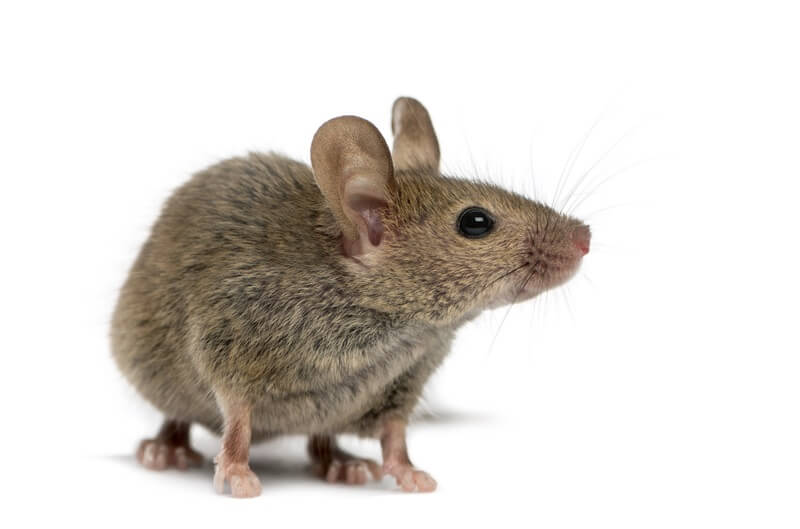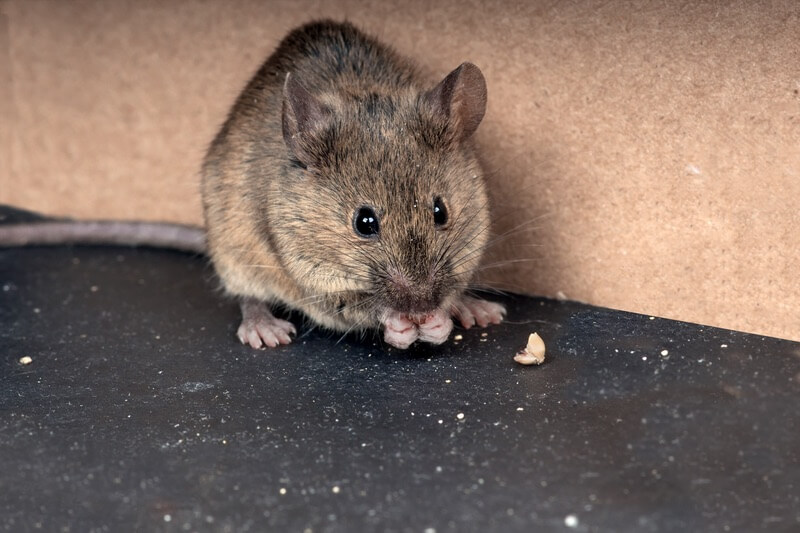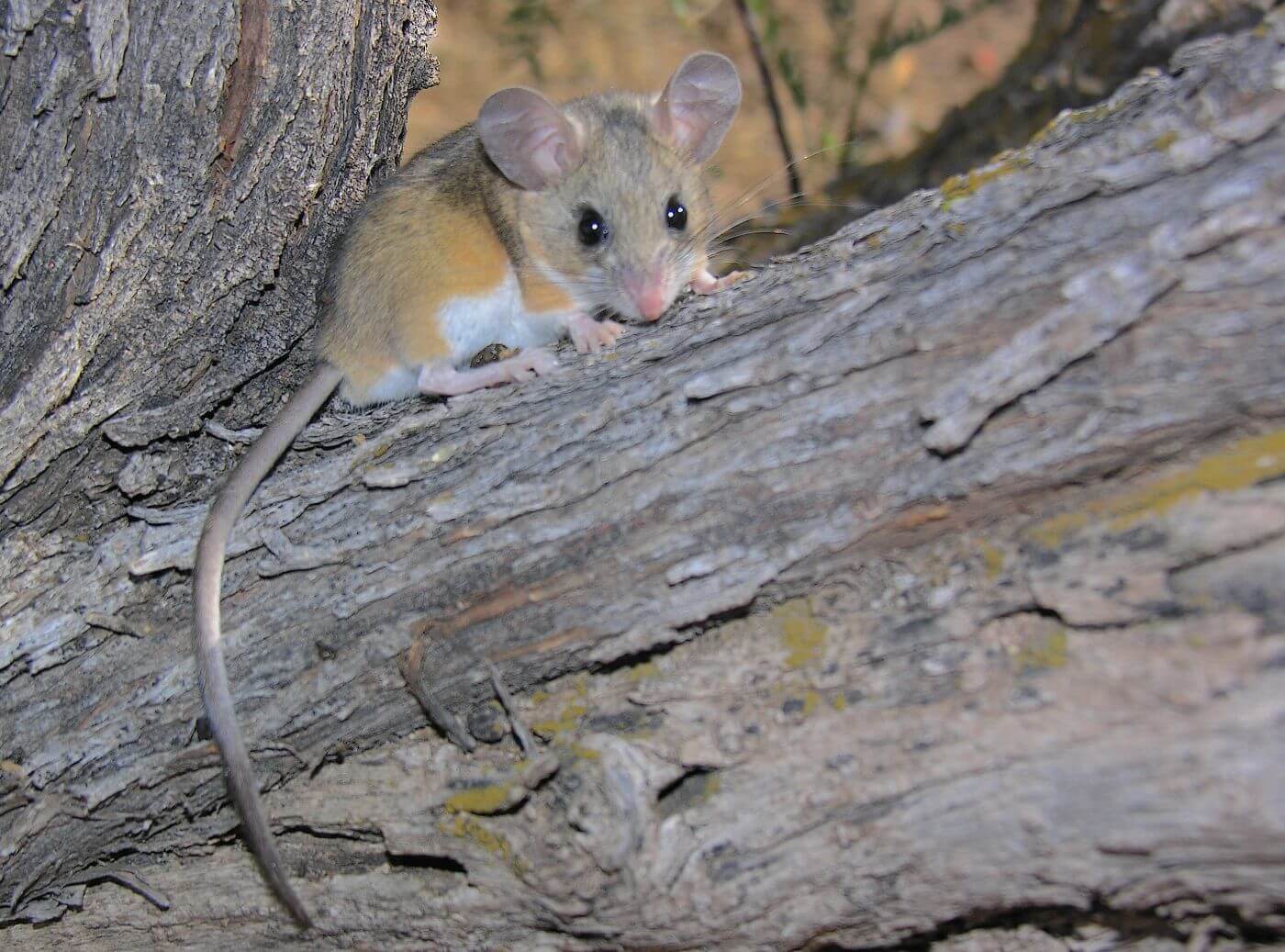

Approximately 21 million homes in the U.S. are invaded by rodents every winter, particularly between October and February, as reported by FOX Weather and PestWorld.
This statistic is quite a wake-up call for homeowners who think a small hole in the baseboard is no big deal. When temperatures drop, these tiny intruders head indoors to find warmth and food, often bringing a host of problems with them.
While most people worry about chewed wires or ruined pantry snacks, a much more personal concern often comes up when someone spots a furry intruder. Many people find themselves wondering about the physical danger these critters pose, specifically whether a house mice bite is something they need to worry about during a midnight trip to the kitchen. Keep scrolling!
Table of Contents
Do House Mice Bite Humans? The Truth

The short answer is yes, a house mice bite can happen, but it is not nearly as common as you might think. Mice are naturally shy and would much rather run away from you than stand their ground.
They do not hunt people, and they certainly do not see us as food. Usually, when a mouse bite humans, it is because the animal felt cornered or was handled directly. If you try to pick one up with your bare hands or corner it in a closet to take it out of the house, it will likely nip at you as a last resort for self-defense.
They are not aggressive, though their teeth are incredibly sharp and designed for gnawing through tough materials like wood and plastic. This means that even a quick defensive strike can break the skin.
Most cases where do house mice bite humans occur while people are sleeping or when someone accidentally sticks their hand into a nest located in a dark attic or basement. In these moments, the mouse is startled and reacts on instinct rather than malice.
What Does a House Mouse Bite Look Like? Symptoms
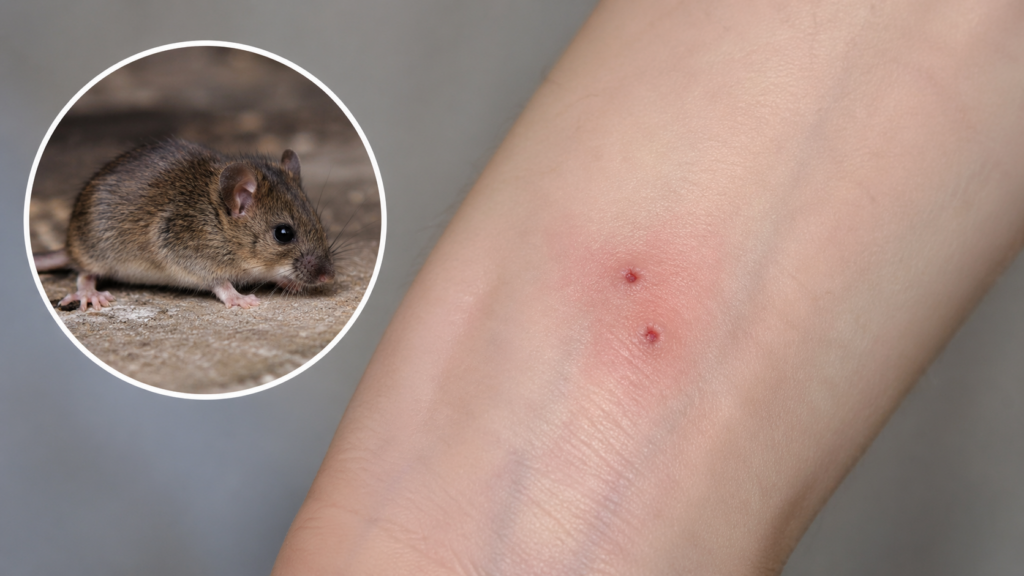
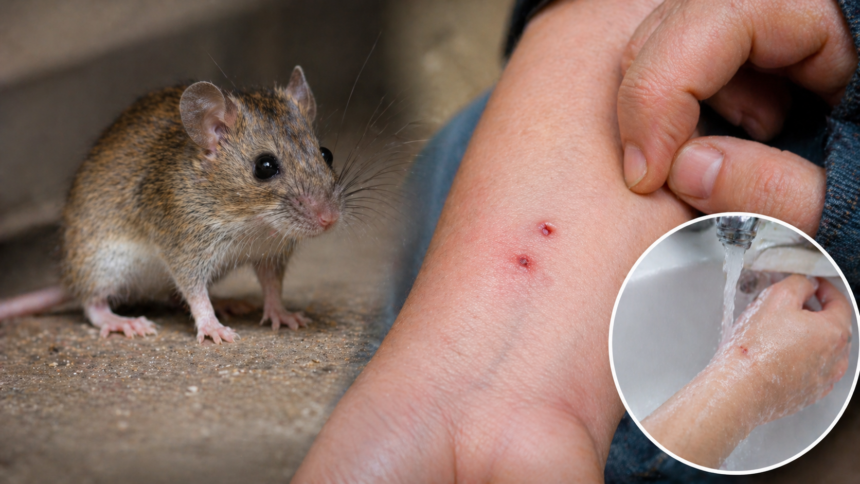
If you have been nipped, you will likely know it immediately because of the sharp, stinging sensation. Because mice have small mouths, the marks left behind are often tiny, but they can be deep. Here are the common house mouse bite symptoms to look for:
- Puncture Marks: You will typically see one or two small, red puncture wounds that resemble tiny pinpricks.
- Minor Bleeding: Because their teeth are sharp, the wound will usually bleed at least a little bit right after the incident.
- Redness and Swelling: The area around the bite might turn pink or red and feel slightly tender to the touch.
- Itching: As the wound begins to heal, it may feel itchy, similar to a mosquito bite or a small scratch.
- Bruising: In some cases, a small amount of bruising can occur around the site if the mouse bit down with significant force.
Can Mouse Bites Make You Sick?
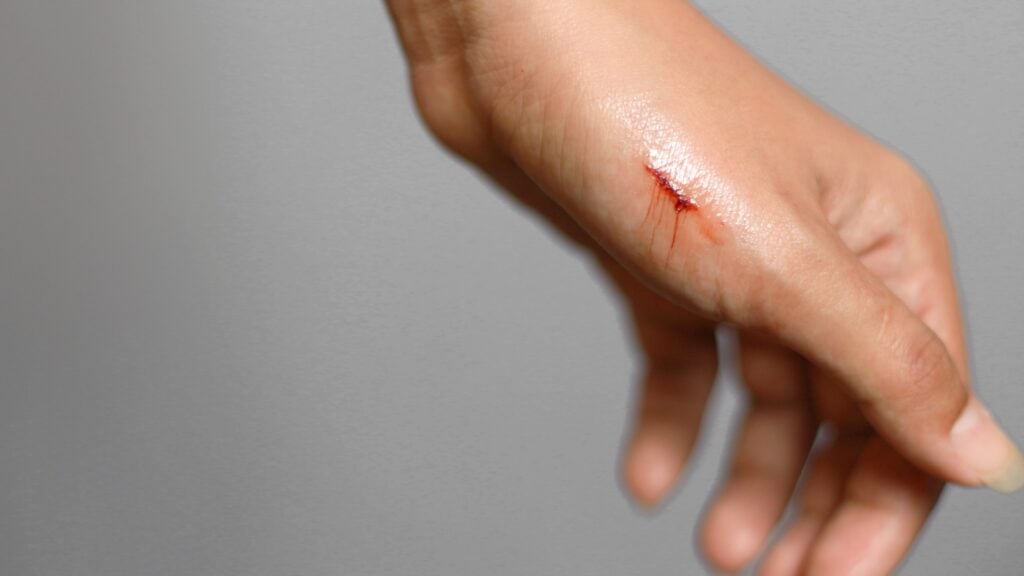
Even if the wound looks small and harmless, you should never ignore it. The primary concern is not the physical trauma of the bite itself, but the bacteria and viruses that rodents carry in their saliva.
A mouse bite infection can develop quickly if the wound is not cleaned and treated properly. While the bite might look like a simple scratch, the microscopic germs left behind can lead to serious health complications that require medical attention.
Beyond just the direct bite, a mouse infestation health risks extend to your entire living environment. Mice leave droppings and urine everywhere they travel, which can contaminate your food and the air you breathe. When you combine the risk of a direct bite with the general lack of hygiene that comes with a rodent problem, the potential for getting sick increases significantly.
It is always better to be cautious and treat any interaction with a wild rodent as a potential health hazard. Taking the time to properly clean wound sites and monitor your health can prevent a minor incident from turning into a major medical emergency.
What Types of Diseases Do House Mice Carry?
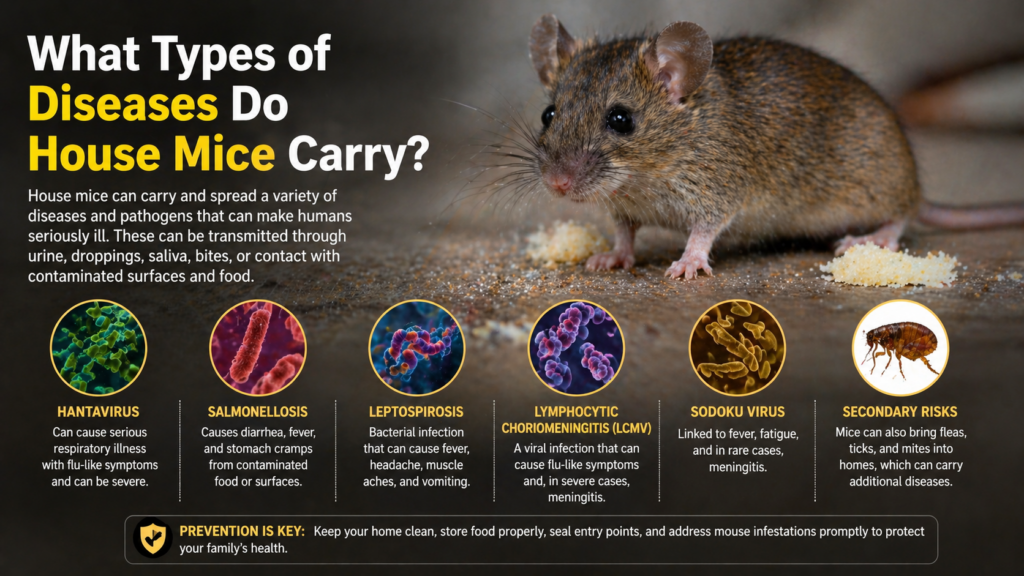
Wild rodents are known “vectors,” which means they are capable of carrying and transmitting various illnesses. While the risk of contracting something serious from a single bite is relatively low, it is still a possibility you should be aware of. Here are the common diseases from mouse bites and general rodent contact:
- Rat-bite fever: Contrary to the name, rat-bite fever mice can also transmit this bacterial illness through their saliva or urine.
- Hantavirus: While more commonly spread through breathing in dust contaminated by droppings, hantavirus risk is a serious concern with certain species of mice.
- Lymphocytic Choriomeningitis (LCMV): This is a viral infection that can be transmitted through mouse bites on humans or contact with their waste.
- Salmonellosis: Mice often carry salmonella bacteria, which can be transferred if they bite you after recently feeding on contaminated material.
- Leptospirosis: This bacterial disease can be spread through contact with water or soil that has been contaminated by rodent urine.
What Should You Do If You Get Bitten by a Mouse?
If you find yourself on the receiving end of a rodent nip, you need to act fast. Proper first aid is the best way to prevent complications. Follow these exact steps to manage the situation safely.
Immediate First Aid (Step-by-Step)
- Clean the wound immediately: Head to a sink and wash the area with warm water and a strong antibacterial soap. Do not just give it a quick rinse; you should scrub the area gently for at least five minutes to ensure you are washing away as much bacteria as possible.
- Squeeze gently: Though it might feel counterintuitive, you should squeeze the area around the bite gently. This will encourage a little bit of minor bleeding, which helps to flush out any bacteria that the mouse’s teeth pushed deep into your skin.
- Apply antiseptic: Once the area is dry, apply a generous amount of antiseptic or a triple-antibiotic ointment to the puncture marks. This provides a protective barrier against infection.
- Cover the wound: Use a clean, sterile bandage to cover the area. This keeps dirt and germs out while the skin begins to knit back together.
- Monitor for 24–48 hours: Keep a close eye on the site. If you notice increasing redness, warmth, or red streaks radiating away from the wound, you need to seek medical attention right away.
Beyond the immediate first aid, you should check your medical records to see when you last had a tetanus shot. Most doctors recommend a booster if it has been more than five to ten years, as any animal bite can introduce tetanus spores into your system.
How to Tell If You Need Professional Rodent Control to Get Rid of Mice?
If you see one mouse, there are almost certainly others hiding in the walls. You need to look for signs of a larger problem to prevent infestation from getting out of hand. Check for small, dark droppings in your pantry, chewed edges on food boxes, or greasy smudge marks along your baseboards.
You might also hear scratching or scurrying sounds inside your ceiling at night. If you notice a stale, musky odor that you cannot explain, that is often a sign of a well-established colony. Dealing with a few mice is one thing, but if you start seeing them during the day, it means the population is large enough that they are being forced out of their hiding spots to find food.
How Orkin Removes Mice and Prevents Bites
Professional exterminators like Orkin use a multi-step approach to take out the rodents in your home and keep them from coming back. They start with a deep inspection to find every entry point, from gaps in the foundation to holes around utility pipes. By using professional-grade traps and exclusion methods, they remove the current population without putting your family at risk. They also provide expert advice on how to stop house mice by sealing up your home and removing attractants. Taking these steps is the most effective way to protect your health and your property.
FAQs
Do mice attack sleeping people?
It is extremely rare for a mouse to attack someone while they sleep. If a bite occurs at night, it is usually because the person rolled over on the mouse or the mouse was exploring the bed for crumbs and felt startled when the person moved. They do not seek out humans to bite them.
Do pet mice bite?
Yes, even domesticated mice can bite if they are handled roughly or if your hands smell like food. However, pet mice are generally much calmer than wild house mice and are less likely to carry the dangerous diseases found in the wild.
Can mice bite through blankets?
Mice have very powerful incisors that can chew through wood and even soft metals. While they can easily bite through a blanket if they want to, they usually won’t bother unless they feel trapped under the fabric or are trying to get to a food source on the other side.
Do rat bites differ from mouse bites?
Rat bites are typically much more significant because rats are larger and have stronger jaws. A rat bite will often result in a larger wound with more bruising and heavier bleeding compared to the small puncture marks of a mouse. Both require the same immediate medical care.
Can a rat or mouse bite spread illness?
Yes, both can spread illnesses like rat-bite fever or salmonella. While the risk varies depending on the specific rodent and your geographic location, any bite from a wild rodent should be treated as a potential source of infection.
How to Stop House Mice and Avoid Bites
The best way to prevent mouse bites is to keep them out of your living space. Seal all cracks larger than a quarter-inch with steel wool and caulk. Keep your kitchen counters clean, store food in airtight glass or metal containers, and make sure your trash cans have tight-fitting lids.
Wrapping Up…
Finding out that a mouse has bitten you can be a scary experience, but knowing what to do if bitten by a mouse makes the situation manageable. While these tiny creatures are mostly interested in your snacks, they can pose real health risks through a house mice bite or general contamination. By focusing on immediate wound care and taking steps to secure your home, you can keep your family safe. Remember that the best defense is a good offense, so don’t wait for a bite to happen before you take rodent control seriously. Keeping your home sealed and clean will ensure that these winter intruders stay exactly where they belong—outside.