

Reckon stepping out for your morning coffee only to find fresh piles of dirt scattered all over your beautiful lawn or garden. Those distinct, fan-shaped mounds are a dead giveaway that pocket gophers have moved in, and believe me, they do not waste any time.
Just one of these critters can pull your plants down by the roots and chew through bulbs underground, all while carving out tunnels that wreck your irrigation lines and make mowing a total nightmare. If you are looking to get rid of gophers before the situation gets out of hand, you do require a solid plan that delivers actual payoff.
In this guide, you will figure out five of the most reliable gopher control methods. We will dig into how each one works, when you should use them, and the exact steps to follow.
Plenty of homeowners find that mixing a few of these approaches works best, especially once you get a feel for how these rodents operate. So, let’s get into it without wasting a single sec. Keep scrolling!
Table of Contents
Gophers Behavior
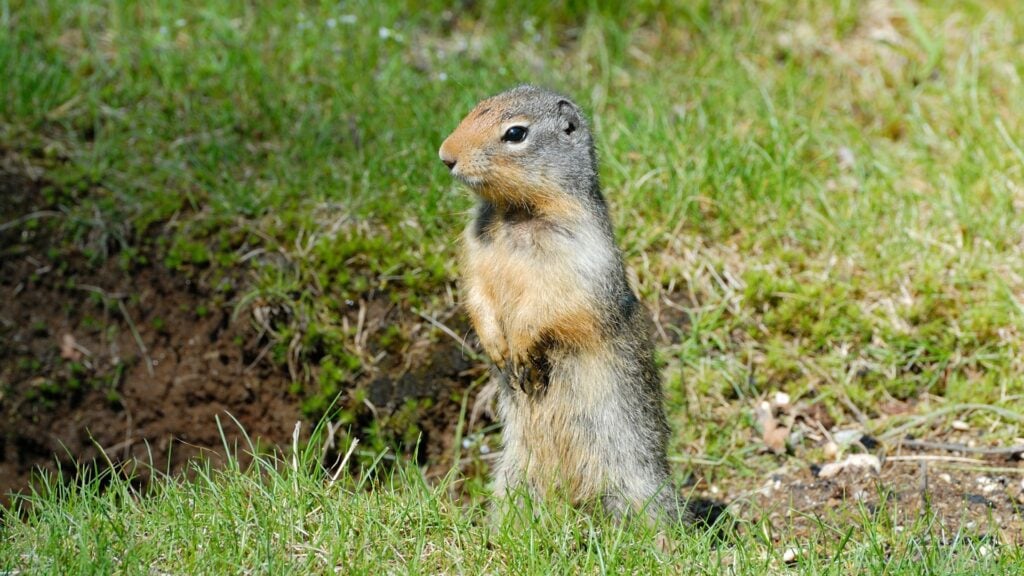
Pocket gophers are basically ghosts. I’m serious, they really are. They spend almost their entire lives hidden away underground. Since these herbivorous rodents focus strictly on the roots and stems of your plants, you often won’t even know they are there until the damage starts showing up on the surface.
They are solitary, grumpy little things and very territorial. It, by the way, I think is actually good news for you, usually, one tunnel system belongs to just a single gopher. Knowing that would make it much easier to plan your attack.
You can usually spot an infestation just by looking at the dirt. Unlike moles, which leave behind volcano-style piles with a hole right in the middle, gophers build flatter, fan-shaped gopher mounds. Here, the exit hole is pushed off to one side. The soil will look loose and like it was just dug up. You might also see your favorite plants suddenly wilting or feel the ground go soft under your feet because their tunnels are running just an inch or two below the grass.
Gophers stay busy all year long, but you will see them working the hardest during the spring and fall when they are aggressively foraging for food. As they dig out their main runways and side feeding tunnels, they push the excess dirt out.
If you want to see if a tunnel is still being used, try probing the soil a few inches away from a fresh mound. You don’t need anything fancy for this. A thin piece of pipe works perfectly as a tunnel finder. It helps you locate the run and gives you a spot to drop in an applicator tip later on.
Try inserting your probe about four to ten inches away from the mound (aim for the freshest mounds you can find). If the probe suddenly slides in with no resistance after a few tries, you have likely hit a main tunnel. Getting the hang of this behavior is a lifesaver because it prevents you from wasting time on old, empty burrows and lets you focus on where the gopher is actually hanging out. If you leave them be, gopher damage can tear through a vegetable patch in no time, so moving fast really pays off.
If you want to hire a pro to manage infestations and protect property from burrowing damage, I recommend Orkin. They have been around since 1901, so they’ve seen just about every bug and rodent problem you can imagine. In 2026, they’re still one of the biggest players in the industry, with more than 400 locations across 49 states and Washington, D.C
Method 1: Trapping – The Most Reliable Way to Get Rid of Gophers
For a lot of homeowners who have been through this before, trapping is the hands-down favorite for gopher control around the house. In many of the forums on Reddit, Quora, and Facebook, you’d find people talking about “Trapping” as of their favorite method for getting gophers out of their home, lawn, and garden. That is why I place this method at the top of my list, too.
It is one of the best ways to get a solid outcome without messing with chemicals, and there is no guesswork involved. You know you won out because the gopher is physically gone. This is a great route for smaller yards or for anyone who wants to keep poisons far away from their kids and pets.
The most popular gopher traps on the market are pincher-style models, like the classic Victor Macabee, or scissor-jaw types like Cinch traps. If your soil is right, box traps can also do a fantastic job.

- Easy set design and fully assembled
- Galvanized steel construction for superior strength and durability
- Narrow design with short base allows for easy insertion
- Moving parts are completely below the ground surface, safely away from children and pets
The real secret to success here isn’t the trap itself, though it’s very much the right placement. You have to get those traps into the main runway. Putting them in those little dead-end feeding tunnels is just a waste of time.
- Kick off by scouting for the newest mounds. Use your probe to feel for that main tunnel, which usually sits about 6 to 12 inches deep.
- Once you find the opening, carefully clear out a small section of the tunnel so the trap can slide right in.
- Most pros recommend setting two traps back-to-back, facing opposite directions in the same run.
- Gophers are naturally curious, and since they can approach a disturbance from either side, this doubles your chances of a catch.
A pro tip: wear gloves so you don’t leave your scent all over the equipment. You should also anchor each trap with a stake and a small chain so the gopher doesn’t try to drag it deep into the burrow. Cover the hole back up lightly with a piece of sod or a board to keep the light out while still making it easy for you to check. Take a peek at your traps every 24 to 48 hours. If you catch one, reset it or move the whole setup to the next active mound you see. Studies have shown that just a couple of trapping sessions a week apart can drop the population significantly, sometimes clearing out an entire yard for good.
Method 2: Baiting with Gopher Bait
When you are looking for fast results across a larger property, baiting is often the next logical step in gopher control. This method uses specific toxicants that the gopher eats, which usually handles the problem pretty quickly. You will see active ingredients like zinc phosphide or various anticoagulants on the shelf, though some areas still allow strychnine-based baits under very specific, restricted rules.
The first thing you should do is sit down and read the product label cover to cover. Regulations on these products change all the time and vary a lot from state to state. Some even require you to be a certified applicator just to use them because of the risks they pose to pets, kids, and local wildlife. Your main goal here is to get that bait directly into an active tunnel so the gopher literally bumps into it during its daily commute.
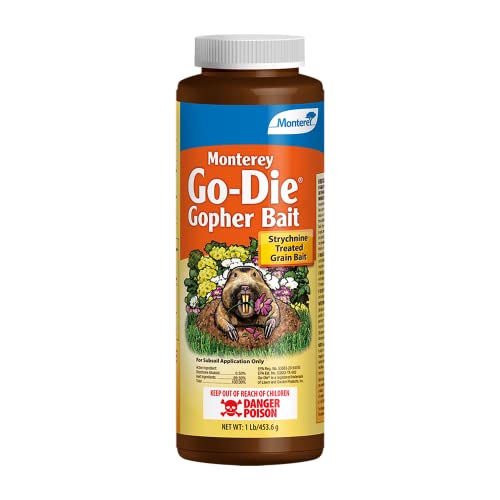
- CONTROLS POCKET GOPHERS - This product controls pocket gophers below ground.
- EFFECTIVE BAIT - Effective strychnine-treated grain bait with no "bait shyness."
- FOR USE IN NON-CROP AREAS - For use in pastures, rangelands, and other non-crop areas.
- APPLY INTO BURROW SYSTEM - Apply to active gopher runways and apply bait into burrow system. Do not apply above ground.
You will want to use that same probing trick we talked about earlier. Just push your probe into the ground about four to ten inches away from the freshest mound you can find. Once you hit the tunnel, use your applicator to drop the bait right into the hole. Usually, a teaspoon or two is plenty. Make sure you seal the hole back up tightly afterward to keep the light and fresh air out; if it feels like a drafty house in there, the gopher might get suspicious. Instead, they will come to investigate the disturbance, find the bait, and take it.
Timing is everything with baiting. It works best in the spring or fall when gophers are out foraging aggressively and natural food like fresh roots is a bit harder to find. However, if you have dogs that love to dig or if there are endangered species in your neck of the woods, you might want to skip this one. Secondary poisoning is a real worry if a predator eats a gopher that took the bait. Some of the newer anticoagulant options are a bit safer in that regard, but you still have to be diligent about monitoring the area and disposing of any dead gophers you find.
Method 3: Natural and Repellent-Based Gopher Control
If the idea of killing the gophers doesn’t sit well with you, or if you just want to start with a gentler touch, natural methods are a great secondary route for gopher control. These tactics aren’t about elimination as much as they are about making your yard feel like a bad neighborhood so the rodents move off of your property. Results can, however, be a bit hit-or-miss, so these usually work best if the “gopher pressure” is light or if you are using them alongside other methods.
Most of the gopher repellent products you find at the store are built around castor oil. You just spread the granules or spray the liquid over your lawn and give it a good soak with the hose. The oil seeps down into the dirt and ruins the taste and smell of the roots and grubs the gophers are looking for.
I have heard of plenty of gardeners who swear by their own homemade mixes using castor oil and dish soap. You might also hear about people using predator urine, garlic clips, or even stuffing dryer sheets into the tunnels. Just keep in mind that these lose their punch pretty fast, especially after a good rain.
Another long-term play is to bring in some natural backup. Putting up a barn owl box can attract a pair of owls that will happily hunt gophers all night long. Even having a cat or a dog that likes to patrol the fence line can keep gophers on edge. You can even try “living fences” by planting things like daffodils, alliums, or gopher spurge.
Method 4: Fumigation and Burrow Treatment
When you are dealing with a gopher that just won’t take the hint, or if they have taken over a huge chunk of your land, you might consider burrow fumigation. This approach involves pumping toxic gas or smoke directly into their underground world. You can find gas cartridges or smoke bombs specifically made for rodents, and there are even high-tech carbon monoxide machines that pros use for a more targeted strike.
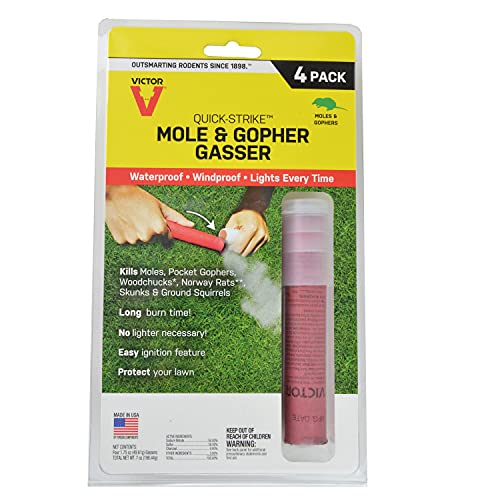
- Pack of 4 gas cartridges to kill moles and gophers in underground tunnels
- Smoke and carbon monoxide from the gasser fills the tunnels, suffocating the pests
- Easy-to-use and effective solution for lawn and garden pest control
- Each cartridge provides 8 hours of coverage
You find the main runs the same way you did for baiting with your trusty probe. Once you find the spot, you light the fumigant cartridge, slide it in, and seal the opening tight so the gas doesn’t just leak out into the yard. You have to be incredibly careful with these since the fumes are no joke. Always wait for a calm day with zero wind so you don’t have to worry about the gas drifting back toward your house or the neighbors.
Fumigation is great because it covers a lot of ground much faster than you could ever manage with traps. It is most effective in soil that is a bit on the drier side because the tunnels stay intact and hold the gas better. If your ground is super loose or soaking wet, the gas can escape before it ever reaches the gopher. Also, double-check your local laws—some states have some pretty strict legal rules about when and where you can use these.
Method 5: Exclusion and Long-Term Prevention
If you really want to win the war, you have to stop these guys before they even get a chance to dig in. The most solid long-term success in gopher control usually comes down to exclusion, essentially using physical barriers to keep them off of your prized garden beds and making a few habitat changes so your yard just isn’t that inviting anymore.
Gopher wire is easily one of the most dependable tools you can use. This is a galvanized mesh with half-inch openings that gophers simply cannot chew through or squeeze past. If you are putting in a new lawn or starting a fresh garden bed, it is worth the extra sweat: dig out a few inches of soil, level it off, and lay the mesh down flat before you put the topsoil back and start planting.
A pro tip here would indeed be that you should overlap the seams by a good few inches and pin everything down with landscape staples so there aren’t any gaps for them to wiggle through.
Choosing the Right Gopher Control Method for Your Situation
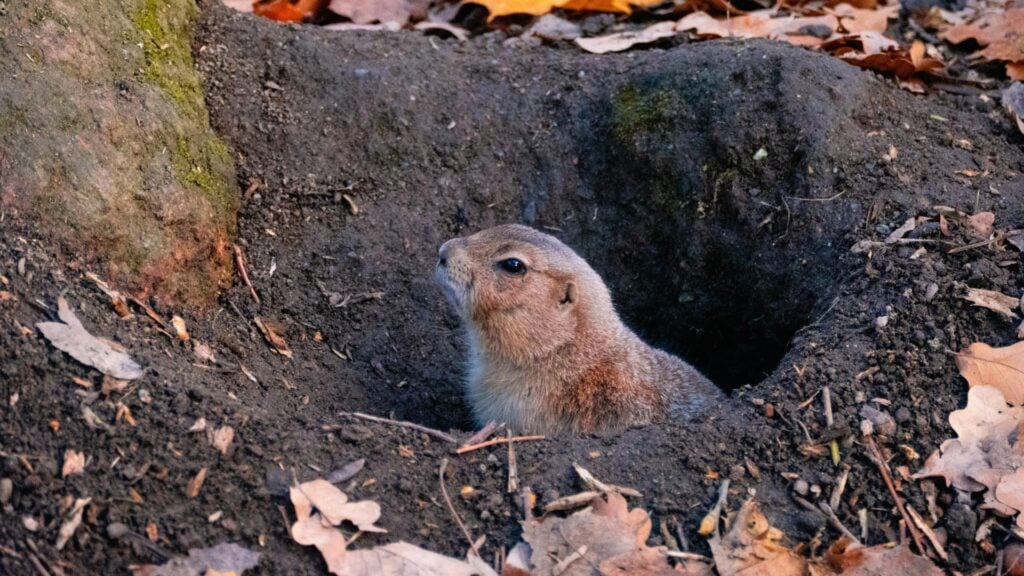
At the end of the day, no single method is going to be a perfect fit for every yard. You have to weigh a few different factors before you decide exactly how to get rid of gophers on your specific property.
Here is a quick breakdown to help you choose:
- Trapping: Super effective and very safe when you do it right. It costs a bit for the gear and takes some effort to set, but it works at a decent pace.
- Baiting with Gopher Bait: This is high-impact and usually cheaper on materials. It is easier to apply and gives you fast results, but you have to be extra careful around pets and wildlife.
- Natural and Repellent-Based Gopher Control: Very safe and easy to do, but the effectiveness is usually just moderate. It’s a slower process and often only a temporary fix.
- Fumigation and Burrow Treatment: This is great for covering large areas fairly quickly. It takes a little more skill to handle the gases safely, but it gets the job done.
- Exclusion and Long-Term Prevention: This has the best long-term results by far. It is labor-intensive and costs more upfront, but it is incredibly safe and lasts for years.
If you have a small yard with only two or three mounds, I’d suggest starting out with trapping. It gives you total control without using a single chemical, and you can see your success almost right away.
Besides, if you are looking at a huge property with a massive infestation, you could kick things off just by baiting or calling in a pro to knock the population down.
Wrapping Up…
Getting gophers out of your yard takes a good bit of patience, tho you have some really solid options to help you take back your lawn. Trapping is still one of the most reliable ways for most of us to handle the problem, while baiting, repellents, fumigation, and exclusion all have their place depending on what you are dealing with. The smartest move is usually to mix things up, maybe do some active trapping, use a repellent to push any survivors out, and put down some gopher wire in your most important garden spots.