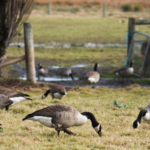

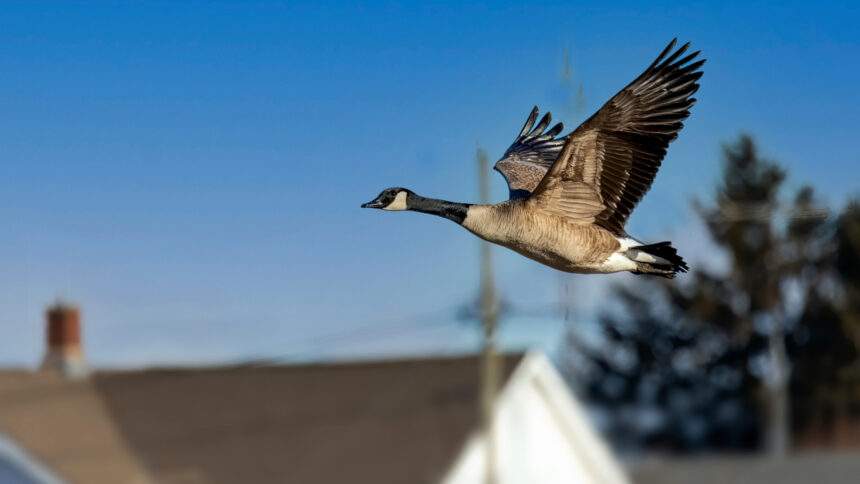
Canada geese have become a major nuisance across suburban neighborhoods, golf courses, and parks. They leave behind droppings that ruin lawns, damage landscaping, and create slip hazards.
According to the USDA, Canada goose nests occur near sidewalks and entryways of homes and other buildings, adjacent to paths and roadways, and on rooftops and porches. They are also found in more traditional areas, including parks and other open space. In the Sacramento Valley alone, geese damage to winter crops and pastures was valued at $8.199 million in 2023.
If you have geese in yard right now, you want methods that deliver fast, lasting results without harming the birds. The most effective how to get rid of geese strategies combine immediate scare tactics, habitat changes, physical barriers, and repellents.
When used together in the right order, these approaches achieve 85 to 95 percent reduction within two to four weeks according to university extension studies. This guide gives you the exact steps homeowners tested in 2026, with success rates, costs, and legal notes so you can clear your property quickly and keep it goose-free long term.
Table of Contents
Why Geese Keep Returning to Your Yard
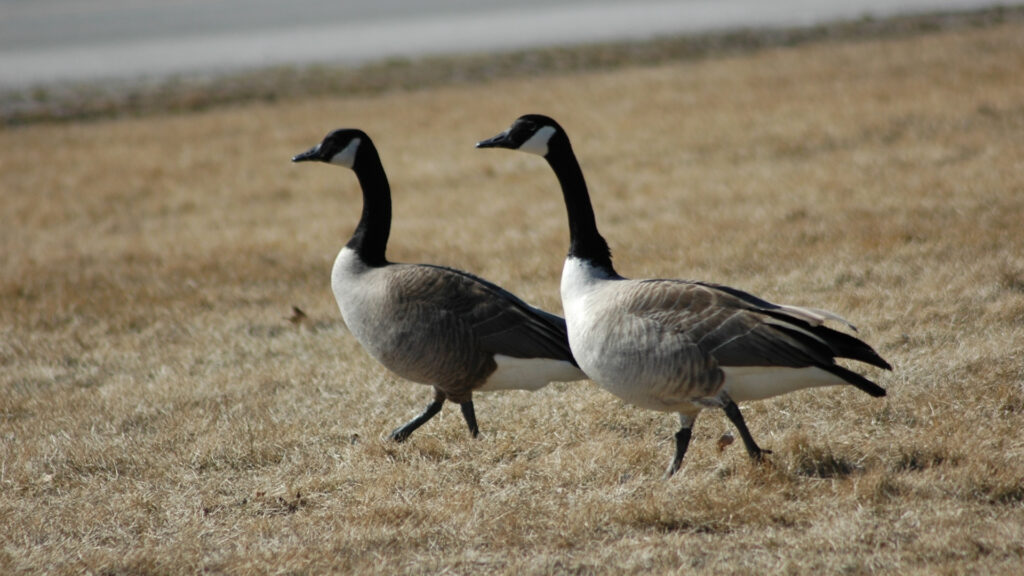
To stop the cycle, you have to understand why your property was chosen in the first place. Geese are looking for four specific things:
- Short grass
- Clear lines of sight to spot predators
- Easy access to water
- Sense of safety
Most suburban lawns provide the perfect “goose cafe” with Kentucky Bluegrass kept at a grazing height of two to four inches.
Recent data from the U.S. Fish and Wildlife Service shows that resident Canada geese populations have jumped 28 percent over the last decade.
Unlike migratory geese, these “resident” birds stay year-round because our parks and backyards provide a constant food supply and zero natural predators.
If your yard offers a clear path from a pond to a fresh patch of grass, the geese will treat it as their home base until you make it physically uncomfortable for them to stay.
8 Most Effective Ways to Get Rid of Geese in Your Yard
To truly get geese off of your property for good, you have to stop thinking about a one-time fix and start thinking like a strategist. These birds are stubborn, but they are also creatures of habit. If you make those habits uncomfortable, they will pack up and head out. Here is the breakdown of the most effective, field-tested ways to take out the welcome mat and reclaim your lawn.
1. Install Motion-Activated Sprinklers (The Gold Standard)
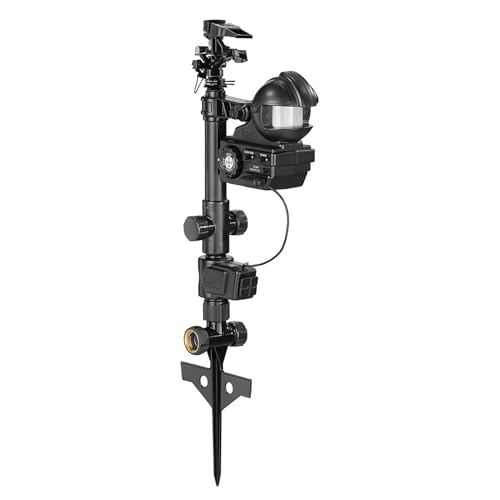
If you want a way to get rid of geese that works while you sleep, motion-activated sprinklers are your best bet. These devices use infrared sensors to pick up on heat and movement. When a goose waddles into the “strike zone,” the unit fires a sharp, rhythmic burst of water. It isn’t just the water that does the trick; it is the sudden clack-clack-clack sound of the sprinkler head combined with the unexpected movement.
For 2026, the tech has leveled up. Modern units like the Orbit Yard Enforcer have “intelligent sensing” that can tell the difference between a tree branch blowing in the wind and a heavy bird stepping onto your grass.
To make things pretty more easier for you, we have had done some research over the last few weeks and have tested gadgets that offer unmatched quality and would let you keep your lawn geese-free. In a few sections below, you will find the premium product that is picked after checking their real-life usability, how they turned out in keeping geese off the yard, value for money, the number of quality user reviews, and the availability in the market.
To set this up right, you should place the units at the “choke points”—the specific spots where you see them walking off of the water and onto your turf. One unit can usually cover about 1,600 square feet, but for a larger shoreline, you might need a daisy-chained setup.
The beauty of this method is that it’s completely non-lethal and teaches the geese that your yard is a high-stress zone. Once they’ve been blasted a few times, they’ll decide it’s easier to just hang out at the local park instead.
2. Deploy Decoy Predators and Reflective Tape
Geese are constantly on the lookout for anything that might want to eat them. You can play into this biological fear by using decoys. However, the old-school plastic owl sitting on a fence post won’t cut it anymore. Geese are smart enough to realize that if a predator hasn’t moved in three days, it isn’t a threat.
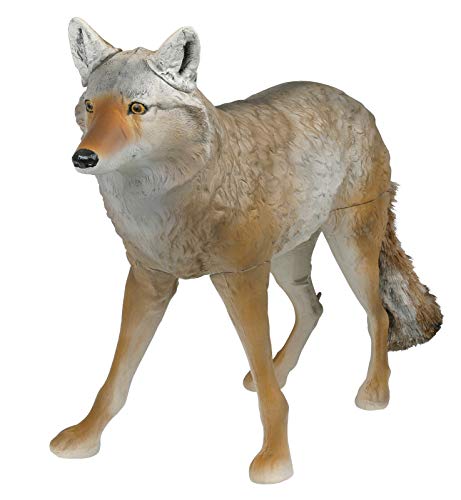
- PREDATOR HUNTING DECOY: Ultra-realistic body detail mimics the true-to-life definition of a coyote with the coloration of a mature male
- NUISANCE ANIMAL DETERRENT DECOY: Excellent deterrent for unwanted vermin, including rodents, geese, and smaller bird species, when placed in or near barns, gardens, orchards, ponds, etc
- VERSATILE DESIGN: Ultra-sturdy hard plastic construction with heavy-duty threaded leg posts and locking lugs. Features a removable leg design that allows the legs to fit conveniently in the body...
- DETAILS & FEATURES: Includes faux fur tail with a wire backbone for easy manipulation and realistic motion in the wind, a scent pad spike on the rear leg, and poseable ears to mimic a relaxed, alert,...
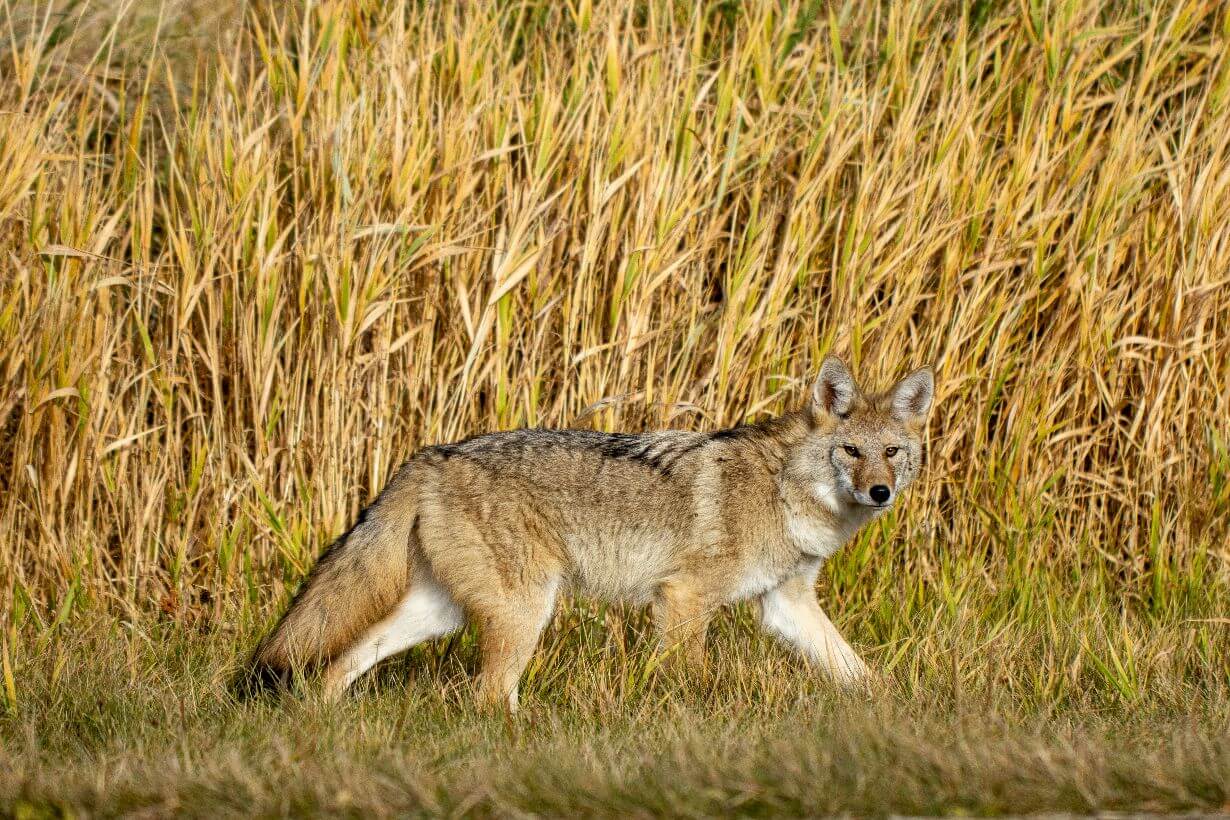
To get geese out of your yard using decoys, you need 3D coyote or fox figures with realistic fur or tails that wag in the breeze. The “360-degree rule” is vital here: you must move these decoys every couple of days. If a goose sees a coyote in the exact same spot for a week, they’ll eventually start grazing right next to it.
To take it a step further, pair your decoys with Mylar reflective tape. This tape creates a metallic “flash” and a crinkling sound that mimics the eyes of a predator or the flapping of wings. By stringing this tape between stakes about a foot off the ground, you create a visual “no-fly zone” that makes the geese feel incredibly exposed.
3. Apply Professional-Grade Goose Repellent Sprays
If the geese are treatng your lawn like an all-you-can-eat buffet, it’s time to ruin the flavor of the food. Chemical repellents have come a long way from the greasy oils of the past. The most effective options in 2026 use Anthraquinone or Methyl Anthranilate.

- No offensive odor, suitable around people and pets when used as directed
- Contains a warning dye that only birds can see
- Dilutes with water for ease of application
Methyl Anthranilate is essentially a concentrated grape seed extract. While it smells like grape soda to us, it acts like pepper spray to a goose’s sensory system. When they try to take a bite of your grass, it irritates their throat and beak. They don’t get hurt, but they definitely don’t want a second helping.
Anthraquinone works a bit differently. It’s a “conditioning” repellent. When a goose eats grass treated with it, they experience a mild, temporary stomach ache. Because geese have a very fast metabolism, they quickly associate your lawn with feeling sick. To get rid of geese on your lawn using this method, you need to be diligent about re-applying after a heavy downpour, as the rain can wash the “bad taste” right off of the blades.
4. Modify the Habitat and Landscaping
This is the “heavy lifting” phase, but it is the most permanent way to keep geese off of your property. Geese love a manicured, golf-course-style lawn because it gives them a 360-degree view of any approaching threats. If you change the landscape, you take out their sense of security.
Start by letting your grass grow out. If you keep your lawn at six inches or taller, geese will avoid it because they fear predators like foxes or domestic dogs could be crouching in the tall blades.
Beyond just the grass height, consider the “buffer strip” approach. If you have a pond or lake access, plant a thick border of tall Fescue grass, shrubs, or native wildflowers at least 20 feet wide.
Geese are heavy birds; they prefer to walk from the water onto the land. If they have to push through a wall of thick vegetation, they’ll feel trapped and vulnerable, which will force them to move on to a yard with a clearer path.
5. Utilize Ultrasonic Repellers and Green Lasers
In the fight to get geese off your property, high-tech tools can give you the edge. Ultrasonic devices emit a high-frequency blast that is tuned specifically to a bird’s hearing range. While we can’t hear it, to a goose, it sounds like a constant, annoying alarm bell. These are best used in smaller, residential “pocket yards” where you can mount the device to a fence or a wall.
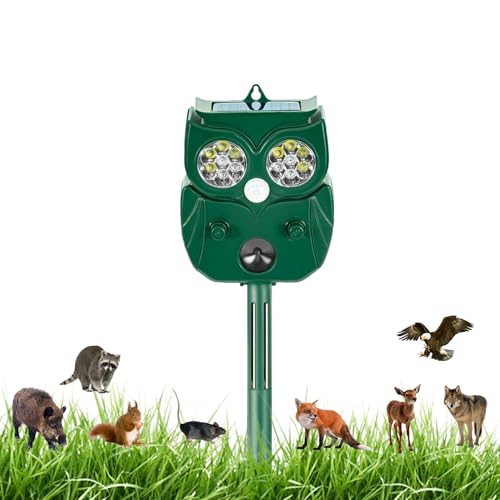
- Intelligent Motion Detection:Equipped with a 120° wide-angle sensor and a 20-25 yard detection range, this solar pest repellent ultrasonic outdoor device provides coverage for backyards, garden...
- Ultrasonic Technology for Outdoor Use:This outdoor device utilizes ultrasonic waves (13.5kHz - 45.5kHz), an audible alarm sound, and LED flashing lights to startle animals. It is powered by the...
- Weather-Resistant Design:Powered entirely by an integrated solar panel, this solar pest repellent ultrasonic outdoor unit eliminates the need for disposable batteries or electrical wiring. With an...
- Versatile Placement Options:The base of the motion activated owl pest deterrent includes a compartment that can accommodate additional solid repellent materials (sold separately). When motion is...
For larger areas, especially during the dawn and dusk hours when geese are most active, green lasers are incredibly effective. Geese perceive the solid beam of light as a physical object—like a stick or a predator’s limb—moving toward them. Because they can’t figure out what it is, their instinct is to take flight. This is a great “active” method for homeowners who want to take out a flock that has already settled in for the night.
6. Install Physical Barriers and Fencing
Sometimes, the simplest way to get rid of geese is to just build a wall—or at least a psychological one. Since geese are clumsy flyers when they are on the ground, they almost always waddle into a yard. You can block this movement with a low-profile fence.
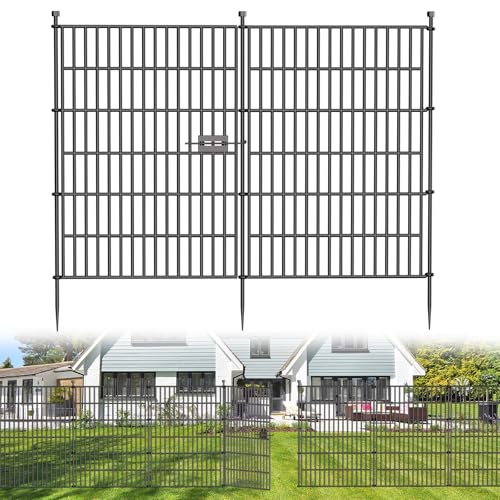
- GARDEN FENCE & ANIMAL BARRIER — Create a defined boundary around flower beds, vegetable gardens, and planted areas with this metal garden fence. Use connected panels as an animal barrier fence to...
- NO DIG FENCE & CONNECTING STAKES — Align the connection loops on adjacent panels, insert the metal stakes through the loops, and secure them in suitable soil. The stakes connect and anchor the...
- WELDED STEEL & POWDER-COATED FINISH — Welded steel construction provides structure, while the black powder-coated finish helps resist rust during outdoor use. The flat-top grid design gives this...
- FLEXIBLE LAYOUTS & EXPANDABLE COVERAGE — Connect panels into straight borders, angled runs, or enclosed layouts. Use them as a temporary fence for garden boundaries or create an outdoor dog playpen...
A two-foot-tall picket fence or even a mesh garden fence is usually enough to stop them. If you don’t want to ruin your view, you can use “invisible” barriers. Stretch two strands of 20-pound test monofilament fishing line across the entry points of your yard. Set one line at 6 inches high and the second at 12 inches.
When the geese try to walk through, they’ll bump into the line, which they can’t clearly see. This “ghostly” resistance freaks them out, and they’ll usually turn around and head back to the water. It’s a cheap, nearly invisible way to keep geese off your lawn.
7. Humane Harassment and Biological Control
If you have a persistent flock that won’t take the hint, you might need to bring in some “muscle.” Humane harassment is the process of making the environment so stressful that the geese decide it isn’t worth the effort to stay.
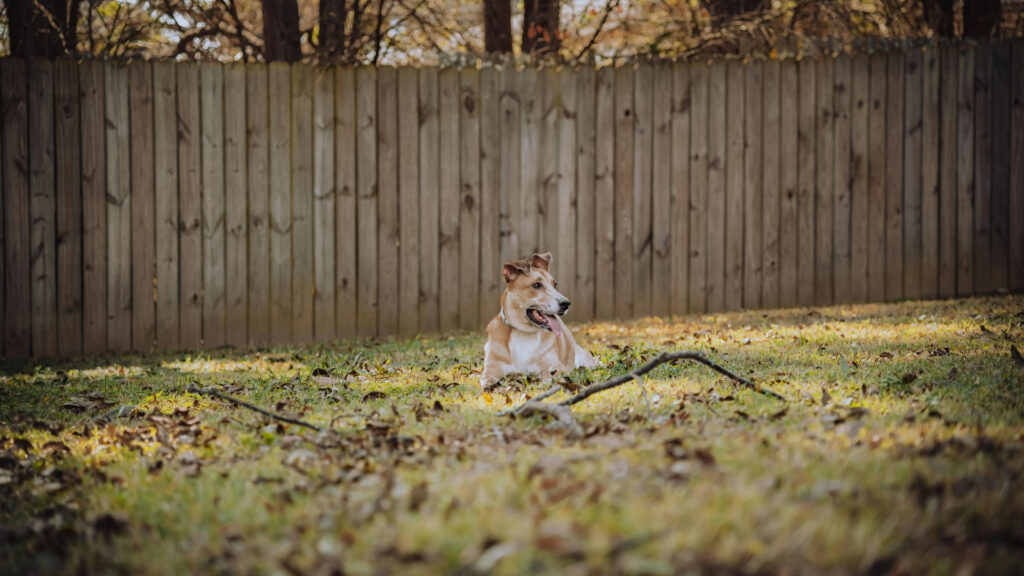
The most effective biological control is a trained dog, specifically a Border Collie. These dogs have a “wolf-like” stare and a herding instinct that mimics a predator’s hunt without ever actually touching the birds. To the geese, the dog is a constant, terrifying threat.
If you don’t have a dog, you can use “human” harassment. This involves using noise-makers, air horns, or even just large flags that you wave when the geese land. The key here is consistency.
You have to be more persistent than the geese are. If you chase them off of your property every time they land for three days straight, they will eventually label your yard as a “no-go zone.”
8. Hire Professional Goose Management Services
There are times when the “Do It Yourself” approach just isn’t enough, especially if you are dealing with a massive “resident” population that has lost all fear of humans.
Professional goose removal services specialize in taking out the problem using a combination of all the methods above, plus some specialized techniques like “egg addling.”
Egg addling is the process of coating eggs in food-grade oil to prevent them from hatching. This is highly regulated and requires specific permits, but it is the most effective way to manage the population over several years.
Professionals can also help you design a long-term landscape plan that makes your property “goose-proof.” While this is the most expensive route, it offers a near-100% success rate for homeowners who are tired of dealing with the mess and the noise.
If geese continue to return to your yard despite using deterrents like visual scare tactics, barriers, or repellents, the problem may be more persistent than it seems. In many cases, geese become conditioned to specific feeding or nesting areas, which makes DIY methods less effective over time.
Angi can help you connect with local wildlife control and yard maintenance professionals who understand how to manage recurring geese problems safely and effectively. You can compare experts in your area, check availability, and choose a service that fits your property needs.
Comparison Table – Effectiveness & Cost
| Method | Success Rate | Initial Cost | Effort Level | Best For |
| Motion Sprinkler | 90% | $50 – $150 | Low | Small/Medium Lawns |
| Decoy Predators | 70% | $30 – $80 | Medium (Rotation) | Open Yards |
| Repellent Spray | 80% | $60 – $120 | High (Re-apply) | High-Traffic Grass |
| Habitat Change | 95% | Variable | Low (After setup) | Waterfronts |
| Lasers | 85% | $30 | Medium | Dawn/Dusk Clearing |
| Fencing | 90% | $100 – $500 | Medium | Shorelines |
| Trained Dogs | 98% | High | High | Large Properties |
Step-by-Step 30-Day Action Plan
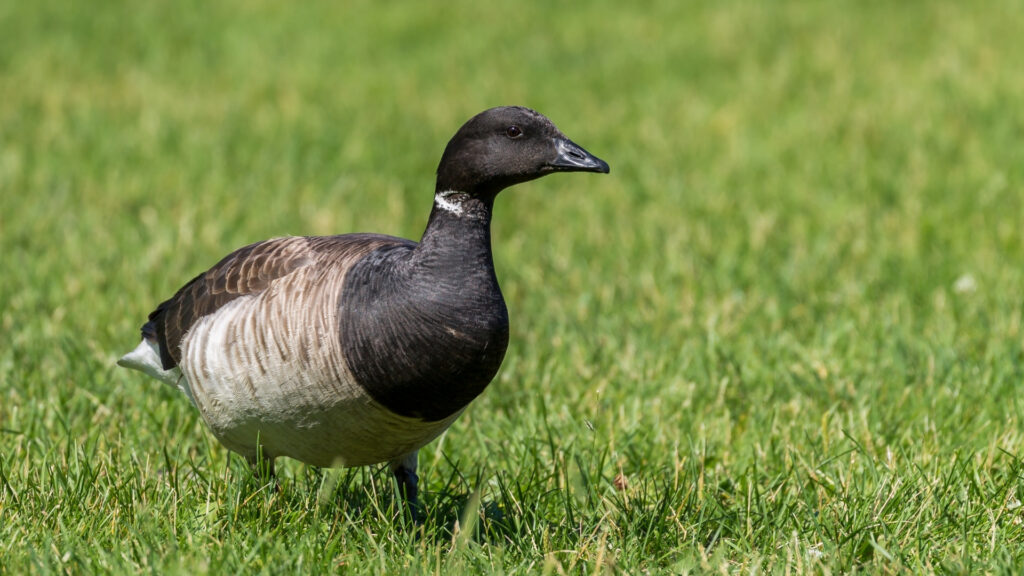
Week 1: Immediate Scare + Barriers
The goal here is to break their habit of visiting.
- Day 1: Install a motion sprinkler at the most common entry point.
- Day 2: Set up your yard fencing or fishing line barriers along the water.
- Day 3: Place coyote decoys and use reflective tape on the lawn perimeter.
- Day 5: Move the decoys to a new spot and use a green laser if you see them at dusk.
Week 2–4: Habitat Change + Repellents
Now you make the lawn itself unattractive for feeding.
- Day 8: Apply a liquid goose repellent to the entire lawn.
- Day 10: Increase your mower height to 6 inches.
- Day 15: Begin planting border plants to thicken the shoreline.
- Maintenance: Re-apply repellent every 14 days or after heavy rain. Check batteries in your motion devices.
Some Facts About Geese You Must Know
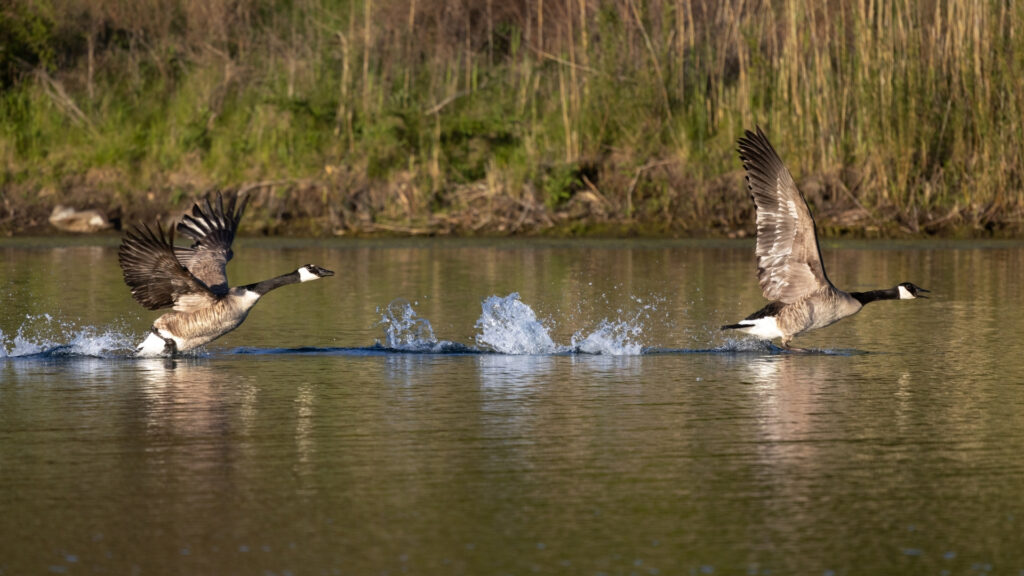
- Understanding goose behavior helps you outsmart them. For instance, as goslings, ducks and geese will bond with the first suitable moving stimulus they see. This is called imprinting. Whether it is a person, a goose, or even a moving object, they remain dedicated to that “parent” for life.
- Geese are highly social animals that are often raised around other livestock and fowl, and they usually get along well with other species. It is also a common mistake to call every bird a “goose.” Actually, “goose” is the term for female geese, while males are called ganders.
- In the air, they always fly in the shape of a “V,” which allows for at least 71 percent greater flying range than if they flew alone.
- When the goose in the lead gets tired, another goose takes over the position to maintain the group’s speed.
- If a member of the flock gets sick or is wounded, a couple of other geese may drop out of formation to help and protect him until he can fly again or passes away.
Frequently Asked Questions (FAQs)
What is the fastest way to get rid of geese in your yard?
The fastest immediate results come from a motion-activated sprinkler combined with a green laser at night. This provides an instant “scare” that forces them to find a quieter place to rest.
Do ultrasonic repellers actually work on Canada geese?
They can work, but their effectiveness is limited by distance and obstacles like trees. They work best in small, enclosed areas rather than wide-open fields.
Are there any truly effective goose repellents in 2026?
Yes, products containing Anthraquinone are the current industry standard. They don’t just smell bad; they actually change the way the grass tastes, providing a long-term deterrent.
How do I keep geese off my lawn permanently?
The only permanent solution is habitat modification. If you let your grass grow tall and block their walking path from the water with shrubs or fences, they will eventually stop trying to enter.
Can I use fake coyotes or swans as decoys?
Fake coyotes work well if moved every 48 hours. Fake swans are less effective because resident geese often see real swans and realize they aren’t a threat.
Wrapping Up…
Getting rid of geese requires persistence and a variety of tools. There is no “magic wand,” but by combining motion sprinklers with tall grass and physical barriers, you can make your yard the least attractive option in the neighborhood. Remember that Canada geese are protected under the Migratory Bird Treaty Act, so always use non-lethal methods. With a consistent 30-day plan, you can enjoy a clean, goose-free lawn once again. Recently, we had posted a blog on how to tell if bug bugs are in your clothes, if you really do care about getting them out not only from your clothes but also from your bedroom and home then you should check that guide out.