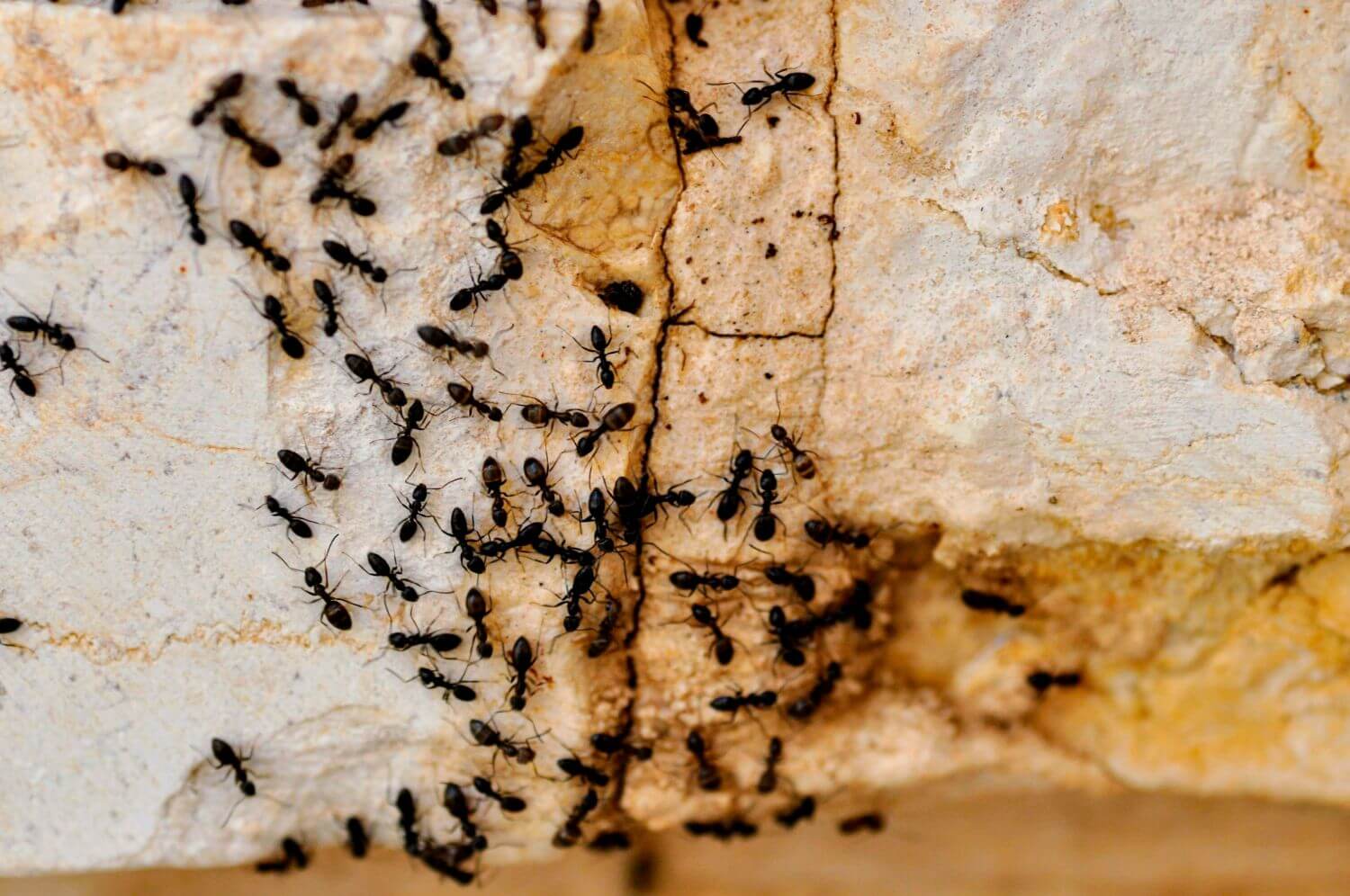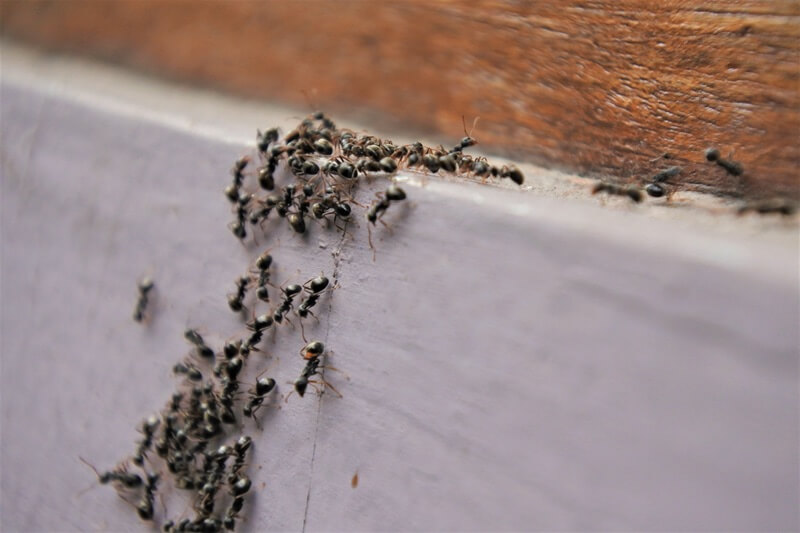

Ants are quite tenacious household pest problems not only in America but across the globe and the scale of what you are dealing is bigger than most people realize. As per the National Wildlife Federation, there are over 12k species of ants exists worldwide. And guess what, a good number of them could easily figure out a way to your bathroom, kitchen, and especially where you put your food resources, though.
You can pretty much handle the situation if the infestation isn’t severe by utilizing a few home remedies that have been proven to be effective in eradicating them. The remedies we’ve listed below were picked after solid research and personal testing and they could help you rule them out, though again if you see severe infestation we recommend getting Angi assistance.
Table of Contents
10+ Best Home Remedies for Ants: Ranked by Effectiveness
1. Borax (Sodium Tetraborate)
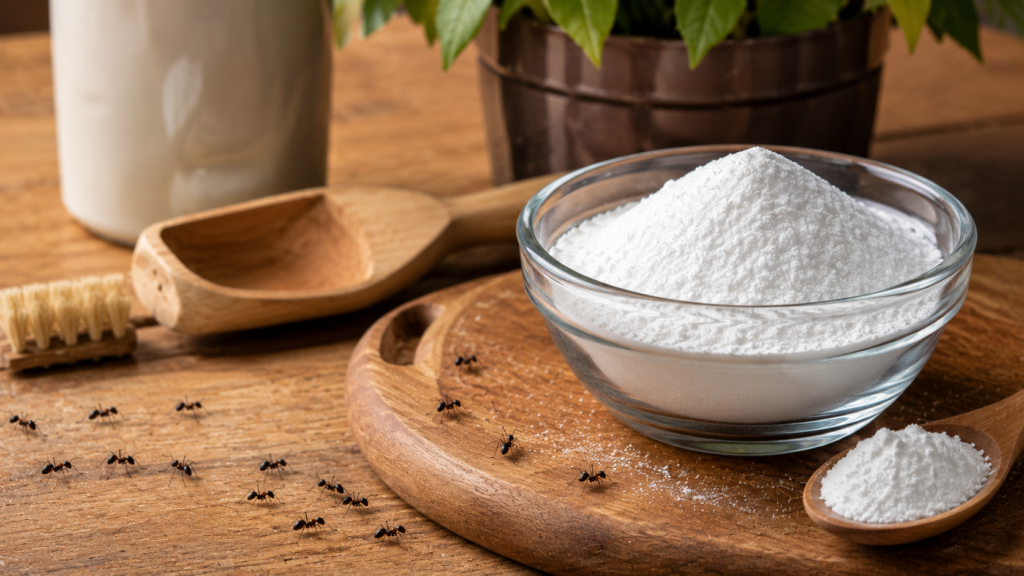
Borax, also known as sodium tetraborate, sits at the top of this list and there are certain reasons behind it. It has the potential to shrug off all the ants colonies over time alongside instant cleaning.

What happened actually ants carry the borax bait back to their nest and share it with the queen and the rest of the colony. Turns out, It destroy the whole colony and that’s the reason why we think it as a best DIY any killing approach.
Here’s what you need to make this bait.
- In the first place put on your safety gloves.
- Make a solution of half a teaspoon of borax, 8 teaspoons of sugar, and 1 cup of warm water.
- Stir until both the sugar and borax are fully dissolved.
- Saturate cotton balls with the mixture and place them in areas where you commonly see ants, particularly along baseboards, under the sink, and near entry points.
- After use, wash all containers thoroughly to avoid accidental contact, and keep this mixture away from children and pets.
- Avoid getting it on your skin during preparation.
2. Diatomaceous Earth (Silicon Dioxide)
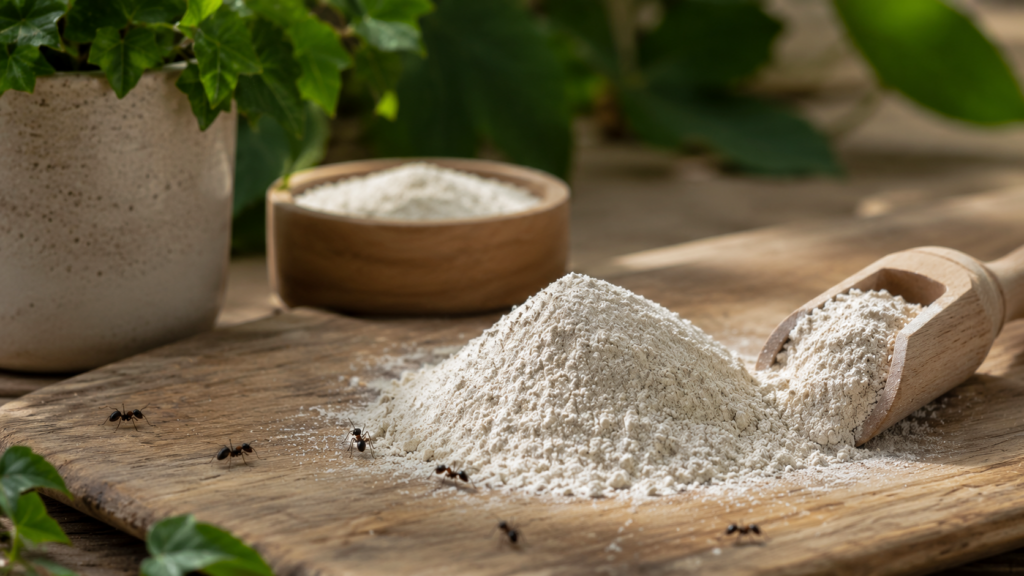
Food-grade diatomaceous earth is as per most users a practical home remedies for ants in high-traffic areas like kitchens and pantries. It works by cutting through the ant’s exoskeleton on contact, and in turn cause dehydration.

Sprinkle a thin layer along ant trails, around cabinet bases, and along the perimeter of rooms where you probably see ants. Reapply after mopping or after rain if youre using it outside of your home.
3. Glass Cleaner and Liquid Detergent
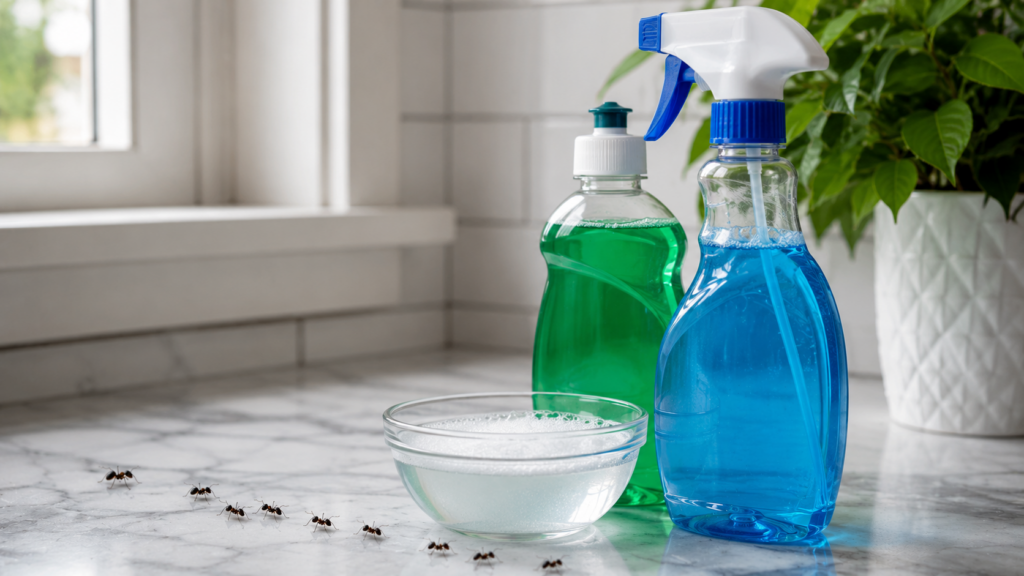
This combination works as a DIY ant killer by disrupting the pheromone trails that ants follow between their nest and your food sources. What you need to do is just mix a small amount of liquid dish soap with a spray bottle of glass cleaner and apply directly to ant trails and entry points.
Wipe the area down after spraying since the goal is breaking the scent trail. Reapply whenever you notice new ant activity along the same paths.
4. Ground Black or Red Pepper
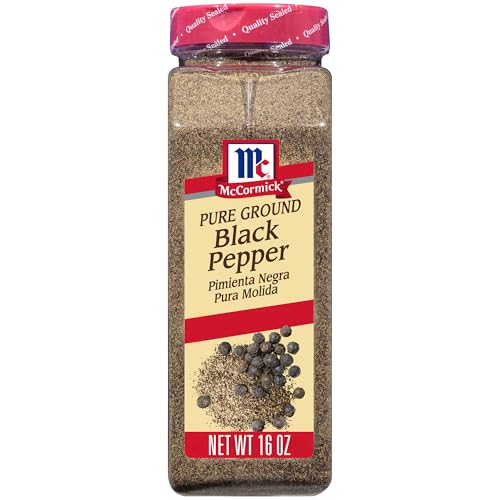
Ground pepper acts as a natural ant repellent because the sharp scent disrupts ants’ ability to communicate from their scent trails to a large extent. Sprinkle ground black or red pepper along baseboards, behind appliances, and around any entry point where ants are moving in. It does not kill ants tho. It does drives them away. This works particularly well as a kitchen ant control method since pepper is already a food-safe substance in that environment.
5. Peppermint Oil

Peppermint oil is a potent natural ant repellent. The one other benefit of using peppermint oil alongside killing ants is that it also leaves your home smell really good if you do focus on natural repellent smells.
Mix 10 to 20 drops of peppermint essential oil with 2 cups of water in a spray bottle and apply. You can also saturate cotton balls with undiluted peppermint oil and place them in cabinet corners, under the sink, and near appliances. Keep peppermint oil out of reach of pets, particularly cats, since it can could cause reactions in felines at concentrated doses.
6. Tea Tree Oil

Research published in the journal Medical and Veterinary Entomology has shown that tea tree oil effectively kills flies. Its properties as an ant deterrent are consistent with that broader insecticidal action.
- Mix 5 to 10 drops of tea tree essential oil with 2 cups of water in a clean plastic spray bottle.
- Spray the mixture around your home in areas where you typically see ants, and especially you should docus on entry points and active trails.
- Alternatively, saturate cotton balls with the mixture and place them in corners and along baseboards.
- The scent dissipates within a day or two, so reapplication every two to three days keeps the repellent effect consistent.
7. Lemon Eucalyptus Oil

Lemon eucalyptus oil, extracted from the lemon eucalyptus tree, contains a compound called citronellal that ants find strongly aversive.
- You could add 10 to 15 drops to a spray bottle with water and apply to all effected areas.
- The fresh citrus scent is a pleasant side effect, and the repellent effect lasts pretty much longer than most water-based sprays.
8. Oil of Lemon Eucalyptus (OLE)
OLE is distinct from basic lemon eucalyptus oil and worth treating as a separate option. It comes from the gum eucalyptus tree native to Australia and contains a chemical called p-Menthane-3,8-diol, commonly written as PMD.
PMD is of course a insect repellents currently documented, effective enough that the CDC recognizes it as a valid mosquito repellent.
Applied along ant entry points and perimeter areas, OLE creates a barrier that ants consistently avoid.
9. White Vinegar

White vinegar is another pretty solid ant repellent you could use to get them off of your kitchen counter.
- Fill a spray bottle with undiluted white vinegar and you ccan spray around door frames, window sills, and any crack in the exterior wall that ants in your house are using as touchpoint.
10. Boiling Water
For outdoor ant colonies with a visible nest mound, boiling water is what that can help you get some relieve from the ant infestation.
- To do it rightly, pour a full kettle of boiling water slowly into the nest opening. The heat kills ants on contact throughout the tunnel system the water reaches.
- You could repeat the same process everyday for several days to address multiple chambers within the colony.
- This method tho works okay on younger, smaller colonies and may require multiple treatments on larger, more established nests.
11. Cornstarch

Cornstarch works as a DIY ant killer in two ways.
- The first approach is pouring cornstarch over a group of ants and then adding water. This does the process by trapping and then suffocating them.
- The second approach involves spreading dry cornstarch over an ant trail, vacuuming up the coated ants, and sealing the vacuum bag immediately for disposal.
12. Cinnamon Leaf Essential Oil
The cinnamon barrier method using cinnamon leaf essential oil is quite extra effective if we compare it with ground cinnamon powder. It is because the concentrated oil carries a stronger chemical deterrent.
The active component, trans-cinnamaldehyde, has demonstrated insecticidal properties against multiple ant species in published research.
SO, what you need to do is just have to apply cinnamon leaf oil diluted in water along baseboards, windowsills, and cabinet edges. And indeed the rest of the work cinnamon leaf oil would do.
13. Neem Oil

If you’re looking something that is slow acting natural ant repellent that nothing obviously could beat neem oil. I had rely to this over last few months since ants appear more in spring and summer.
The recipe is simple just you have to mix up the oil with water and a few drop of dish soap to help it emulsify. Then what? Just spray, spray, and spray.
Wrapping Up…
There you have it, the home remedies for ants covered in this guide give you a full range of options from immediate deterrents to colony-eliminating baits. What we recommend you if you’re dealing with infestation then don’t just rely on one method instead try two or three at least to figure out what turns out the best for you. If you find these 10+ effective home remedies for ants & DIY ant killer recipes helpful you can let us know in the comment section below. We’d love to hear from you.