
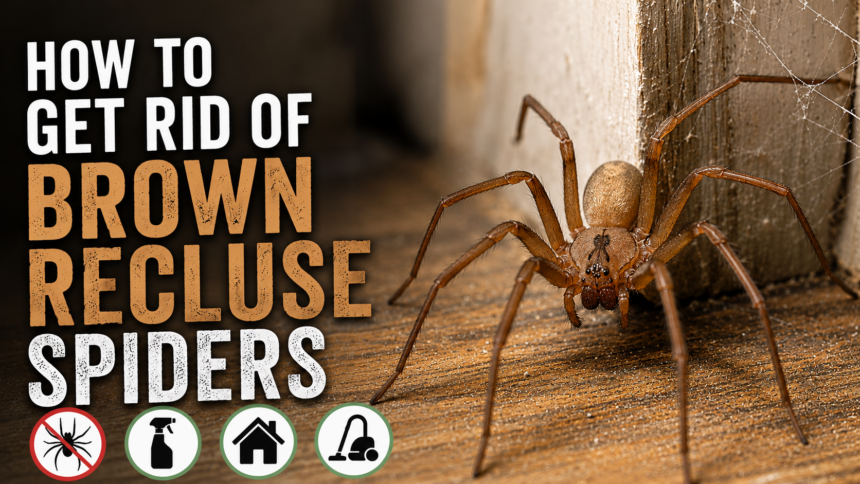
Finding a spider in your home is never a pleasant experience, but spotting one with a violin shape on its back can cause immediate panic. The brown recluse is one of the few truly venomous spiders house owners in the United States need to worry about. Unlike common house spiders that weave neat webs to catch flies, these pests are reclusive, fast, and potentially dangerous.
If you suspect you have these uninvited guests, you need a smart plan to deal with them. Learning how to get rid of brown recluse spiders takes a bit of patience because they are incredibly resilient. By targeting their hiding spots and cutting off their food supply, you can safely kick them out of your house and keep them out for good.
Table of Contents
How to Identify a Brown Recluse Spider
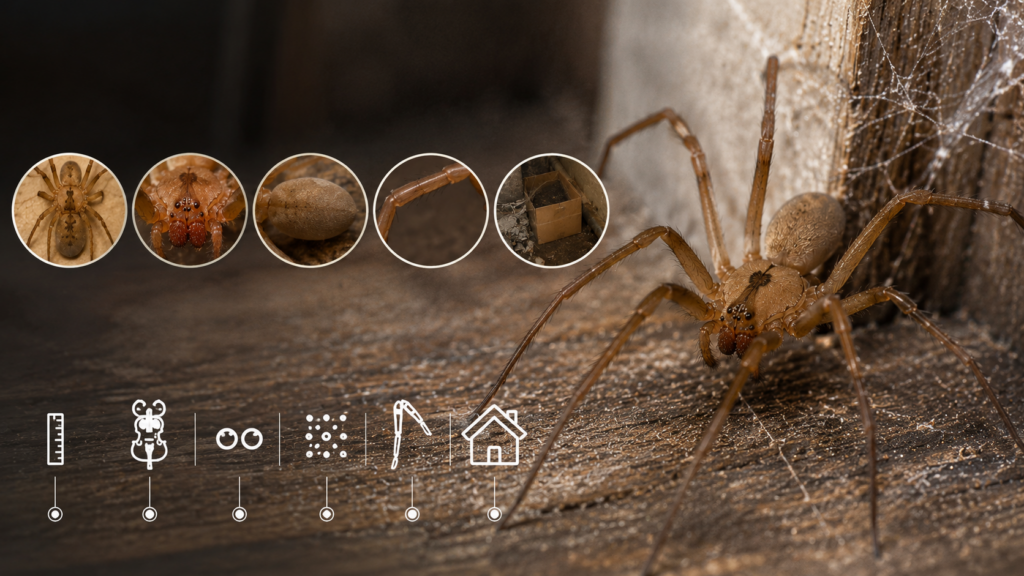
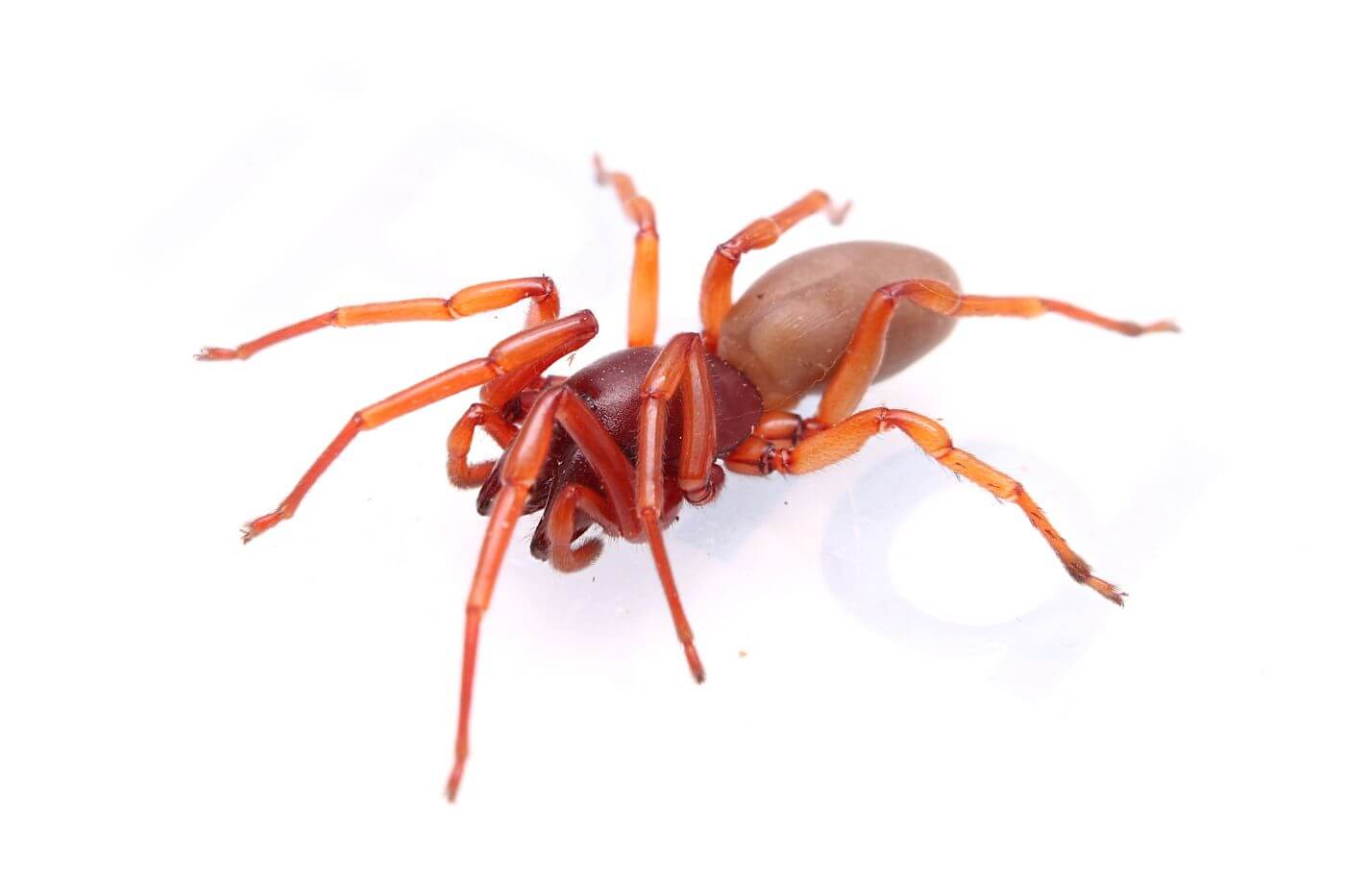
Before you start treating your home, you need to make sure you actually identify brown recluse specimens correctly. Many harmless spiders look similar at first glance. A true brown recluse has a uniform brown or tan color with no stripes or bands on its legs. The most famous indicator is the dark, upside-down violin mark located right behind its eyes.
They also have an unusual eye pattern, with six eyes arranged in three pairs, whereas most spiders have eight eyes. They are relatively small, usually measuring about the size of a quarter when their legs are fully extended.
Why Brown Recluse Spiders Are a Problem
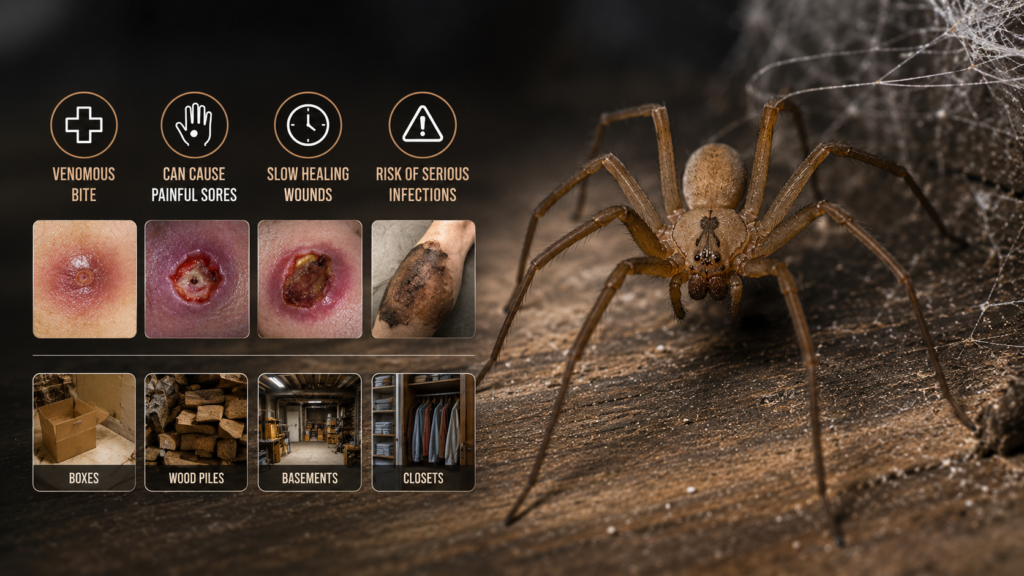
While these arachnids are generally shy, a brown recluse infestation is a serious concern due to the nature of their venom. They do not hunt humans, but they will lash out if they are trapped against your skin, which often happens when you put on an old pair of shoes or grab a blanket from storage.
Severe brown recluse spider bites can cause tissue damage, skin ulcers, and long-lasting wounds that take months to heal properly. Their solitary nature makes them difficult to track, meaning a small population can grow quietly behind your walls before you ever notice a problem.
Where Brown Recluse Spiders Hide in Homes
Understanding the typical recluse spider habitat is essential for a successful treatment plan. True to their name, these creatures love quiet, undisturbed areas where they can rest during the day. Inside a house, they frequently settle in dark, dry spaces.
You are highly likely to find attic spiders hiding inside cardboard boxes, under loose insulation, or behind stacked firewood. They also thrive in basements, crawl spaces, and closets, tucked away behind old clothes or unused sports equipment. At night, they leave these shelters for night hunting adventures to find insects to eat.
6 Proven Methods for Brown Recluse Control
Taking back your home requires a multi-layered approach to brown recluse control. You have to combine physical cleaning with targeted treatments to completely eliminate the population.
1. Declutter and Reduce Hiding Spots
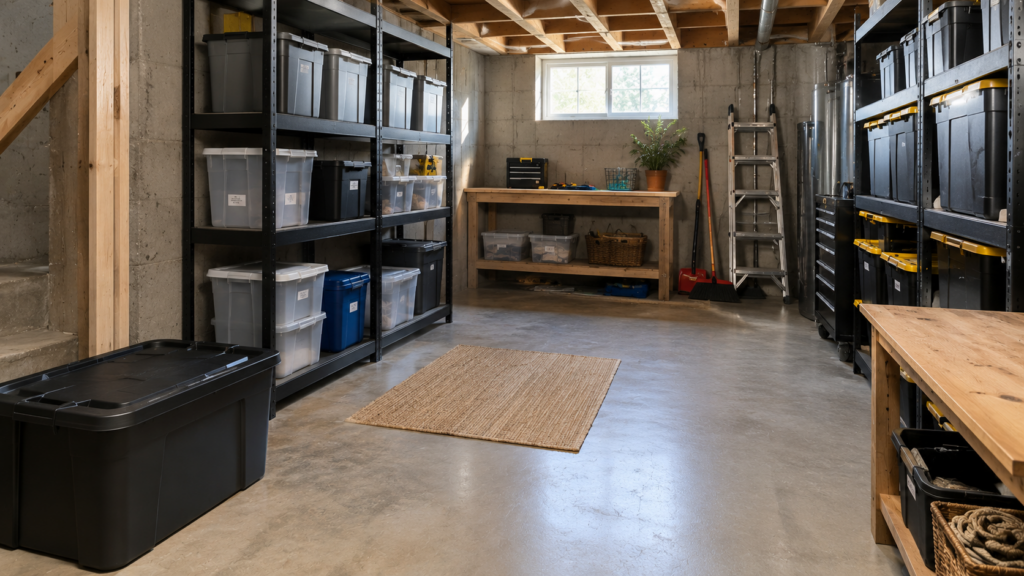
The absolute first step in your strategy must be heavy clutter removal. Because these spiders thrive in messy environments, taking away their hiding spots forces them to move. Switch out all your cardboard storage boxes for plastic bins with tight-fitting lids, as spiders can easily squeeze into the flaps of cardboard.
Pull your beds away from the walls and make sure blankets or dust ruffles do not touch the floor. Go through your closets, basement, and garage to clear out old stacks of newspapers, clothing, and bags that create the perfect shelter.
2. Seal Entry Points and Cracks
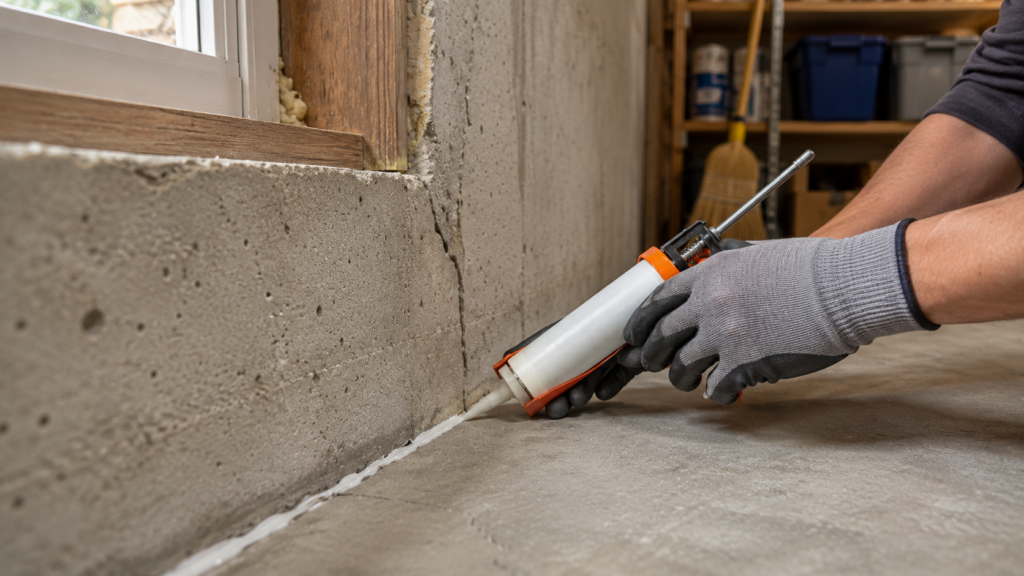
You must secure the exterior of your home to prevent new arachnids from wandering inside. Take a close look around your foundation, windows, and doors for any small openings. Use high-quality silicone caulk to seal cracks and gaps where utility lines enter the house.
Put weather stripping under your garage door and exterior doors to eliminate gaps. It is also wise to seal home spiders out by repairing any torn window screens. Taking these steps also keeps out the small insects that serve as the main food source for the spiders.
3. Use Sticky Traps and Monitoring
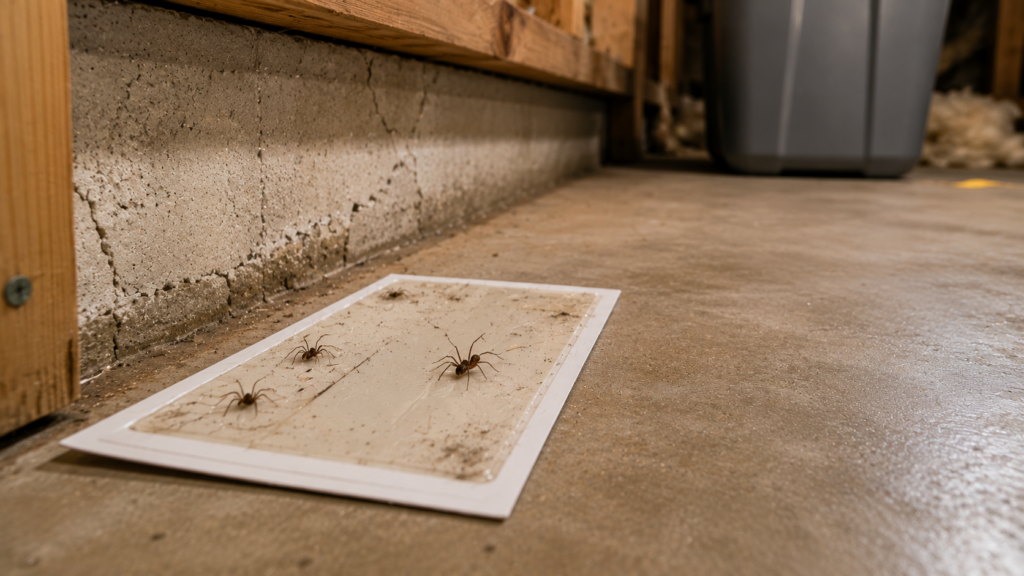

Because these arachnids crawl along the floor during their nightly hunts, spider traps are an incredibly effective tool. Place flat, cardboard sticky traps along the baseboards, behind furniture, and in the corners of your attic or basement. These traps do two things at once.
They capture and kill the roaming spiders, and they help you monitor the size of the infestation. Check the traps once a week to see which areas of your home have the highest amount of activity so you can focus your cleaning efforts there.
4. Natural Repellents and Essential Oils
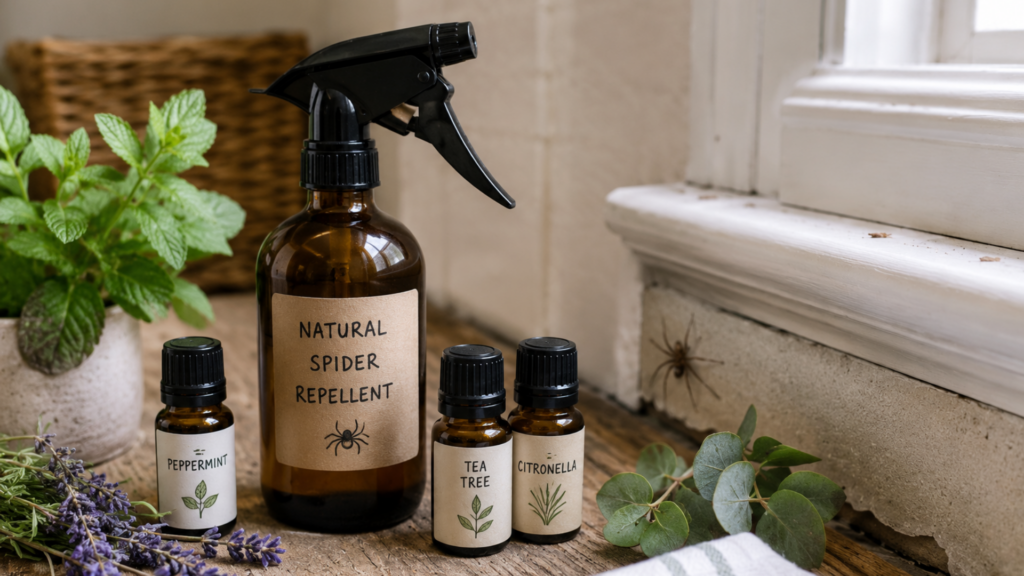
If you want to use a natural spider repellent around your living spaces, essential oils are a great option. Peppermint oil, citrus oil, and lavender oil are highly distasteful to crawling pests.
Mix a few drops of pure peppermint oil with water in a spray bottle and mist the solution along baseboards, window sills, and doorways. While this method will not kill an existing colony, it creates a scented barrier that discourages new spiders from settling in your main living areas.
5. Targeted Insecticide Application
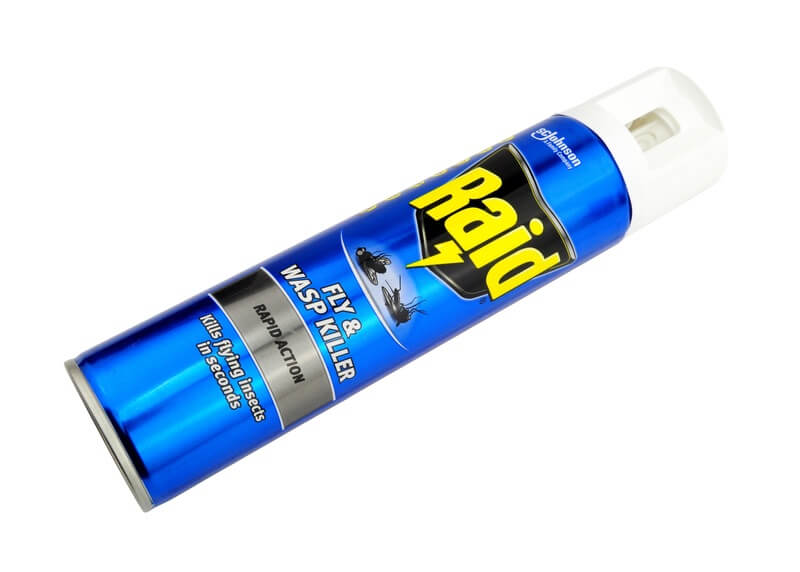
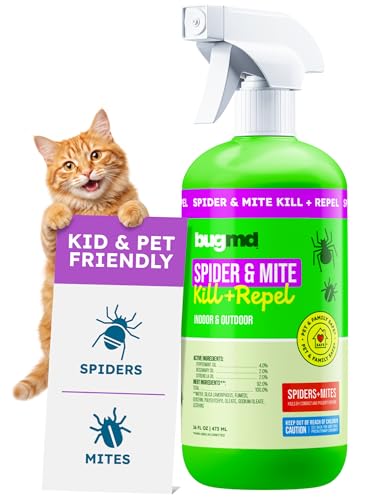
When natural methods are not enough, a targeted chemical application can help you get rid of brown recluse spiders. Regular household bug sprays often fail because these spiders have long legs that keep their bodies high off the ground, meaning they do not absorb enough poison by simply walking over a sprayed surface.
Instead, use a residual insecticide dust inside wall voids, electrical outlets, and deep corners where the spiders actually rest. Always read the safety labels carefully to protect your children and pets from accidental contact.
6. Professional Pest Control
If you are dealing with a severe, deep-seated infestation, trying to handle it alone can be overwhelming and dangerous. These spiders are incredibly sneaky, and missing just a few hidden nests can cause the problem to bounce back in a matter of weeks. Bringing in experts who have access to specialized commercial tools and heavy-duty residual treatments is often the safest choice. A professional service can locate the exact source of the colony and create a permanent barrier around your property.
If you want to get professional help immediately, you can find trusted, highly-rated local experts through Angi. They will connect you with licensed pest control teams who specialize in venomous arachnid eradication.
What to Do If You Get Bitten
- If you suspect you have been bitten, you must act quickly to minimize the damage.
- Wash the area thoroughly with soap and warm water right away.
- Apply a cold compress or an ice pack wrapped in a cloth to the site to reduce swelling and slow down the spread of the venom.
- Keep the affected limb elevated if possible.
Seek medical attention immediately to get a professional bite treatment. If you are able to do so safely, catch the spider in a jar or take a clear photo of it so the doctor can confirm the species and provide the correct medical care.
Frequently Asked Questions (FAQs)
How dangerous are brown recluse spiders?
They are considered dangerous because their venom can cause severe tissue necrosis. While fatalities are extremely rare, the wounds can become infected and require extensive medical care to heal completely.
Do sticky traps work for brown recluse spiders?
Glue boards are one of the best tools for brown recluse control. Since these spiders spend a lot of time walking on floors rather than sitting in webs, they run into the traps frequently.
Can I use bug bombs to kill brown recluse spiders?
Bug bombs, also called total release foggers, are largely ineffective against brown recluse spiders. The aerosol particles from a fogger do not penetrate the cracks, voids, and hidden spaces where brown recluse spiders actually shelter during the day. The chemical reaches the open air of the room but misses the spider population almost entirely. Targeted crack-and-crevice insecticide application consistently outperforms foggers for this specific pest.
Where do brown recluse spiders come from?
They are native to the central and southern United States. They typically live outdoors under rocks, logs, and loose bark, but they easily hitchhike into homes inside firewood or storage boxes.
Why should you not squish a brown recluse?
Squishing them can be risky because it brings your bare hand or foot very close to the fangs. If you miss or do not use enough force, the spider can quickly bite you in self-defense.
Wrapping Up…
Living with venomous pests is stress that no homeowner should have to endure. While a brown recluse problem requires a dedicated strategy, you can successfully get rid of brown recluse spiders by staying consistent with your cleaning and sealing efforts. Keep your storage areas organized, utilize a dehumidifier to eliminate moisture in basements, and follow these prevention tips to keep your home secure. With a little time and the right protective steps, you can ensure your house remains a safe, comfortable environment for your family.