
Smokybrown cockroaches usually live outdoors, where damp leaves, mulch, tree holes, and woodpiles give them the shelter they need. However, they can become a problem when they get into your home in search of moisture, food, or a protected place to hide.
Since adults are strong fliers and are attracted to lights, they can reach roofs, windows, and other parts of a house with little difficulty. Smokybrown cockroaches are active year-round in the warmest parts of the southeastern U.S. Although their development slows in colder months rather than entering true hibernation, they can enter homes in any season in search of warmth and moisture, with activity peaking in the summer.
If you’re suffering from an infestation of Smokybrown Cockroaches and are looking for ways to identify the source and treat them correctly, then this blog is for you!
Table of Contents
Smokybrown Cockroach Identification
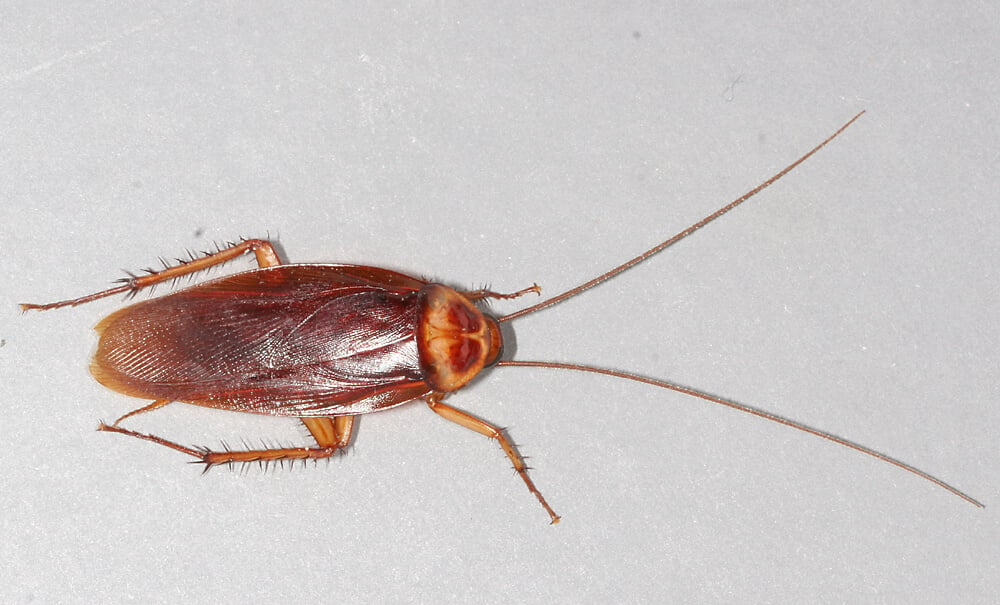
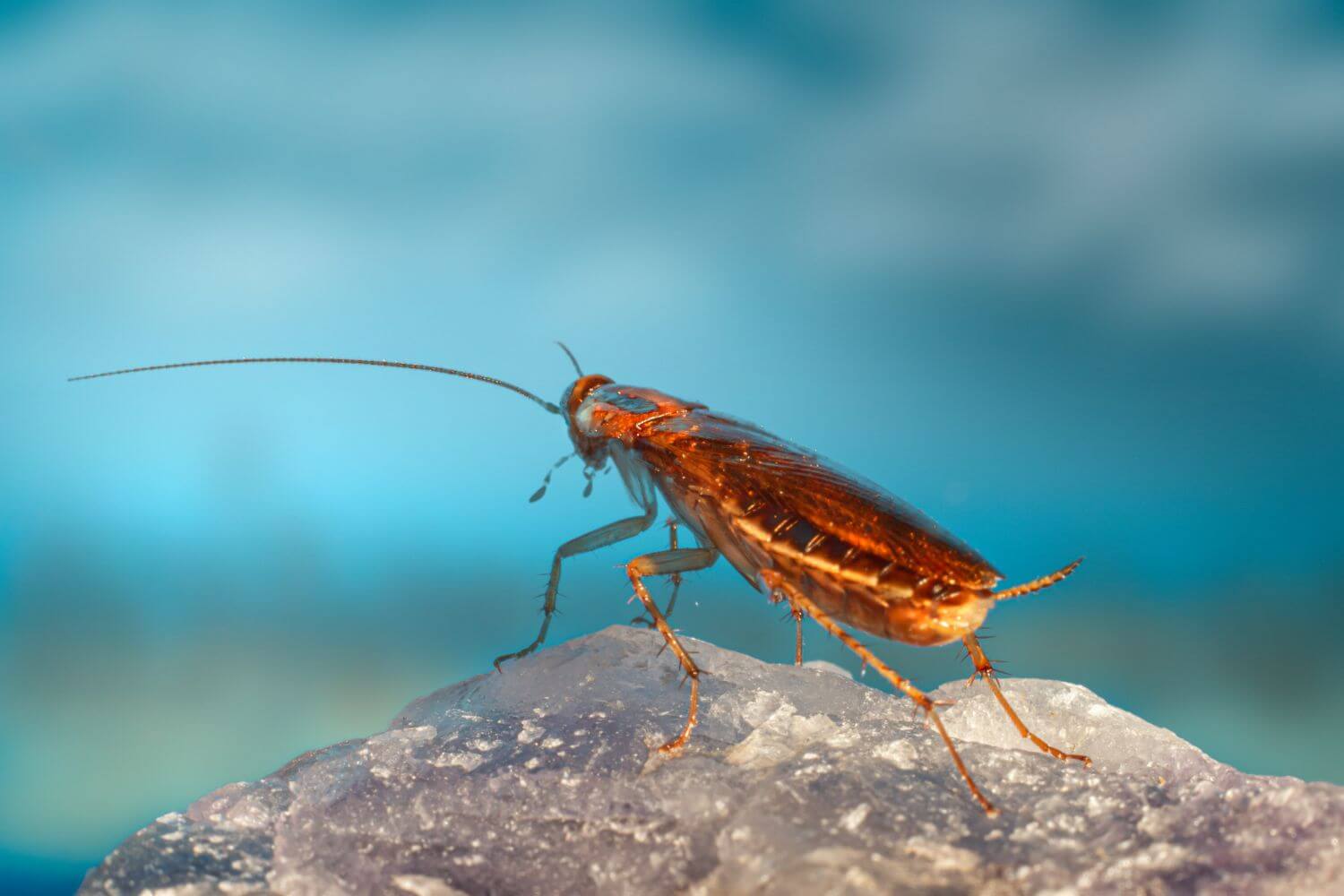
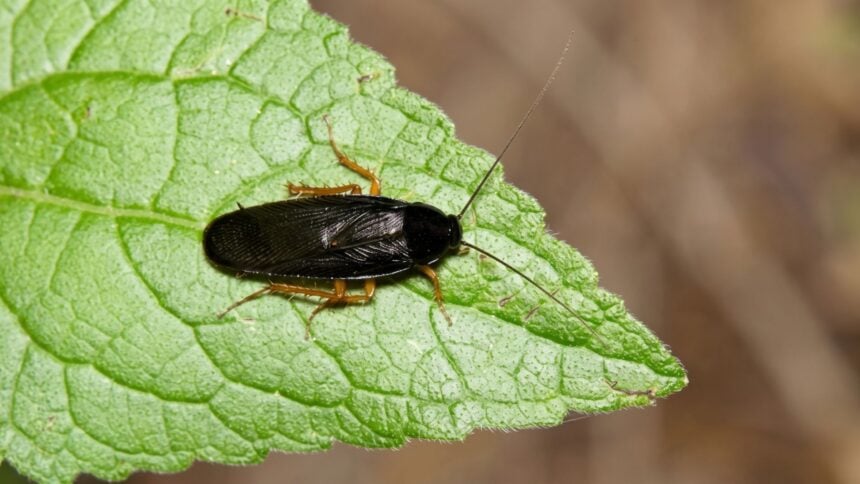
Smokybrown cockroaches are quite large in size, similar to American cockroaches they are sometimes mistaken for each other though. Smokybrown roaches have a uniform color without any yellow markings behind the head. And this distinction helps you differentiate them from American roaches. Here are some more details about how smokybrown cockroaches look.
- Length: Adults measure 25-38 mm long, which is roughly 1 to 1.5 inches from head to wingtip.
- Color: Their bodies are shiny and uniformly dark brown, mahogany, or nearly black. Unlike American cockroaches, adults do not have a noticeable pale marking behind the head.
- Wings: Both males and females have fully developed wings that extend beyond their body, and both males and females can fly readily.
- Antennae: They have long, slender antennae that can reach the length of their bodies or extend beyond it.
- Nymphs: Later nymphs are similar in color as adults, while the early nymphal stages have a whitish colored stripe on their thorax and on the tips of their antennae. A smoky brown cockroach nymph is typically found in leaf litter and mulch outdoors, where its dark coloration helps to hide or camouflage them against predators.
Signs Of Smokybrown Cockroach Infestation
- Nighttime sighting: If the infestation is worse you might spot them visibly at night especially near windows, doors, and light fixtures.
- Droppings: Tiny black droppings that look like ground pepper or coffee grounds in attics, cabinets, or along baseboards.
- Egg cases: You may find smokybrown roaches egg cases, which usually are 3/8 to 1/2 inch (roughly 11 mm to 14 mm) in length in hidden areas such as cracks, crevices, or outdoor debris.
- Nymphs indoors: You spot small, wingless cockroaches around the attic, garage, crawl space, or other protected locations.
- Shed Skins: When nymphs molt and grow they shed brown, translucent exoskeletons behind in dark corners.
- Musty Odor: A mild musty odor in enclosed areas if a smoky brown cockroach infestation grows large enough.
6 Ways Smokybrown Cockroaches Find Their Way Inside Your Home
Understanding smokybrown cockroach entry points requires looking at how this pest lives outside. Unlike many other types of roaches this species can spend a lot of time in trees. They are not too bad if they remain outdoors, but will not impact on you as they fly around your outdoor lights. Trouble mainly starts when rising temperatures and reduced moisture conditions outdoors push them to move inside when outside conditions warrant. Here is how they make that trip.
1. Flying Toward Bright Exterior Lights
Although most homeowners wouldn’t expect cockroaches to fly onto their porch, the smokybrown cockroach is attracted to light. Both males and females possess strong wings and so can often be seen flying around outside lights during warm summer nights.
Once bright porch bulbs, floodlights, or glowing living room windows draw them to your exterior walls, they land near doors and window frames. From there, they crawl along the siding until they find a small gap to slip through.
If you leave a garage door open at night with the overhead light shining, you are practically rolling out a welcome mat for every flying smokybrown cockroach in the yard.
2. Unscreened Roof, Attic, and Soffit Vents
Smokybrown cockroaches prefer warm, humid, sheltered areas, and roof spaces can provide conditions similar to the tree holes and protected outdoor cavities where they naturally live.
Once on your roof, they look for ways to get under roof shingles or slip into unscreened attic vents, gable vents, and soffit openings. Inside your attic, they find conditions similar to those within a tree hole.
The warm, trapped air gives them a safe place to hide and breed. As populations grow large in the attic, the roaches eventually venture down into the kitchen, bathroom, or basement through recessed lighting cans and plumbing chases.
3. Gaps Around Doors and Windows
Open doors and windows give flying smoky brown cockroaches a straightforward route indoors. Even if you keep them closed most of the time, damaged screens and loose frames can leave enough space for them to squeeze through.
4. Exterior Cracks and Weep Holes
Brick homes and older foundations come with built in vulnerabilities. Brick walls feature small vertical gaps at the bottom called weep holes. They allow moisture to drain out from behind the masonry. These openings lead straight into your wall voids.
Cracks in stucco, gaps around exterior utility pipes, and worn caulking around window frames also let smoky brown roaches slip right past your outer walls. Since a smoky brown cockroach spends its days hiding in damp soil right against your foundation, it only takes a few steps for them to disappear inside a wall crack.
5. Overhanging Tree Branches and Clogged Gutters
Trees and roof areas can create an easy route toward your home. Smokybrown cockroaches often shelter in tree holes, beneath loose bark, and in damp outdoor vegetation. When branches touch or hang over your roof, these roaches can crawl from the tree onto the roof. Adults can also fly directly to the roofline.
Clogged gutters offer another suitable hiding place. Damp leaves and organic debris provide moisture, shelter, and food such as decaying plant material and dead insects. From the gutters, cockroaches may reach your attic through gaps around loose fascia boards, soffits, roof edges, or unscreened vents.
6. Hitchhiking on Firewood and Potted Plants
Not all smokybrown cockroaches enter under their own power and infest your home. They could arrive on objects that you carry inside.
For instance most homeowners keep firewood outside and these pesky critters could easily hide beneath the bark or inside small crevices. When you bring them inside for your needs, they get along with you.
Potted plants, garden equipment, outdoor furniture, and storage boxes can also provide hiding places and do the same. A pot that sits in damp mulch or beneath dense vegetation may shelter small cockroaches or egg cases.
How to Keep Smokybrown Cockroaches Out of Your House
To get rid of smokybrown cockroaches for good, you have to focus on the outside of your property first. Indoor bug sprays alone will not stop new ones from flying in from the trees. By cutting off their shelter, water, and entry routes, you make your house completely unappealing to them.
Seal Exterior Gaps and Vents
Start by walking around the outside of your home with a flashlight and a caulk gun. Seal cracks around utility pipes, cable wires, and foundation joints using durable silicone caulk. Check all your exterior doors and install fresh door sweeps so neither smokybrown cockroaches nor other pests can squeeze underneath.
Repair any rips in your window screens, and cover attic, gable, and crawl space vents with fine wire mesh. The more possible entry gaps you close, the more likely you are to keep smokybrown cockroaches and other pests out of your home.
Eliminate Moisture and Food Sources
Smokybrown cockroaches prefer warm, humid hiding places. If your property has pipe leakage issues or a damp garage corner it could indeed lure them. You need to fix all those issues including not to leave food crumbs and keeping trash bins tightly covered.
Take the garbage out regularly, store food in sealed containers, and clean up spills as soon as they happen. If you have pets, don’t leave their food bowls out overnight. Even small food scraps can give cockroaches something to feed on.
Clean Gutters and Trim Overhanging Branches
Clear gutters of leaves at least twice a year, and aim downspouts away from the foundation. Trim branches that touch the roof, siding, or windows. We recommend trimming back all the tree limbs and tall shrubs to the point they at least stay three feet away from your roof and siding. Although smokybrown roaches can fly, it’s better to take as many precautions as possible.
Clear Mulch and Yard Debris Near the Foundation
Mulch helps gardens retain moisture, but a thick, constantly damp layer beside your foundation can provide shelter for outdoor smokybrown cockroaches.
Keep mulch at a sensible depth and avoid piling it against siding. Clear out accumulated leaves, dead branches, and rotting plant material. Move woodpiles away from the house and store them off the ground when possible. The goal is to make the immediate area around your house less comfortable for smoky brown roaches. If they have plenty of shelter in the yard, they may continue to approach the building even after you seal a few gaps.
Use Sticky Traps or Gel baits
We are not saying you should place sticky traps or gel baits to clear out the smokybrown roaches. This step is only to minimize the infestation you have indoors. Place traps in the areas where you see the activity.
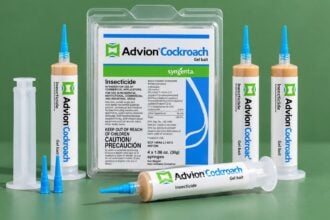
The gel bait is super useful in this regard cause smokybrown roach will eat the bait and share it with other fellows and eventually kill off lots of other roaches as well.

When Should You Call a Pest Control Professional?
If you keep finding roaches in your kitchen or bathroom despite sealing gaps and clearing your yard, you likely have an established nest inside your attic or wall voids. At that point, diy barely helps you clear out the whole colony. Calling a trusted company like Orkin gives you access to licensed technicians who are trained to help manage smokybrown cockroaches and similar pests. An Orkin pro will inspect your attic, crawl space, and exterior perimeter to build a customized cockroach treatment plan specifically for your situation.
Frequently Asked Questions (FAQs)
Do smokybrown cockroaches fly into houses?
Yes, they do. Unlike German cockroaches that only glide short distances, adult smokybrown cockroach males and females are strong fliers. Warm summer evenings and bright outdoor porch lights draw them straight toward your home, where they land near doors, windows, and roof vents before crawling inside.
What is the lifespan of smokybrown cockroaches?
Smoky brown roaches under good conditions can survive as long as two years though they easily average over a year (typically 6 to 10 months to over a year total from egg to natural death). An adult female lives about 218 days on average, and a male about 215.
Do Smokybrown Cockroaches Come Through Drains?
They rarely live inside active sewer lines like American roaches do, though a thirsty smoky brown cockroach can definitely climb up through dry floor drains in basements, garages, or utility rooms.
Wrapping Up…
Smokybrown cockroaches usually begin outdoors, in damp mulch, leaf litter, tree holes, woodpiles, and other protected spots. They move toward houses when they find light, moisture, food, or a suitable hiding place. From there, they can enter through roof vents, siding gaps, doors, windows, and openings around utility lines. To Get rid of smokybrown cockroaches, inspect the outside of your home first. Repair damaged screens, seal suitable gaps, clean the gutters, trim branches, and reduce damp debris near the foundation. If you continue to find adults or nymphs indoors, arrange a professional inspection. The sooner you identify their hiding places and access routes, the easier it is to keep them outside.