
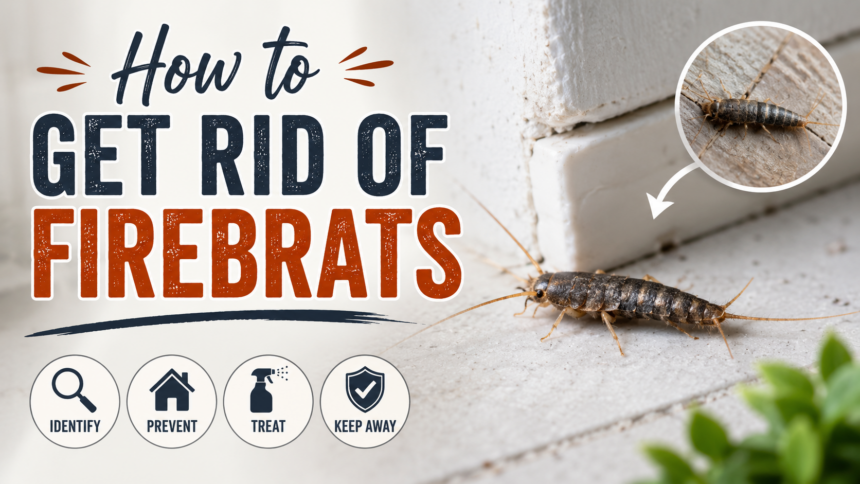
The fact is, people who often find firebrats in their home have never heard of them before they actually encounter. They look quite similar enough to silverfish that misidentification is common.
Firebrats are heat-loving insects and they pretty much concentrate around furnaces, water heaters, attics, and steam pipes.
A firebrat infestation that gets treated like a silverfish problem tends to persist because the environmental conditions driving it never get addressed. After spending hours on research, we are here to covers what firebrats actually are, where they hide, and the specific steps that you could actually take to produce real results in getting them out of your home.
Table of Contents
Quick Info About Firebrats
Appearance
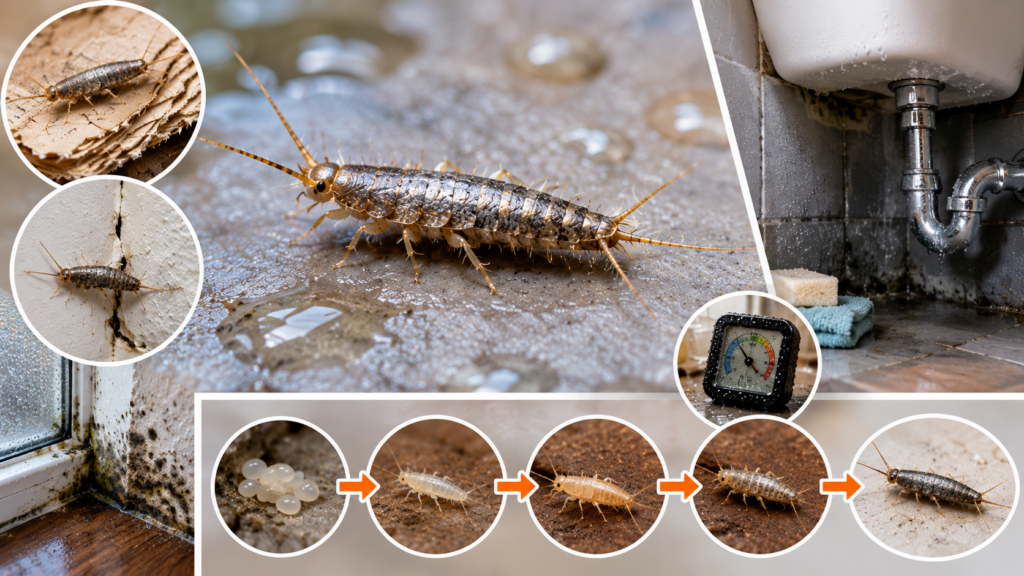
Firebrats are grayish-brown and speckled with darker spots across their back. Their body tapers from front to back in a carrot-like shape, and two of their most distinguishing characteristics are a long pair of antennae and three long, slender, hair-like structures that extends from the last segment of the body. Unlike pincher bugs, they do not have wings, tho they move around by running rapidly.
Habitat
Firebrats are primary occupants of environments that run generally dark and warmer than 90 degrees Fahrenheit. Near dryers, hot water heaters, steam pipes, ovens, and attics are the classic concentration zones you would spot them. They show up in boiler rooms, behind furnaces, and in insulation-heavy attic spaces. Unlike silverfish, which prefer cooler and more moderately humid environments like bathrooms and basements, firebrats specifically seek out the hottest areas of a structure.
Life Cycle
Firebrats reach reproductive maturity in a matter of weeks if the conditions are warm. They often lay eggs in batches of roughly 50 and hatch in just under two weeks, turns out, why a homeowner may suddenly see a large number of small firebrats in locations where they have never appeared before.
Signs of a Firebrat Infestation
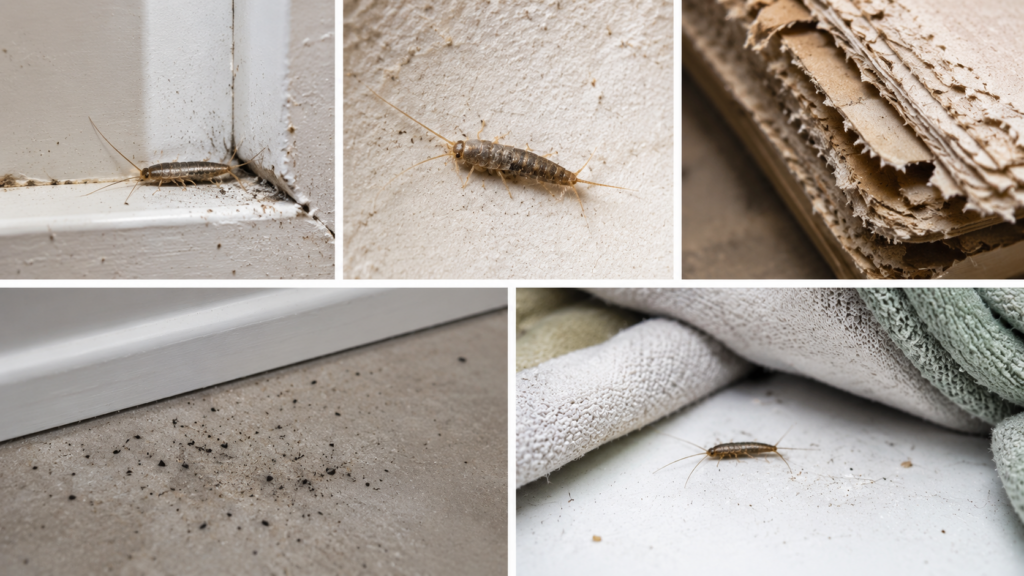
- Live firebrat sightings near water heaters, dryers, or furnaces, and this could boom especially in the late evening hours
- Presence in attic spaces and boiler rooms
- Irregular feeding damage on paper products, books, cardboard, and starchy fabrics like cotton and linen
- Yellow staining or small pepper-like fecal deposits on surfaces near heat sources
Where Firebrats Usually Hide
- Behind baseboards
- Around the furnace cabinet and along the ductwork running from it
- Near insulation in attic spaces
- Inside wall voids
- Beneath and behind the dryer
- Around steam pipes
- In stacked cardboard boxes
- Under the hot water
How to Get Rid of Firebrats
Reduce Heat and Moisture Levels
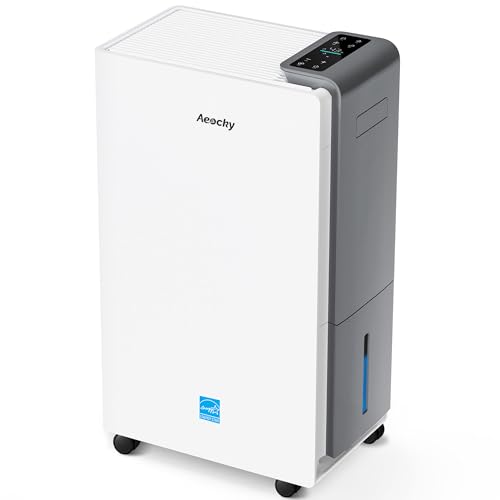
It’s the foundation of getting firebrats off of your wall voids. Since firebrats do not stay in cool, dry environment, it’d be a great idea to cut the heat off or run a dehumidifier. We’ve attached a best dehumidifier to get rid of firebrast so you can check it.
Deep Clean Infested Areas

Firebrats feed on starchy materials including paper, glue, wallpaper paste, book bindings, and certain food residues. Clearing out stacked cardboard, old magazines, and stored paper goods from utility spaces and attic areas takes away the food sources that sustain the population between feeding cycles. Vacuum the floor edges, wall junctions, and any cracks in the infested area before applying any treatment product.
Seal Cracks and Entry Points
Firebrats move between heated spaces through cracks in baseboards, gaps around pipe penetrations, and openings in wall voids. Sealing these with silicone caulk reduces the movement pathways that allow the population to spread from a primary heat source into adjacent living areas. Pay particular attention to where utility pipes pass through walls and floors, as these openings are rarely sealed during construction and stay open indefinitely.
Use Sticky Traps

Sticky traps, as monitoring and population reduction tools, should be set out along wall perimeters in utility areas, behind the furnace, near the water heater, and along the attic floor perimeter. Since Firebrats travel along the edges of walls, check the sticky traps in a few days to determine where activity is most concentrated. Then, move the traps to those locations. While sticky traps do not remove Firebrats, they do help determine if the control methods are having an effect on the active population or if the population is simply being relocated.
Use Boric Acid With Caution
Boric Acid is one of the most effective firebrat control methods at the chemical level. It is recommended to use this method as a dust, along the edges of attic floors, pipe holes, and as dust in wall voids. Among the other insect control methods, Boric Acid is best for firebrats because it dehydrated the exoskeleton of the insect. Boric Acid also retains its control properties in dry, desert climates and warm, low-humidity environments. Boric Acid should be kept away from pets and children. When applying boric acid, use a dust mask.
Use Diatomaceous Earth

Food-grade diatomaceous earth serves as an excellent replacement for boric acid control methods. In the utility and attic spaces where boric acid control may be limited, diatomaceous earth can be applied along the bases of water heaters and furnaces, as well as along baseboards and attic spaces. Food-grade diatomaceous earth is safe for use in homes because it is non-toxic to humans and pets.
Best Firebrat Treatment Options
Chemical Treatments
Residual insecticide sprays and dusts containing pyrethrin, deltamethrin, or cyfluthrin are labeled for silverfish bugs and similar insects including firebrats. Apply along baseboards, in attic spaces, and around the perimeter of furnace and water heater areas following label directions. These products provide a knockdown of the active population alongside residual protection for several weeks after application.
Natural Firebrat Control Methods
To manage firebrat populations naturally, consider diatomaceous earth or boric acid. As previously mentioned, these options can be used along with environmental modifications to control moderate firebrat populations without introducing chemicals. Cedar oil spray can be used for natural control if sprayed in in wall voids or other crevices. The natural firebrat control option with the most impact (and longest lasting effect) is the removal of the population’s supporting factors: heat, moisture, and food.
Professional Pest Control Services: Why You Should Consider Orkin
Once firebrats establish more extensive infestations in areas of your structure that are difficult for you to access yourself (in your walls, in nesting voids of your attic, etc.), environmental modifications with control chemicals are not enough. You will want to contact a pest control professional since effective firebrat elimination requires structural exclusion that a typical homeowner cannot implement.
Since firebrat infestations are difficult to control once they have spread throughout your home, it is recommended that you contact your local Orkin service branch. Orkin technicians are better prepared to access areas of your home that you cannot reach and are better prepared to treat the pests more effectively by removing the supporting factors for the pest population.
Firebrats vs. Silverfish: What’s the Difference?
| Feature | Firebrats | Silverfish |
| Preferred Temperature | Warm, above 90°F | Cool to moderate |
| Color | Gray-brown with darker spots | Uniform silver |
| Common Location | Near heat sources, attics, furnaces | Bathrooms and basements |
| Activity | Mostly nocturnal | Mostly nocturnal |
| Humidity Preference | Moderate to low | Higher humidity |
The key practical takeaway from this comparison is that finding the insect near a water heater or furnace points toward firebrats, while finding it in a cool bathroom or basement points toward silverfish. The control approach for each diverges at the environmental modification step, which is why accurate identification before treating matters considerably.
Conclusion
Get rid of firebrats by working across three fronts simultaneously: reducing the heat and moisture conditions that draw them in, clearing the food sources that sustain them, and applying targeted treatments in the spaces where they concentrate. No single step resolves a firebrat infestation reliably without the others working alongside it. Address the environment, seal the entry points, apply boric acid or diatomaceous earth in the right locations, and bring in professional support when the infestation is established beyond what surface-level access allows.