

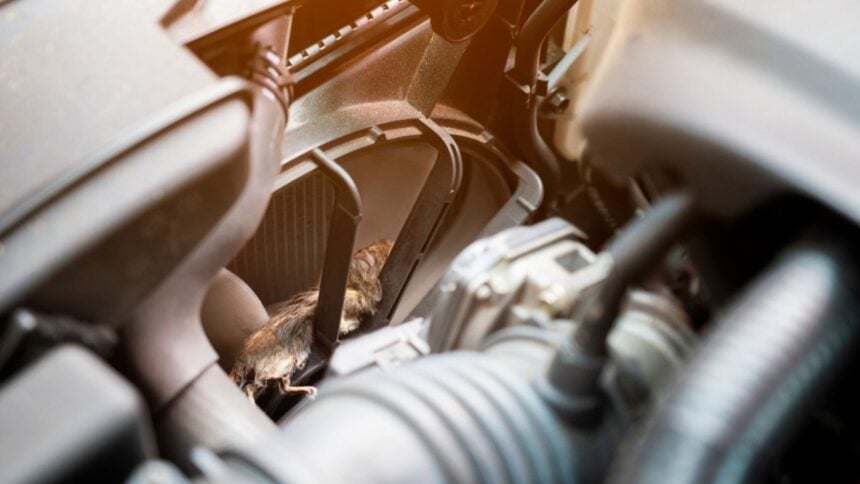
Finding mice in the car engine compartment ranks among the most annoying problems car owners face. Not only are mice dirty and disease-ridden, but they also chew through wiring and insulation that can cost hundreds or thousands to repair.
These small rodents infest cars year-round but become particularly bold during colder months when they seek warm shelter. Mouse damage to car wiring causes electrical failures, check engine lights, and even fires in extreme cases.
The problem of having a mouse in your car is no laughing matter. This article covers the basics of how to get rid of a mouse in your car as well as how to keep mice out of car engine compartments for good.
Table of Contents
Quick Signs You Might Have a Mouse In Car Engine
- Gnawed wires around engine
- Shredded gauze in vents
- Claw marks and droppings
- Unusual engine compartment odors
- Flashing check engine light
- Nesting material visible
Where Mice Hide Under the Hood (And Why They Pick These Spots)
Understanding where rodents in car engine areas hide helps you inspect thoroughly and prevent mice in car engine spaces effectively. Mice seek warmth, shelter, and quiet spots that feel safe from predators. Your engine compartment offers all three, especially when the car sits unused for days. These nocturnal creatures are active from dusk till dawn, which means they work on building nests while you sleep.
| Area to Inspect | Why Mice Are Attracted to It | Signs to Watch For |
| Rear corners of the engine bay (near the windshield) | These areas are quiet, protected, and usually undisturbed, making them warm and safe hiding spots. | Leaves or grass gathered together, small droppings, and bits of shredded insulation. |
| Around the battery | The flat surfaces and surrounding cables create small hiding spaces that mice find comfortable for nesting. | Nesting material packed around wires and droppings sitting on nearby ledges. |
| Beneath plastic covers or trim panels | The overhead cover provides shelter, giving mice a den-like space that feels protected. | Shredded debris, droppings underneath the cover, or chew marks on plastic edges. |
| On top of the engine cover (if present) | The warmth from the engine combined with an area that is rarely inspected makes it appealing. | Leaves, nesting materials, or a strong odor concentrated in one spot. |
| Along wiring bundles and hoses | These pathways help mice move around easily, and the wire coating may attract chewing. | Frayed wire coverings, bite marks, and scattered debris nearby. |
| Any small corner or hidden pocket | Tight spaces with protection on several sides feel safest, especially if the car is parked for long periods. | Small piles of nesting material and droppings hidden in corners. |
Mice also crawl into vents, air filters, and sometimes even the passenger space if they find entry points. Inside vehicles, they can easily die and fill a car with stench in the process if not discovered quickly.
If mice keep returning to your car engine despite using repellents or traps, the issue may extend beyond the vehicle. Angi helps you connect with local professionals who can identify entry points and stop recurring infestations effectively.
What Time of Year Do Mice Seek Shelter in Cars?
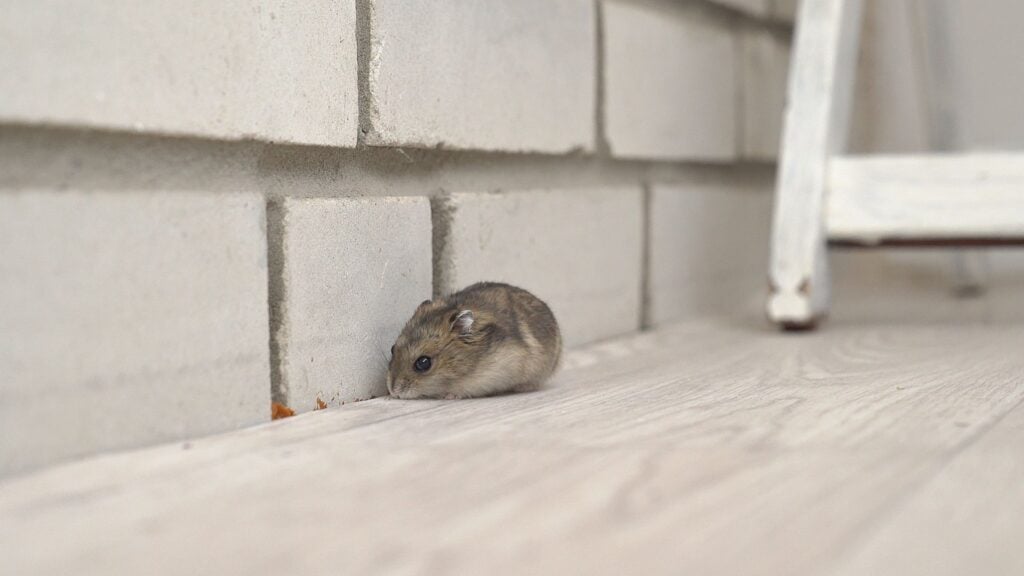
Fall and winter see the highest rates of mice nesting in car engine compartments. Cold weather drives these animals to seek warm shelter, and recently used engines provide ideal heat. However, summertime infestations happen too, especially in rural areas or near fields. Mice are more likely to spend more time indoors during extreme heat or cold. Cars parked near buildings where mice travel frequently face higher risk year round since rodents are often going in and out of buildings.
Step by Step: How to Clean the Engine Compartment After Mice
1) Don’t start the car (yet)

Starting your engine with a mouse nest in vehicle engine areas can cause serious damage. Nesting material might block air flow, wrap around moving parts, or catch fire from hot components. Even if mice don’t invade the passenger area, a flashing check engine light could indicate damage under the hood. Open the hood first and inspect visually before turning the key.
2) Gear up and ventilate
Put on disposable gloves and a dust mask before touching anything. Mouse droppings carry diseases that become airborne when disturbed. Work outside or in a well ventilated garage with the hood fully open. Keep a trash bag nearby for disposing of contaminated materials. Never use your bare hands to remove nesting material or droppings.
3) Remove nesting material first (slow and careful)
Use tongs or a stick to gently pull out visible nesting material. Mice build nests from shredded paper, fabric, insulation, leaves, and grass. Work slowly to avoid spreading droppings everywhere. Check the air filter housing, around the battery, behind plastic covers, and in every corner. Remove everything you find and seal it in a plastic bag. Double bag if the infestation was severe.
4) Wipe down the area
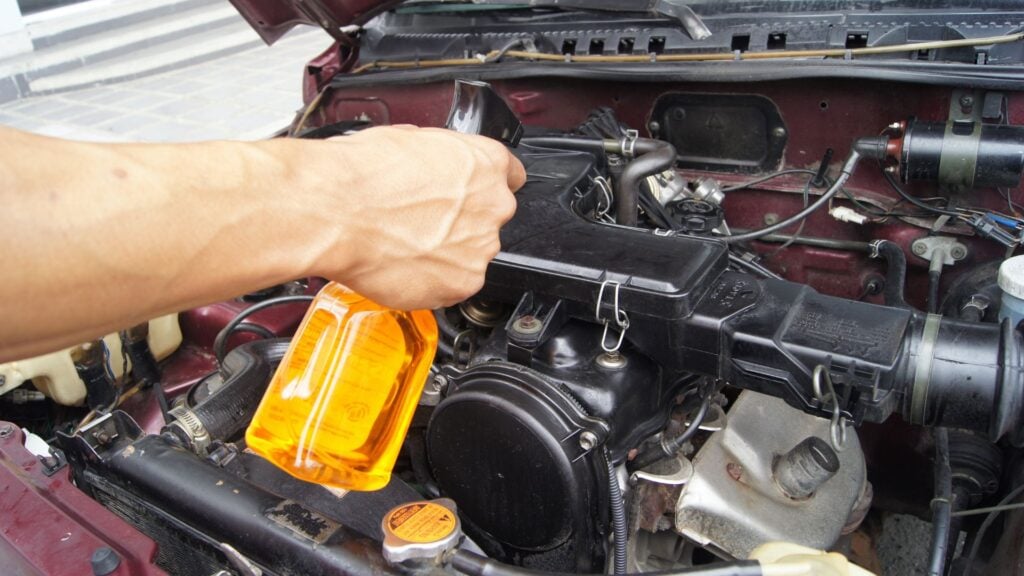
Spray contaminated surfaces with a disinfectant solution or diluted bleach. Let it sit for five minutes to kill pathogens. Wipe everything down with disposable paper towels or rags you plan to throw away. Pay special attention to flat surfaces where droppings accumulated. Clean around wiring harnesses and hoses where mice traveled. The goal is removing all traces of mouse presence, which helps keep mice out of car engine areas going forward.
5) Check for obvious damage (you’re not diagnosing, you’re just looking)
Examine visible wiring for chew marks or exposed copper. Look at rubber hoses for tooth marks. Check if insulation was pulled off components. You are not trying to diagnose electrical problems, just noting obvious physical damage. Take photos of anything suspicious. If you see extensive wire damage or are unsure about safety, have a mechanic inspect before starting the engine. Minor cosmetic damage to plastic covers usually does not affect operation.
How to Keep Mice From Coming Back to Your Car Engine Compartment
Scaring mice off is not the same as stopping them
You will find plenty of impractical advice online about spraying the doors or coating your car with hot sauce to deter mice. These methods rarely work long term. Scent based deterrents wash away in rain. Ultrasonic devices show mixed results at best. Mothballs are toxic and illegal to use this way in many areas. Dryer sheets might smell nice to you but do nothing to actually prevent mice in car engine compartments.
- The most effective way to keep mice out of car engine spaces involves removing what attracts them and blocking entry points. Park your car indoors whenever possible. A garage sets up a buffer zone between the vehicle and the outdoors where mice live. If indoor parking is not available, choose open areas away from buildings, woodpiles, and tall grass where mice nest.
- Drive your car regularly. Daily use prevents mice from settling in because the engine heat, movement, and noise discourage nesting. Cars that sit for weeks become mouse hotels. If you store a vehicle long term, start it weekly and let it run for 10 to 15 minutes.
- Block access points around the engine compartment. Check where cables and hoses enter the cabin. Stuff steel wool into gaps since mice cannot chew through it. Some people install wire mesh screens over air intake openings. This works but requires careful installation to avoid blocking air flow.
- Remove food sources near where you park. Do not leave trash, birdseed, or pet food accessible near your vehicle. Clean up fallen fruit if you park under trees. Mice will not nest in your car if better food and shelter exist elsewhere nearby.
The Key Takeaway
How to stop mice from getting in car engine compartments boils down to three principles: eliminate attraction, block access, and maintain regular use. You cannot completely mouse proof your car while keeping it functional, but you can make it far less appealing than natural shelter. Combining multiple prevention strategies works better than relying on any single method. The effort you invest in prevention saves money compared to repairing mouse damage later. Keeping mice out of the garage is another major problem many people deal with. We’re currently working on a complete guide on that topic, so stay tuned for the upcoming post.
Wrapping Up…
Learning how to keep mice out of car engine areas protects your vehicle from expensive damage. Mice in car engine compartment situations cause problems ranging from annoying odors to catastrophic electrical failures. Regular inspection, proper cleaning after infestations, and smart prevention keep these pests away. How to keep mice out of car hood spaces requires understanding what attracts them and what blocks their access. Park indoors when possible, drive regularly, seal entry points with steel wool, and remove nearby food sources. To rodent proof your car completely remains impossible, but these practical steps dramatically reduce your risk. The mouse in car problems you prevent today save you from repair bills and headaches tomorrow.