
Voles and moles rank among the most frustrating pests you could possibly want to get rid of, especially if you have a beautiful lawn or productive garden. These small burrowing creatures cause extensive damage that ruins months of careful landscaping work.
Voles vs moles damage helps you choose the right removal strategy, and pretty much lets you know which pesky animal you’re dealing with.
Whilst both could dig and disrupt your yard, they behave quite differently and require distinct approaches. This is what you’re going to find out in this blog. We did solid research and came up with proven methods to get rid of voles and eliminate moles permanently. You’ll figure out techniques that actually work rather than old wives’ tales.
Scroll down!
Table of Contents
Difference Between Voles and Moles
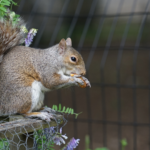
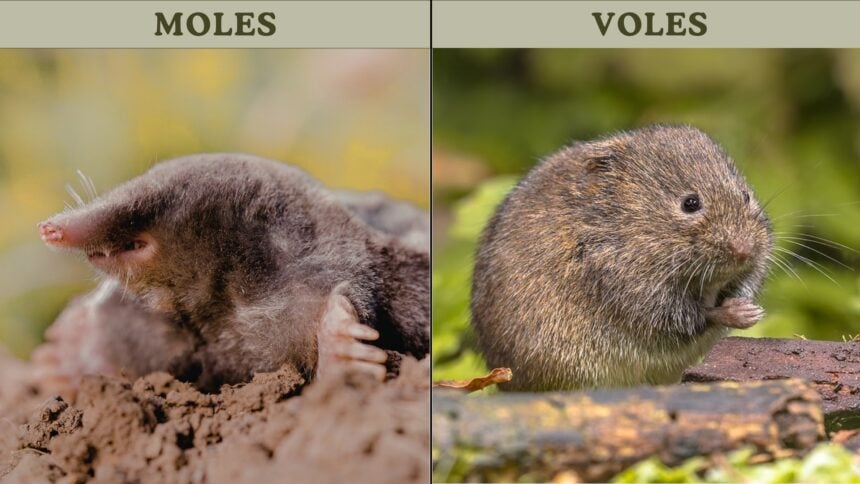
Voles resemble a cross between a mouse and a hamster and apparently have lush fur and small, rounded ears. Over 100 vole species exist worldwide, though only a few commonly invade gardens.
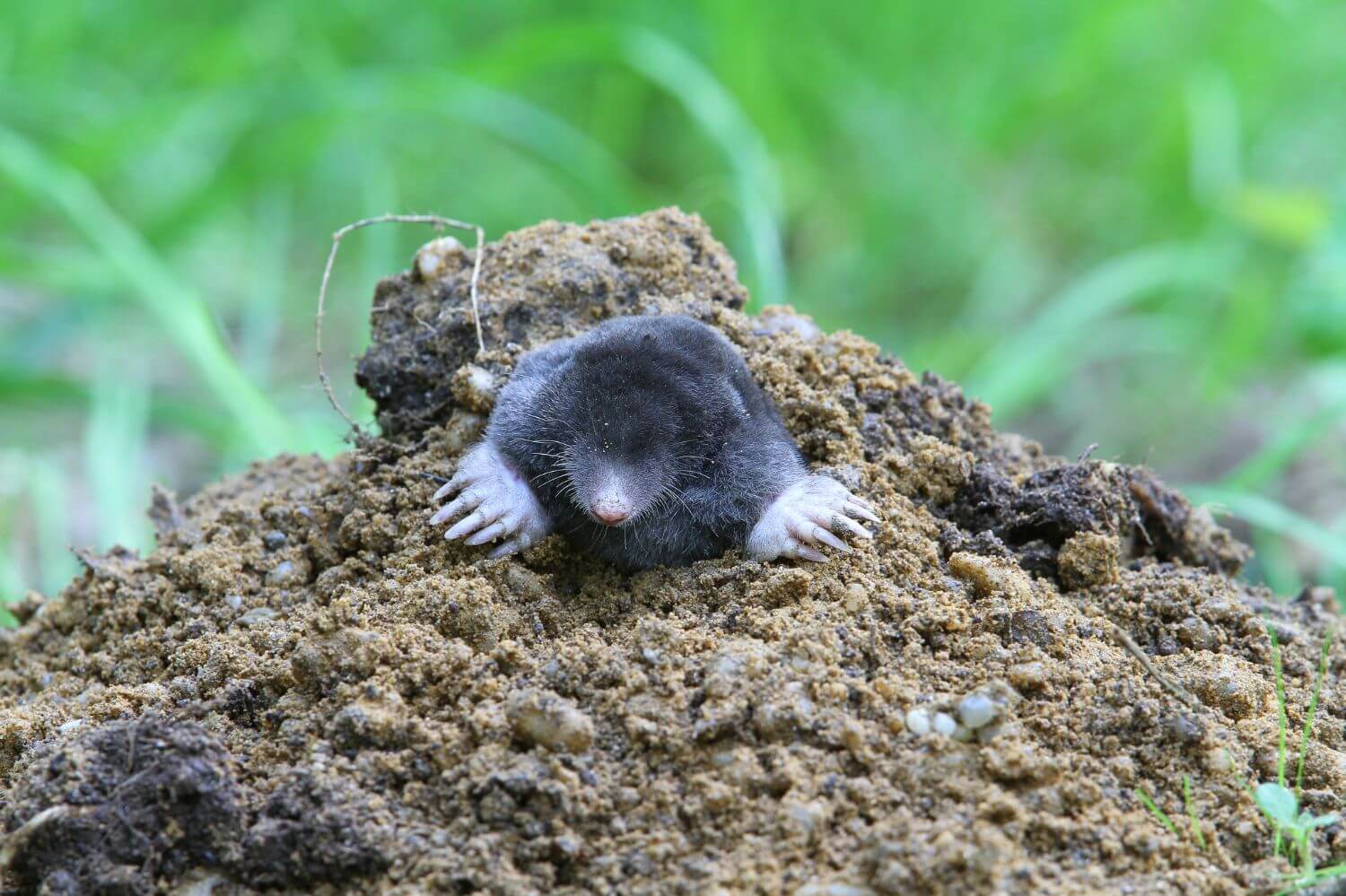
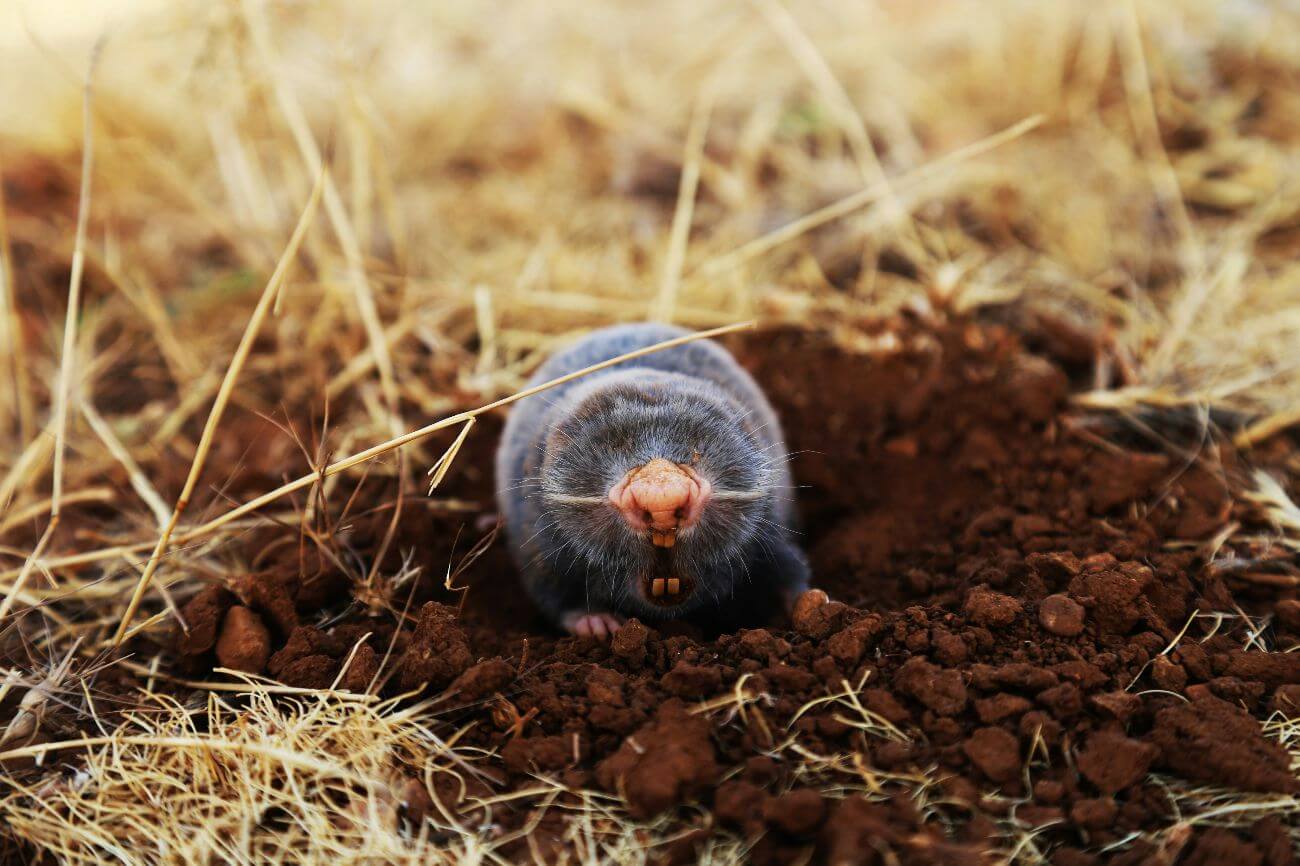
They measure between 4 and 8 inches long, including the tail, have brown or gray fur, and weigh only about 2 ounces. Moles are smaller and have longer pointed snouts, almost invisible eyes and ears, darker gray fur, and specialized paws made for digging.
Their diets differ, too, compared to Moles. Voles eat vegetation, including roots, bulbs, and bark. Moles opt for worms, insects, and grubs found underground.
If voles or moles keep damaging your lawn despite traps or repellents, the infestation may be deeper underground. Angi helps you quickly connect with local professionals who can handle persistent rodent problems effectively.
Signs You Might Have Voles or Moles in Your Yard
Signs of Vole Damage
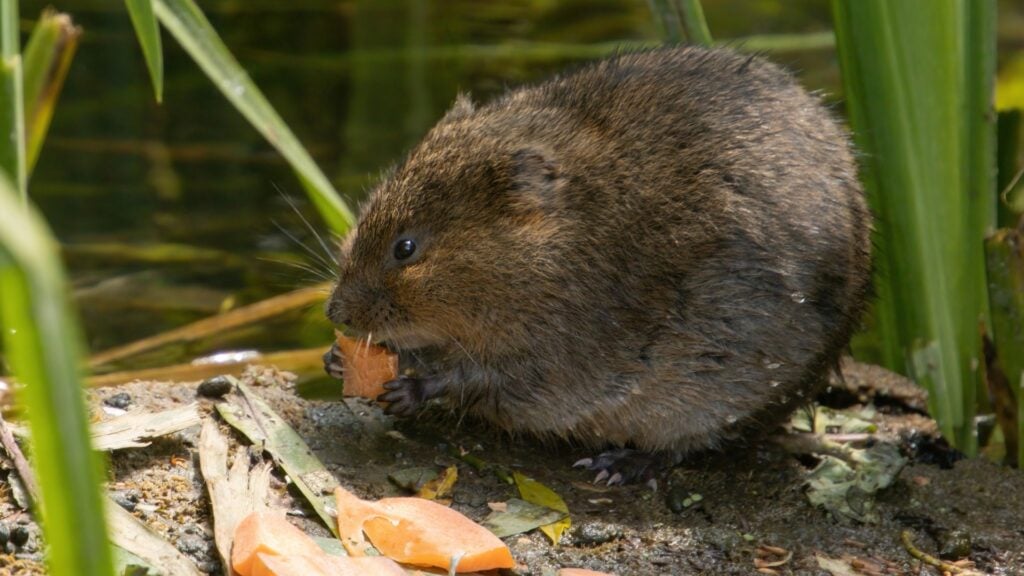
- Surface runways in grass
- Chewed plant roots
- Damaged garden plants
- Gnawed tree bark
- Missing bulbs and tubers
Voles create visible surface runways that look like narrow paths through your lawn where grass has been trampled or eaten. You will find chewed roots when you examine damaged plants closely. Garden vegetables, flowers, and young trees all suffer from vole feeding. The type of runway distinguishes voles from moles, as voles prefer aboveground runways whilst moles travel underground.
Signs of Mole Activity
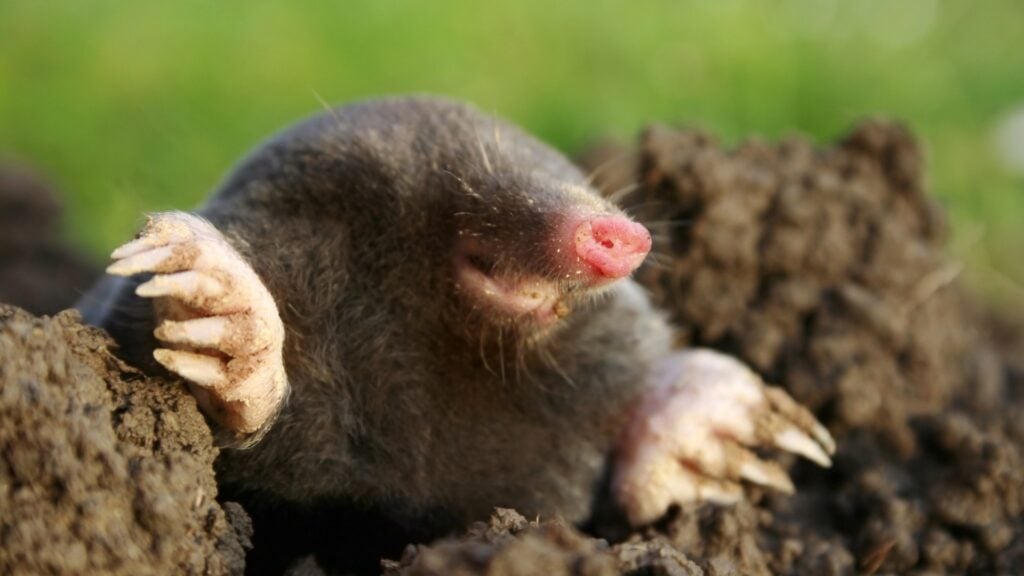
- Raised soil tunnels
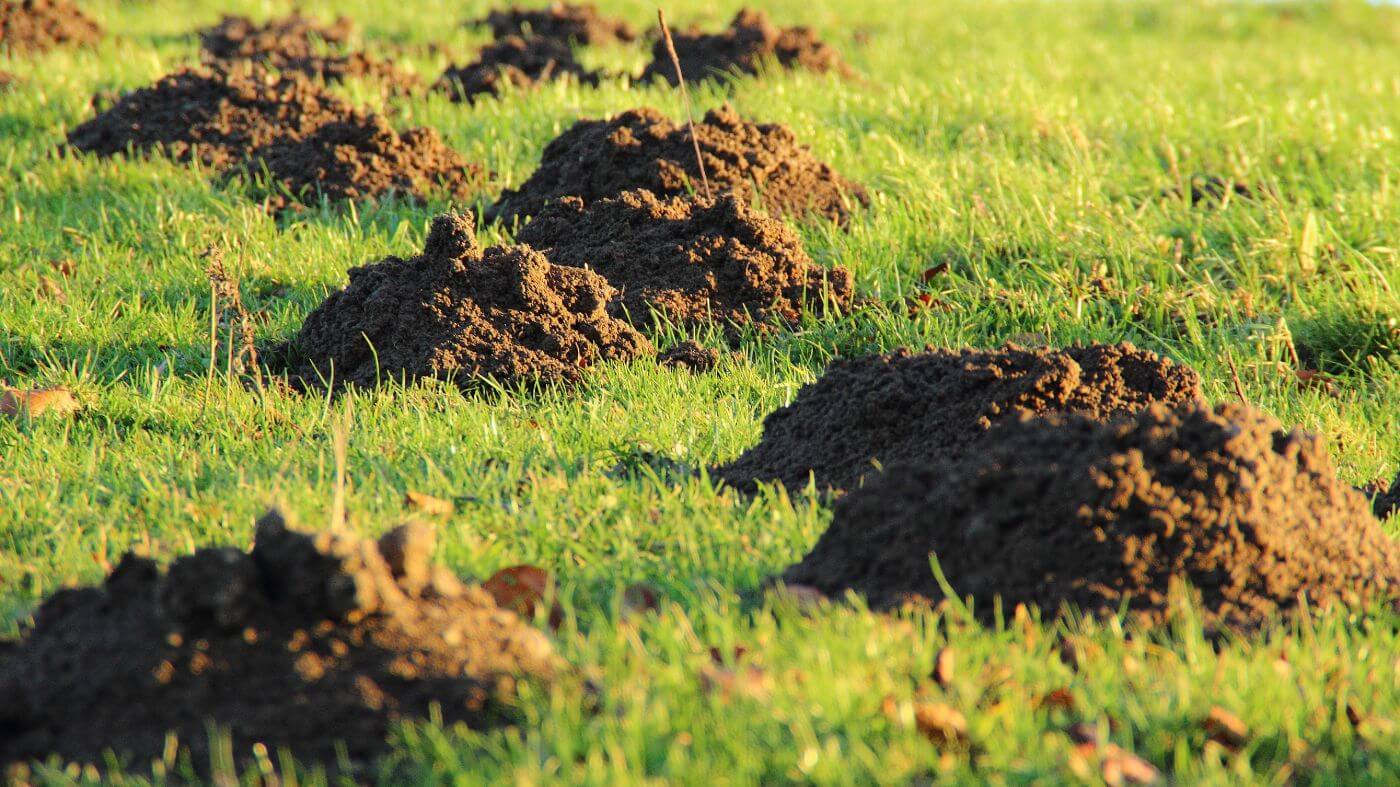
- Cone shaped dirt mounds
- Soft or uneven lawn
- Surface ridges in grass
- Dying grass patches
The presence of dirt mounds signals mole activity, appearing as volcano shaped piles of fresh soil. Raised tunnels create ridges across your lawn where moles have pushed up soil whilst digging. Walking across these areas feels spongy underfoot. Grass dies when mole tunnels sever roots from soil contact.
7 Ways to Get Rid of Voles Moles Permanently
Mouse Traps
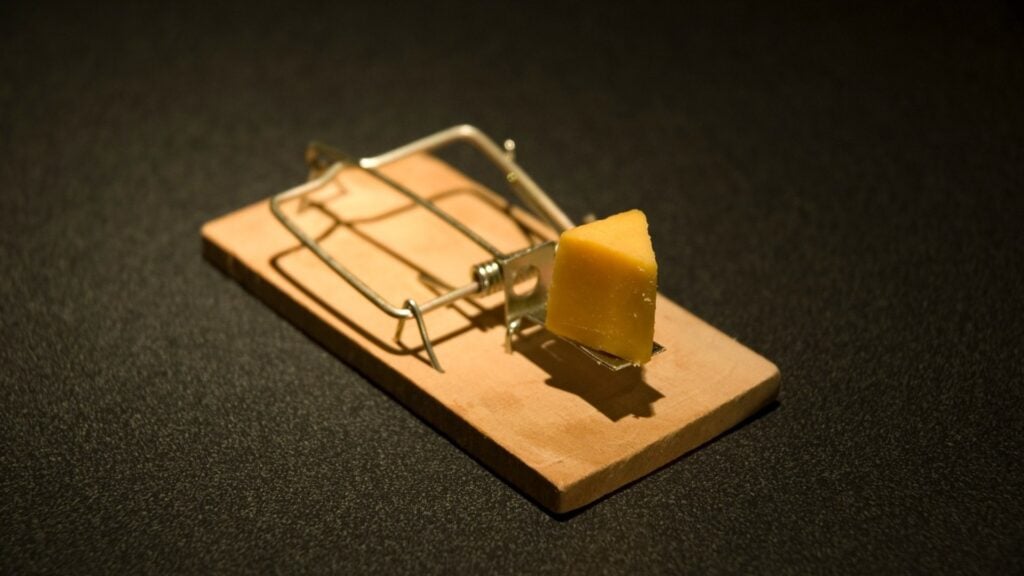
Standard mouse traps work effectively to get rid of voles moles when placed along their runways. Bait the traps with peanut butter, apple slices, oatmeal or anything that attract this animal. Position traps perpendicular to runways with the trigger end facing the path. The best time to trap is either autumn or late winter when vole populations peak.
Check traps daily and relocate or dispose of caught voles. For moles, specialized mole traps that trigger when the animal pushes through tunnels work better than surface traps. These require more skill to set properly, but they obviously do catch moles efficiently if you manage to position them correctly.
Live Traps
You can install Havahart style live traps if you prefer not to kill voles or moles. These cage traps capture animals unharmed, and in turn, allow you to move them to an approved location at least five miles from your home.
This distance prevents them from simply returning. Live trapping requires daily monitoring since captured animals need prompt release. This method works well for vole control in yard areas, but proves difficult for moles, who rarely surface. The humane approach appeals to many gardeners, though it requires more time investment than lethal methods.
Commercial Repellents
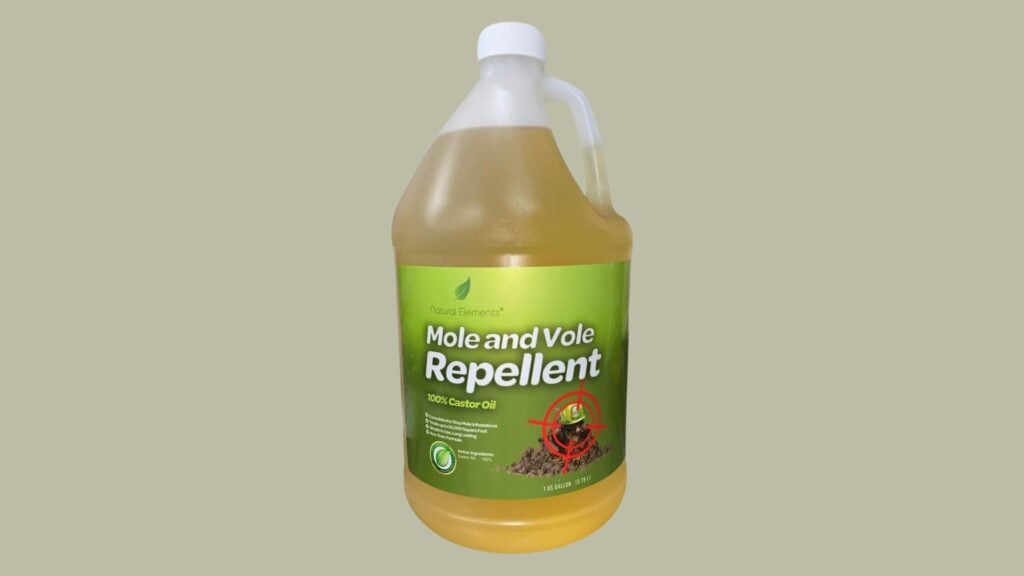
Chemical repellents designed to get rid of moles use active ingredients that irritate the animals’ sensitive noses and drive them elsewhere. Products containing castor oil, predator urine, or capsaicin are marketed for both voles and moles.
Application usually involves spreading granules around affected areas or spraying liquid formulations. Results vary significantly, and most repellents require frequent reapplication after rain. Commercial products cost more than home remedies but come with usage instructions and concentration guarantees. This is by far the greatest method we’ve seen to get rid of moles and voles naturally.
Fencing
Installing underground barriers helps get rid of voles by excluding them from garden beds and valuable plantings. Bury hardware cloth or chicken wire at least 12 inches deep with 6 inches extending above ground.
The mesh should have quarter inch or smaller openings to block voles. This method works best for protecting specific areas rather than entire lawns. For trees, wrap trunks with hardware cloth guards extending from below ground level to at least 18 inches high.
Gravel
Creating gravel barriers sort of like a bridge on a roadway discourages both voles and moles from crossing into protected areas. Dig trenches around garden beds and fill them with coarse gravel or crushed stone. Voles dislike traveling over sharp gravel, and moles find it difficult to tunnel through.
The barrier should be at least 6 inches deep and 4 inches wide. This method works well for mole control in garden beds combined with other techniques. The permanent nature of gravel barriers makes them worth the installation effort for high value plantings.
Habitat Modification
Making your yard less attractive to voles and moles provides long term garden pest control without ongoing intervention.
- Remove dense ground cover, leaf piles, and thick mulch where voles hide.
- Keep grass mowed short to eliminate runway cover.
- Reduce watering to make soil less hospitable to earthworms that attract moles.
- Remove fallen fruit and secure compost bins.
- Clean up seed beneath bird feeders.
These changes create an environment where voles and moles struggle to find food and shelter. Mayhap, the animals naturally move elsewhere seeking better conditions.
Natural Repellents
Learning how to get rid of moles and voles naturally appeals to organic gardeners avoiding chemicals. Several natural substances repel these pests with varying effectiveness.
- Capsaicin: Hot pepper spray irritates voles when they contact treated plants. Mix cayenne pepper with water and dish soap, then spray on plants and runways. Reapply after rain. This creates an unpleasant feeding experience that encourages voles to relocate.
- Garlic spray: Blend fresh garlic with water and strain the mixture. Spray around garden beds and vole runways. The strong odour functions as a natural vole repellent that most animals avoid. Refresh applications weekly for continued effectiveness.
- Predator urine: Commercial products containing fox or coyote urine trigger fear responses in voles and moles. Soak cotton balls and place them near burrow entrances. Replace every few weeks as the scent fades.
- Castor oil: Using castor oil to get rid of voles and moles works by making soil taste terrible. Mix castor oil with dish soap and water, then spray on affected areas. This method requires patience as results appear gradually over several weeks. Many gardeners report success with this approach as part of how to get rid of voles moles permanently home remedies.
- Natural Predators: Encouraging cats, dogs, owls, hawks, and snakes helps control vole and mole populations naturally. Barn owls alone can consume thousands of rodents annually. Install owl boxes to attract these natural predators. If you have a cat who can do the work for you, the hunting instinct often solves vole problems without additional intervention. Dogs may dig up mole tunnels whilst hunting, which actually helps stop moles in lawn areas by destroying their tunnel systems.
How to Identify Vole and Mole Damage in Your Lawn
Distinguishing between vole damage lawn problems and mole activity helps you target solutions effectively.
- Voles leave visible surface runways and chew marks on plants at ground level. You find missing roots when pulling damaged plants. Bark gnawing appears on trees, particularly young saplings.
- Moles create raised tunnel ridges and volcano shaped dirt mounds but rarely damage plants directly. The grass dies above mole tunnels from root separation rather than feeding. Examining the specific damage type tells you which pest you face and guides your control strategy.
Wrapping Up…
Successfully getting rid of voles and moles permanently requires combining multiple strategies. This could be using traps for immediate population reduction, installing barriers to protect valuable areas, modifying habitat to discourage colonization, and employing repellents for ongoing deterrence. Knowing voles vs moles helps you choose appropriate methods. Persistence matters since both voles and moles reproduce quickly and recolonize treated areas if conditions remain favourable. We do hope you find this blog helpful in keeping voles and moles at bay.
Frequently Asked Questions (FAQs)
What kills voles fast?
Snap traps baited with peanut butter kill voles instantly, though you might need to properly place them along runways. For faster results across larger areas, cats and dogs hunt voles effectively. Trapping remains the safest fast acting method to get rid of voles without collateral damage.
What do voles hate the most?
Voles strongly dislike capsaicin from hot peppers, the scent of predator urine, and castor oil treatments. They avoid crossing gravel barriers and open areas without ground cover. Strong smells like garlic repel them temporarily.
Which animal eats moles?
Owls, hawks, foxes, coyotes, weasels, and domestic cats all prey on moles when they surface. Snakes sometimes enter mole tunnels to hunt them underground. However, since moles spend most of their time below ground, and therefore a few predators could reach them to kill them off.