
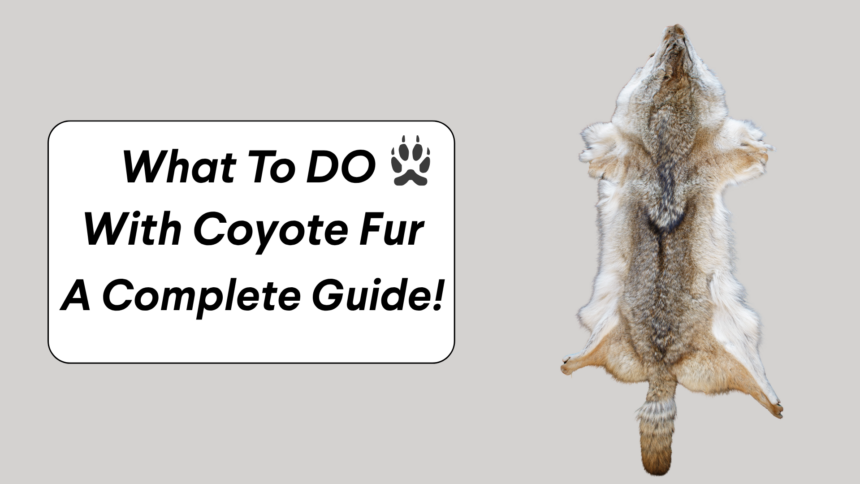
If you just harvested a yote, you are probably staring at that thick, beautiful winter coat and wondering what the next move is. It feels like a waste to just leave it in the field, especially when that fur is one of the most versatile natural materials out there. Whether you are a seasoned trapper or a landowner handling some predator control, knowing what to do with coyote fur can turn a chore into a rewarding project or even a little extra cash.
I have spent plenty of hours in the shed working on hides, and I can tell you that the difference between a high-value pelt and a piece of trash comes down to how you handle it in the first hour. This guide will walk you through the entire process of taking a raw pelt and turning it into something useful, durable, and impressive.
Table of Contents
Why You Shouldn’t Waste a Coyote Pelt
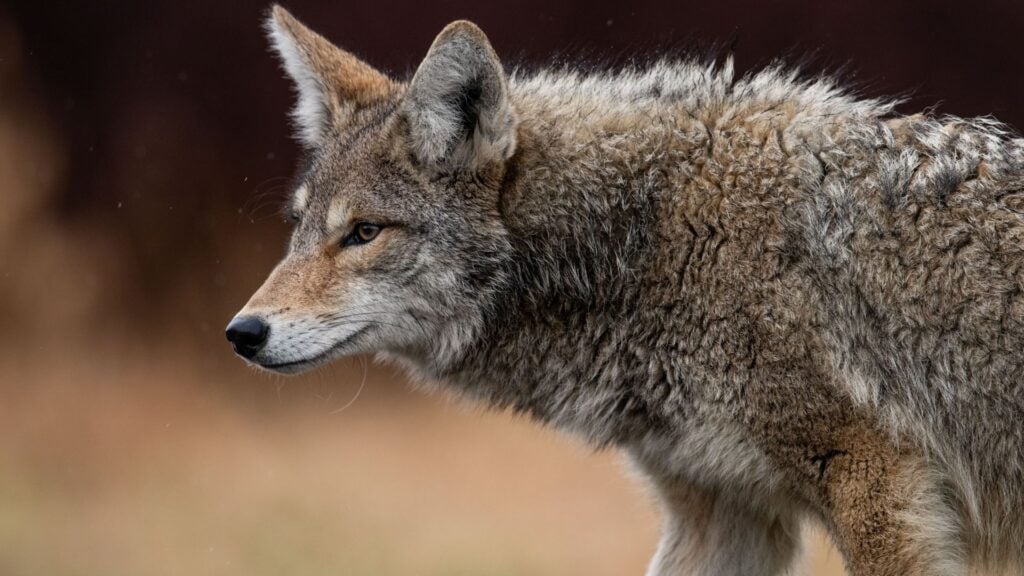
Coyotes are often viewed strictly as pests, but their fur is actually a high-performance material. The guard hairs are long and water-repellent, while the underfur is incredibly soft and insulating. In the world of high-end fashion, coyote is the gold standard for parka ruffs because it doesn’t hold moisture from your breath and won’t freeze against your face.
Beyond the utility, there is a sense of respect that comes with utilizing the animal. If you are already out there doing coyote trapping to protect your livestock or deer fawns, taking the time to process the hide is the ethical way to complete the cycle. Even if you don’t want a coat, a well-handled coyote hide makes an incredible wall hanging or a gift for someone who appreciates the outdoors.
Step-by-Step: Preparing Your Coyote Pelt
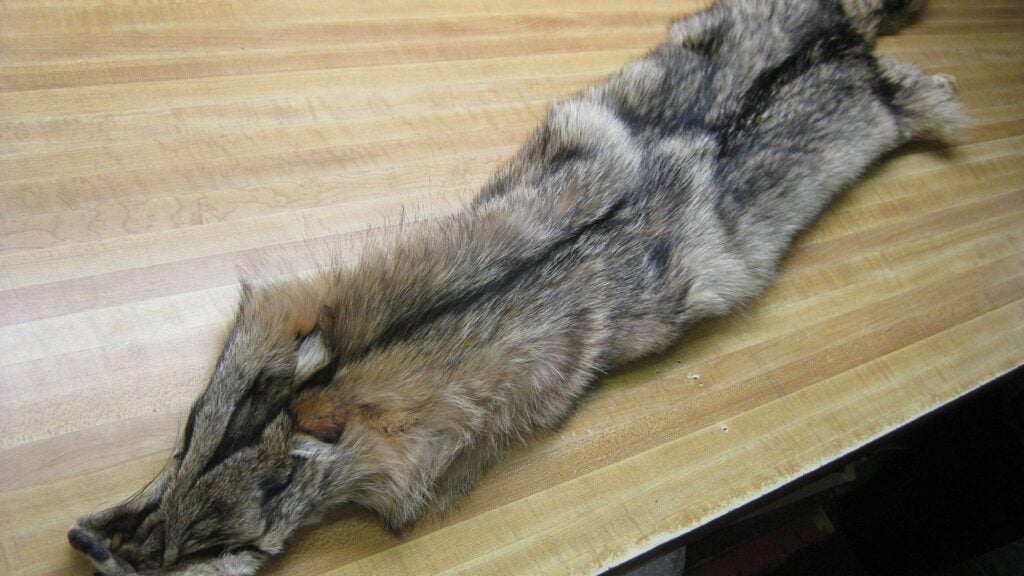
Before you can think about crafts or sales, you have to get the hide off the carcass and stabilized. If you let a coyote sit too long, the hair will start to “slip,” which means the follicles rot and the fur falls out in clumps. You want to get to work as soon as the animal is cold.
1. Case Skinning Right After Harvest
For coyotes, you almost always want to use the case skinning method. This means you peel the hide off like a sock, leaving it in a tube shape. Start by making a cut from one back heel to the other, following the “line” where the white fur meets the tan fur on the back of the legs. Work the skin around the vent and tail, then pull the hide down toward the head. You will need a sharp knife to work around the front legs and ears.
2. Fleshing and Cleaning the Coyote Hide
Once the skin is off, it is a raw pelt. It will have bits of fat and meat stuck to the leather side. If you leave these on, the oils will soak into the skin and cause “grease burn,” which ruins the leather. Use a fleshing beam and a dull fleshing knife to push that fat off. Be careful around the flank areas where the skin is thin so you don’t slice right through it. After fleshing, wash the fur with a little bit of Dawn dish soap to get the blood and dirt out.
3. Pelt Stretching and Drying
Now you need a wooden or wire stretcher. Slide the hide onto the board with the skin side facing out. This part is called pelt stretching. Pull it snug but do not overstretch it or you will make the fur look thin. Pin the tail and the back legs down so the hide stays taut as it dries. This pelt drying phase usually takes 24 to 72 hours depending on the humidity in your shop. You want the skin to feel like parchment paper, firm and not tacky.
4. Turning and Final Prep
Coyotes are sold and displayed “fur out.” When the skin is mostly dry but still slightly supple, you need to turn it right side out. If you wait until it is bone dry, it will crack when you try to flip it. Once it is fur side out, put it back on the stretcher to finish drying. Give it a good brush with a wire dog brush to fluff up the guard hairs and remove any remaining burrs.
Processing Checklist & Mistakes to Avoid
- Do: Keep your knife sharp for the initial cuts.
- Do: Use a tail stripper to remove the tail bone completely.
- Don’t: Leave the hide in the sun to dry, as this makes the leather brittle.
- Don’t: Forget to dry the ears, or they will rot and smell.
4 Main Options: What to Do with Coyote Fur
Once your pelt is prepped, you have a few directions you can go. Your choice usually depends on how much time you have and whether you want money or a keepsake.
| Option | Time Investment | Skill Level | Potential Value |
| Sell Raw | Low | Beginner | $10 – $60 (Market dependent) |
| Tan Yourself | High | Advanced | Personal Value / Craft use |
| Hire a Tannery | Low | Beginner | $25 – $40 per hide (Cost) |
| Make Crafts | Medium | Intermediate | High ($100+ as finished goods) |
Option 1: Sell the Raw Pelt
If you have a pile of hides and want a quick return, find a local fur buyer. These guys usually travel around in the winter and buy pelts out of the back of a truck or at a designated warehouse. Another route is the fur auction. You ship your pelts to a house like North American Fur Auctions (NAFA) or Groenewold, and they sell them to international buyers for a commission. This is usually how you get the best price for high-quality, “prime” winter fur.
Option 2: Professional or DIY Pelt Tanning
If you want to keep the hide, you need to tan it. Coyote fur tanning at home involves using an acid pickle and then a tanning oil to turn the skin into soft leather. It is a messy, multi-day process. If you don’t want the headache, send it to a professional tannery. They have giant tumblers that make the leather as soft as a T-shirt, which is almost impossible to achieve by hand.
Option 3: Create Coyote Hide Crafts
This is where the fun starts. If you have a tanned hide, you can make legendary hide crafts. A single coyote is perfect for a trapper hat or a pair of super warm mittens. If you have several pelts, you can sew them together for a heavy throw blanket. People also love using the tails for keychains or “bike flags.”
Option 4: Taxidermy Coyote Mount
If you happened to bag a particularly large dog or even found a legendary coyote pelt in a game or a rare color phase in real life, you might want a full mount. A taxidermist can do a lifelike “howling” pose or a rug mount with the head kept on. It is the most expensive option, but it preserves the memory of the hunt forever.
Legal and Ethical Considerations for Coyote Pelts
Before you start selling, check your local wildlife department’s website. Most states require a basic small game license or a trapping license to harvest coyotes. Some areas require you to have a “fur dealer” permit if you plan to buy and sell pelts commercially.
Ethically, we should always aim for a clean harvest. If you are doing pest control near a farm, try to time your hunting for the winter months when the fur is at its peak. A summer coyote has “flat” fur that isn’t worth much, but a January coyote is a treasure. Always respect the land and the animal by not letting the resource go to waste.
Pro Tips to Maximize Value of Every Coyote Hide
- Timing is Everything: Only harvest for fur between November and February. This is when the pelt drying results in the thickest, most valuable leather.
- Master the Cut: Always use the case skinning method. Flat-skinned coyotes are much harder to sell to a professional fur buyer.
- Clean the Fat: Spend the extra time on fleshing. A raw pelt with fat left on it will rot in the freezer or on the board.
- Cool it Down: If you can’t process a coyote hide immediately, roll it up and put it in the freezer to stop bacteria growth.
- Use the Right Boards: Proper pelt stretching on the correct sized wooden board ensures the hide doesn’t shrink or misshape.
- The Auction Route: Consider sending your best skins to a fur auction for global market prices.
- Quality Control: Brush the fur before it dries. A matted coyote pelt looks terrible and fetches a lower price.
- DIY Gear: If the market price is low, make a trapper hat. The warmth you get from it is worth way more than forty bucks.
- Explore Taxidermy: A taxidermy coyote skull is a great addition to any shelf and sells well to collectors.
- Keep Learning: Practice your pelt tanning on a few lower-quality hides before moving on to your best winter skins.
Wrapping Up…
Deciding what to do with coyote fur doesn’t have to be complicated. Whether you choose to sell your pelts to help pay for your gas and traps, or you decide to tan them for your own gear, you are taking part in a long-standing American tradition. There is a deep satisfaction in wearing a hat or using a blanket that you harvested and processed yourself. It connects you to the outdoors in a way that just buying gear at a store never can. So, grab your knife, get that coyote on the bench, and start prepping. You will be glad you didn’t leave that beautiful fur in the woods.