
If you have been noticing tiny bugs jumping around your bathroom floor, kitchen sink, or houseplants, there is a good chance you are dealing with springtails. These little insects are one of the most misidentified pests in American homes, and most people spend weeks treating the wrong problem before they figure out what they actually have.
The good news is that springtail control is very manageable once you understand what drives these bugs indoors in the first place. They are not random invaders. They follow moisture, and that gives you a clear path to dealing with them. This guide covers everything from accurate identification to proven treatment methods and long-term prevention so you can clear them out and keep them out for good.
Table of Contents
SpringTails Quick Overview
- Color: Black
- Size: 1/16″
- Legs: 6
- Antennae: Yes
- Shape: Segmented, oblong
- Region: Found throughout the U.S.
What Are Springtails and Why Do They Invade Homes
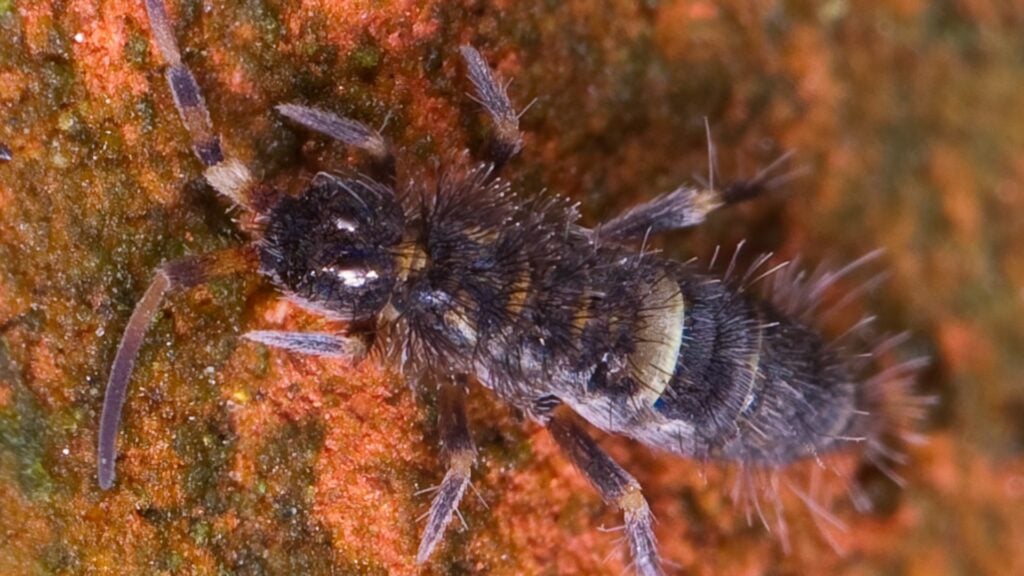
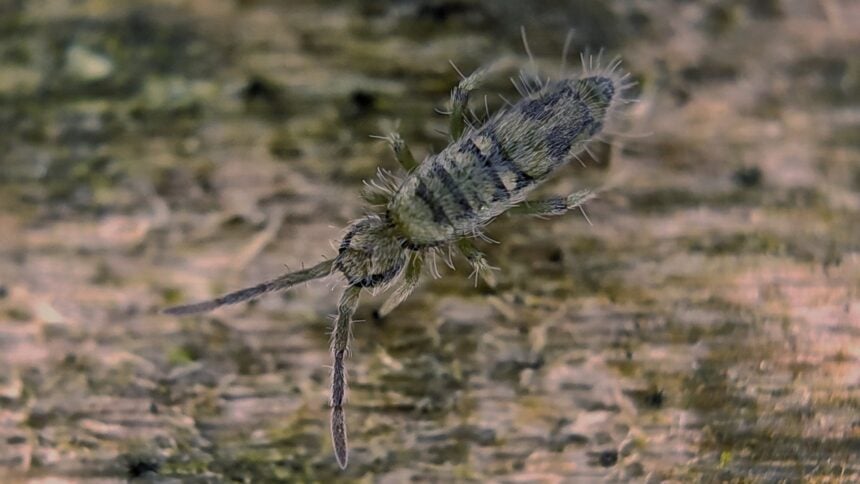
Springtails are tiny, wingless insects that measure between 1/16 and 1/8 of an inch in length. They get their name from a forked appendage called a furcula tucked under their abdomen, and when threatened, they snap it against the ground and launch themselves into the air. That jumping ability is usually the first thing people notice, and it is also what leads to misidentification.
In nature, springtails live in soil, leaf litter, and decaying wood where they feed on fungi, mold, and organic matter. They are actually beneficial outdoors because they help break down organic material and support healthy soil. The problem starts when they move indoors in search of moisture, which happens during dry spells, flooding events, or when your home has a humidity issue they can exploit.
Once they get inside, they gravitate toward damp areas like bathrooms, basements, kitchens, and potted plant soil. They do not cause structural damage, and they do not bite, but an active indoor springtails problem is a clear signal that something in your home’s moisture situation needs attention.
Identification: Springtails vs Fleas, Silverfish, and Mites
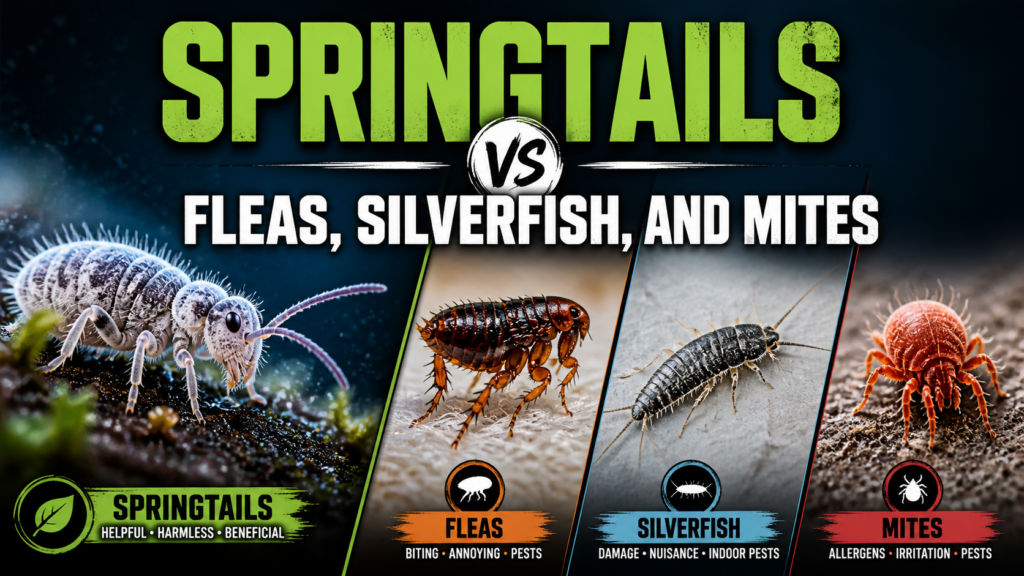
The most common misidentification mistake is confusing springtails with fleas, and it is an easy one to make. Both are small, both jump, and both seem to appear out of nowhere. The key difference is that fleas are reddish-brown and have a laterally flattened body built for moving through fur. Springtails are pale white, gray, or light brown, with a rounder, more cylindrical body shape.
Compared to silverfish, springtails are far smaller and do not have the distinctive three-tail appendages or the fish-like scales that silverfish carry. Silverfish also move in a fast, fluid wiggling motion and never jump.
Against mites, springtails are much easier to see with the naked eye and have a clearly defined body shape. Mites are often translucent and barely visible, while springtails have visible body segments and move with purpose.
If you spot jumping bugs in your house that are smaller than a sesame seed, pale in color, and show up near water sources, you are almost certainly looking at springtails. Confirming the furcula jump under a magnifying glass removes all doubt.
4 Main Causes of Springtail Infestations
High Humidity and Damp Areas
Springtails need moisture to survive, plain and simple. When indoor humidity climbs above 60 percent, it creates exactly the kind of environment they thrive in. Basements, crawl spaces, and poorly ventilated rooms are the first places they establish themselves.
Leaking Pipes and Poor Ventilation
Even a slow drip under a sink or a sweating pipe inside a wall can create enough consistent moisture to sustain a springtail population for months. Poor bathroom ventilation that lets steam linger after showers adds to the problem significantly.
Overwatered Plants and Mulch
Houseplants with consistently wet soil are one of the most common indoor springtail sources that people overlook. Outdoor mulch beds that stay damp and are pressed up against the foundation give springtails a direct bridge into your home.
Recent Heavy Rain or Flooding
After prolonged rain or a flooding event, springtails get displaced from their outdoor habitats and push indoors in large numbers. This is why many homeowners notice a sudden springtail infestation after a heavy storm, even if they have never had a problem before.
7 Proven Methods for Springtail Control
Getting these bugs out of your home requires a steady, multi-step approach. You have to remove their water source while directly cutting down their numbers.
1. Moisture Control
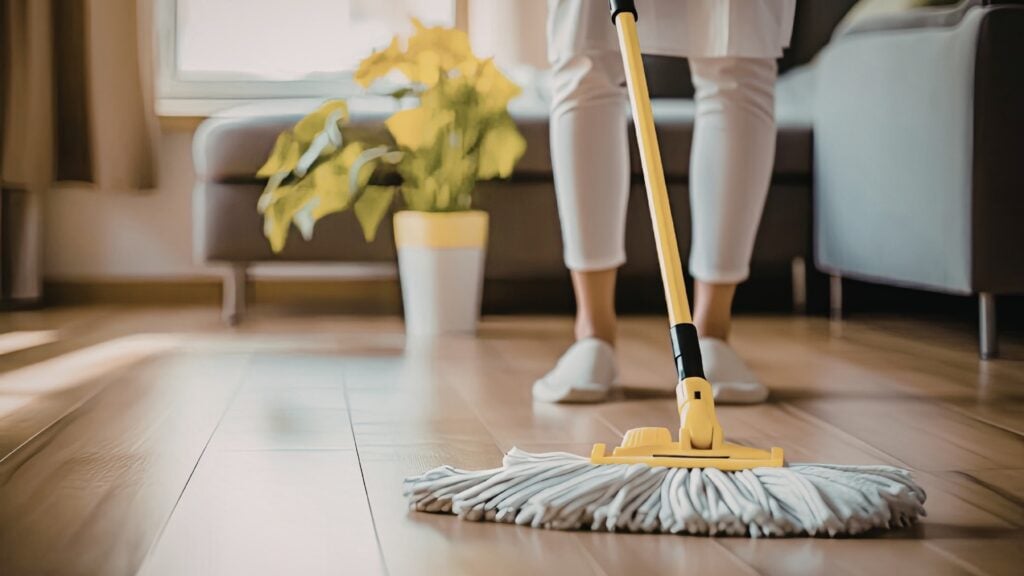
The most important step in springtail control is taking away the water they need to survive. If you eliminate the moisture, the bugs will dry out and die off quickly. You should run a dehumidifier in damp areas like the basement or crawl space to keep the humidity below fifty percent. Fix any leaky faucets or weeping pipes under your cabinets immediately. Make sure to use exhaust fans in the bathroom and kitchen after showers or cooking to pull the damp air out of the room

- Smart Auto Shut-Off Dehumidifier – Automatically shuts off when the tank is full or improperly positioned, preventing leaks and damage. A safer, worry-free dehumidifiers for home use—even when...
- Upgraded Semiconductor Dehumidification – Enhanced technology ensures efficient moisture removal with low-noise operation. Maintains stable humidity levels, covering up to 1,000 sq. ft.
- This dehumidifier offers a high-speed mode for fast moisture removal and a night mode with lights-off operation, making it perfect as a bedroom dehumidifier for quiet, comfortable sleep.
- Enhance your home with 7 customizable LED colors—switch between fixed tones or smooth color-changing modes to match your mood. The soft ambient glow doubles as a gentle night light, creating a calm...
2. Soil & Plant Treatment
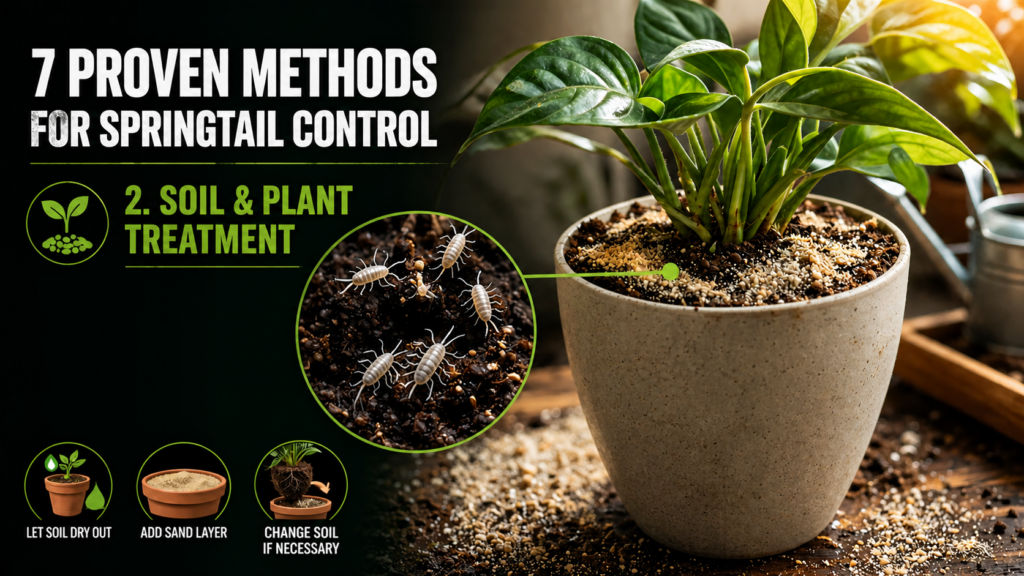
If you notice these pests crawling around your potted plants, you are likely dealing with soil springtails. To stop them, let the potting soil dry out completely before you water the plant again. You can also sprinkle a thin layer of sand over the top of the soil to create a dry barrier that prevents them from breeding. If the problem persists, you may need to take the plant outside and change the soil completely.
3. Deep Cleaning & Vacuuming
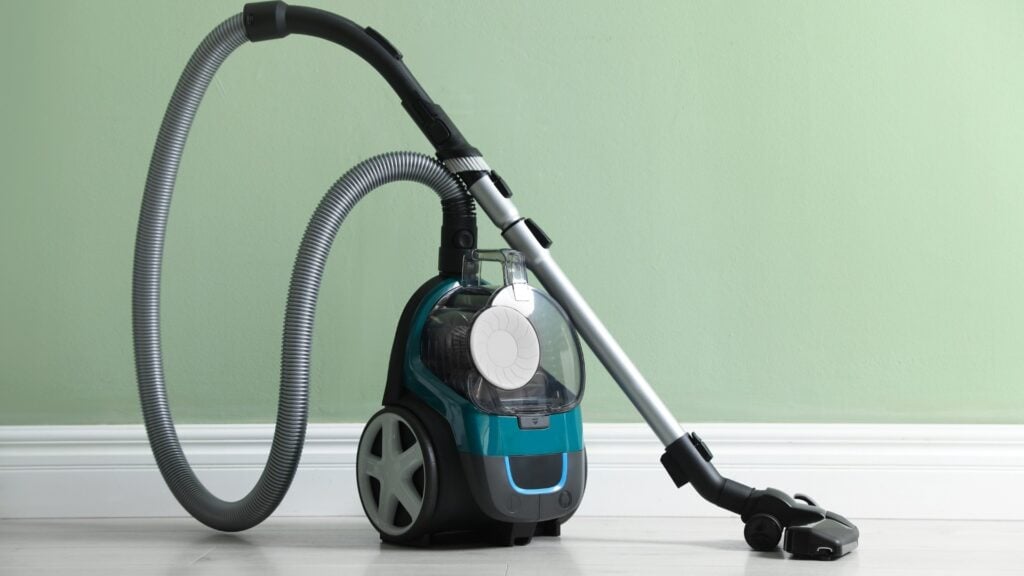
When you see large clusters of indoor springtails, your immediate response should be vacuuming. Using a vacuum cleaner with a strong suction lets you pick up thousands of these pests without crushing them against your floors or walls. Once you are done, take the vacuum canister outside to empty it directly into a trash bag. Seal the bag tightly before throwing it in the outdoor bin to prevent them from crawling back inside.

- <li title="【650W Brushless Motor | 55KPa Suction Power】The 650W brushless motor of this cordless vacuum cleaner provides an amazing 55KPa suction power, which can easily pick up pet hair, remove stubborn stains and hard-to-reach dust in corners. Quiet 【650W Brushless Motor | 55KPa Suction Power】The 650W brushless motor of this cordless vacuum cleaner provides an amazing 55KPa suction power, which can easily pick up pet hair, remove stubborn...
- 【70 Minutes Run Time | 4 Hours Quick Charge】The cordless vacuum cleaner has a powerful removable 8x2500mAh battery that provides 20-70 minutes of cleaning time (Eco mode: 70 minutes, standard...
- 【3.3Ft Extendable Hose|Reaches Car Seats & Tight Spaces】With a retractable hose (up to 1m), a 2-in-1 brush and a long, flat suction cup, you can clean car seats, under beds and ceiling corners...
- 【Self-Standing Design|No Tipping, No Clutter】Take a coffee break mid-clean – your stick vacuum stands securely on its own! Low-center design prevents falls on carpets, hardwood, or even slightly...
4. Natural & Chemical Treatments
You can use food-grade diatomaceous earth to create a dry barrier in areas where the bugs gather. This natural powder dries out the outer shell of the insects when they walk over it. You can sprinkle it along baseboards and under sinks. For a quick spray, mix a few drops of cedarwood or peppermint essential oil with water and spray the entry points. If you need something stronger, you can apply a light mist of a safe indoor insecticide labeled for crawling insects along cracks and crevices.
5. Outdoor Barrier Methods
To prevent new bugs from coming in, you need to treat the outside perimeter of your home. Clear away wet leaves, dense mulch, and firewood piles that sit right against your foundation. You can apply a liquid insecticide barrier about three feet up the foundation wall and three feet out into the soil. This treatment intercepts the pests as they try to migrate from the yard toward your doors and windows.
6. Bathroom & Basement Specific Solutions
Bathrooms and basements are the most common areas for infestations because they hold the most moisture. To keep springtails in house structures from spreading, wipe down wet shower walls after every use. You can also pour a little bit of bleach or vinegar down your sink and tub drains to kill any bugs living in the scum. In the basement, patch up any cracks in the concrete walls or floor where water seeps through after it rains.
7. Professional Help: When to Call in the Experts
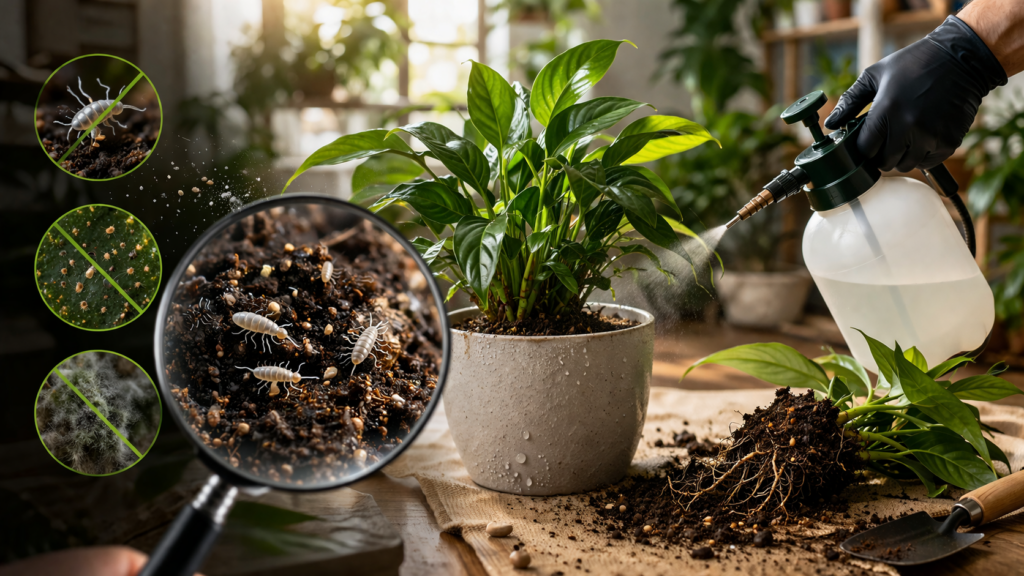
If you have addressed moisture, cleaned thoroughly, applied treatments, and springtails are still showing up in large numbers after two to three weeks, it is time to bring in a licensed pest control professional. This usually means there is a hidden moisture source inside a wall or under a subfloor that you cannot access without professional tools.
Angi connects homeowners with top-rated, licensed pest control professionals in their area. Their network is vetted, reviewed, and easy to use, so you can get multiple quotes fast and choose a pro who has handled springtail infestations specifically. Do not keep throwing money at store products when the source of the problem is somewhere you cannot reach.
Prevention Tips to Keep Springtails Away
Long-term springtail prevention comes down to keeping your home consistently dry and well-sealed. Run your bathroom exhaust fan during every shower and leave it running for at least 15 minutes after you finish. Check your gutters and downspouts twice a year to make sure water is moving away from your foundation rather than pooling against it.
Inspect window seals, door sweeps, and any pipe entry points that come through exterior walls. Even a small gap is enough for springtails to use as an entry point during wet weather. Seal them with silicone caulk.
Inside the home, avoid overwatering houseplants and let soil dry adequately between waterings. Store firewood away from the house and off the ground so it does not create a moist harborage zone near your walls. These prevention tips sound simple, but consistency with all of them together is what keeps a home truly springtail-resistant over the long term.
Frequently Asked Questions (FAQs)
Are springtails harmful to humans or pets?
Springtails do not bite, sting, or transmit disease to humans or animals. They are a nuisance pest, not a health threat. The only real concern is that a large indoor springtails population signals a moisture problem that could eventually lead to mold growth, which is the actual health issue worth addressing.
How long do springtail infestations last?
If you do not address the moisture source, an infestation can persist indefinitely because the conditions that support them never change. Once you get humidity under control and remove their food source, most indoor populations die off within one to three weeks without any chemical treatment at all.
Do dehumidifiers really get rid of springtails?
A dehumidifier that brings indoor humidity below 50 percent removes the primary condition springtails depend on for survival. It will not eliminate them overnight, but combined with cleaning and treatment, it is the single most impactful tool in the process.
Can springtails live in dry conditions?
Springtails desiccate quickly in low-humidity environments. They are physiologically dependent on moisture and cannot complete their life cycle in dry conditions. This is why moisture control works so reliably as the centerpiece of any get rid of springtails plan.
What is the fastest way to get rid of springtails?
The fastest results come from combining three steps at once: running a dehumidifier, vacuuming the affected areas thoroughly, and applying diatomaceous earth along baseboards and entry points. This three-part approach can produce visible results within 48 to 72 hours when the moisture source has already been corrected.
Wrapping Up…
Springtails are one of those pests that respond directly and predictably to the right approach. They are not invincible, and they are not random. They follow moisture, and when you take that away, they cannot stay. Use this guide to work through each step, starting with moisture control, then cleaning, then targeted treatment. If things do not clear up within a few weeks, get a professional involved before the hidden moisture source causes bigger problems than just jumping bugs. You have got everything you need right here to handle this the right way.