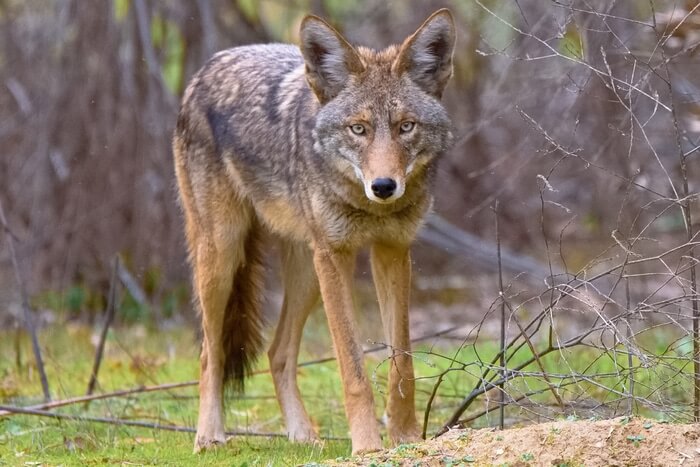

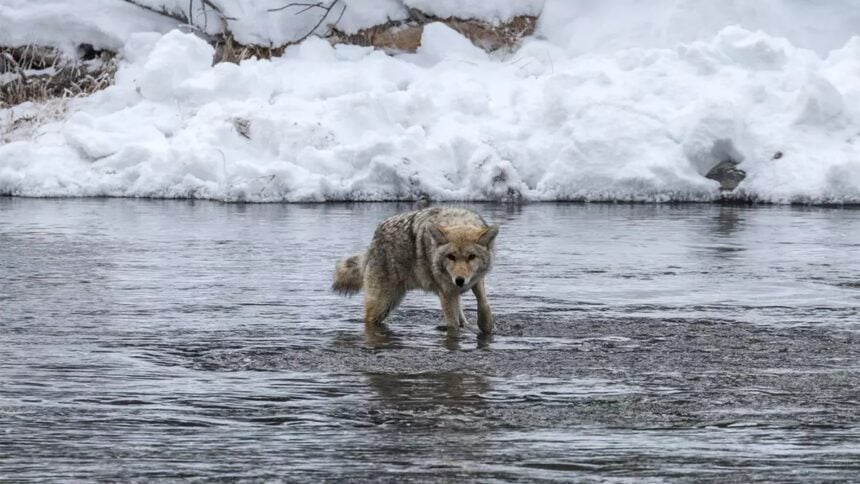
If you have ever been stuck inside during a downpour and wondered what is happening in the woods, you are not alone. Most people assume that wildlife hides away when the clouds open up, but for a predator like the coyote, a storm is often a massive opportunity.
The old myth says that animals hunkered down are safe, but the reality is much more complex. We are going to look at the evidence from trail cameras and biological studies to answer the big question: do coyotes hunt in the rain, and how does it change their strategy?
Table of Contents
The Rain Myth vs Coyote Reality
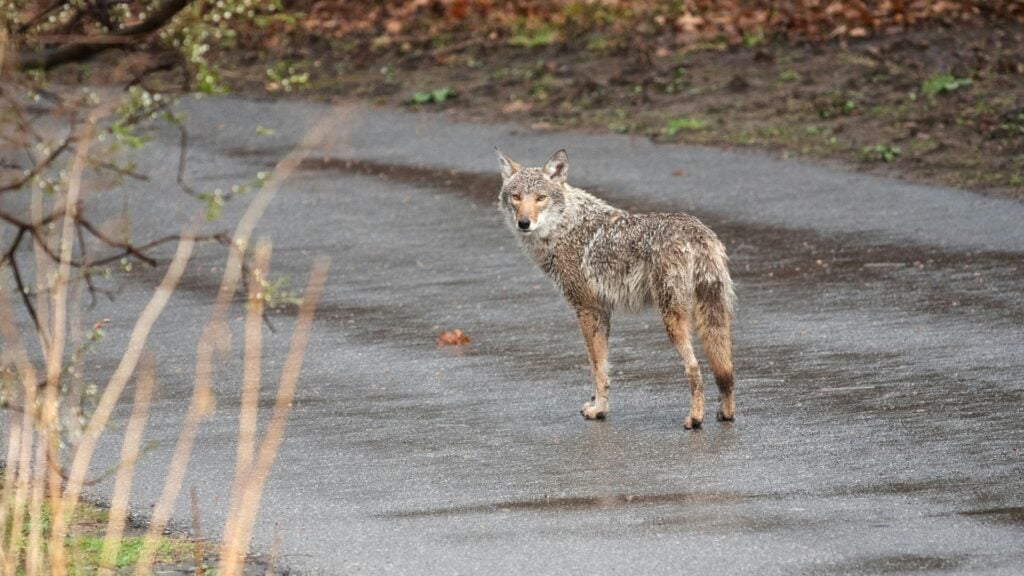
There is a common belief that coyotes hate getting wet and will stay in their dens until the sun comes out. While it is true that rain-soaked coyotes look a bit miserable with their fur matted down, their stomach usually dictates their schedule more than the weather does. Data from GPS collar studies, like those conducted on urban coyote populations in Chicago, shows that movement doesn’t stop just because it is pouring.
In fact, coyote behavior rain patterns suggest they are most active during light to moderate drizzles. A heavy, localized monsoon might make them pause for an hour, but a steady rain is actually a dinner bell. They are opportunistic by nature, and they know that certain weather conditions make their jobs a lot easier.
How Rain Changes the Hunting Game for Coyotes
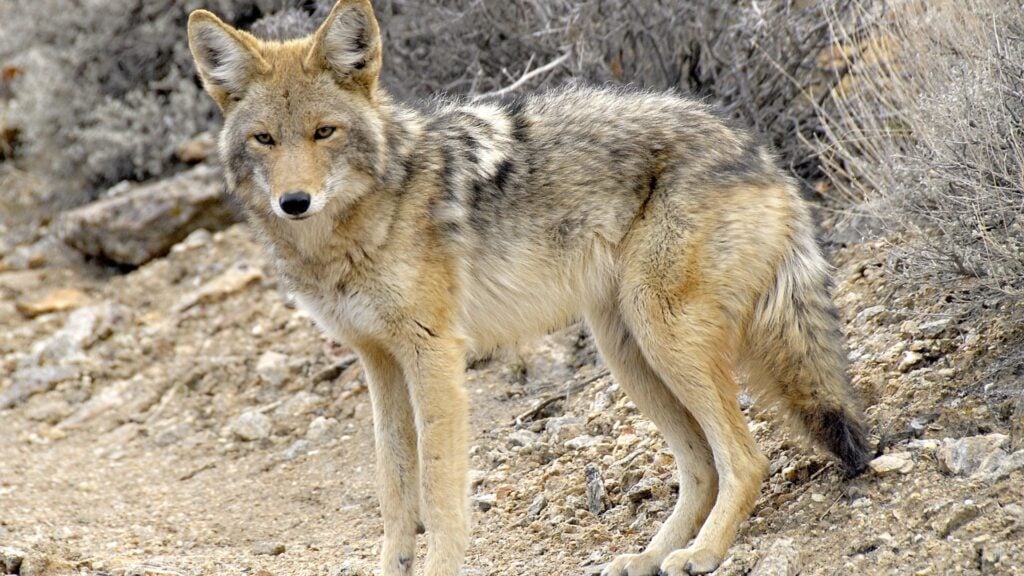
To understand why a coyote would choose to be out in a storm, we have to look at the science of the “3-Layer Impact.” Rain doesn’t just make things wet, it changes the entire sensory landscape of the forest or the suburban neighborhood.
Layer 1: Scent and Sound Disruption
A light rain creates what hunters call wet scent. Moisture in the air helps trap scent molecules and keeps them closer to the ground, which can actually help a coyote track a rabbit or a fawn. However, the real advantage is the sound cover. The pitter-patter of raindrops on leaves masks the sound of a coyote’s footsteps. This allows them to creep much closer to their prey than they ever could on a dry, crunchy October morning.
Layer 2: Prey Behavior Shift
This layer involves prey panic. Small mammals like mice and voles often have their burrows flooded during a storm, forcing them out into the open. Larger prey, like deer, tend to get nervous when they cannot hear or smell predators effectively. This nervous energy often leads to mistakes, and a coyote is always waiting to capitalize on a lapse in judgment.
Layer 3: Coyote Adaptability
This is where the rain edge really shows up. Coyotes have incredible coyote adaptability, meaning they can switch from hunting solo to using a pack advantage depending on what the weather allows. If the wind is blowing hard with the rain, a pack can coordinate a flush-and-ambush tactic that works perfectly when the prey is disoriented.
Night Rain vs Day Rain – When Coyotes Strike Hardest
Timing is everything in the wild. A day rain often sees coyotes moving more than they usually would during the light hours. Because the clouds make it darker and the rain keeps humans indoors, coyotes feel a lot bolder about crossing open fields or roads.
However, a night rain is when the real action happens. Nocturnal rain hunting is highly effective because the darkness combined with the rain makes the predator almost invisible. If you are out coyote hunting rain conditions at night, you will notice that the animals are often on the move, covering miles of territory to check high-traffic prey areas while the world is asleep.
Urban Coyotes vs Rural Coyotes in Rain
There is a big difference in how urban coyotes handle the weather compared to their country cousins. In a city like Seattle or Chicago, coyotes use the rain as a cloak to move through parks and golf courses. Since most dog walkers and joggers stay home when it’s pouring, the coyotes have the sidewalks to themselves.
Rural coyotes, on the other hand, have to deal with more mud and rising creek levels. They tend to stick to the high ground or use the edges of pine thickets where the overhead canopy provides a little bit of a break from the wind. In both cases, the wildlife camera rain footage usually shows the same thing: a predator that is focused, alert, and very much on the prowl.
Practical Takeaways for Homeowners and Trappers
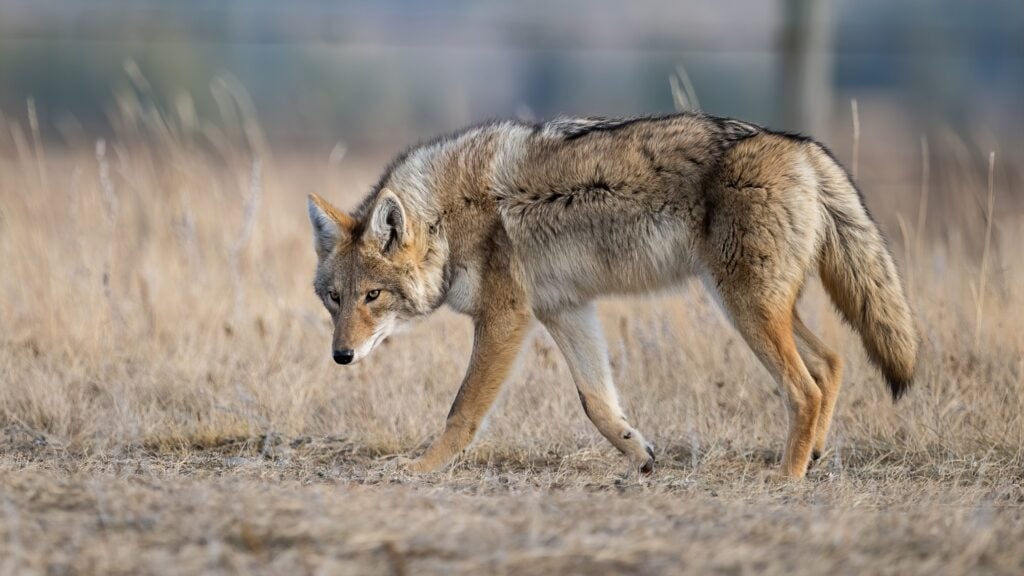
If you live in coyote country, you should change your habits when the weather turns. The idea that your pets are safe just because it is raining is a dangerous one.
- If you hear howling in night rain: It usually means the pack is communicating to coordinate a move or mark a territory that has had its scent washed away.
- Best time to check coyote tracks rain: Right after a storm breaks is the best time to find track evidence. Look for fresh prints in the soft mud near fence lines or creek crossings to see where they are traveling.
- Protecting Pets: Keep your small dogs inside during a storm. The sound cover of the rain makes it very easy for a coyote to slip into a backyard unnoticed.
- Trapping Strategy: For those involved in management, a rain hunt or a post-rain trap check is vital. Rain can wash out a set, but the period immediately after a front passes is when coyote activity weather spikes to its highest level.
- Use the Wind: Coyotes will almost always hunt into the wind, even in the rain, to make the most of that wet scent.
- Flash Floods: Be aware that coyotes will move to higher ground, which often brings them closer to human homes and barns.
The Bottom Line – Should You Worry About Rain-Hunting Coyotes?
The short answer is yes, you should be aware. Do coyotes hunt in the rain? Absolutely. They use the storm as a tactical advantage to overcome the defenses of their prey. While you don’t need to live in fear, you should recognize that a rainy night is a “business as usual” night for a coyote. They are built to survive and thrive in these conditions, and a little water isn’t going to stop them from finding their next meal.
Do coyotes hunt more in light rain or heavy rain?
They prefer light to moderate rain. Heavy downpours usually make them hunker down for a short period because the visibility becomes too poor even for them, but they will be right back at it as soon as the rain slacks off.
Are coyotes more dangerous to pets during rainy weather?
They can be more dangerous simply because they are harder to hear and see. The rain provides them with a natural “stealth mode” that allows them to get closer to homes without being detected by porch lights or human ears.
Can I use rain to my advantage for coyote trapping or deterrence?
Yes, rain is a great time to reset your strategy. Since rain washes away human scent, the period right after a storm is an excellent time to set traps or apply deterrents, as the coyotes will be active and their environment will be “cleansed” of your previous presence.
How does rain affect coyote hunting success rates?
Studies generally suggest that hunting success goes up during light rain. The combination of lowered prey awareness and better sound masking gives the coyote a statistical edge that they don’t have on a clear, still night.