

Ticks are not the kind of pest you can brush off and move on from. Unlike mosquitoes or gnats, a tick that makes contact with skin is likely already dug in before most people notice anything is wrong. They are vectors for Lyme disease, Rocky Mountain spotted fever, ehrlichiosis, and several other serious illnesses that start with what looks like a mild flu and escalate without proper treatment.
A tick infestation in the yard is not just an outdoor nuisance. It is a genuine health risk for everyone who spends time outside, including children and pets. If the problem has already spread beyond what yard maintenance and standard products can manage, Orkin’s licensed technicians are the right call for professional-grade tick control that holds.
Table of Contents
What Attracts Ticks to Your Property?
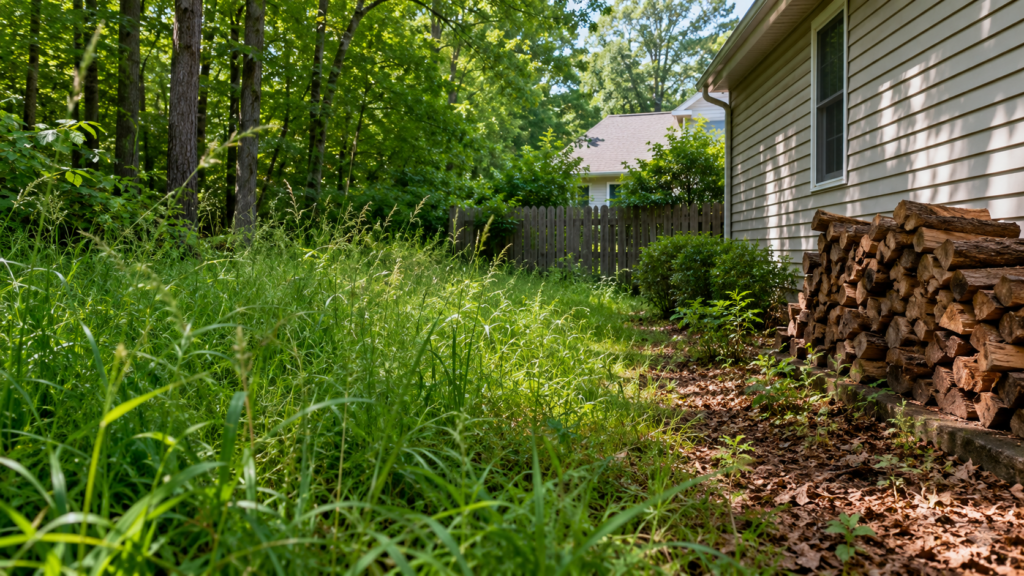
Ticks favor shady, moist environments where they can wait on tall grass or brush for a host to walk past. Overgrown lawn edges, dense leaf litter, wood piles stacked against the house, and dense shrubs along fence lines all provide the cover they need to thrive.
Deer ticks in particular follow deer trails into residential properties, which means yards adjacent to wooded areas or open fields carry a higher baseline exposure risk than properties in fully developed neighborhoods.
Signs of a Tick Infestation
- Ticks on pets after outdoor time
- Tick bites on family members
- Live ticks on clothing after yard work
- Ticks found inside the home
- Deer or wildlife frequenting the yard
- Dense leaf litter near lawn edges
- Tall grass along fence lines or borders
How to Get Rid of Ticks: 5 Easy Ways
Mow and Maintain Your Lawn
Short grass removes the primary habitat ticks use to wait for hosts. Keep the lawn mowed under three inches consistently through the active season, which runs from spring through late fall in most US regions. Ticks do not cross open, dry, sun-exposed lawn easily because they desiccate in direct sunlight. The shorter and more maintained the turf, the less hospitable it becomes for a population trying to establish itself.
Remove Leaf Litter and Yard Debris

Leaf piles, brush accumulations, and wood stacks close to the house create the shady, moist harborage conditions that support tick infestation development. Clear fallen leaves promptly in autumn rather than letting them sit through winter. Move firewood storage away from exterior walls and off the ground. Trim back dense shrubs and low-hanging branches that create shade against the lawn surface at the yard perimeter.
Treat Pets for Ticks
Pets are one of the most consistent ways ticks move from the yard into the home. A dog that spends time in wooded or grassy areas and comes inside untreated carries ticks directly onto carpet, furniture, and bedding. Talk to your veterinarian about tick prevention products appropriate for your pet’s size and health status. Check pets thoroughly after every outdoor session during peak tick season, paying attention to the ears, collar area, between toes, and under the tail.
Create a Tick-Free Barrier Around Your Yard
A 3-foot gravel barrier installed along the boundary between the lawn and any adjacent wooded or shrubby areas creates a dry zone that ticks are reluctant to cross. Ticks cannot survive the low-moisture, sun-exposed conditions of a properly maintained gravel strip, and the barrier physically separates the managed lawn from the high-risk edge habitat where tick populations concentrate. Combined with lawn maintenance and treated perimeters, this structural approach to tick control produces lasting results.
Apply Tick Control Products
Yard maintenance and habitat changes do most of the heavy lifting, but the right product on hand makes every step above easier to follow through on. Here are four worth keeping stocked between treatments — or while you decide whether it’s time to call in a professional.
Wondercide Outdoor Pest Control Spray Concentrate — Best All-Natural Yard Treatment

Wondercide skips synthetic pesticides in favor of a blend of natural essential oils to kill and repel ticks along with mosquitoes, ants, roaches, and other common yard pests, without relying on the harsher chemicals found in many traditional yard treatments.
The concentrate makes a full gallon of ready-to-use spray, which is plenty to cover the lawn perimeter, fence lines, and wood pile areas described in the “Apply Tick Control Products” step above, with enough left over for repeat applications later in the season.
It’s labeled safe for use around kids, pets, and plants once the treated area has dried, making it a solid fit for families who want effective coverage without leaving harsh chemical residue on the same lawn their kids and dogs use every day.
64 oz Concentrated Tick & Mosquito Spray — Best for Large or Heavily Wooded Yards
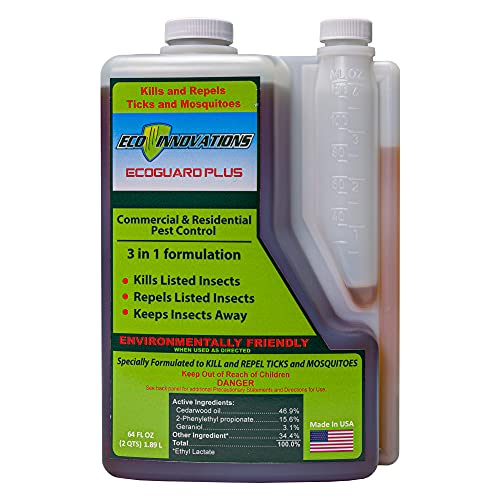
This 64 oz concentrate is built for properties that need more than a quick spot treatment, the kind bordering woods, open fields, or anywhere deer regularly pass through on their way into the yard. The larger volume dilutes into significantly more finished spray than smaller bottles, which matters when you’re treating a full lawn perimeter, dense leaf litter zones, and the tree line all in the same season.
It’s positioned as an all-natural insecticide suitable around kids, pets, and plants, and it doubles as a mosquito repellent, so one application addresses two of the most common warm-weather yard pests instead of requiring a separate product for each.
Murphy’s Naturals Mosquito & Tick Repellent Spray — Best for Skin and Gear
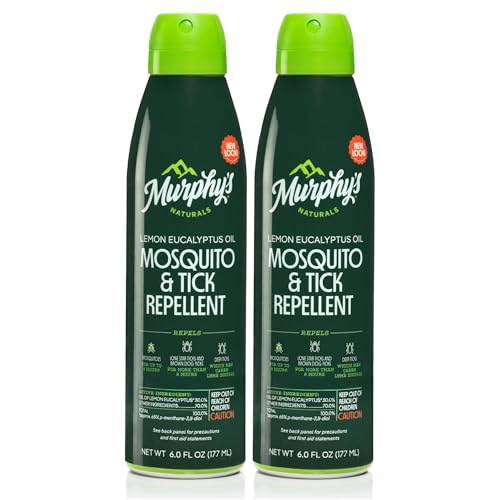
Yard sprays handle the lawn, but they don’t do much once you’re actually out walking the property line, doing yard work, or hiking past the very edge habitat ticks favor. Murphy’s Naturals fills that gap with an oil of lemon eucalyptus formula made specifically for direct application to skin and clothing, not just turf.
The 6 oz mist bottles come as a 2-pack, so it’s easy to keep one by the back door for a quick spray before mowing and a second in a backpack or glove box for hikes, camping trips, or sports practice on fields that border brush or woods. Oil of lemon eucalyptus is one of the few plant-based actives the CDC recognizes as offering protection comparable to lower-concentration DEET products.
TickCheck Premium Tick Remover Kit — Best for Safe, Correct Removal
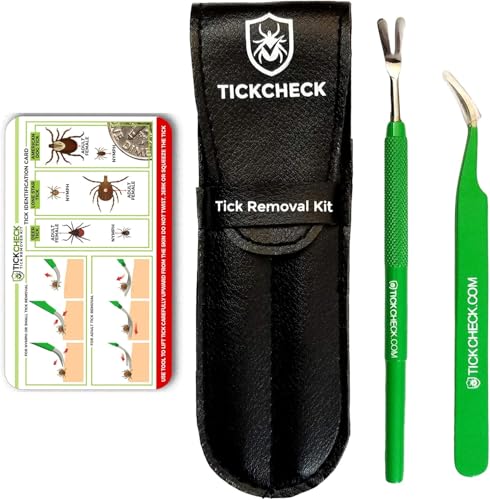
prevention method above lowers the odds of a bite, but none of them gets you to zero, which is why it’s worth keeping a proper removal tool on hand instead of reaching for fingers or a regular pair of tweezers once a tick is already attached.
This kit includes a stainless steel tick remover designed to grip close to the skin and pull the tick out fully intact, plus a separate pair of fine-point tweezers for smaller nymphs, all stored in a compact leather case that fits in a glove box, first-aid kit, or backpack.
It also comes with a pocket tick identification card, so you can narrow down the species involved and pass that information along to a doctor if any flu-like symptoms or a rash show up in the following days or weeks.
When to Call a Professional
A tick infestation that has reached the interior of the home, persists despite consistent yard treatment, or covers a large property with woodland borders warrants professional intervention. Orkin’s licensed tick specialists assess the full scope of the problem, identify the species involved, and apply targeted treatments across the property at the right time in the tick life cycle for maximum impact.
Get rid of ticks at the property level with the kind of thoroughness that consumer products applied without professional knowledge rarely achieve. Orkin’s follow-up monitoring confirms the treatment held before closing the job.
Frequently Asked Questions (FAQs)
What smell do ticks hate most?
Ticks strongly avoid eucalyptus, peppermint, lavender, and cedar oil. These scents are used in natural tick repellent formulations that deter ticks from crossing treated surfaces or landing on treated clothing. For direct skin application during outdoor activity, EPA-registered repellents containing DEET or picaridin provide the most reliable protection.
How long will ticks live in a house?
Ticks brought inside on clothing, pets, or gear can survive indoors for varying periods depending on the species and the indoor humidity level. Deer ticks typically survive two to three days indoors before desiccating.
Do ticks eventually go away?
Ticks do not self-resolve on an infested property without environmental changes or active treatment. A tick infestation that has the right habitat conditions, a reliable wildlife host population, and access to the yard will persist and expand season after season.
Wrapping Up…
Get rid of ticks through a combination of habitat modification, consistent lawn maintenance, pet protection, and targeted perimeter treatment. No single step resolves a tick infestation on its own, but the five methods above work together to make the property genuinely inhospitable to tick populations over time. When the infestation scale or property size makes professional intervention the right call, Orkin delivers the kind of thorough, monitored tick removal that DIY approaches rarely match on coverage and consistency.