
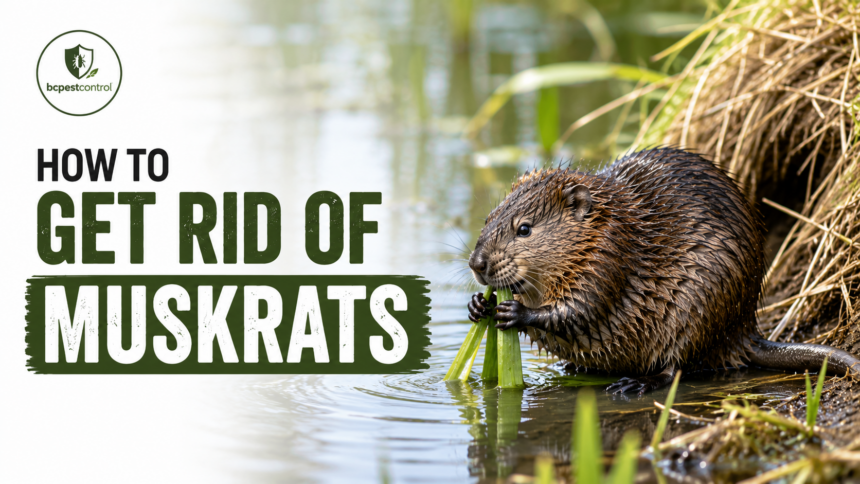
Muskrats are semi-aquatic rodents that look relatively harmless until you see what they could do to a pond bank over the course of a single season. Their burrowing activity destabilizes embankments, their feeding habits strip aquatic vegetation, and their presence attracts predators that create beyond-property-management concerns.
Muskrat removal is not complicated when the infestation is caught ahead of time, though. A population that has been established for more than one season requires a more systematic approach. How to Remove Muskrats From Ponds, Lakes, and Yards is exactly what this guide covers, step by step, with the practical detail that would actually bring you results.
Table of Contents
Signs You Have a Muskrat Problem
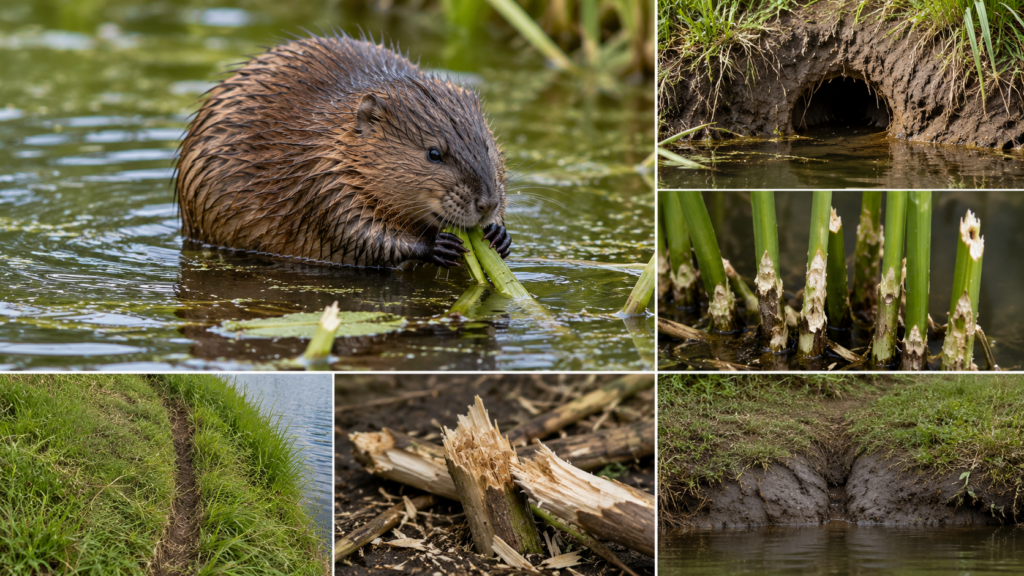
- Burrow holes near water
- Collapsed or soft pond banks
- Feeding platforms on the surface
- Trails through bank vegetation
- Vegetation stripped near water edge
- Muddy water near embankments
- Dome-shaped lodges in shallow water
How to Get Rid of Muskrats in 7 Steps
Step 1: Confirm Muskrat Activity
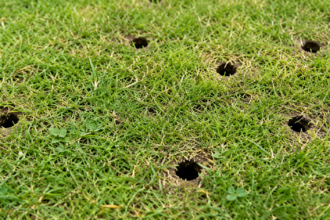
We recommend that you should first confirm muskrats as the damaging culprits before implementing any muskrat control measures, as other animals like beavers and nutria can also cause similar to but structurally different damage. Muskrats make burrowing holes that range from three to five inches in diameter situated at or just below the waterline along the banks of ponds. Unlike beaver paths, muskrat trails connect burrow openings to feeding sites and are of lesser width.
Another good read: How to Get Rid of House Sparrows Without Harming Them
Step 2: Remove Food Sources
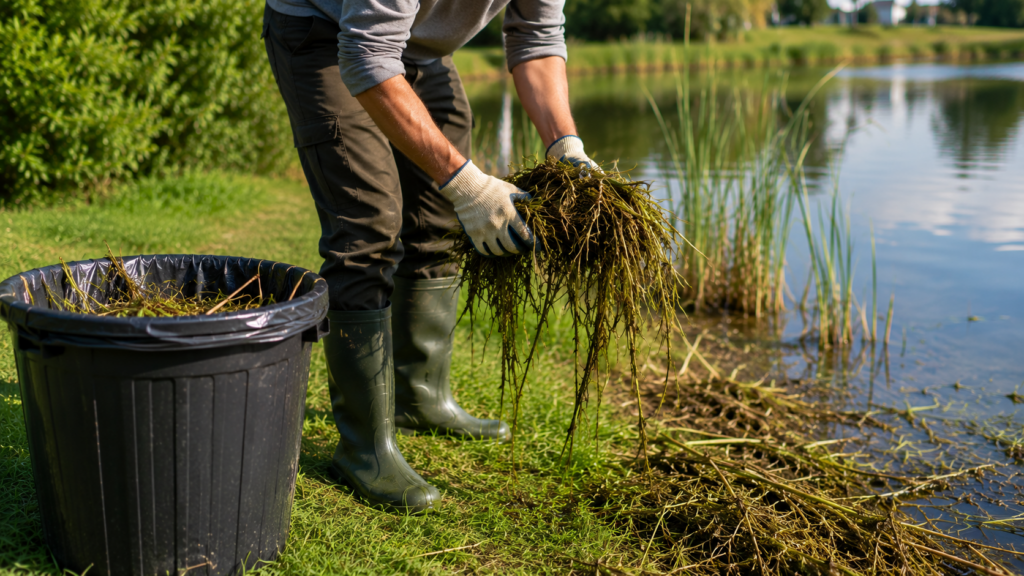
Muskrats dine on varieties of aquatic vegetation, cattails, and water lilies as well as bank-side plants that are nutritionally beneficial. A pond that is fully reinvigorated and restocked with aquatic plants is more appealing to muskrats than a pond that has low aquatic plant density. In areas that are concentrated with burrow openings, reducing the volume of aquatic plants will lower the food source available to the muskrats.
Step 3: Repair Pond Bank Damage
The banks of the pond that are burrowed by muskrats lose their structural strength, and leaving burrow holes open accelerates the damage to the banks during the burrowing of open holes by muskrats. Once muskrat removal is actively pursued, backfill burrows with compact and firm soil and apply rock riprap or erosion control mat to strengthen the bank. For muskrat damaged embankments, the US Army Corps of Engineers specifically recommends riprap to address damage caused by muskrats as well as to prevent future burrowing by muskrats.
Step 4: Install Exclusion Barriers
Creating a barrier along the pond bank prevents muskrats from re-establishing burrows once the section has been treated. A half inch mesh Hardware cloth, installed vertically along the pond bank from below the waterline and extending at least 12 inches above, works well. To prevent undermining, the mesh must extend below the waterline by 12 inches.

Step 5: Use Humane Deterrents
Applying repellent products containing either capsaicin or predator urine along the vegetated bank and active burrow areas will prevent muskrats from foraging or nesting in that area.

Specific areas along the bank will also be associated with movement and will be kept under surveillance if uncomfortable with the active use of motion-activated sprinklers positioned along the bank. Deterrence by direct capture of the animals along the burrow entrances and established trails will cause no harm and is a preferred choice, as they are then relocated.
Step 6: Reduce Attractive Habitat
Long-term muskrat control means managing the conditions that made the property attractive in the first place. Keep pond vegetation managed. Maintain a mowed buffer of at least 10 feet around the pond edge — tall grass and dense vegetation give muskrats exactly the cover they need for travel routes between water and feeding areas.
Step 7: Monitor and Maintain the Area
Muskrat populations shift with food availability and water levels, so removal is not a one-and-done effort. After the initial work, walk the full pond bank perimeter every two to three weeks through the active season. Check specifically for new burrow holes, fresh feeding platforms, and vegetation disturbance near the waterline.
When to Call a Professional
If muskrat burrows have compromised a dam, levee, or significant embankment — or if the population has produced multiple active colonies across a larger water body — the scope of the problem is beyond standard DIY capacity.
Angi connects you with licensed wildlife control professionals in your area who handle nuisance muskrats with targeted trapping programs, structural repair guidance, and exclusion installation.
Frequently Asked Questions (FAQs)
Is it good to have muskrats in your pond?
Having muskrats in ponds isn’t the biggest problem when the muskrat population is at a low number. In fact, they may help with managing excess vegetation. When populations become larger, that’s when the problem starts to really impact the environment. Unchecked populations along with burrowing can destabilize the banks of a pond. This can lead to structural damage to a pond’s embankment and will necessitate the need for wildlife control.
What is the natural enemy of a muskrat?
There are many animals that help with naturally controlling the population of muskrats. Those include minks, otters, great horned owls, hawks, foxes, and alligators in the southern states. Minks in particular are known to be the best predators of muskrats. When minks are near a body of water, it is common for there to be little to no muskrat population.
What smells do muskrats hate?
There are a couple of ways to keep muskrats away. One of them is using deterrents like predator urine. When they’re applied near the entrances to burrows, or along the pathways that the muskrats take, it will cause them to avoid that area. Consistent application of deterrents along with capsaicin to the bank vegetation will help keep muskrats away.
Wrapping Up…
Removal of muskrats is long lasting when the active population is dealt with and when the conditions of their habitat are addressed. During the active season, be vigilant in confirming activity, take out food sources, repair the damage, erect barriers, and monitor. A control strategy with all the seven components will keep pond banks intact. When damage is extensive, a professional should be called.