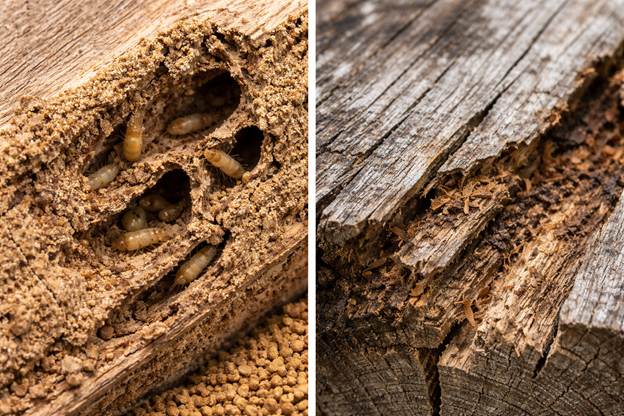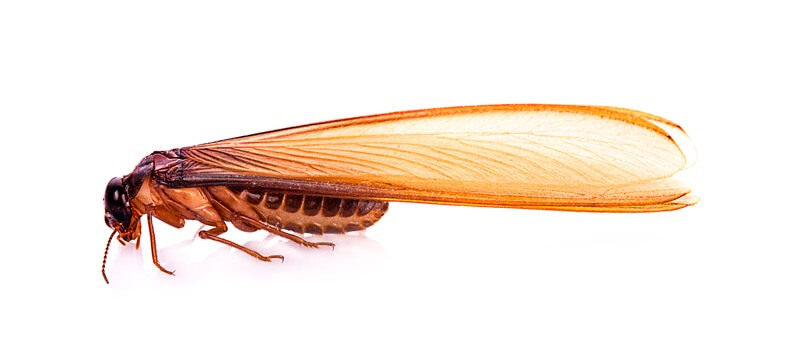

Most likely, if you have found termite mud tubes in your home, your first thought would be to scrape them off and dump ‘em outside. In reality, you really shouldn’t ignore them if you want to stop the termite infestation from getting worse.
Termite mud tubes are pencil-width tunnels (some are wider or more irregular) of soil that subterranean termites build between the ground and the wood in your home. They take advantage of these tunnels by treating them as a bridge between their underground colony and the wood they are feeding on above ground. Mud Tubes are therefore one of the telltale signs of an active termite colony.
What is the best way to get rid of termite mud tubes? When should you call pest control professionals? You need to take a strategic approach. We will show you how to safely get rid of termite mud tubes while protecting the value of your property and making sure that the destructive termites don’t come back to eat your house.
Table of Contents
What Are Termite Mud Tubes?
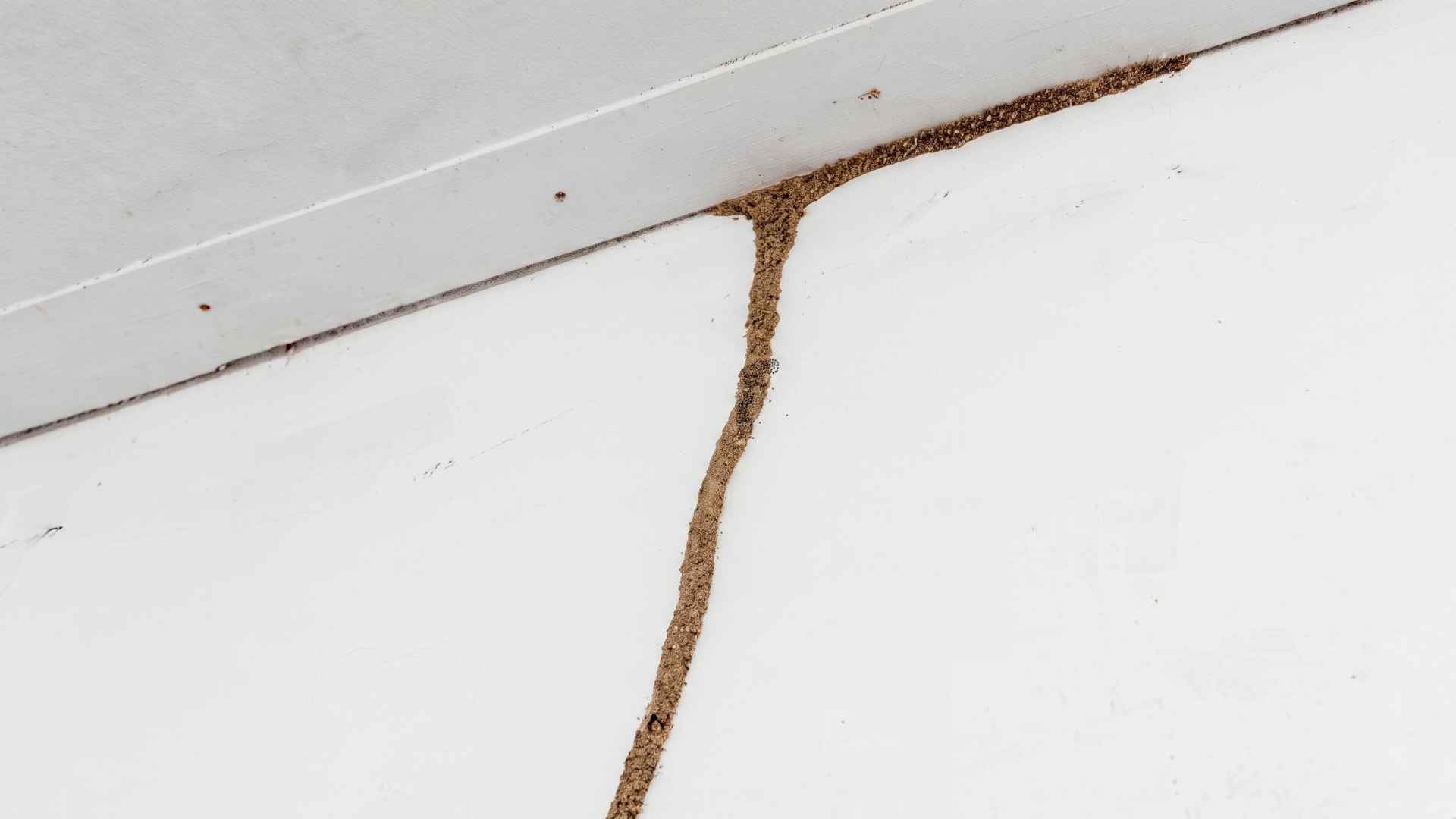
Termite mud tubes are tightly packed mixtures of soil, wood cellulose, and saliva. You’ll usually spot them running straight up a foundation, crossing a brick wall, or hanging down from a wooden beam.
They can travel over just about anything-concrete, block, stucco, or wood- acting as a protected highway that connects the ground to a food source. Although subterranean termites rely heavily on these tubes, other species like drywood or dampwood termites don’t build them at all, since they live entirely inside the wood they eat and never need to touch the soil.
Why Do Termites Build Mud Tubes?
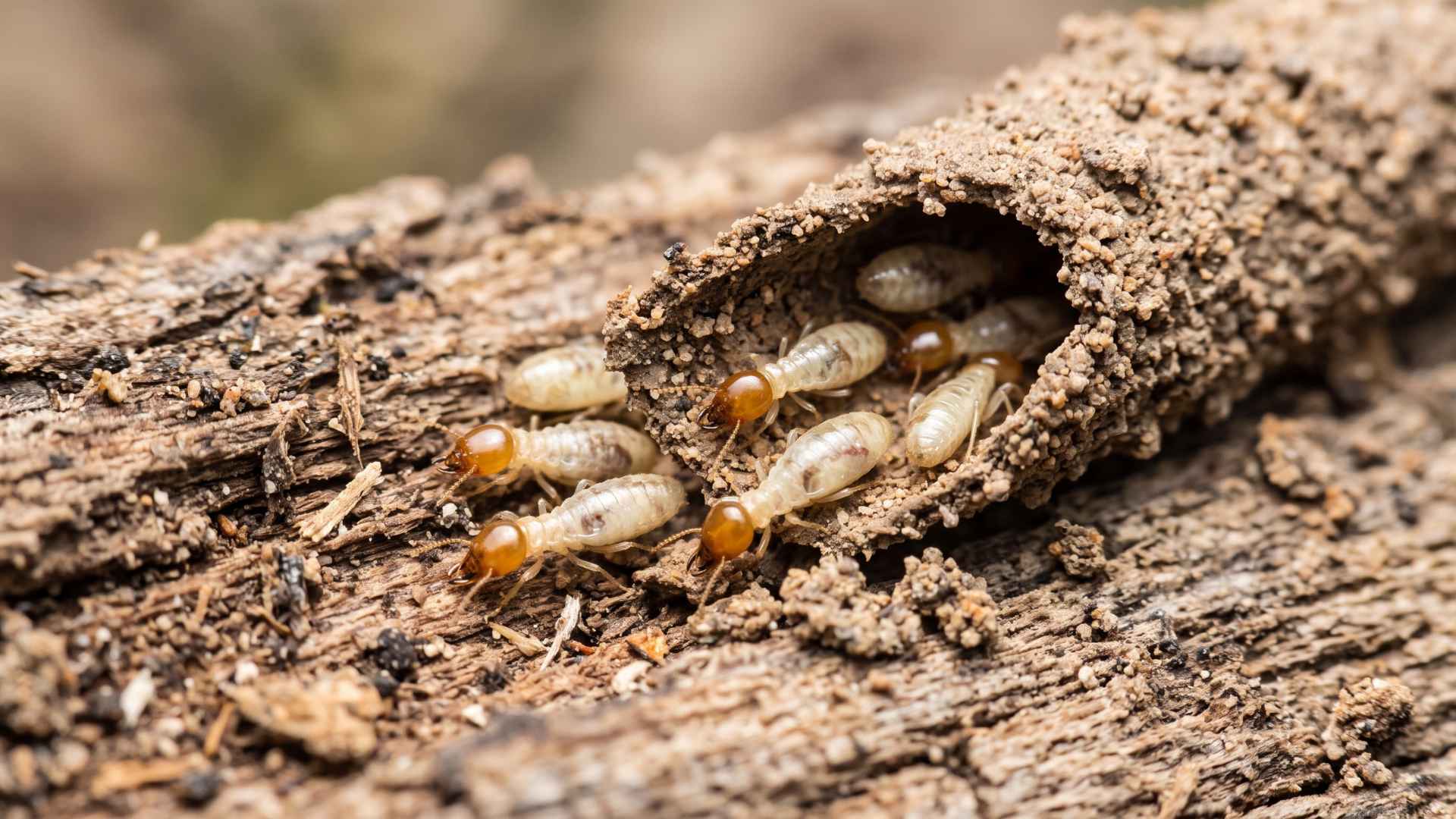
There are three problems that a mud tube sorts out for subterranean termites. First and foremost, it helps termites avoid natural hunters such as ants that patrol exposed surfaces.
Secondly, they ensure that the termites stay moist. Since subterranean termites have very soft bodies, they will dry out very quickly if there isn’t much moisture in the surrounding area.
Finally, they allow the workers to get the food they need from hard to reach areas like concrete foundations, bricks and metal piping. Subterranean termites live in huge colonies underground where there is lots of humidity.
As they go above ground to feed on the wood, they need to take their environment with them. The mud walls create a humid environment, blocking any draughts. This means the colony can forage for many years without ever being exposed to the open air.
Because they stay tied to moist soil, the tubes always lead back to the ground. That is why you will see tubes crossing concrete and brick, where nothing else would give termites cover.
What Do Termite Mud Tubes Look Like?
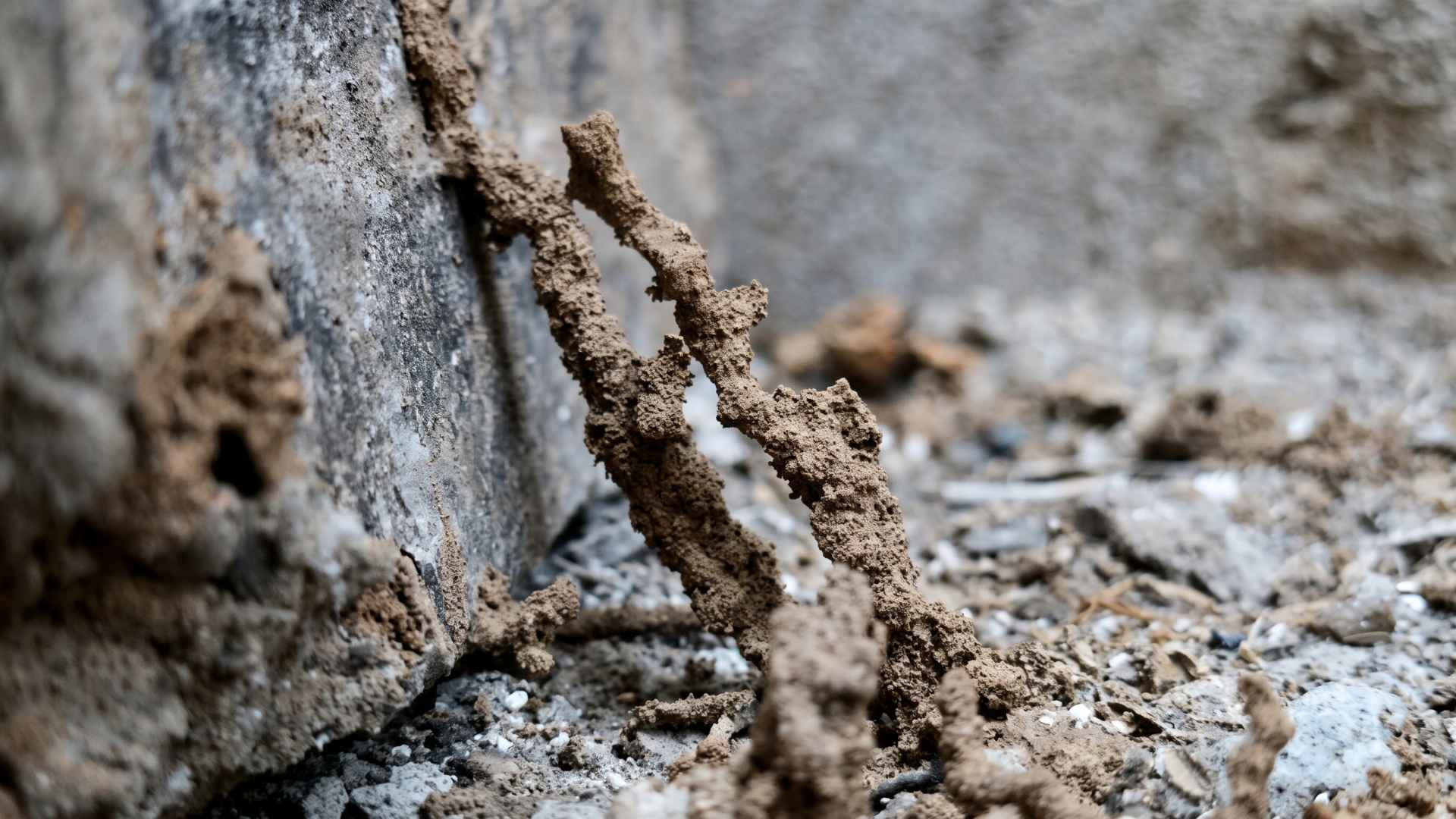
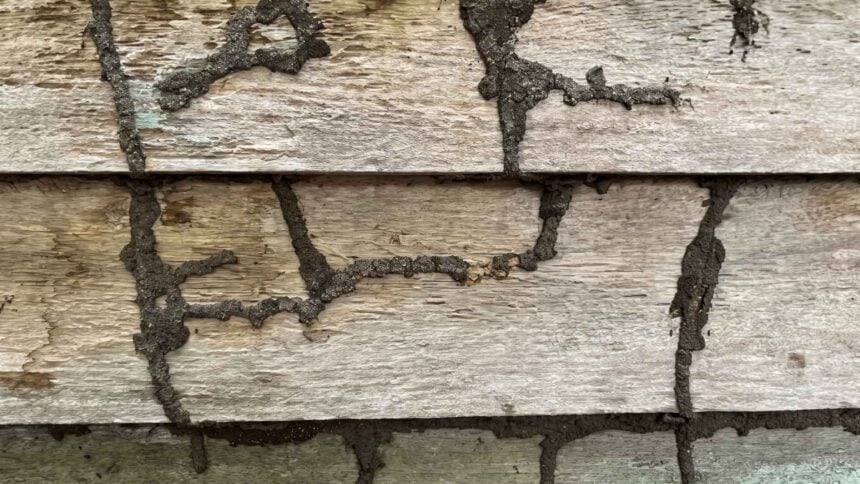
You will usually spot termite mud tubes on walls as brown trails of dried mud that run up from the soil. These telltale signs often sit low on the wall. Use a flashlight in crawl spaces and basements. Up close they look pretty unusual, like a hardened vein built from soil, wood bits, and saliva.
- Color: earthy brown or gray that matches local soil, and darker when damp
- Width: About pencil-thick, from 1/4 to 1 inch in diameter (or 3 to 6 millimeters across).
- Texture: rough outside and smooth, hollow inside
- Interior: packed with soil, wood fragments, and sometimes live workers
- Shape: straight and vertical on foundations, or branching on other surfaces
- Location: foundation walls, piers, sill plates, and plumbing penetrations
- Condition: fresh tubes look moist, while old tubes turn dry and crumbly
Types of Subterranean Termite Mud Tubes
Not all dirt tunnels serve the same purpose for a colony. Subterranean termites construct four distinct variations of termite shelter tubes based on their immediate foraging or reproductive needs.
Drop Tubes
Drop tubes hang down from infested wood, such as a joist or subfloor, toward the soil below. They are narrow and often lighter in color because of the wood fibers in the mud. Termites use them to return to the ground or to reach new wood, and in crawl spaces they can look like thin mud stalactites.
Swarm Tubes
Swarm tubes, sometimes called swarm castles, are temporary mud structures that protect winged reproductives before they fly out. Termites build them near the surface. They tend to appear in spring or fall after rain. Swarmers wait inside until the weather suits them. If you find swarm tubes, it points to a mature termite colony nearby, and you should act the same day.
Working Tubes
Working tubes are the primary highways used by the termite colony every day. These are the long, sturdy tunnels that connect the underground nest to the wood they are consuming. They transport thousands of worker termites back and forth daily, and carry food to the colony and bring moisture up from the soil to the feeding site.
Exploratory Tubes
Exploratory mud tubes are very thin and fragile. Scout termites create them to look for new food sources. Unlike working mud tubes, they are not always connected to a piece of wood. Often they meander around the concrete walls with lots of offshoots, looking for a weak spot. Once the scout termites have found a better route, they are often left behind or abandoned.
Where You Are Most Likely to Find Termite Mud Tubes
- Foundation walls and slab edges
- Crawl space piers, joists, and sill plates
- Basement walls and support posts
- Around plumbing and utility penetrations
- Garage walls and door frames near soil
- Window frames and porch steps at ground level
- Under sinks and behind cabinets near leaks
- Behind siding, stucco, or brick veneer
- Along fences and wood piles that touch the house
- Inside expansion joints and cracks in concrete
How to Remove Termite Mud Tubes Safely
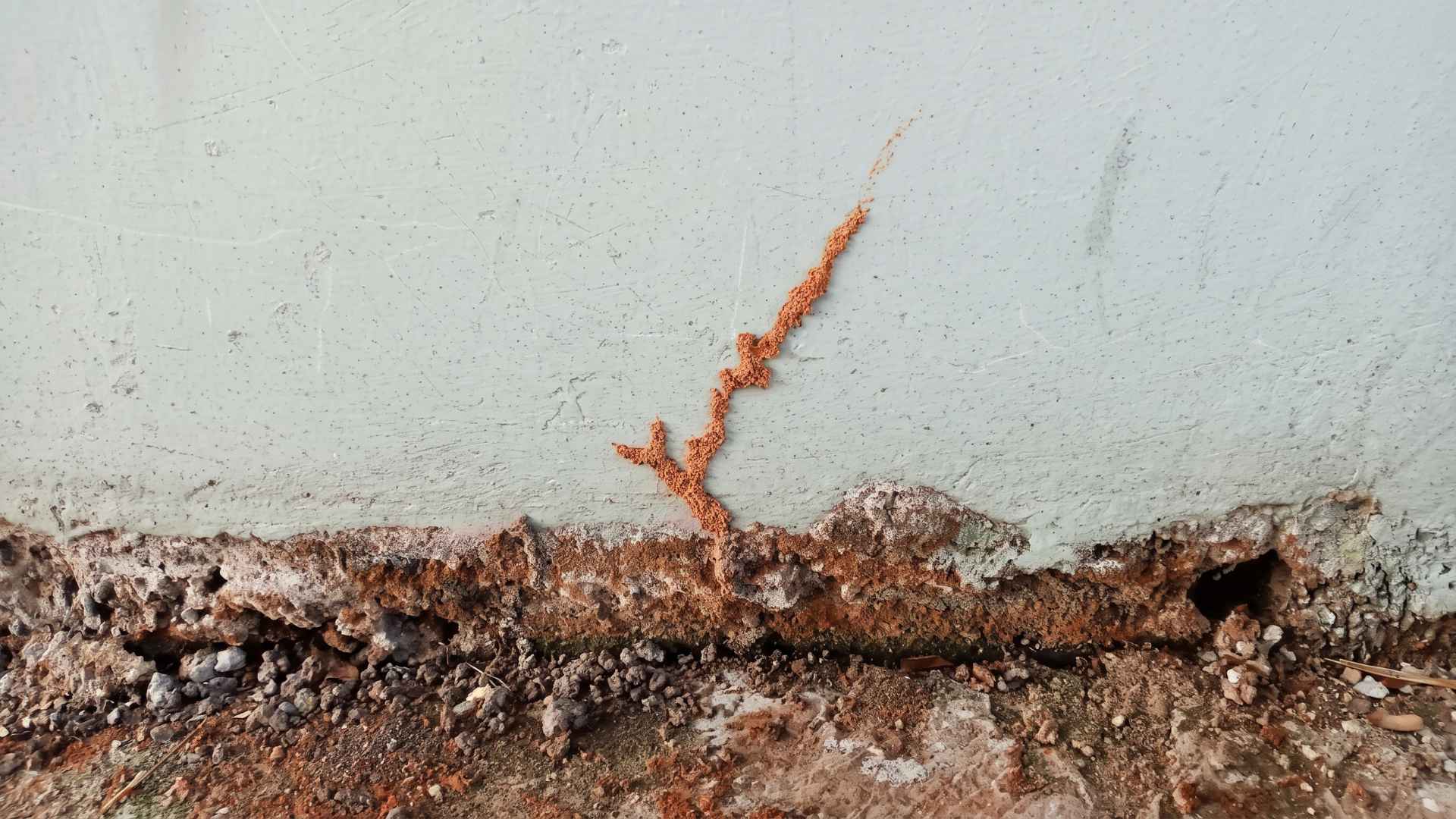
The right approach depends on whether the tubes are active, whether a professional has inspected the property, and whether treatment has already taken place. In most cases, the first step is to document the evidence and arrange an assessment, and then comes the cleaning part.
Mississippi State University Extension explains that breaking a tube and checking for live termites or repairs over the following days can help identify activity. It also warns that destroying the tubes alone does not control termites, because the colony may remain in the soil and find another way inside.
Termites are highly sensitive to changes in airflow and light. If you indiscriminately sweep away their tunnels or clean the area before an inspector arrives, the termites will retreat deep back into the soil or structural walls. The inspector will no longer have the physical trail needed to map out where the entry points are. Turns out, a treatment barrier could completely miss their active route
1. Take Photos of the Tubes
Photograph every tube before you touch it. Take a wide shot that shows where the tube sits, a close up that shows its width and texture, and one frame with a ruler beside it for scale. Write the date and location on a simple sketch of the house.
Look for a second tube nearby, because tubes often come in groups. Then check the wood nearby with a flashlight and tap it with a screwdriver handle.
Hollow sounding or soft wood suggests termite damage to wood, and you should record that too. This photo record helps a technician during a termite inspection, and it lets you compare conditions after treatment.
2. Break a Small Piece to Test for Activity
Use the same screwdriver to break open a very small section of one tube, about an inch or two. Wear gloves and eye protection. Look inside for pale, soft bodied workers, and note whether the tube is moist or dry and crumbly.
Do not put your hand inside a break, and work with a flashlight so you can see the workers move. Mark the break with tape and check it again after one to three days. If workers rebuild the gap, you are dealing with active termite mud tubes, and the colony is feeding right now.
If the break stays open and the inside is dry, the route may be abandoned, though the colony can still be nearby and feeding elsewhere. Either result calls for a visit from a pest control professional, because a single test cannot rule out hidden activity behind walls.
3. Inject Foam Insecticide Into Wall Voids
Foam insecticides could sometimes be used for targeted pest treatments, but injecting foam into a wall void is not a reliable general solution for termite mud tubes. The tube may connect to a much larger network, and the colony could be located in soil or inside concealed structural spaces that the foam cannot reach.

For an active infestation, ask a qualified pest professional whether a foam application is suitable for the specific location. A proper termite treatment may require a different method, such as a soil treatment, baiting system, or another labeled approach based on the inspection findings.
4. Scrape and Clean the Area After Treatment
Wait until the treatment has had time to work, usually several days, or until your pest professional says the area is safe. After that, you can pretty much safely begin termite mud tube removal with a putty knife and a stiff brush.
Wire brushes work on brick and concrete, and a plastic scraper protects painted drywall. Wear a dust mask and gloves, because dried mud holds droppings and wood fragments.
Bag the debris and put it in an outdoor trash bin. Vacuum the area with a HEPA filter if you own one. If you wipe it away too early or get too close with a spray, termites can retreat and kick off migrating to other parts of your home.
After the cleanup, photograph the clean surface and check it weekly. If you still notice very new mud, it means the colony is still active, and you should call your technician.
5. Fix Leaks and Moisture Issues
Subterranean termites need moist soil to survive and build mud tubes, and every leak near your foundation helps them stay pretty alive. Repair leaking pipes, faucets, and roof edges, and point downspouts away from the foundation.
You can call a plumber for hidden leaks, because a damp wall can feed a colony. Keep the soil sloping away from the house, clear your gutters, and run a dehumidifier in damp crawl spaces.
Good termite prevention means keeping wood at least 6 inches above the soil and moving firewood, lumber, and mulch away from the walls. Take out old stumps and wood scraps buried near the foundation. Seal cracks in the slab and gaps around pipes where termites could squeeze through.
Do Termite Tubes Mean You Have Termites Infestation?
If lately you have found some mud tubes in your home, they are one of the main signs of termite infestation, and they point to subterranean termite species. Drywood termites do not build mud tubes. They live inside dry wood and leave termite droppings, also called termite frass, as small hard pellets under tiny kick out holes.
Other wood termites, such as dampwood species, favor wet lumber and rarely use tubes either. A dead tube does not prove the colony is gone, and a missing tube does not prove it is absent.
In fact, a colony can feed behind drywall for months with no outside sign. Turns out, you shouldn’t take it lightly and should act quite quickly.
When Should You Call a Termite Control Professional?
Call a professional as soon as a break test shows live termites, when you find tubes in more than one area, or when wood sounds hollow.
Large or high tubes, tubes inside walls, and any swarm all justify immediate help. Orkin is a strong option for this step. An Orkin technician inspects the structure, identifies the species, and builds a plan around the colony.
For subterranean species, effective termite control targets the soil and the shelter tubes together, and professional termite control also includes follow up visits. Ask for a written plan and a warranty before you agree. Leave termite mud tube removal until the technician approves it.
Frequently Asked Questions (FAQs)
How fast do termites build mud tubes?
Working tubes can go up in days to a couple of weeks, and exploratory tubes can show up overnight. Worker termites repair a broken section within hours to a few days. Their Speed pretty much also depends on soil moisture, temperature, and how much wood is nearby.
Can I Just Scrape Off Termite Mud Tubes?
You can, but it will not gonna help you get rid of termites infestation magically. Most of the colony stays underground, and workers can rebuild the mud tubes within days. The best you can do is photograph the tubes first, and treat the colony before you remove termite mud tubes for good.
How Can I Tell If a Termite Mud Tube Is Old Or New?
Fresh termite mud tubes are moist, granular, and dark, though they may not always contain visible worker termites when broken because termites retreat quickly when disturbed. Old tubes are dry, pale, crumbly, and currently inactive, though the broader colony may still be active nearby. To test for activity, break a small one-inch section of the tube. If it is active, workers will typically rebuild the gap within one to three days to seal out the air. Regardless of the test result, do not remove the mud tubes until a licensed pest control professional has inspected the property.
Wrapping Up…
Removing termite mud tubes can make a wall or foundation look cleaner, but it will not solve the underlying problem if termites remain active. The sensible approach is to photograph the tubes, check for evidence carefully, and arrange an inspection before removing the material. Once the activity has been assessed and any necessary treatment is complete, you can clean the area and monitor it for new termite mud tube trails.