
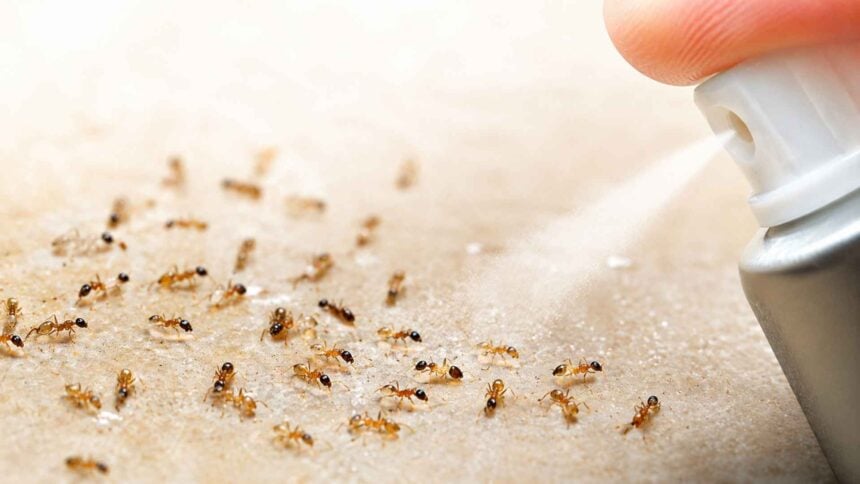
Reach for a bottle of ant spray the moment you spot a trail of pharaoh ants, and you might make the problem worse. That’s the honest, if frustrating, answer to why do pharaoh ants spread after being sprayed.
These ants don’t respond to a direct hit the way most household pests do. Spraying disrupts their colony structure, and instead of dying off, the workers scatter and the colony splits into smaller, separate nests scattered through your walls.
Keep scrolling to figure out exactly why that happens, where the pharaoh ants end up hiding once they’ve been sprayed, and what actually works to shut a pharaoh ant infestation down.
Table of Contents
Key Takeaways
- Spraying visible trails disturbs the colony without killing the queens.
- Colony budding lets a single nest split into several new ones within days.
- Pharaoh ant infestation patterns often shift from room to room after a repellent spray.
- Pharaoh ants spread after spraying far more often than people expect, since most products only kill the ants they physically touch.
- Slower acting bait outperforms contact sprays for full colony removal.
- Sealing food, water, and entry points slows the spread while treatment does its work.
What Do Pharaoh Ants Look Like?
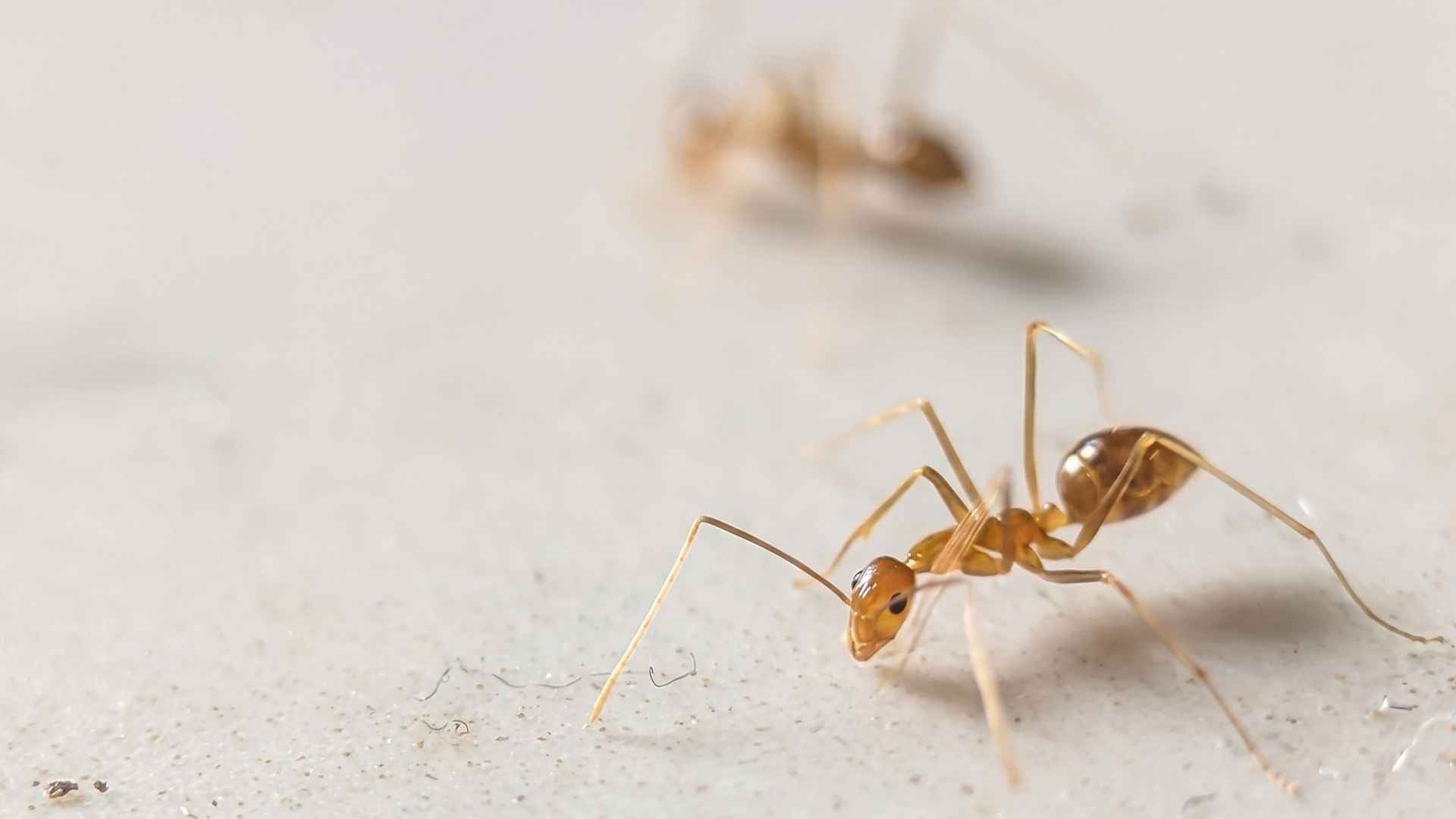
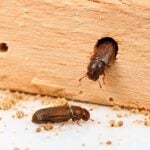
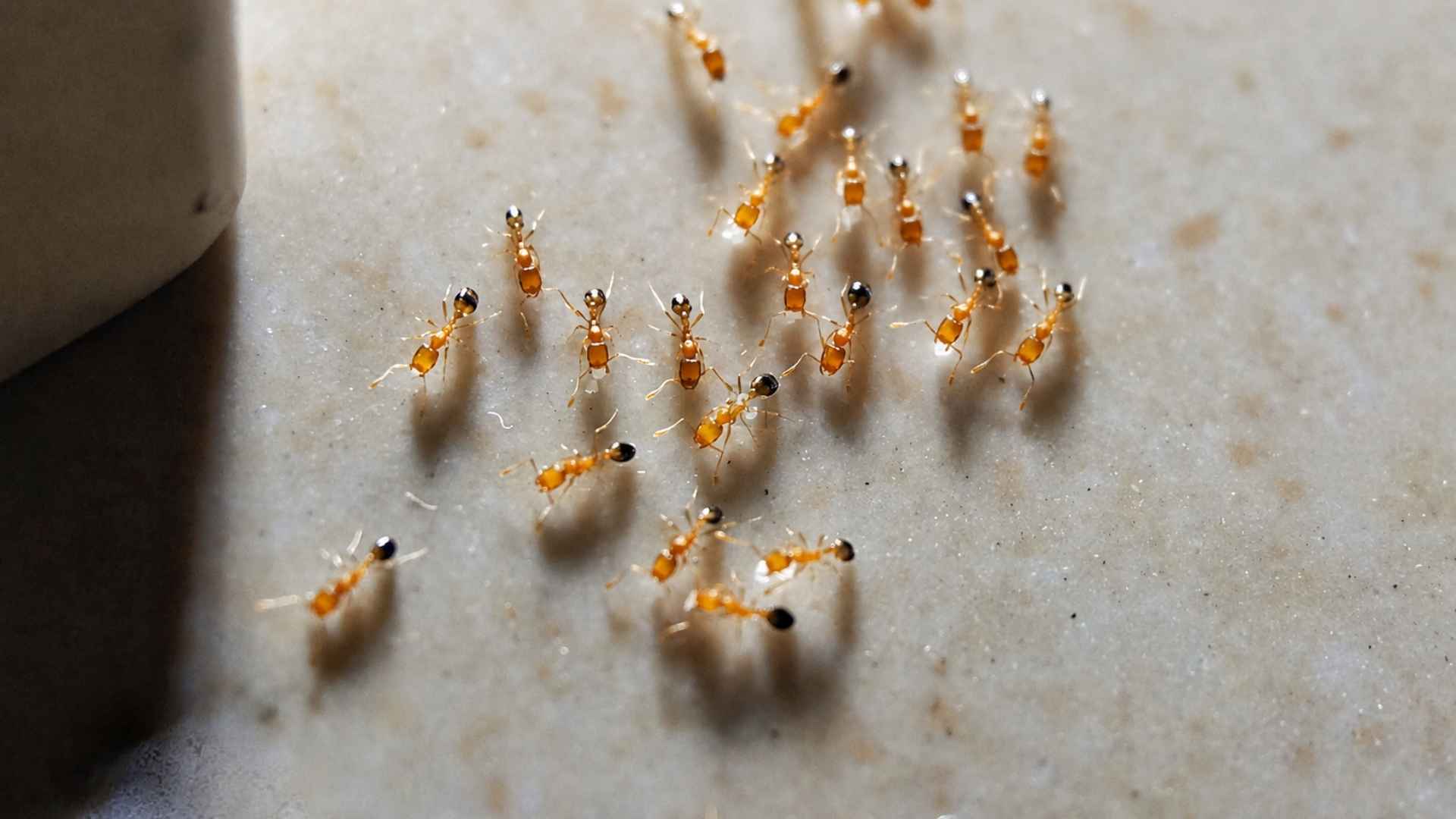
Pharaoh ants are tiny enough that most homeowners mistake them for grease ants or gnats at first glance. Like every ant, they have six legs and two bent antennae, along with a body split into three clear sections. Color is the easiest identifier. They look golden yellow to reddish brown, and their hind end is typically a darker shade than the rest of their body.
A full grown pharaoh ant measures roughly 1/16th of an inch long. That makes pharaoh ants one of the smallest species of indoor ants found throughout the United States, and one of the easiest infestations to miss early on either.
People call Pharaoh ants “sugar ants” because of their intense attraction to sweet foods like honey and soda. They do not sting people the way fire ants do, though they do have stingers that are not always visible. Those stingers stay tucked out of sight at the tip of the abdomen. Size is exactly why an early pharaoh ant infestation goes unnoticed.
Why Shouldn’t You Spray Pharaoh Ants?
Spraying feels like the obvious first move, and that strategy works perfectly fine for the vast majority of household pests, but pharaoh ants are a total exception to the rule. Their whole colony setup works like a loose, spread out network instead of one isolated unit.
Pharaoh ants build satellite nests all over your walls, kitchen cabinets, and wall voids. These pockets have little to do with each other besides a shared queen lineage. If you blast a visible line of ants with ants killer spray, you just wipe out the random workers on the surface. The true nest hides out in a spot you cannot see. Turns out, the colony barely registers the loss.
What the colony actually notices is the direct chemical threat. That sudden panic is enough to trigger a defensive process called budding. This means a queen and a pack of workers split off to establish a brand new nest in a different part of your home.
Professional pest control technicians deal with this mistake all the time. A typical homeowner sprays down the kitchen counter, feels great about the quick fix for twenty four hours, then spots pharaoh ants all over the bathroom and hallway a week later.
Spraying looks like a productive choice, but taking quick action is not the same as fixing the problem. Your chemical treatment just stirred them up, it did not take out the colony completely, and that is the fundamental issue with contact ant sprays on this specific insect type.
Why Are Pharaoh Ants Hard to Get Rid Of?
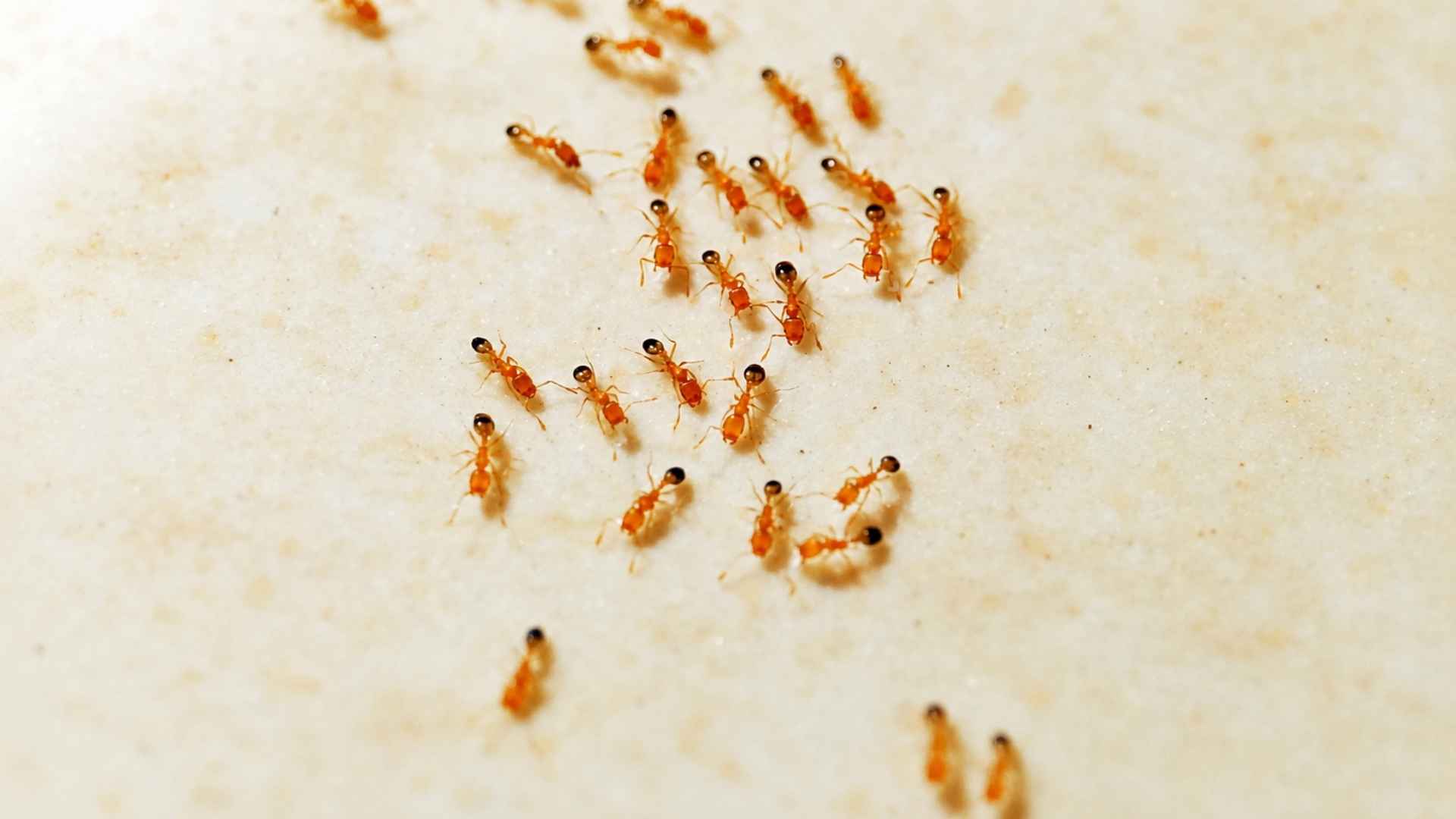
A single pharaoh ant colony often holds multiple queens and thousands of worker ants, and these groups replace each other on a non stop loop. Queen pharaoh ants live for roughly one year and drop about 35 eggs every single day.
Those eggs pass through several distinct growth phases, specifically larvae, prepupae, and pupae, right before they fully mature. It takes worker pharaoh ants 36 days to develop into adults.
The average lifespan for a typical worker ant is around 70 days, so the whole colony constantly brings in fresh reinforcements even as older workers die off from natural causes. Mix pharaoh ant colony budding into that fast reproductive speed and you deal with a pest that outgrows a single treatment before your chemical product even finishes drying on the surface.
Pharaoh ants are native to Africa, but they managed to spread throughout the United States and most parts of the globe. This gives them a major survival advantage that native insects simply do not get. Warm, climate controlled houses perfectly replicate the tropical environment where they originally evolved, so they never really slow down their activity indoors.
What Should You Do Instead of Spraying Pharaoh Ants?
Stop Using Repellent Sprays on Active Trails
The very first step is the hardest one to follow through on, since it means resisting the urge to spray what you can actually see.
Repellent sprays scatter workers’ pharaoh ants and trigger the exact budding response that spreads a pharaoh ant infestation into multiple locations.
Once trails are disturbed this way, tracking down every resulting nest becomes far more complicated than dealing with the original, contained colony would have been.
Use an Appropriate Ant Bait
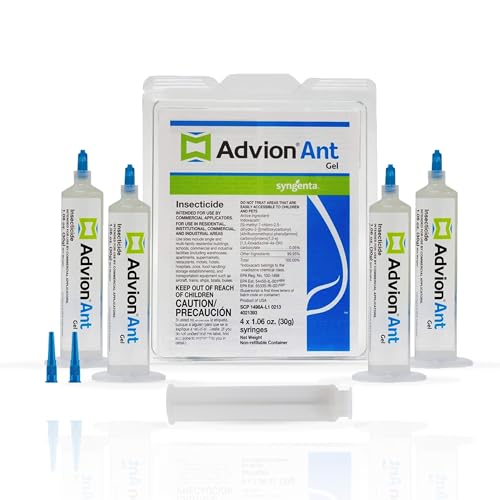
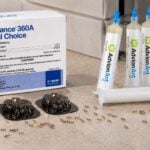
The right pharaoh ant bait needs to work slowly enough for workers to carry it home before it kills them, and that’s the whole point of bait as a method. Workers carry the poisoned food back to the nest and feed it to the queens and larvae, which is the only way to actually collapse a colony instead of just thinning it out.
To do so, you need a slower acting ant bait. Terro works way too quickly, which does not allow for the desired effect, since ants that die fast near the bait station never make it back to feed the rest of the colony.
We recommend advion ant gel bait cause it is a better fit for pharaoh ants specifically. Even with the bait, it will take a while for them to go away.
Keep Food and Water Sources Under Control
Pharaoh ants are not picky eaters. They flock to and devour a wide variety of food sources, especially sugar or sweet items, but they also target grease, pet food, and even the toothpaste residue left behind on a bathroom counter.
You should wipe down counters, pack food inside sealed storage containers, and repair any dripping faucets, since stagnant moisture attracts them nearly as fast as sugary treats do.
None of these sanitation habits can replace proper bait or professional extermination treatments. What this maintenance does is take out the easy victories that keep a colony well fed while you focus on the much tougher task of pinpointing where the insects are actually nesting.
Where Do Pharaoh Ants Hide After Spraying?
When people ask where pharaoh ants after spraying end up, the answer is almost always somewhere they can’t see. Common spots include:
- Wall voids
- Behind baseboards
- Electrical outlets and switch plates
- Cabinets
- Sheets of paper, linens, or laundry
- Plumbing areas, especially around hot water pipes, sinks, and toilets
- Under door frames and floors
- Cracks and other protected cavities
How to Tell If Spraying Has Caused Pharaoh Ants to Spread
Ants Appear in New Rooms
One of the clearest signs of colony budding is a spreading pattern across the house. A typical progression looks like kitchen to bathroom to bedroom to hallway, as separated groups of workers establish new nests further from the original site. If ants that were once confined to one room start showing up two or three rooms away within a week or two of spraying, that’s a strong signal the treatment stirred them up.
Several Separate Trails Develop
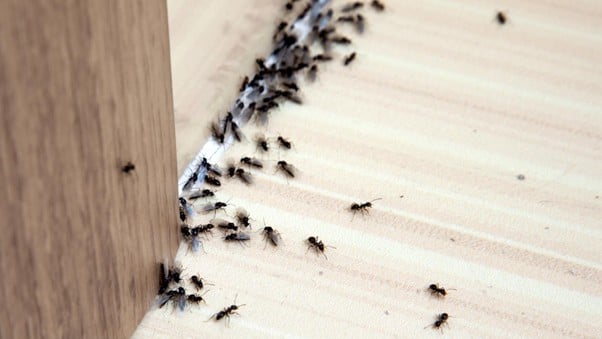
Instead of a single trail leading back to one source, you’ll start noticing multiple distinct pharaoh ants trails running in different directions. This happens because each budded colony operates independently, foraging and communicating along its own separate path.
Activity Returns After a Short Break
A couple days go by with no ants in sight, and it looks like the spray actually worked. Then activity picks back up, sometimes in a completely different spot than before. This delay reflects the time it takes a relocated colony to reestablish trails and resume foraging, and it’s a common pattern homeowners report after using repellent sprays on pharaoh ants.
Ants Start Appearing Near Outlets or Wall Edges
New activity concentrated around electrical outlets, switch plates, door frames, and floor edges points toward ants nesting inside the wall itself, one of the most common relocation spots once a colony has been disturbed and split apart.
How Long Does It Take to Get Rid of Pharaoh Ants?
Bait needs time to circulate through the colony and reach hidden queens, most pharaoh ant treatment plans take anywhere from a few weeks to a couple months to fully resolve. Activity may actually appear worse in the first several days as workers discover and transport the bait, which can feel alarming if you’re expecting immediate results.
It’s only gonna get worse before it gets better in many cases, and sticking with the bait instead of switching back to spray out of frustration is critical. Fast acting knock down baits or sprays temporarily make it better but ultimately make it worse, since they kill visible workers without touching the queens driving the colony’s growth.
When Should You Call a Pest Professional?
If you’ve tried baiting and the trails keep multiplying, or the pharaoh ants infestation has clearly spread across several rooms, you should stop DIY treatments.
Orkin has extensive experience with pharaoh ant treatment specifically, and their technicians know how to locate hidden nests behind walls and around plumbing that a homeowner would likely miss entirely.
Professional pharaoh ant treatment also avoids the common mistake of reaching for repellent spray out of frustration, which as covered above tends to make a spreading infestation worse rather than better.
For a colony that’s been budding across multiple rooms for weeks, a professional inspection is usually the fastest way to actually get rid of pharaoh ants.
Frequently Asked Questions About Pharaoh Ants
Why do Pharaoh ants spread after spraying?
Ant repellent sprays disturb the colony’s trails and trigger budding, where groups of workers relocate with larvae and a queen to new, separate nest sites. In turn, they stay put and do not dye off.
What is the best way to get rid of Pharaoh ants?
Slow-acting bait is the most reliable method. We recommend trying Syngenta Advion Ant Gel because it acts slowly. When worker ants carry it back to the colony, they share it with the queens, which eventually die. This is the best way to get rid of pharaoh ants completely.
What are pharaoh ants attracted to?
Sugar and sweets top the list, but pharaoh ants are drawn to and eat many different types of foods, including proteins and fats, making food storage and cleanup an important part of prevention.
Does spraying Pharaoh ants kill the whole colony?
No. Spray typically kills only the workers it directly contacts, leaving queens and the rest of the colony structure intact and likely to relocate elsewhere in the home.
Wrapping Up…
A pharaoh ant infestation rarely responds well to the instinct to spray on sight, and understanding why makes all the difference in how you approach treatment. Bait, patience, and sealing up any cracks or crevices especially near any water source will get you further than a can of spray ever could. Keep up with the bait even when activity seems to worsen in the short term, since that’s usually a sign the colony is finally carrying the treatment back where it needs to go. If the spread continues despite your best efforts, checking in with a pest professional is a reasonable next step rather than a last resort.