
You spray, you wipe, you toss out anything sticky on the counter, and for a few days the kitchen looks clean. Then a single ant shows up on the windowsill again, and you already know what is coming next. Why do ants keep returning after the nest is gone is a commonly asked pest question, and the answer usually comes down to one detail nobody thinks to check.
The National Pest Management Association lists ants as the top pest complaint among American homeowners, ahead of both cockroaches and termites. Most people assume killing the ants they can see solves the problem. Ants returning week after week almost always means something deeper is still active nearby. We’ll help you figure out why ants treatments stop working and what actually breaks the cycle.
Table of Contents
Signs of an Ant Infestation Beyond the Ants Themselves
Knowing why ants keep coming back requires looking past the ants you can actually see. Watch for these signs too.
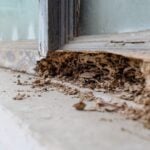
- Small piles of dirt or sawdust near baseboards, window frames, or door thresholds
- Faint grease or dirt marks along walls where a trail has worn a visible path
- Rustling or faint clicking sounds inside walls at night, more common with larger carpenter ant colonies
- Wings scattered near windows, usually meaning a colony nearby just sent out reproductive ants
- Soft or hollowed wood near door frames, since some species nest inside damp wood
- Ants returning to the exact same spot day after day, even after you wipe it down
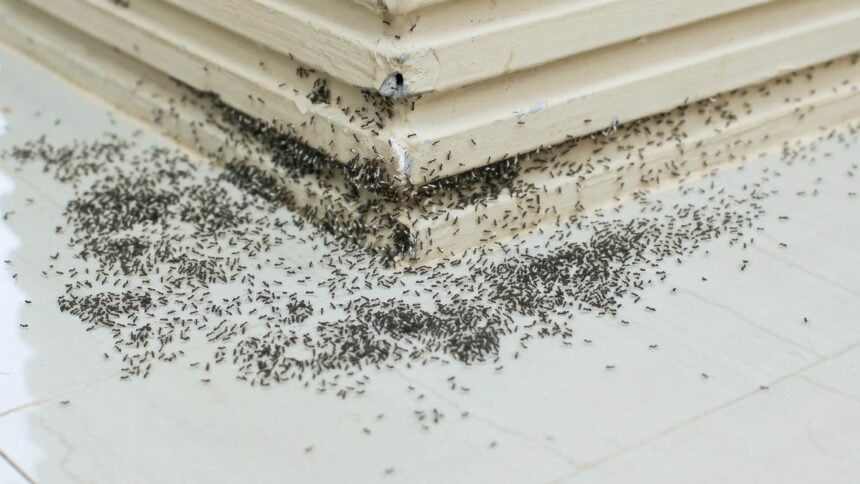
Any one of these on its own is not a big deal. Two or three together usually point to an active nest close by instead of a few ants simply wandering in.
Why Over the Counter Treatments Keep Failing
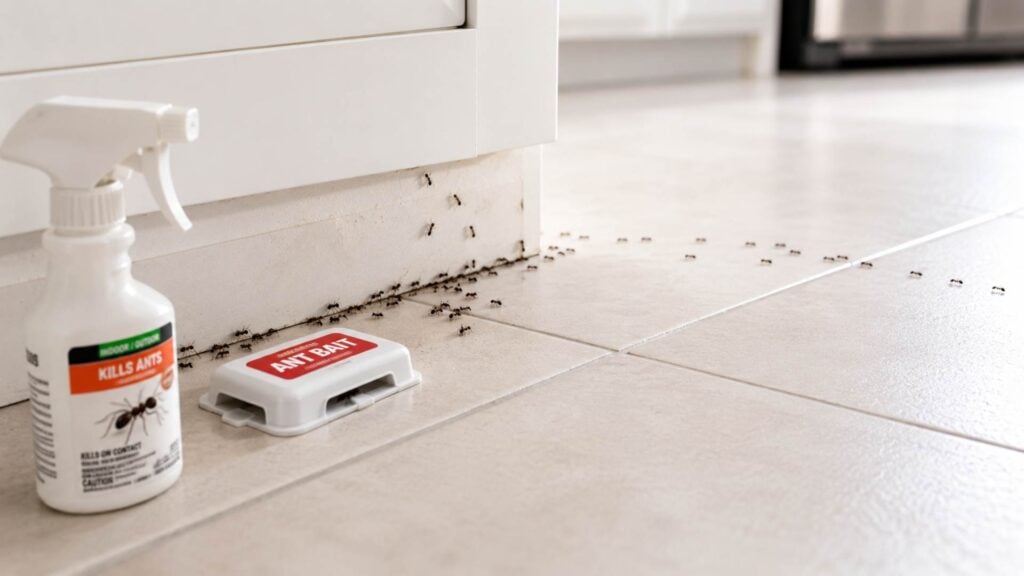
Store bought sprays and bait stations kill the ants that touch them, but that is often a small fraction of the actual colony. Most sprays only address what is visible on the surface, while the nest itself, sometimes tucked behind a wall or under a slab, stays completely untouched.
This is exactly why ants keep returning after treatment that looked effective at first. Ant bait not working is rarely about a bad product. It usually means the bait never reached the colony’s real food source, or worker ants found an easier meal elsewhere first. Ants returning within a week of an over the counter treatment is one of the most common complaints homeowners report.
Why Do Ants Keep Coming Back After You Kill Them?
Why do ants keep coming back no matter how many you wipe off the counter? The short answer is that killing visible ants rarely touches the actual source. Here are the seven most common reasons the problem keeps resurfacing.
Only the Worker Ants Were Killed
The ants marching across your counter are worker ants, and they make up the vast majority of any colony you will ever actually see. Killing them feels like progress, though worker ants vs queen is an important distinction here. Workers are replaceable. A healthy colony produces new workers constantly, so kicking them off barely dents a population that can number in the thousands for some species. Ants returning within days of a spray usually means the workforce simply regenerated from a queen that was never touched.
The Queen Was Never Eliminated
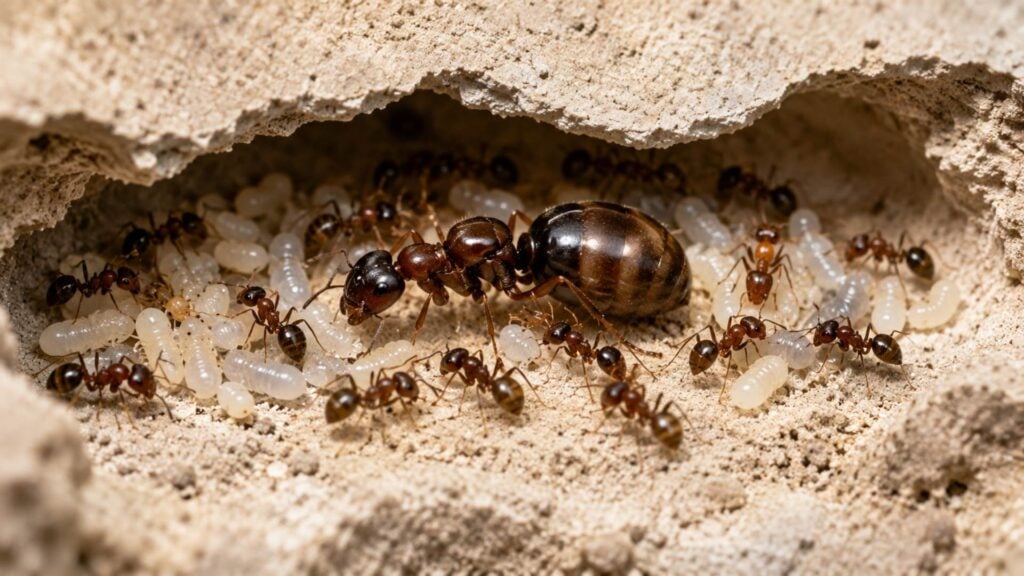
Every ant colony depends on its queen ant, or in some species, several queens at once. She lives deep inside the nest, protected by workers, and she is almost never the one you see wandering across a countertop. Sprays and traps aimed at visible trails rarely get anywhere close to her. As long as she survives, the colony keeps producing new workers to replace the ones you kill. An ant colony not gone at the root will keep sending workers back to the same spot no matter how many times you clean it. This is one of the biggest reasons ants keep returning after treatment that seemed to work for a week or two.
Hidden Satellite Colonies Exist
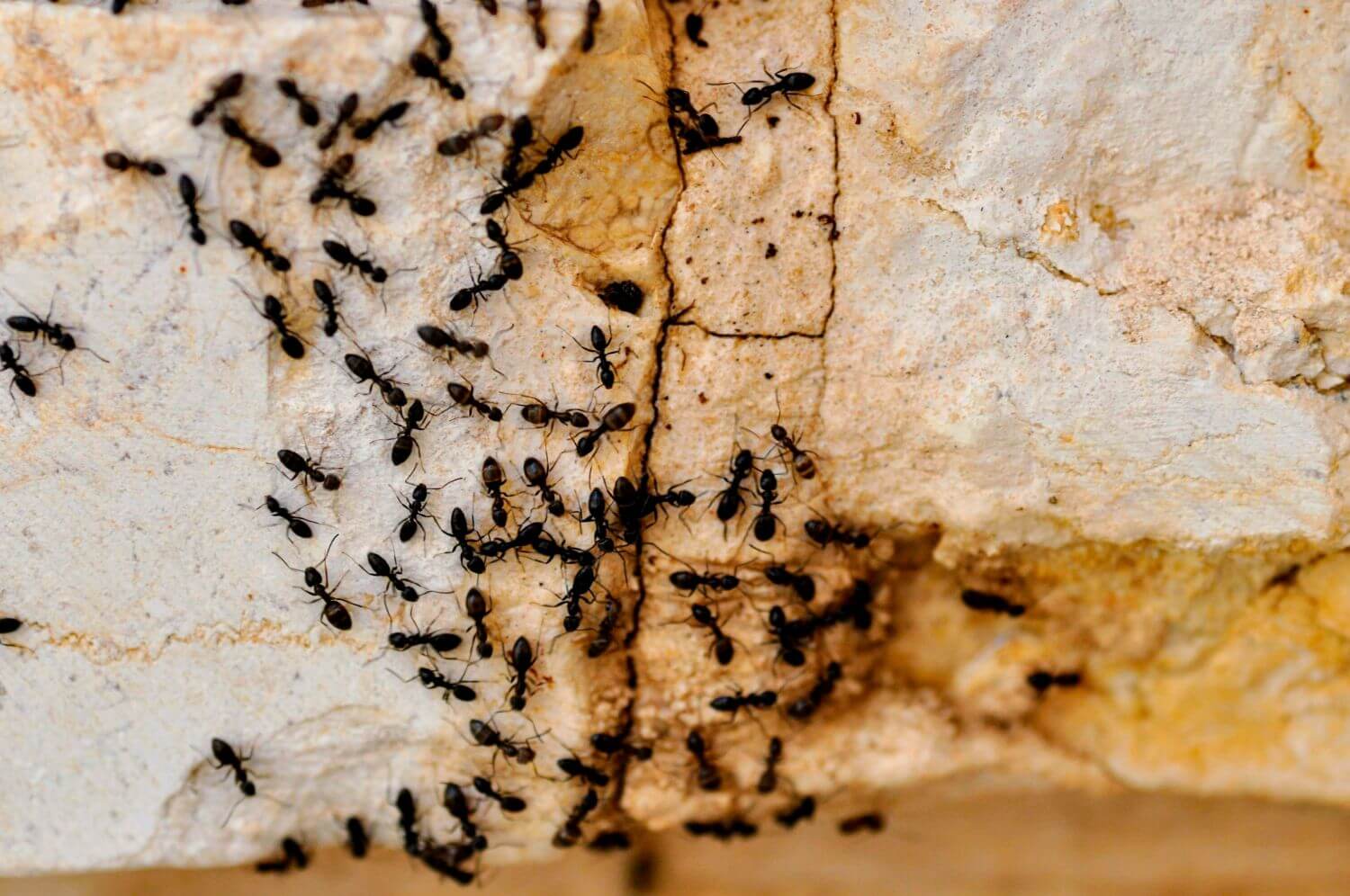
Many common ant species, such as odorous house ants and some carpenter ant species, split off satellite colonies once the main nest grows large enough. These smaller offshoots can live behind a wall, under a patio slab, or inside a rotting fence post, completely separate from the colony you originally targeted. A hidden ant nest like this keeps sending workers into the house long after the first colony seems handled. Hidden nests are part of why a single treatment rarely solves the problem for good, since eliminating one colony does nothing to the others quietly operating a few feet away.
Food and Water Sources Are Still Available
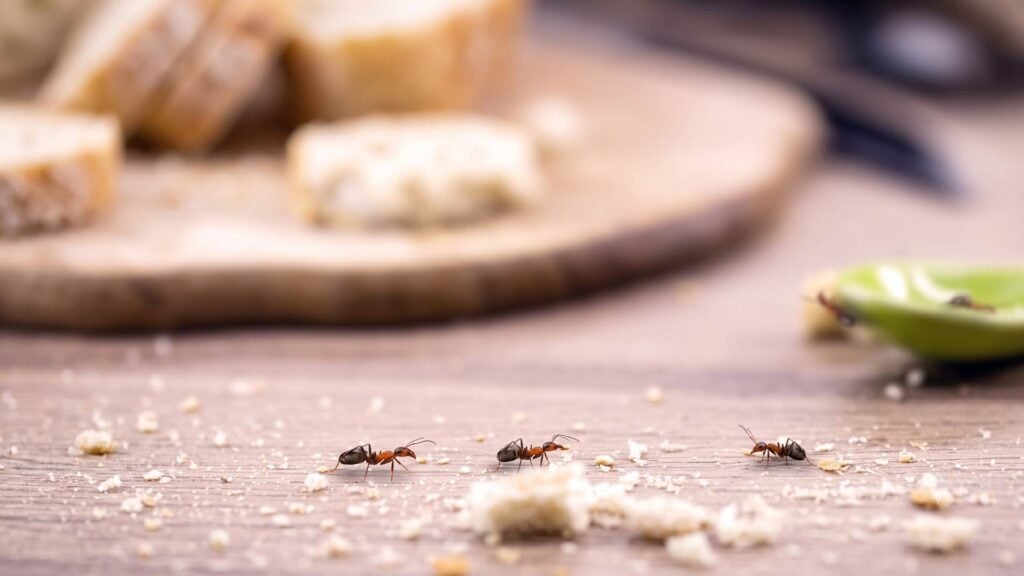
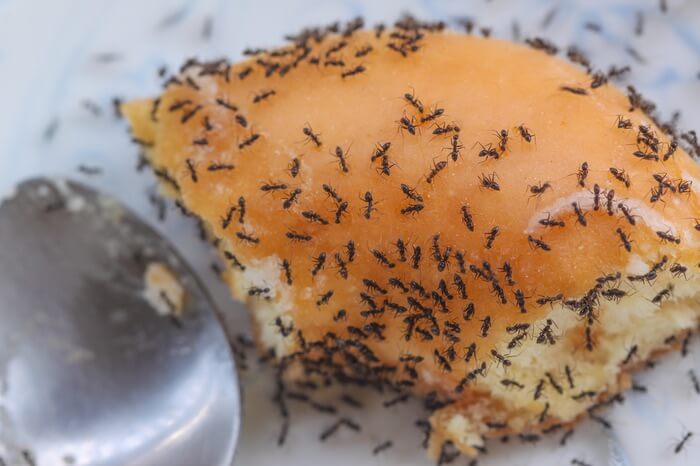
Ants do not return out of stubbornness. They return because something in your house still offers food or moisture worth the trip. Crumbs under an appliance, a leaky pipe under the sink, or pet food left out overnight all count as reliable food sources for a nearby colony. Even a spotless kitchen can have a moisture source in a basement or crawl space that keeps drawing ants back long after the counters look clean. Removing the ants without removing what attracted them in the first place leaves the actual trigger fully active.
Entry Points Were Never Sealed
Ants can slip through gaps smaller than a dime, so an untreated crack around a window frame or a gap under a door threshold stays wide open even after every visible ant gets wiped away.
Old Pheromone Trails Continue to Attract Workers
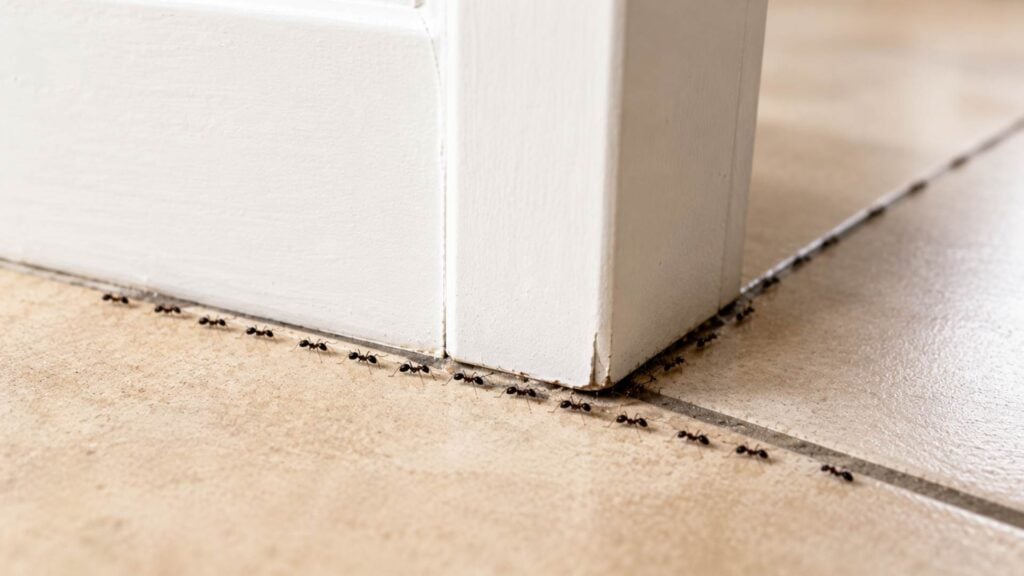
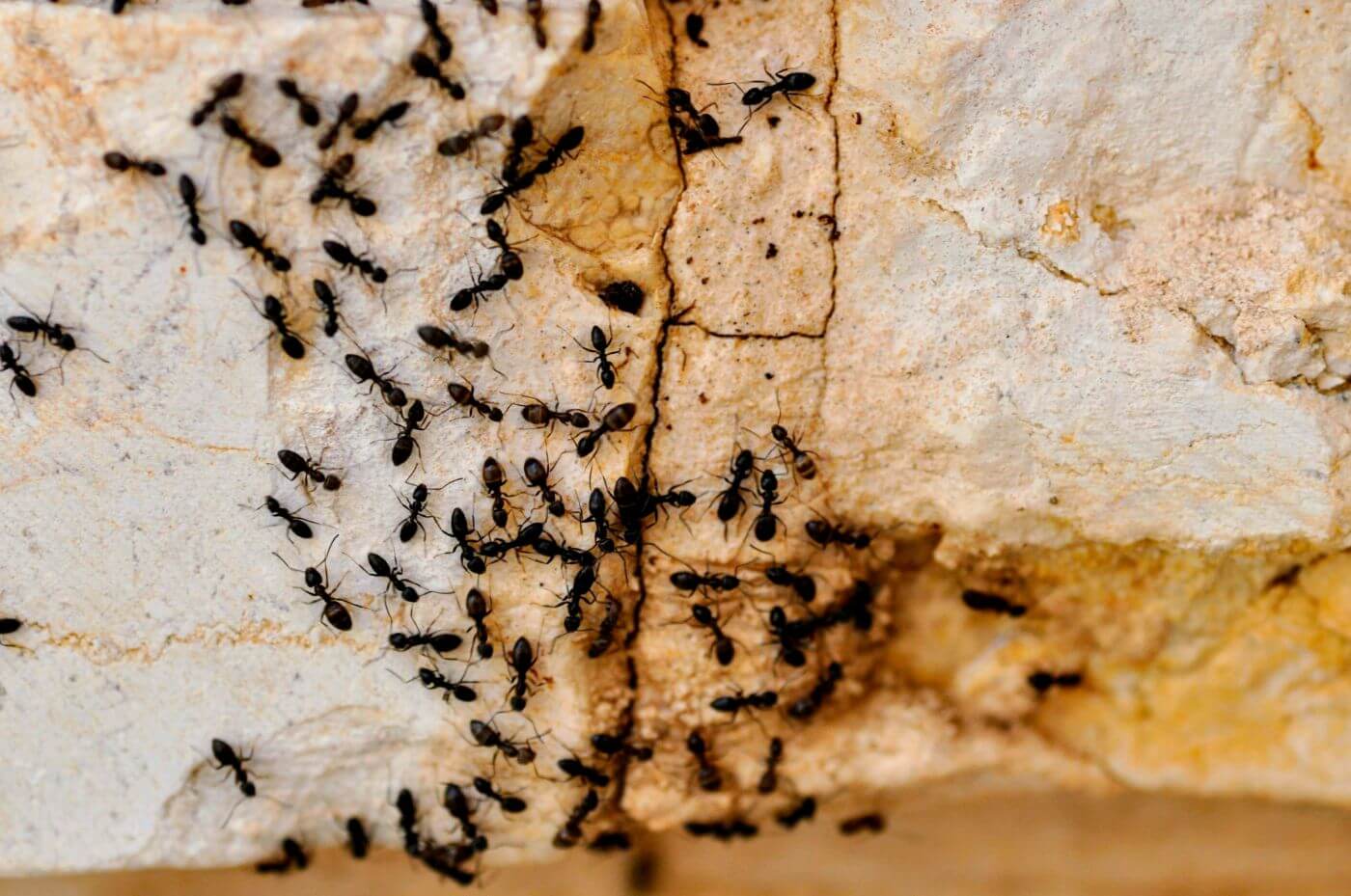
Worker ants leave a pheromone trail behind them as they travel, and that trail marks a path back to food for the rest of the colony to follow. Wiping the counter with a plain paper towel often leaves enough of that scent behind for new workers to pick up the exact same route. Ant pheromone trails can linger for days on porous surfaces like wood or unsealed grout. That’s why new ants show up in the same spot even after the ones you saw are long gone. Cleaning with a vinegar and water solution breaks down these scent trails far more effectively than water alone.
Seasonal Changes
Ant activity shifts with the weather, not just with whatever treatment you tried last month. Colonies move indoors during heavy rain or extreme heat to find stable temperatures and moisture, then pull back outdoors once conditions improve. A colony that seemed gone in April can send workers inside again by July for reasons that have nothing to do with how well the earlier treatment worked. A recurring ant infestation like this often gets mistaken for a failed treatment, when the real cause is simply a colony responding to the outdoor climate the same way it does every single year.
Why Spraying the Ants You See Often Falls Short
Spraying visible ants gives a quick sense of control, and for a day or two the counter looks clear. That relief rarely lasts. A contact spray (like BugMD) only kills what it directly touches, so any ant that was not on the counter at that exact moment survives unaffected. Some sprays even leave a residue that ants detect and route around, which teaches the colony to avoid that path instead of dying off. Ants returning through a slightly different route a day later is a common outcome of this pattern.
How to Stop Ants From Returning
Knowing how to stop ants from returning starts with treating the colony, not just the ants you can see, since ants returning again next week almost always means the underlying source is still active somewhere close by.
Locate the Source of the Infestation
Follow the trail backward instead of spraying it away. Worker ants almost always lead somewhere specific, whether that is a gap behind a baseboard, a potted plant, or a crack in the foundation outside.
A flashlight and a bit of patience during early morning or evening, when ants are most active, usually reveals more than a daytime search. Confirming the actual source before treating anything saves time and product, and it keeps an ant infestation from simply relocating a few feet over once it senses disruption nearby.
Use Ant Traps and Bait
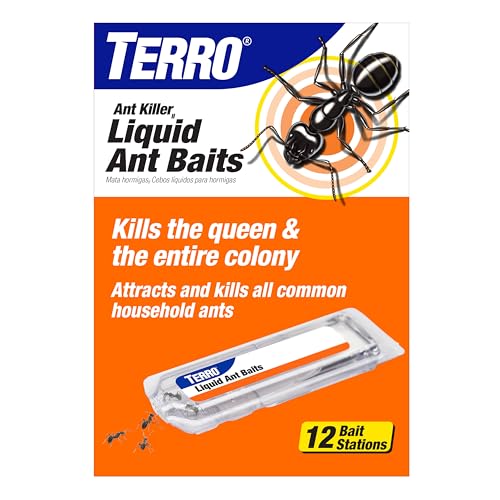
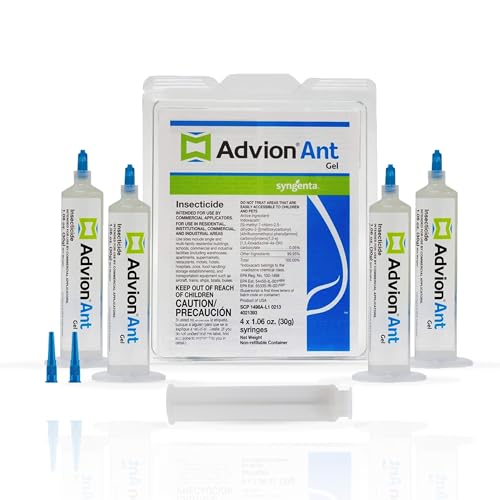
Bait works differently than spray, and that difference matters. Worker ants carry bait back to the nest and share it with the rest of the colony, the queen included. That is the only reliable way to eliminate ant colony activity at the source instead of just the surface. We tested Harris food grade diatomaceous earth and it turned out pretty effective in cleaning fleas and ants.

Place bait along established trails instead of directly on top of ants, since killing the ones present too quickly stops the rest from carrying anything back. Patience matters here. Effective bait can take one to two weeks to work through an entire colony.
Seal Cracks and Entry Points
Caulk gaps around windows, doors, and wherever pipes enter the house. Steel wool works well in larger openings that caulk alone will not hold. Check the foundation for hairline cracks too, since ants exploit openings most homeowners never think to inspect. This single step prevents new colonies from moving in even after an existing one gets fully treated, which matters more than people expect during the months right after a successful treatment.
Eliminate Food and Moisture
Store dry goods in sealed containers, wipe up spills promptly, and fix any dripping pipes or condensation issues under sinks. Pet food left out overnight is one of the most common overlooked attractants in an otherwise clean kitchen. A dehumidifier in a damp basement or crawl space removes the moisture that draws several ant species indoors in the first place. None of this diminishes an existing colony on its own, but it takes off the incentive for a new one to move in later.
Clean Away Ant Trails
Wipe down surfaces with a vinegar and water mixture instead of plain water or a basic all purpose cleaner, since vinegar breaks down the pheromone trail far more effectively. Focus on baseboards, window sills, and counters near where ants were spotted, not just the exact path you noticed. This step will not solve an infestation by itself, but paired with bait and sealed entry points, it removes the last signal drawing new workers toward a spot the colony already knows well.
How Long Does It Take to Eliminate the Entire Ant Colony?
Small colonies, with a population of a few hundred ants, often clear up within one to two weeks of consistent baiting. Large colonies, especially species like odorous house ants or Argentine ants that can number in the tens of thousands, may take three to six weeks before activity fully stops.
When multiple colonies are present, which happens more often than most homeowners assume, full elimination can stretch past two months, since each colony needs its own bait exposure and sealed entry points. Ants keep returning after treatment far more often when only one of several colonies gets addressed.
When You Should Call a Professional For Ant Control
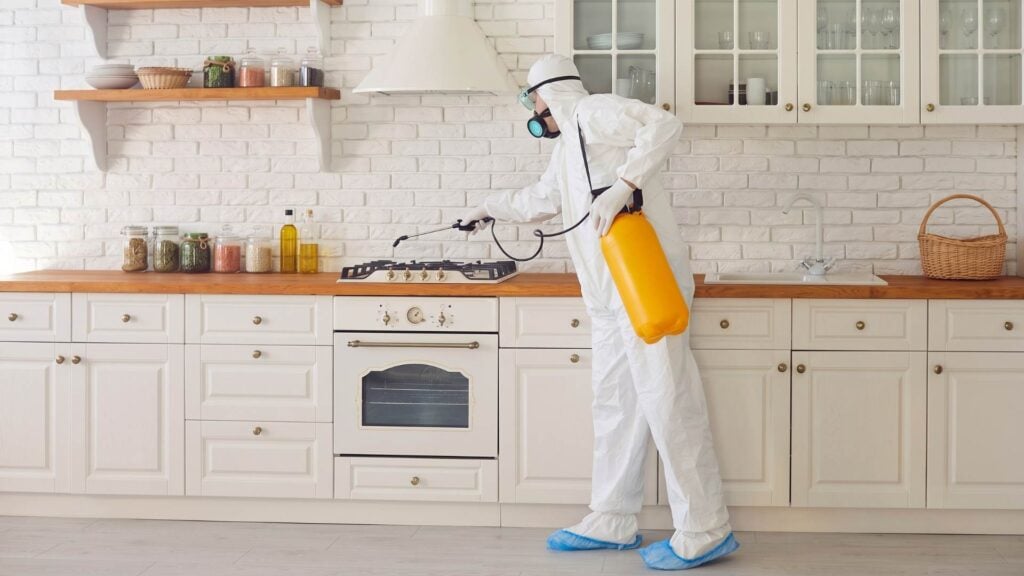
If ants keep coming back more than twice despite consistent baiting and sealing, or if you suspect carpenter ants damaging structural wood, it is worth bringing in a licensed pest control company. Orkin technicians can identify the species, locate hidden colonies, and apply treatments that reach areas a homeowner cannot access safely, such as wall voids and deep foundation cracks. A professional visit often costs less over time than repeatedly buying products that only manage symptoms instead of the source.
Frequently Asked Questions (FAQs)
Why Do Ants Return Even After Extermination?
Most extermination methods kill visible workers but miss the queen or a hidden satellite colony. Ants returning after extermination usually points back to one of those two causes.
Should I kill the ants that are eating the bait?
You should let them carry it back to the colony. Killing bait feeding ants on sight defeats the purpose, since the goal is getting that bait to workers and the queen deeper inside the nest.
How do I know the colony is completely gone?
No activity for two to three weeks, combined with no fresh trails after cleaning, is a reasonable sign the colony is gone. Ants returning even once after that stretch is worth investigating.
Wrapping Up…
Ants keep coming back again and again is frustrating, but it almost always has a specific, fixable cause. Whether the real problem is a queen that survived, a hidden satellite colony, or an entry point still wide open, the fix usually comes down to treating the source instead of the symptom. Ants keep returning after treatment far less often once bait, sealing, and cleanup work together instead of relying on a single spray to do all the work.