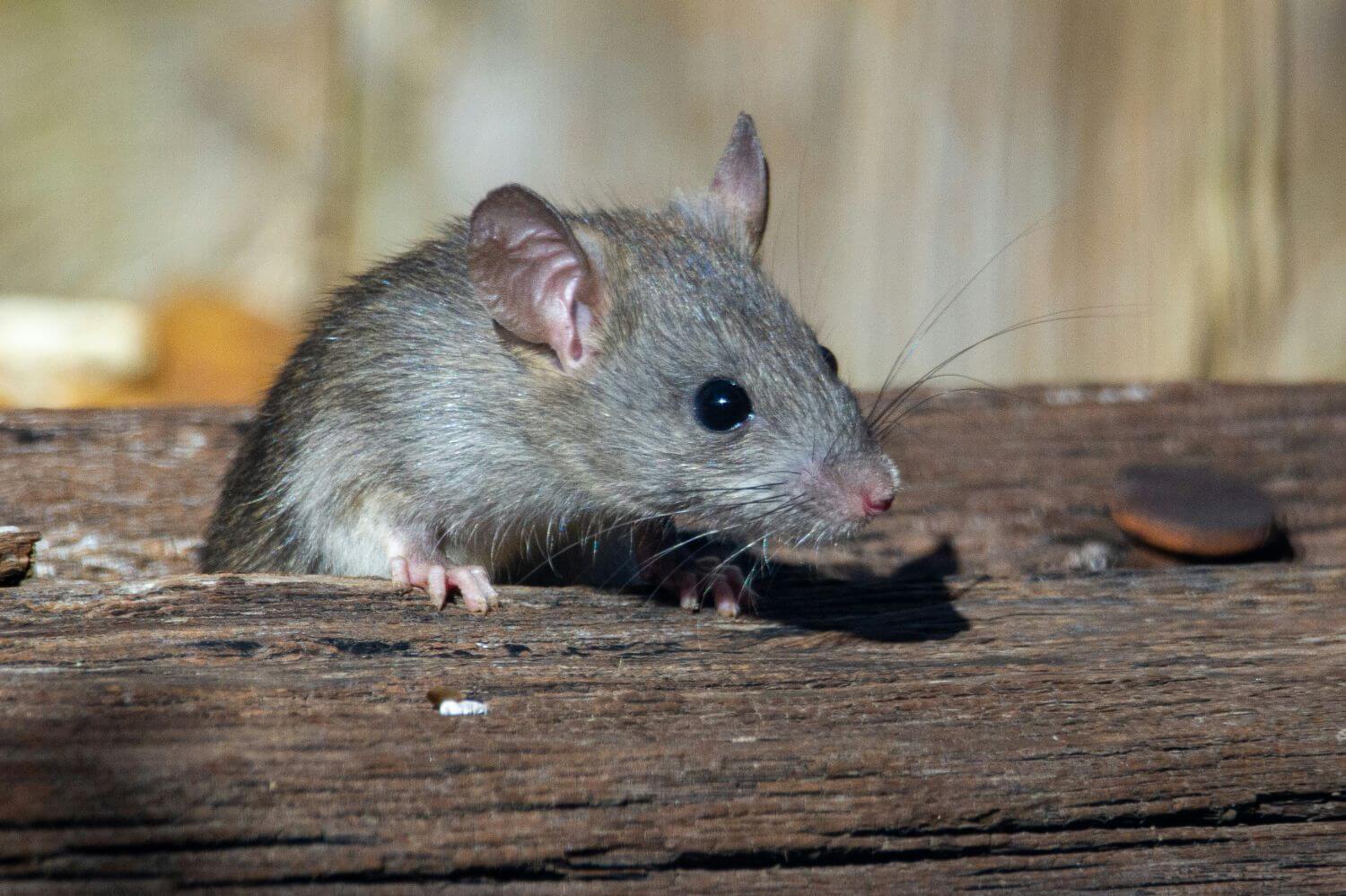


House mice are opportunistic omnivores that could pretty much survive on roughly 3 grams of food per day. In a normal environment, mice prefer to eat seeds, grains, and nuts, though they will gladly settle for insects and leftover food scraps. When real food runs out, however, they turn to unusual household items like soap bars, candles, cosmetics, and toothpaste.
So, mice still find ways to eat when the pantry is empty, but what exactly do they go after? Can they actually live off everyday household materials, or does hunger eventually push them out?
Let’s look at nine surprising things mice eat if food is scarce or, worse, if there is no food available. After all, during the dry spell, mice fall back on any food source available to them.
Table of Contents
9 Surprising Things Mice Eat When There Is No Food

1. Candles
Scented and unscented candles look harmless on a dining table, yet they are prime targets during a food shortage. Most candles are made from paraffin wax, beeswax, or soy wax, alongside fragrant oils that smell just like vanilla, berries, or baked goods. Soy and beeswax contain fats that give desperate mice emergency energy when normal snacks disappear.
2. Soap Bars
It sounds strange, yet mice frequently chew on bars of bath soap in showers, laundry rooms, and linen closets. Many traditional soaps are manufactured using animal fats like tallow or plant oils such as coconut, olive, and palm oil.
To a starving rodent, a bar of soap smells and tastes like pure fat. Although soap offers very little true nutrition and can upset their stomachs, mice will still gnaw on leftover slivers when no real food is around.
3. Tree Bark, Grass, and Roots
Out in the yard, wild plants keep mice alive when normal food sources dry up. Hungry mice spend hours hunting down leftover seeds dropped by weeds, trees, and garden flowers.
Once frost and snow bury those seeds, mice travel through underground tunnels and snow runways to chew on tree bark, grass stems, and fleshy plant roots.
Late autumn and winter bring heavy damage to home gardens because starving mice dig up flower bulbs and root vegetables right beneath the soil.
4. Bugs, Grubs, and Worms
People often assume rodents are strict vegetarians, yet protein is a major part of their survival diet. When grains and seeds run low, mice actively hunt beetles, crickets, caterpillars, and grubs near the soil surface. Inside damp basements and crawl spaces, they also catch cockroaches, spiders, earthworms, and insect larvae that hide in dark corners.
5. Meat Scraps and Carrion
Meat sits high on the list of things mice like to eat whenever they stumble across it. Indoors, they will lick bacon grease off a stovetop, nibble cold cuts from an unsealed trash bag, or eat dried meat scraps dropped near the grill.
Outdoors, hungry mice scavenge carrion, feeding on dead birds, roadkill, or carcasses left behind by larger predators. Although it is not mice’s preferred food source, they may consume accessible animal remains to survive, especially when the food is very short.
6. Cosmetics and Toothpaste
Usually, mice do not eat toothpaste, especially the mint one, because of its strong scent that keeps them away. If we talk about the condition where there is no food available, hungry mice will easily puncture a plastic toothpaste tube or lick residue off an open jar of moisturizer to get a quick hit of sweetness and fat.
7. Paper and Cardboard
When the cereal inside a box is gone, a hungry mouse will still chew right through the packaging. Mice cannot digest plain paper or cardboard for real energy, yet they gnaw on cereal boxes, pizza cartons, and book bindings to lick off leftover food grease and starch-based glues.
They also shred paper towels, newspapers, and cardboard into soft bedding for their nests, swallowing tiny fibers while they work. If you store holiday items or old files in weak cardboard boxes in your garage, mice will tear them apart for shelter and trace food residue.
8. Their Own Droppings
When extreme hunger strikes, mice practice coprophagy. It means eating their own soft fecal pellets to receive some nutrients. Since a mouse has a pretty short digestive tract, food passes through its body quickly without every nutrient getting absorbed on the first pass. Re-ingesting fecal pellets lets the rodent extract leftover B vitamins, proteins, and undigested carbohydrates that it missed earlier.
9. Kitchen Crumbs and Trash Scraps
Despite a clean kitchen, there will still be some crumbs of grease or bread in the kitchen that mice can eat. House mice can eat 20-30 meals throughout the night. If there is nothing on the shelves in kitchen pantries, they disturb trash cans and raid compost bins to find old vegetable peels, greasy napkins, and discarded crusts.
Because they survive on very little, a single dropped cracker or a sticky soda spill gives them pretty good energy to make it through the night.
Can Mice Eat Each Other When There Is No Food?
Mice have even been known to exhibit cannibalistic behavior when facing extreme starvation and overcrowding. This grim behavior is generally only exhibited when under duress, such as during a severe winter freeze or inside a sealed wall void with zero escape routes. Under intense nutritional stress, females may consume their offspring to recover lost energy and keep themselves alive for future breeding.
Does Removing Food Get Rid of Mice?
Removing food sources is a pretty smart first step you can take if you are dealing with a mouse infestation, though. Just taking away the food sources isn’t enough to get rid of an established mouse problem.
Mice can feed on tiny amounts of food scattered across dozens of spots. Even if you keep your bins shut and store pet food in sealed containers, they can still find crumbs beneath appliances, food residue inside cabinets, insects, or other overlooked sources around your home.
What’s more, mice can store food near their nests and travel between multiple feeding spots throughout the night. Turns out, you might clean your kitchen thoroughly and still notice fresh droppings a few days later.

The best approach is to combine proper sanitation with exclusion and trapping. Seal gaps around pipes, doors, and foundations, clear away clutter, and place mice traps near areas where you notice mouse activity. Or, if the infestation is severe, you can take Orkin help. Their pros take proper care of your house and make sure the infestation is properly eliminated.
Frequently Asked Questions (FAQs)
Can Mice Survive on Just Water?
Water cannot fulfil mice’s daily nutritional needs to survive. Although hydration delays dehydration for a couple of days, a mouse burns calories at an extreme rate and needs steady fuel to keep its organs running. Without calories from food, a mouse drinking only water will still starve to death within two to four days.
How Long Can Mice Survive Without Food or Water?
Although there is no one specific number for how long a mice could survice it go without any food and water. In general, they can pretty much survive about 2 to 4 days without food (depending primarily on how much energy it has stored) and roughly 3 to 4 days without water.
Do mice gnaw more if there is no food?
Yes, mice may chew through more household materials when searching for food or trying to reach a sheltered area. You might find bite marks on drywall, plastic bins, cardboard boxes, and even electrical wiring. However, gnawing isn’t always a sign of hunger. Mice naturally chew on different surfaces because their front teeth keep growing throughout their lives. They also shred paper and cardboard to build their nests. Either way, this habit can cause costly damage to your home, particularly when they get into walls, insulation, or electrical wiring.
Wrapping Up…
All in all, house mice can eat just about anything from crumbs to candles to insects if there is very little to no food available. Cutting off food helps, but it works best with sealed entry points and traps. Store food in tight containers, clean often, secure garbage, and close gaps larger than a quarter inch so they cannot squeeze through and get into your home. Besides, use proper treatment, including mice traps and baits, and if the infestation is out of control, get help from pest control professionals.