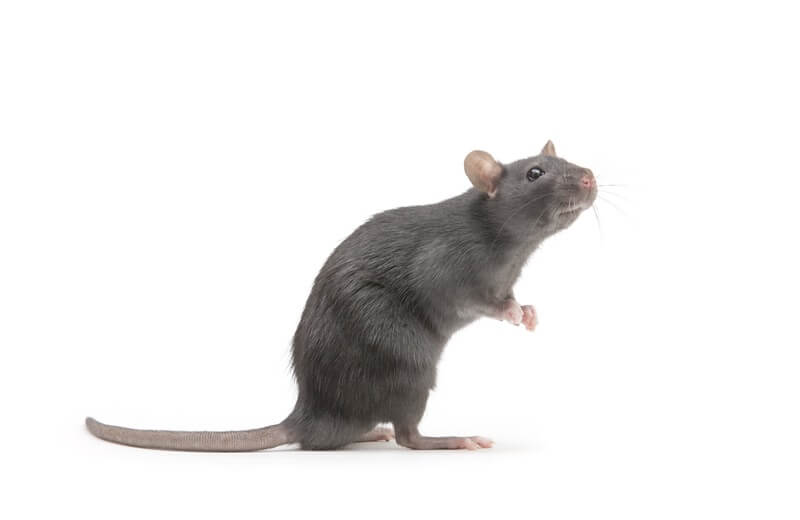


Most people walk past a rodent and experience pure disgust. Fair enough. Yet underneath that basic reaction sits a creature that successfully outsmarted, outbred, and outlasted almost every single species we have targeted with chemical poison, spring traps, and sprawling concrete cities.
There are 56 to 66 recognized species of “true rats” in the genus Rattus, and once you widen the lens to the broader family Muridae, the count balloons into the hundreds. The brown rat is the one you’ll meet most often worldwide.
These are medium sized, long tailed, night dwelling creatures that set up camp deep underground and completely out of view. That covert lifestyle explains why they vastly outnumber the human population while we rarely spot them.
Below are surprising facts about rats that go well past the usual “they carry disease” talking point. By the time you finish this list of rat facts, you may find yourself oddly impressed. Here are the real facts about rats worth knowing.
Table of Contents
1. Rats Can Squeeze Through Extremely Small Holes
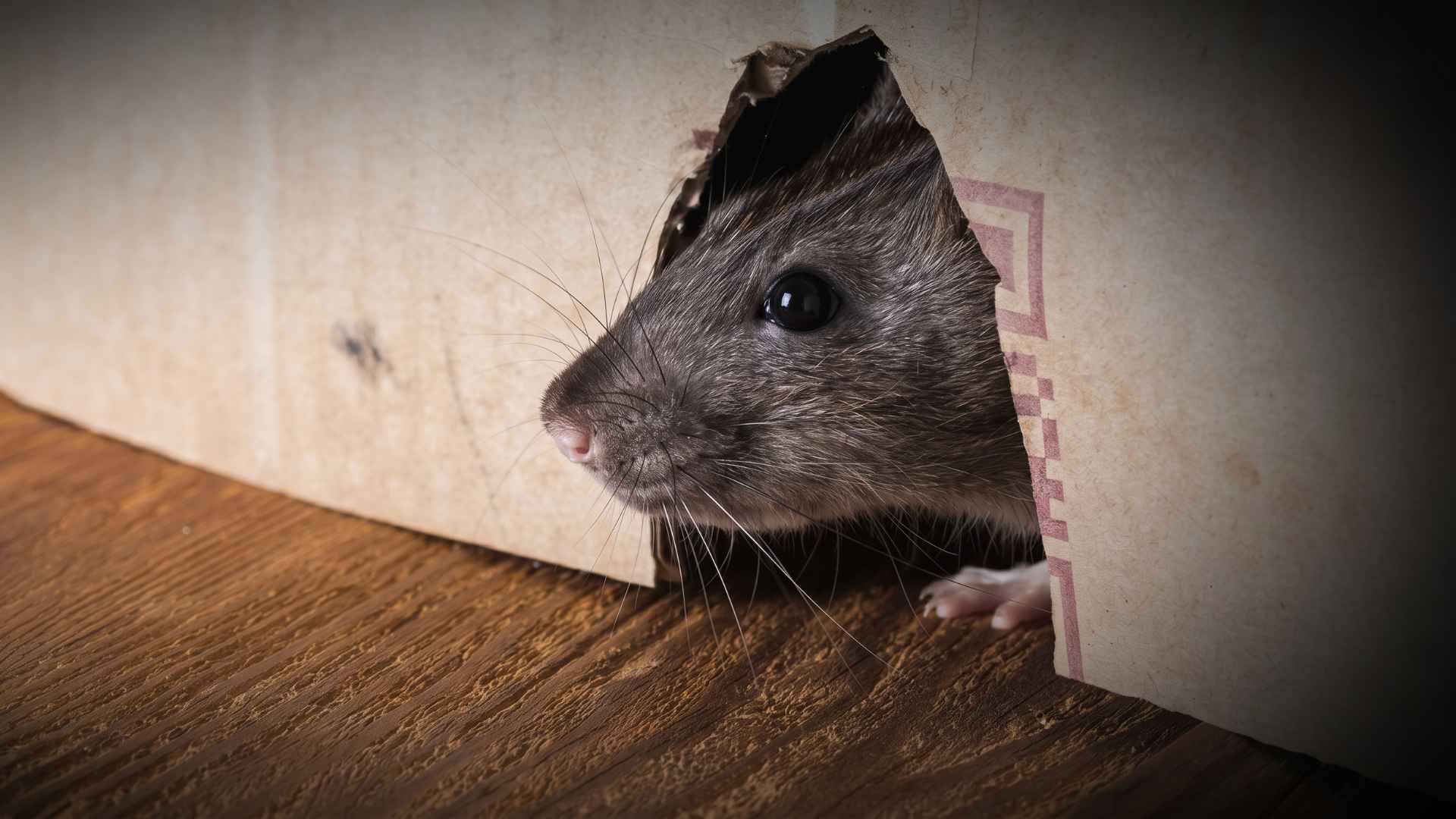
A rat does not need a gap much wider than a coin to gain access into your residence. Half an inch, roughly the dimensions of a quarter, provides plenty of space for an adult rat to slide right past. That’s not an exaggeration for effect. It comes down to skull structure.
A rat’s skull is the widest, most rigid part of its body, and everything else, ribs, spine, soft tissue, can compress and flex around it. Once the head fits, the rest follows. That anatomical reality is the exact reason pest management experts obsess over sealing tiny openings around utility pipes, exterior vents, and concrete foundations instead of simply placing snap traps.
This single point clarifies a massive amount of rodent activity around residential properties. It’s not really about how big the hole looks to you. It’s about what a rat’s skeleton is built to do.
2. Rats Have Teeth That Never Stop Growing
A rat’s front incisors grow continuously. It adds roughly five inches of new tooth every single year. If a rat stopped gnawing on things, its teeth would eventually curl backward and pierce its own skull. Chewing is not a choice for them, it is basic survival.
Their jaw is built almost like a smaller, scaled down version of an alligator’s, hinged and powerful for its size. Researchers who measured bite pressure at the razor sharp tip of a rodent incisor put the figure as high as 7,000 pounds per square inch.
Rat teeth are also coated in iron. It, in turn, gives them that yellow orange tint and adds real hardness. This is rat biology at its most brutally efficient.
3. Rats Cannot Vomit
This is a little known fact for the average person. Rats are physically unable to throw up. Their diaphragm is far too weak to generate the internal pressure needed to force stomach contents back up the throat. Furthermore, the exact point where the esophagus meets the stomach uses an angle that makes acid reflux virtually impossible.
There is also a specific piece of neural wiring, that part of the brainstem responsible for triggering vomiting in most mammals. It simply does not function the same way inside a rodent.
A rat that eats something toxic has no built in way to purge it. It’s also why rats are so cautious about new food in the first place, since they can’t rely on vomiting as a backup plan if something goes wrong.
4. Rats Can Swim Up Your Toilet
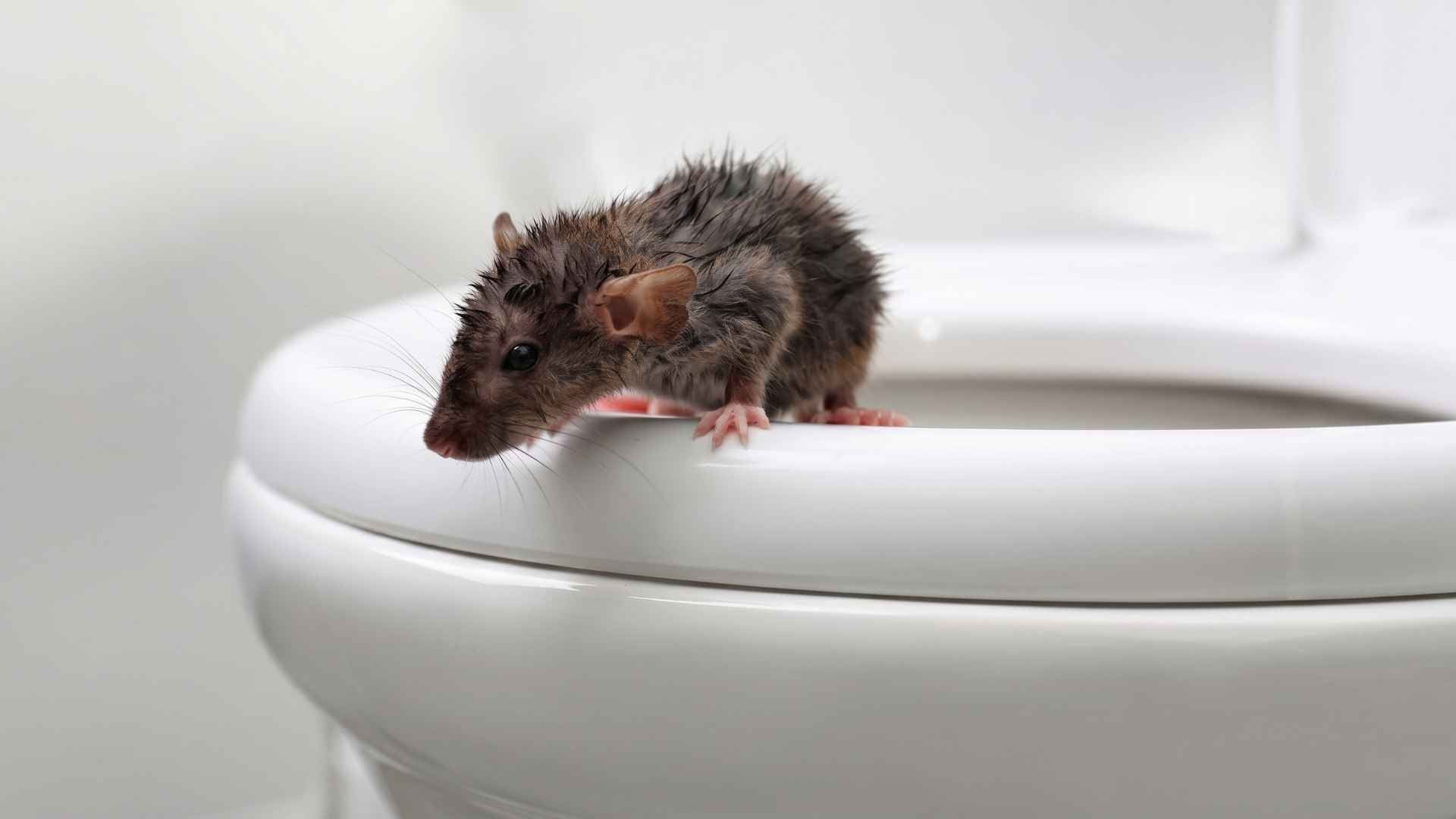
Rats can hold their breath underwater for up to three minutes and are strong enough swimmers to navigate sewer lines against the current.
Toilets connect fairly directly to that plumbing network, and a determined rat can, in rare cases, swim through the pipe and come straight up through the bowl. Their flexible ribcage lets them essentially collapse their body shape to squeeze through narrow, water filled pipe sections that would stop most other animals.
It doesn’t happen constantly. Plumbing traps and water seals block most attempts, but it happens often enough that pest control companies get calls about it every year. It’s a genuinely unsettling piece of interesting rat behavior.
5. Rats Are Surprisingly Social Animals
Rats live in colonies with real social structure. They spend time grooming each other, sleeping in piles, and maintaining a strict hierarchy.
In a well known study out of the University of Chicago, free rats consistently worked to release a trapped cage mate even when there was no reward involved. They did this even when a bag of chocolate chips sat right there as a distraction. They would free their companion first and share the food afterward.
6. Rats Are Reproductive Machines
If rodents are not actively eating, journalist Robert Sullivan noted in his book on the rat population of New York, they are usually mating. During a single six hour window of sexual receptivity, a female rodent may mate as many as 500 times.
Sexual maturity arrives incredibly fast, at around 8 to 12 weeks of age, and pregnancy lasts only 21 to 23 days. A female with a steady food source can produce up to a dozen litters a year, each containing around twenty pups.
Now you do the math and one single breeding pair holds the theoretical potential to produce roughly 15,000 descendants in a single year. That statistic alone clarifies why rodents are, by a wide margin, one of the most numerous mammals on the planet, and why clearing out a rodent infestation takes a lot more than a single spring trap.
7. Rats Are Olympic Level Athletes

Strip away the terrible reputation and you are left with an animal built for serious physical performance. A rodent can leap 2 feet straight up from a dead stop, and a running start adds another full foot to that jump. Scaled up to human size, that leap would equal clearing the roof of a two story garage.
Their sharp claws let them scale vertical brick and cement walls the way a professional rock climber uses a tight crack in stone. Add in a long tail that works like a built in counterweight for perfect balance, and you have an animal that can run, climb, and jump its way into spaces you would swear were completely sealed off.
Want to go beyond the facts? If these rat facts have you wondering what rats are doing around your home and how to keep them out, our book, The Pest-Free Home, takes a practical look at identifying household pests, spotting early warning signs, preventing infestations, and knowing when it’s time to take action. It also includes useful inspection checklists, treatment logs, maintenance planners, and other printable tools to help you stay one step ahead of pest problems.

Get practical help identifying pests, preventing infestations, and protecting your home throughout the year.
View the Pest Control eBook8. Rats Can Grow As Big As Cats
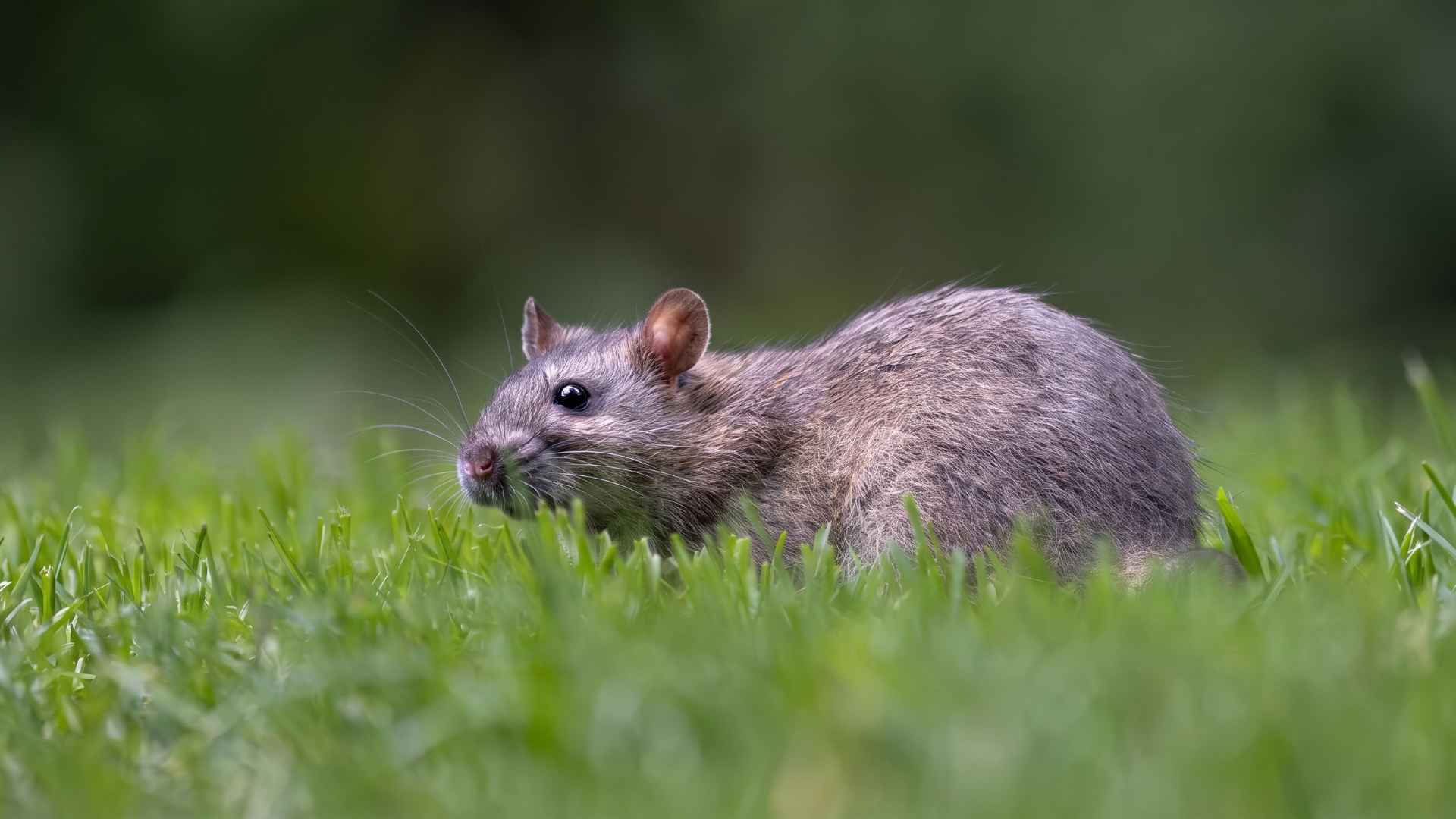
The average brown rat runs about 16 inches long including the tail and weighs less than a pound, roughly the size of a small guinea pig. But rats near a steady, reliable food source, think dumpsters behind restaurants or open landfills, can grow noticeably larger, sometimes reaching 20 inches and two pounds.
That’s approaching the size of a small housecat. Diet, rather than genetics, drives almost all of that physical difference. A rodent with unlimited access to meals and minimal pressure from natural predators simply keeps eating and keeps growing well past what you expect from traditional photographs of a lab specimen.
9. Rats Can Hold Their Breath for Three Minutes
Under controlled lab conditions, domesticated rats have been documented swimming continuously for up to 60 to 80 hours, which equates to roughly 2.5 to 3.3 days.
10. Rats Might Laugh at You
Neuroscientist Jaak Panksepp spent years studying what happens when rodents get tickled, and the results turned out strange in the best possible way. Tickled rodents emit distinct ultrasonic chirps around 50 kilohertz.
This pitch sits well above the human hearing range, yet researchers interpret the sound as the rodent equivalent of laughter. The animals did not just tolerate the physical handling either, since they actively sought it out and chased after the hand that had just tickled them to get more.
11. Rats Have Very Sensitive Taste Buds
Rats carry far fewer taste buds than humans do, but what they lack in quantity they make up for in sensitivity, particularly toward bitter compounds. That heightened sensitivity is an evolutionary safeguard, since bitterness in nature often signals toxicity.
It’s also a big reason rats are famously cautious about unfamiliar food, a behavior researchers call neophobia. A rat will often take a tiny, tentative bite of something new and then wait, sometimes for hours, to see how its body reacts before eating more.
Ain’t no doubt scent plays more of a role than taste in directing a rat to a meal, yet the two forces operate in tandem to create a highly accurate defense system.
12. Rats Handle Radiation Better Than You’d Think
The idea that rats would casually stroll away from a nuclear blast is more myth than science. A detonation itself, the heat and blast wave, would kill a rat just as it would kill most living things nearby.
But when it comes purely to radiation tolerance, rats do have a real biological edge over humans. Research on lethal radiation doses suggests rats can withstand roughly double the radiation exposure that would prove fatal to half of an exposed human population.
13. Rats Can Chew Through Almost Anything
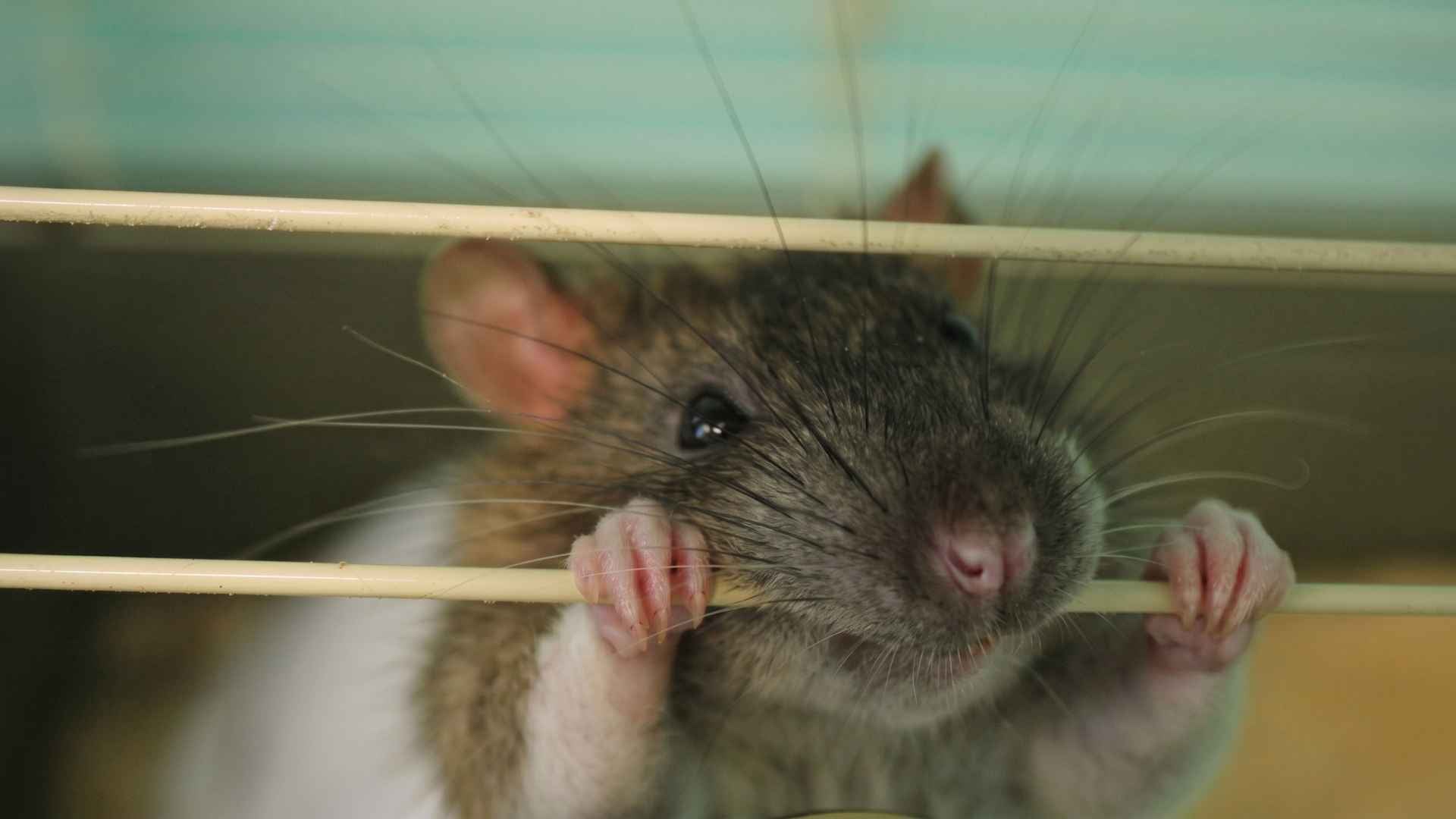
Lead pipes, aluminum siding, cinder block, drywall, electrical wiring, a rat’s jaw treats most of it as a minor inconvenience. That relentless gnawing does real damage at scale.
According to urban history research cited in Robert Sullivan’s book Rats, rodents are estimated to cause roughly a quarter of all fires of unknown origin and more than a quarter of unexplained electrical cable breaks in major cities, largely due to their biological need to constantly gnaw on wiring.
14. Rats Dream Just Like Humans Do
In a landmark study out of MIT, neuroscientist Matthew Wilson recorded electrical activity inside the hippocampus, the specific brain region tied to memory and spatial navigation, while rodents ran through a complex maze.
Later on, while those same animals slept, Wilson recorded the exact same neurons firing in strikingly similar patterns, indicating the rodents were mentally replaying the maze run.
Some sequences were detailed enough that researchers could tell which part of the maze the sleeping rat was likely “revisiting.” It stands as one of the clearest pieces of evidence that rodents process and solidify memory during sleep in a way that closely mirrors what happens inside the human brain.
15. Rats See Two Different Things at the Same Time
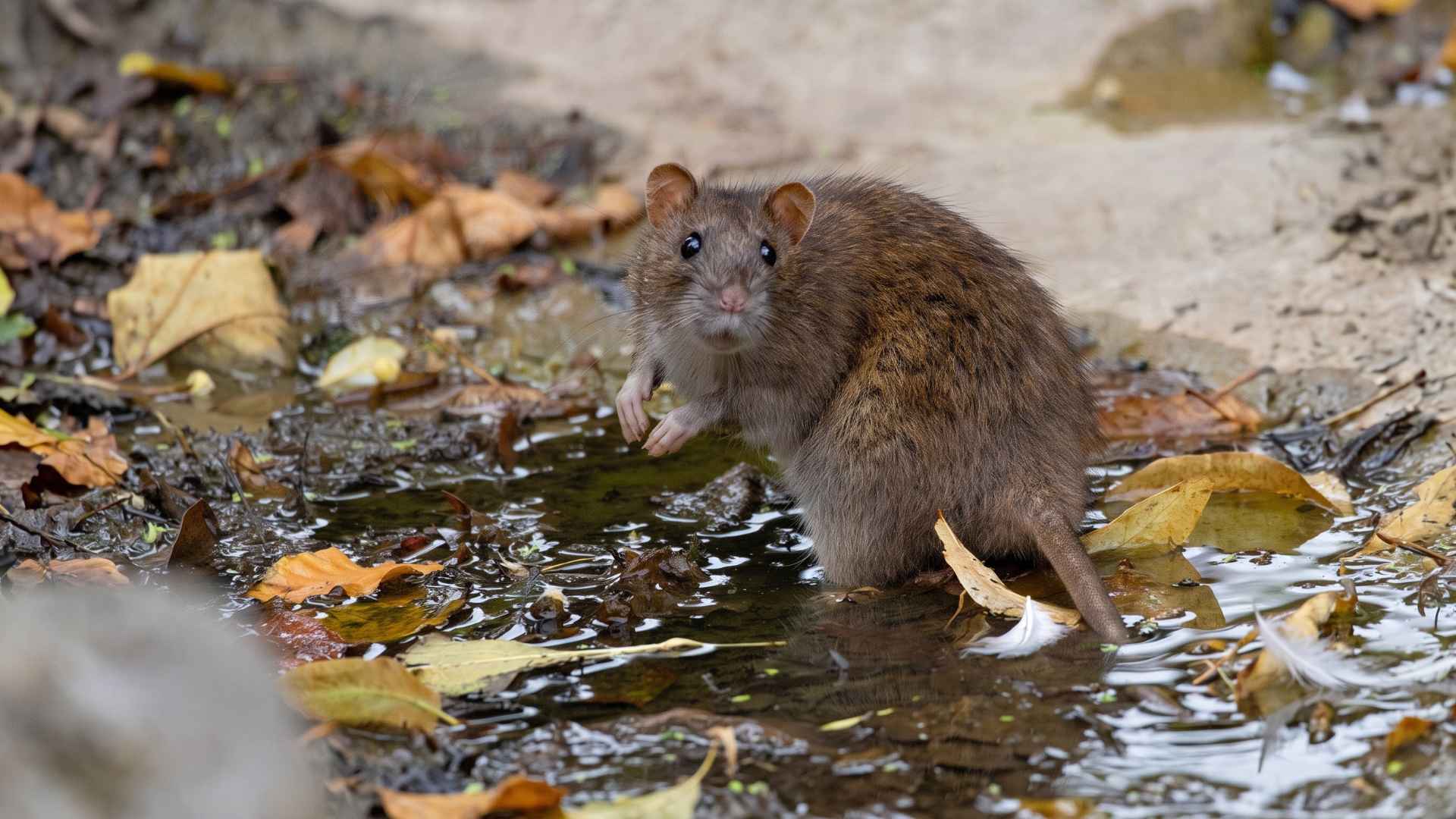
A rodent’s eyes sit on completely opposite sides of its skull. They can move somewhat independently of each other, unlike human eyes, which always shift together. That anatomical placement grants rodents an almost panoramic field of view.
This setup allows them to track a predatory threat approaching from one flank while still keeping tabs on what is happening on the other side.
The structural tradeoff is visual precision. Rats’ vision is fairly poor by human standards, and their color perception remains quite limited, so they lean heavily on sensitive whiskers and smell to fill in the blank spots their eyes cannot catch.
16. Rats Are Compulsively Clean Perfectionists
Despite a terrible reputation as filthy creatures, rats spend a large chunk of every single day grooming themselves and each other. They work through fur, whiskers, and paws with real precision.
The consistent grooming removes parasites, spreads natural oils through the coat, and, in group settings, reinforces social bonds between colony members. The dirt and disease associated with rats mostly comes from where they live and what they scavenge, not from any lack of personal hygiene. Left in a clean laboratory environment, a rodent will groom itself just as obsessively as any common house cat.
Why Are Rats So Good at Surviving Around Humans?
Rats thrive around people because they’re built for exactly the kind of chaos cities produce. They’ll eat almost anything, they breed fast enough to recover from population crashes within months, and they learn quickly, avoiding traps or poisoned bait after a single close call. Though, it’s still worth having a reliable rat trap around if you’re trying to keep them out of your home

Their nocturnal habits keep them out of sight during the hours we’re most likely to notice them, and their small size means they can nest in gaps most of us never think to check. Add in genuinely sharp problem solving ability, and you get an animal that hasn’t just adapted to human environments, it’s arguably built to exploit them better than almost any other mammal on Earth.
Are Rats Really as Dangerous as Their Reputation Suggests?
Partly, yes. Rats can carry pathogens like leptospirosis and hantavirus, and their gnawing causes real fire and infrastructure risk. But a lot of the fear is inherited. Individually, rats are shy and avoid confrontation, biting only when cornered or handled roughly.
Much of their villain reputation traces back centuries to disease outbreaks where their actual role has since been questioned by researchers. The risk is real but often overstated. What’s dangerous isn’t the individual rat, it’s what happens when a colony goes unchecked for too long.
Wrapping Up…
Rats aren’t the mindless pests most of us grew up picturing. They’re fast learners, surprisingly social, physically remarkable, and, in more ways than we’d like to admit, built better for this planet’s chaos than we are. None of that makes an infestation any more welcome in your kitchen, and it shouldn’t. But the next time one darts across a subway platform or an alley, it’s worth remembering there’s a lot more going on behind those eyes than we usually give credit for. That’s the real takeaway from these rat facts, and honestly, once you know this much about them, it’s hard to look at a rat the same way again.