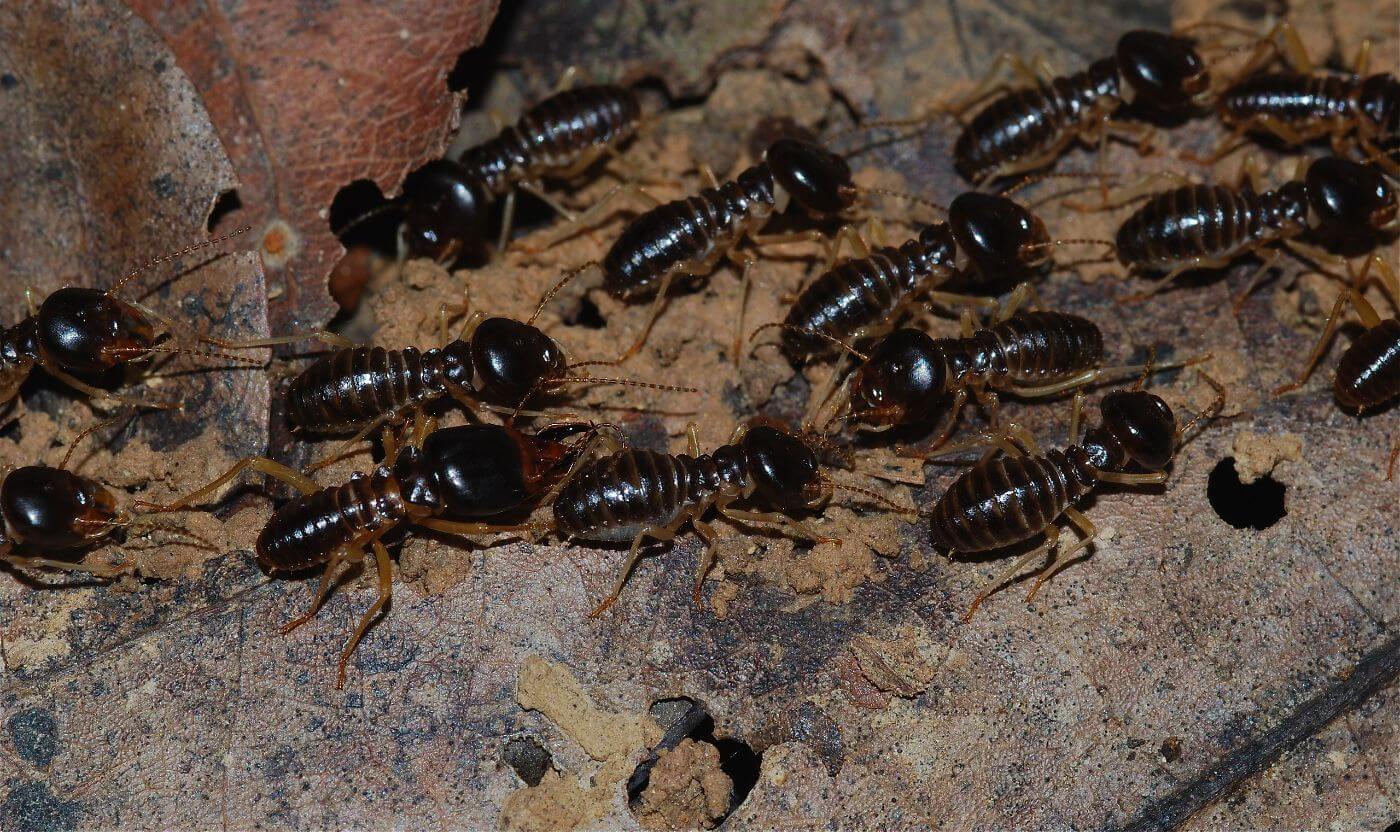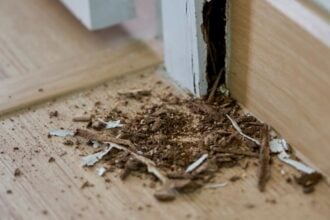

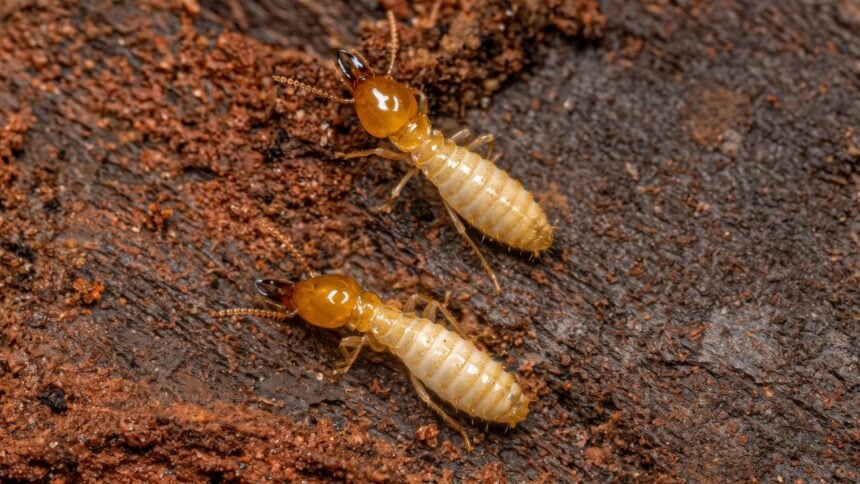
So far, you might have been thinking that termites only eat or chew wood. Well, that’s true; they do eat wood, but besides that, termites can eat a lot of other stuff too and destroy your home.
A termite’s primary food source is cellulose (plant fiber), and therefore anything that contains it becomes their food. Because everyday items in your home like cardboard boxes, books, cotton shirts, and drywall paper are packed with cellulose, they can eat them too, besides wood. Some termite species also feed on dead leaves, grass, and other decaying plant matter.
Read on to figure out 18 surprising things termites eat besides wood, including the list of materials they don’t feed on and a few steps you can take to protect your property.
Table of Contents
18 Surprising Things Termites Eat Besides Wood
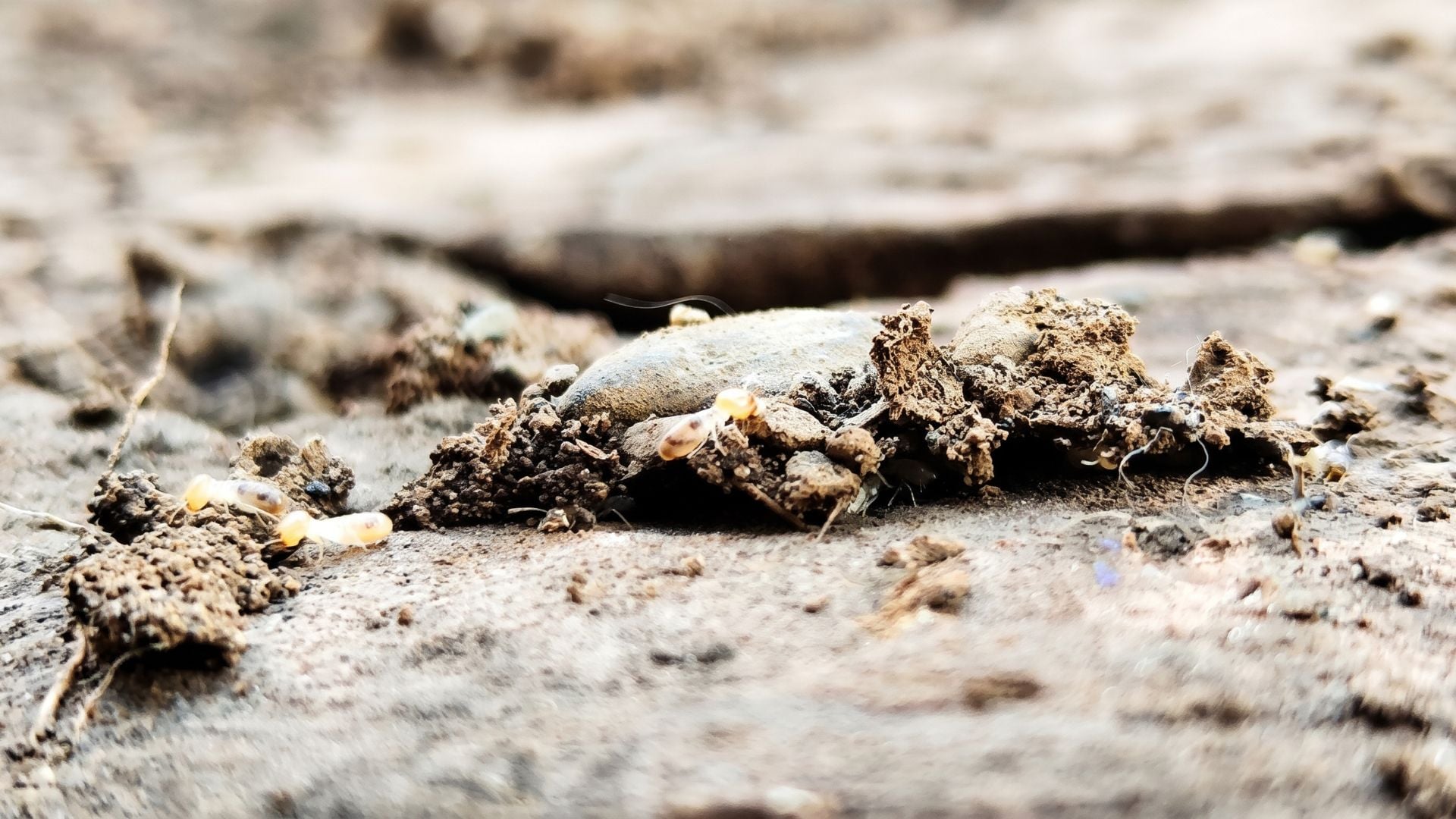
Cellulose (wood and other similar material) is extremely abundant above ground and below ground. This in turn gives plenty of food sources for foraging termites in and around your home.
Depending on the type of termite, a colony might seek out dry paper in an attic or damp leaves against your foundation. Here is what termites eat once they gain access to your property.
Everyday Paper Products
Termites eat paper because it’s processed plant fiber. Damp, undisturbed storage spots draw them most.
1. Books and Magazines
Standard book pages and glossy magazine sheets are made from refined wood pulp. Termites eat right through entire bookshelves and leave hollowed-out covers and shredded pages behind.
2. Newspapers
Stacks of old newspapers stored in damp garages or basements act like a magnet for foraging termites. The soft, unbleached paper fibers break down quite fast and would provide effortless meals.
3. Cardboard Boxes
Corrugated shipping boxes contain layers of dense wood fiber held together by plant starches. Setting cardboard directly on a concrete garage floor invites subterranean termite workers to tunnel straight into your stored belongings.
4. Paper Towels and Tissues
Unopened packs of paper towels, napkins, and facial tissues stored under bathroom sinks offer pure, soft plant fiber. Damp plumbing areas make these paper goods even more appealing to termites.
5. Paper Labels and Packaging
Product labels, paper wrapping, and cardboard packaging also contain cellulose. Termites may feed on these materials when they encounter them during their search for food. Packaging stored in garages or utility rooms can be particularly vulnerable. Even the paper covering on certain household products may provide a small feeding opportunity. Rarely would this be a major issue however if termites are found on product packaging it could mean that there is an active termite colony in close proximity.
Fabrics and Household Goods
Natural fabrics are another unexpected source of cellulose termites would love to feed on. Although not every fabric attracts termites, materials made from plant fibers could be vulnerable.
6. Cotton Clothing
Cotton comes straight from the cotton plant. Turns out, your favorite shirts, jeans, and socks are packed with plant fiber. If you left clothes in cardboard bins or dark closets, they could end up riddled with irregular chew holes by these pesky little critters.
7. Linen Bedding and Curtains
Linen is woven from the stalks of the flax plant and gives termites a rich meal. Heavy linen drapes touching the floor near baseboards are frequent targets for hidden termite colonies.
8. Upholstered Furniture
Cotton padding and wooden frames both feed termites. Drywood termites can hide inside furniture for long periods.
9. Jute and Burlap
Jute twine, burlap sacks, and decorative woven baskets are crafted from coarse vegetable fibers. Storing burlap holiday decorations in a crawl space provides an instant buffet.
10. Natural Fiber Carpets and Rugs
Jute and burlap are made from natural plant fibers. They both have cellulose and therefore could be termites’ food. You may find these materials in gardening sacks, storage bags, decorative products, and household rugs. In particular, burlap bags within garage or shed spaces should be checked too. If termites have access to the surrounding area, they may feed through the fabric.
Hidden Building Materials Inside Your Walls
Your home may contain cellulose in places you rarely inspect. Some of these materials are hidden behind wallpaper, drywall, and insulation.
11. Drywall Paper
The gypsum core has no cellulose, but the paper face does. Termites strip it and leave hollow, blistered walls.
12. Paper Based Wallpaper
Wallpaper can provide another cellulose source, particularly when it has a paper backing. Termites may feed behind the wallpaper without causing obvious damage straight away. Eventually, you might notice peeling sections, unusual marks, or small areas where the paper has lost its structure. As we said earlier, moisture can make the situation worse by creating favorable conditions for subterranean termites.
13. Cellulose Insulation
This insulation is made from recycled paper. If termites reach it, they would indeed feed on it.
Yard Waste and Outdoor Plants
Termites also feed on plant material outside your home. In fact, decaying vegetation and dead trees provide natural food sources for many termite species, including subterranean, dampwood, and drywood termites.
14. Wood Mulch
Spreading shredded bark or wood chips right against your exterior siding creates a moist bridge straight to your house. Home-invading termites prefer shaded, damp mulch beds that shelter them from sunlight and predators, although termites generally prefer solid wood (like your home’s framing) over shredded bark or wood chips as a primary food source.
15. Dead Leaves
Thick piles of fallen autumn leaves trapped in gutters or piled against foundation walls hold onto rainwater. Termites eat decaying leaf litter as it breaks down into soft organic matter.
16. Dead Tree Roots
Old stumps and roots feed subterranean termite colonies underground. Dampwood termites favor decaying stumps and logs.
17. Cardboard Weed Barriers
Cardboard is sometimes used in gardens as a weed barrier. Gardeners place sheets underneath mulch to block sunlight and suppress unwanted plants. The problem is that cardboard contains cellulose. When it stays damp and comes into contact with soil, it can provide an accessible food source for termites. Whilst using cardboard for weed suppression may not necessarily lead to termites becoming a problem in your garden, they can feed on it.
18. Animal Dung
A lot of termite species, including wood, grass, and litter-feeding termites, feed on herbivore dung, which holds partly digested plant fiber. Particularly, it is more common in warm regions.
What Things Do Termites NOT Eat?
When homeowners ask do termites eat anything besides wood, they often worry that their entire house will vanish. Thankfully, termites eat strictly plant-derived fibers and cannot digest synthetic or mineral materials. Even though workers sometimes chew through soft barriers to reach hidden wood, they gain zero nutrition from the items below.
- Concrete and brick: Termites cannot digest concrete or brick, and they do not eat it. However, they can enter through existing cracks, construction gaps, and expansion joints.
- Metal: Metal contains no cellulose and provides no food value. Termites cannot consume steel, aluminum, or other common building metals either.
- Plastic and vinyl: PVC plumbing pipes, vinyl siding, and plastic storage totes offer zero food value, and therefore termites don’t show any interest in them.
- Glass and tile: Smooth, hard surfaces like window panes and ceramic floor tiles cannot be bitten or digested by termites’ mandibles.
- Stone and gravel: Neither is edible for termites.
- Foam boards: Termites tunnel through foam to reach wood, but they don’t eat it.
- Synthetic clothes: Garments made from polyester, nylon, acrylic, or spandex consist of synthetic polymers derived primarily from petroleum and natural gas petrochemicals. Because termites only digest cellulose, they do not eat pure synthetic fabrics unless the material is blended with plant-based fibers (such as cotton, linen, or rayon), though they may still chew through synthetic clothing to reach nearby wood or if the fabric is soiled with food stains.
- Fiberglass insulation: It holds no cellulose, so it isn’t a food source.
- Drywall core: Although termites eagerly strip the outer paper off sheetrock, they leave the chalky white gypsum core untouched.
How to Protect Your Home From These Unexpected Termite Food Sources
Honestly speaking, a pretty generous termite control starts off by cutting off easy access to moisture and stored plant fibers. Because most termite infestations start with wood that touches or is located close to the soil, if you could make some small changes around your yard and storage rooms, it would go a long way and obviously save you from the bigger termite damage.
Store Paper and Clothes in Plastic Bins
Take out old cardboard boxes from your basement, attic, and garage. Pack your books, tax files, and seasonal cotton clothes inside heavy plastic totes with tight locking lids. Keep those bins elevated on metal shelving units so termites can no longer have access to them.
Keep Firewood and Lumber at Least 20 Feet Away From Your Home
Firewood, scrap lumber, and wooden debris can attract foraging termites. Store firewood away from the house, ideally at least 20 feet away where space permits. Keep it off the ground as well, instead of just placing it directly on soil.
Use Termite Bait Stakes in the Yard
Bait stations can be used to target termites. Foraging worker termites would consume the cellulose based bait and take it back to share it with other colony members and help you eliminate lots of termites at once.

Fix Leaks to Keep Drywall Dry
Repair dripping pipes, clogged rain gutters, and sweaty air conditioning lines right away, as termites are heavily attracted to moisture and high humidity.
Frequently Asked Questions (FAQs)
Why do termites eat wood?
Wood contains cellulose, and it is the primary food source for most structural termites. Their digestive systems contain microorganisms that help break down cellulose into nutrients. Because termites live in large colonies and never stop eating, workers can actually consume huge amounts of wood in a very short period of time.
What types of wood do termites not eat?
Termites usually avoid cypress, heartwood, redwood, and teak. These woods naturally contain oils and compounds that would make them unappealing to termites.
Do termites eat food meant for humans?
No, these insects ignore human food crumbs like meat, cheese, grease, and sugar. Unlike ants or cockroaches that raid your kitchen for snacks, drywood termites and dampwood species only live off cellulose.
Do Termites eat bamboo?
Yes, untreated bamboo is basically a free meal for termites. Even though bamboo is technically a giant grass, its stalks are full of the same tough fibers termites love to eat in regular wood. If you leave untreated bamboo fencing, flooring, or garden stakes resting on damp soil, hungry termites will find it and feed on it.
Wrapping Up…
Termites eat much more than wooden furniture and structural beams. Their appetite for cellulose extends to paper, cardboard, cotton, linen, bamboo, dead leaves, and several other plant based materials.
The important thing is to recognize where these materials are stored and how easily termites can reach them. Keep paper products dry, move firewood away from your foundation, and address moisture problems before they become serious.
If you discover termite mud tubes, damaged wood, or live termites, arrange a professional inspection. Early termite control can help limit structural damage and prevent a small problem from becoming an expensive repair.