


We know that sound. Chewing coming from inside the plaster walls of our living room, right around the corner from where we sit most evenings. We put a trap exactly where we thought the activity was coming from, right inside the wall cavity next to a small pile of droppings, and still heard movement the following night.
Gaps by the pipes under the sink turned out to be the likely entry point, something we’d put off dealing with for way too long before finally calling an exterminator to confirm what we were up against. The inspection confirmed the culprit was a rat that had been entering through those openings.
That whole experience is exactly why mouse-proof your home projects matter so much before the weather turns cold. We’ll walk you through everything we learned, plus the broader science behind why mice target homes specifically once temperatures drop, and how you could get rid of them easily.
Table of Contents
Why Mice Invade Homes Before Winter
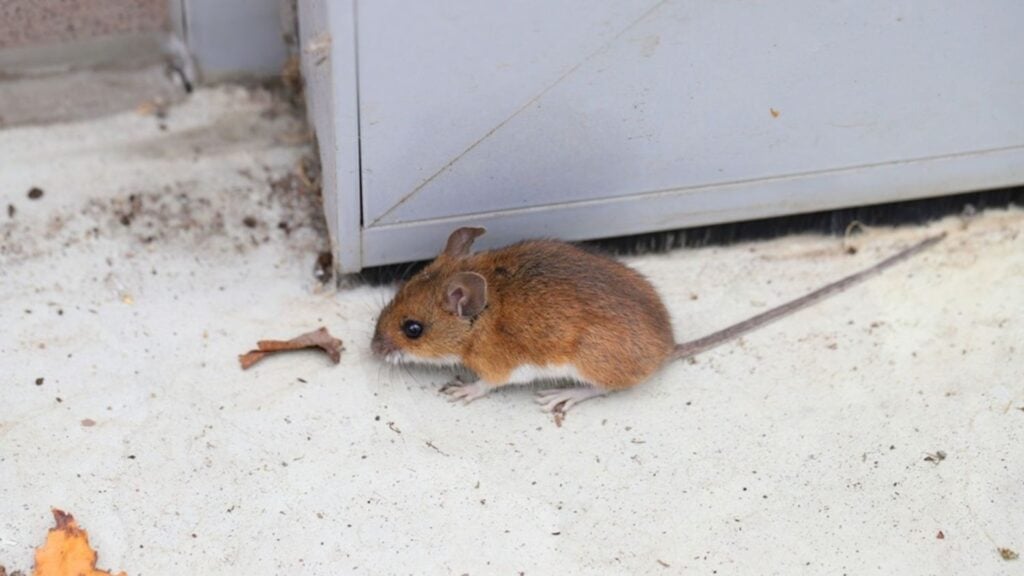
House mice are active year round outdoors, though. Once fall arrives and natural food sources start disappearing, they shift their focus toward shelter that offers warmth, food, and safety from predators.
A typical home checks every one of those boxes. Attics, wall voids, basements, and garages all provide the exact insulated, undisturbed spaces mice look for once outdoor temperatures start dropping consistently.
This seasonal shift is precisely why prevent mice before winter searches spike every single year around the same time, right as the first genuinely cold nights hit.
Signs Mice May Already Be in Your Home
- Mouse Droppings
- Gnaw Marks on Food Packaging
- Scratching Noises in Walls or Ceilings
- Shredded Nesting Materials
- Unpleasant Musty Odors
- Grease Marks Along Baseboards
10+ Ways to Mouse-Proof Your Home Before Winter
Fill in Holes
Adult mice can squeeze through holes as small as 1/4 inch or 6 millimeters in diameter. It is roughly the size of a dime or pencil. This 1/4-inch threshold is the standard guideline used for home exclusion against rodents. Walk your home’s exterior slowly and check every foundation crack, utility penetration, and siding joint. If you can slide a pencil into a gap, assume a mouse can follow it inside.
Keep Clutter to a Minimum
Cluttered basements, garages, and storage rooms give mice endless places to hide and nest undisturbed. Cutting off stacked boxes, old newspapers, and unused furniture removes the cover mice depend on to move through a space without being noticed.
Keep Your Yard Groomed

Overgrown grass, dense shrubs, and piles of leaves right up against your foundation give mice a direct, sheltered path toward your exterior walls. Keeping vegetation trimmed back several inches from the house clean off that cover and forces mice to cross open ground, which most rodents actively sidestep.
Elevate Your Firewood
Firewood stacked directly on the ground and against the house creates ideal nesting habitat. Elevate stacks at least a foot off the ground and keep them a reasonable distance from your exterior walls to reduce the chances of mice using the woodpile as a staging area before making their way inside.
Keep Pet Food Inside Your House
Pet food left outdoors overnight is basically an open invitation. Bringing bowls inside after your pet finishes eating and storing bulk pet food in sealed containers removes one of the most reliable food sources mice rely on near a home’s exterior.
Install Door Sweeps and Weather Stripping
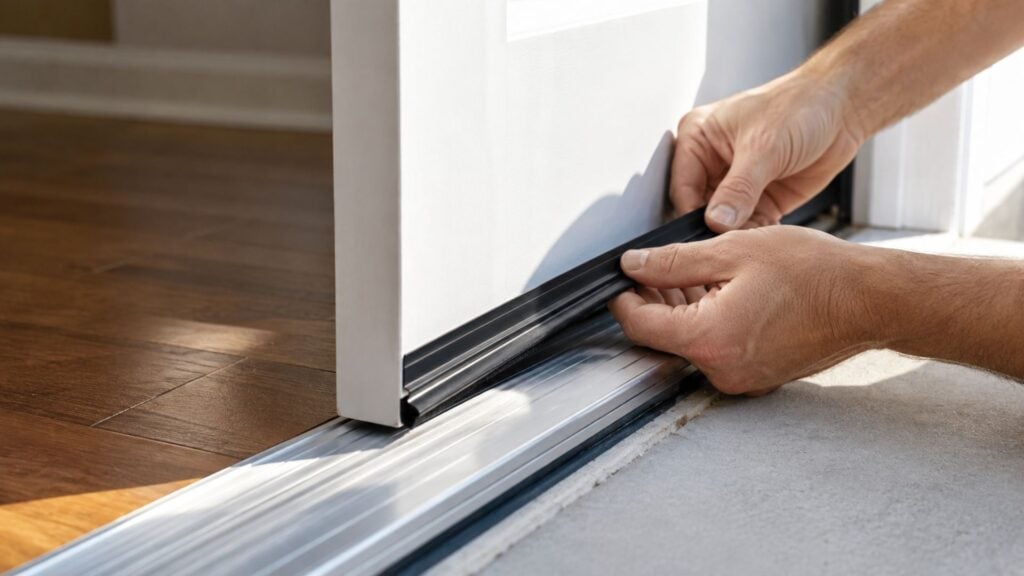
Gaps under exterior doors are one of the most common and easiest to fix entry points. A properly fitted door sweep closes that gap wholly, and fresh weather stripping around door and window frames handles the smaller cracks that develop as materials age and settle over time.
Seal Utility Pipe and Cable Openings
Every pipe, cable, and utility line entering your home creates a potential gap where the surrounding material has worn away or was never properly sealed to begin with. Pack these openings with steel wool, since mice cannot chew through the sharp metal fibers, then finish with caulk or expanding foam for a permanent seal.
Close Gaps Around Roof Vents and Chimneys
Rooflines and attic vents are frequently overlooked during a standard inspection, yet they’re a genuinely common entry route once damaged screening or aging vent covers create an opening. Check that all mesh covering roof vents remains intact and that chimney caps fit securely.
Cover Exterior Vents with Metal Mesh
Foundation vents, soffit vents, and gable vents all need fine metal mesh covering them if they don’t already have it. Standard plastic or fiberglass screening degrades over time and offers little resistance against a determined, gnawing mouse.
Trim Trees and Shrubs Near the House
Branches touching your roofline give mice, and squirrels, a direct aerial route onto your home that bypasses ground level defenses entirely. Keeping branches trimmed back at least a few feet from the structure closes off that pathway.
Remove Yard Debris

Wood piles, leaf litter, and general yard debris scattered near your foundation all support mouse activity by offering shelter close to your home’s exterior. Clearing this debris regularly, especially heading into fall, reduces the population pressure building up right outside your walls before it has a chance to move indoors.
Best Mouse Repellents to Kick Them Out of Your Home Before Winter
Beyond structural sealing, a solid winter mouse prevention plan often includes mice repellents and traps working together to handle both prevention and active removal.
Nihasker 24-Pack Rodent Repellent Tablets

Built around peppermint and lemon oil, these tablets offer a natural way to repel mice without relying on poison or traps as a first line of defense. Each tablet lasts between 30 and 90 days depending on conditions, and the manufacturer rates coverage at up to 80 square feet per placement.
Beyond mice, the formula also targets squirrels, rats, spiders, and other common pests, making it a versatile option for kitchens, garages, warehouses, and vehicles. Since the ingredients are plant based, they’re considered safe for use around pets and family members when placed according to instructions, which makes this a genuinely practical starting point for anyone wanting to repel mice from specific problem areas before committing to more aggressive measures.
Feeke Mousetrap Catcher, 6 Pack

For households already dealing with confirmed activity rather than just prevention, this six pack of enclosed mousetraps offers a sanitary, family and pet safe way to handle active mice. The enclosed design keeps the trapping mechanism contained, which matters a lot for anyone with curious pets or small children around the house.
OWLTRA OW-2 Indoor Electric Mouse Trap, 2 Pack

This electric option delivers a fast, humane kill through a pet safe trigger mechanism, which some households prefer over traditional snap traps or glue boards. It’s a genuinely strong choice for garages, basements, and utility rooms where you want a more contained, no mess solution.
Catchmaster Mouse Glue Trap, 36 Pack

Bulk glue traps like this set work well as a monitoring tool alongside active traps, helping you confirm exactly where mice are traveling before committing to a full sealing project in that specific area. Placed along baseboards and near suspected entry points, they give you real data on activity levels over just a few nights.
When Should You Call a Professional Pest Control Company?
If you’re hearing consistent scratching in your walls, finding droppings in multiple rooms, or your own sealing and trapping efforts haven’t slowed activity down, it’s genuinely time to call in professional help. Orkin’s licensed technicians can identify entry points you might have missed during a DIY inspection, confirm exactly what species you’re dealing with, mice, rats, or even wildlife like chipmunks, and apply a treatment plan suited specifically to your home’s construction and the severity of the infestation. For anyone whose mouse-proof your home efforts haven’t fully resolved the problem, a professional Orkin inspection is worth scheduling before winter fully sets in.
Frequently Asked Questions (FAQs)
Why do mice enter homes before winter?
As outdoor temperatures drop and natural food sources become scarce, mice instinctively seek shelter that offers warmth, consistent food access, and protection from predators. Homes provide all three, which is why activity consistently spikes heading into the colder months every single year.
What is the smallest hole a mouse can fit through?
Adult house mice can squeeze through openings as small as a quarter inch in diameter, roughly the size of a dime or a standard pencil. Juvenile mice, being smaller and more flexible, can manage gaps as tight as an eighth of an inch, which is part of why even seemingly minor cracks deserve serious attention.
What is the best material to block mouse entry?
Steel wool packed tightly into gaps works exceptionally well since mice cannot chew through the sharp metal fibers. For a permanent solution, combine steel wool with caulk, expanding foam, or cement based filler around the edges to create a barrier that holds up over time rather than one mice can eventually work loose.
Wrapping Up…
Getting ahead of a mouse problem before winter fully arrives makes a genuine difference, and our own experience with chewing sounds behind the walls confirmed just how quickly a small gap by a pipe can turn into an ongoing issue. A thorough exterior inspection, sealed entry points using steel wool and caulk, reduced clutter, and a combination of natural repellents and traps together cover most of what a typical home needs. Whether you’re working through this as a DIY weekend project or eventually bringing in a professional after activity persists, taking these steps now genuinely pays off once the temperature drops and mice start looking for somewhere warm to spend the winter.