
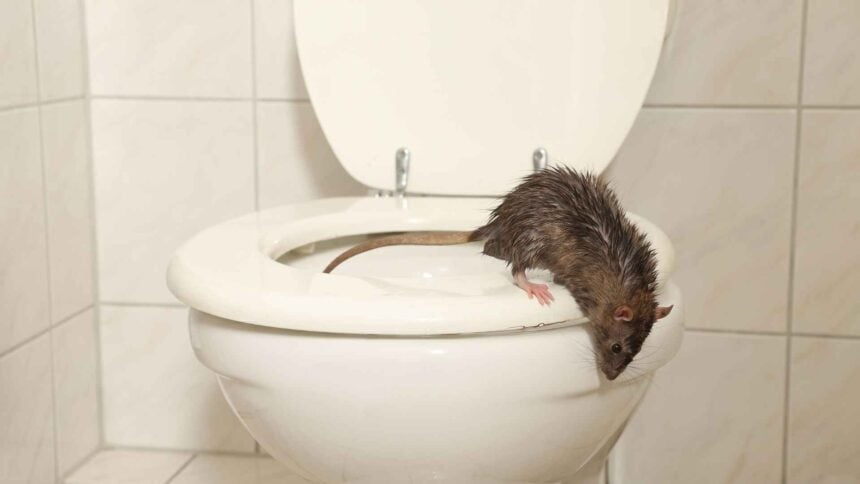
Nobody wants to lift a toilet lid and find something staring back. Stories about rats swimming up through plumbing sound like urban legend material, the kind of thing shared at parties for shock value, except this one happens to be true.
How often do rats come up toilets at night is a fair question, and the honest answer surprises most people, it’s genuinely rare, but not impossible. We’ll look at the real mechanics behind it, how a rat actually navigates a sewer line into a bathroom, and what to actually do if you’re the unlucky homeowner who finds one there.
Table of Contents
Key Takeaways
- Rats can come up through toilets because they have strong swimming abilities that allow them to move through sewer pipes and pass through a toilet trap.
- Damaged sewer lines, aging plumbing, flooding, and heavy rain can create conditions that make a toilet encounter more likely.
- When your plumbing is properly maintained, the pipes are in good condition, and there are no holes, damaged connections, or basement access points, a rat coming through the toilet is very rare.
- If you ever find a rat in your toilet, keep the lid down, close the bathroom door, avoid unnecessary contact, and seek professional help if the problem continues or a plumbing entry point may exist.
How Often Do Rats Come Up Toilets at Night?
Despite the horror stories, this is not a regular or expected event for most homes. One pest control company reported only two confirmed cases in over ten years of servicing rat calls, both in bathrooms located extremely close to a main sewer line.
Rats are creatures of habit. They establish trackways through familiar territory, in, out, to food, to nest, and a toilet simply isn’t the path of least resistance most of the time. Nighttime specifically tends to see more activity since rats are largely nocturnal, but a rat in toilet at night incident remains genuinely rare across the board.
Can Rats Really Swim Up Through a Toilet?
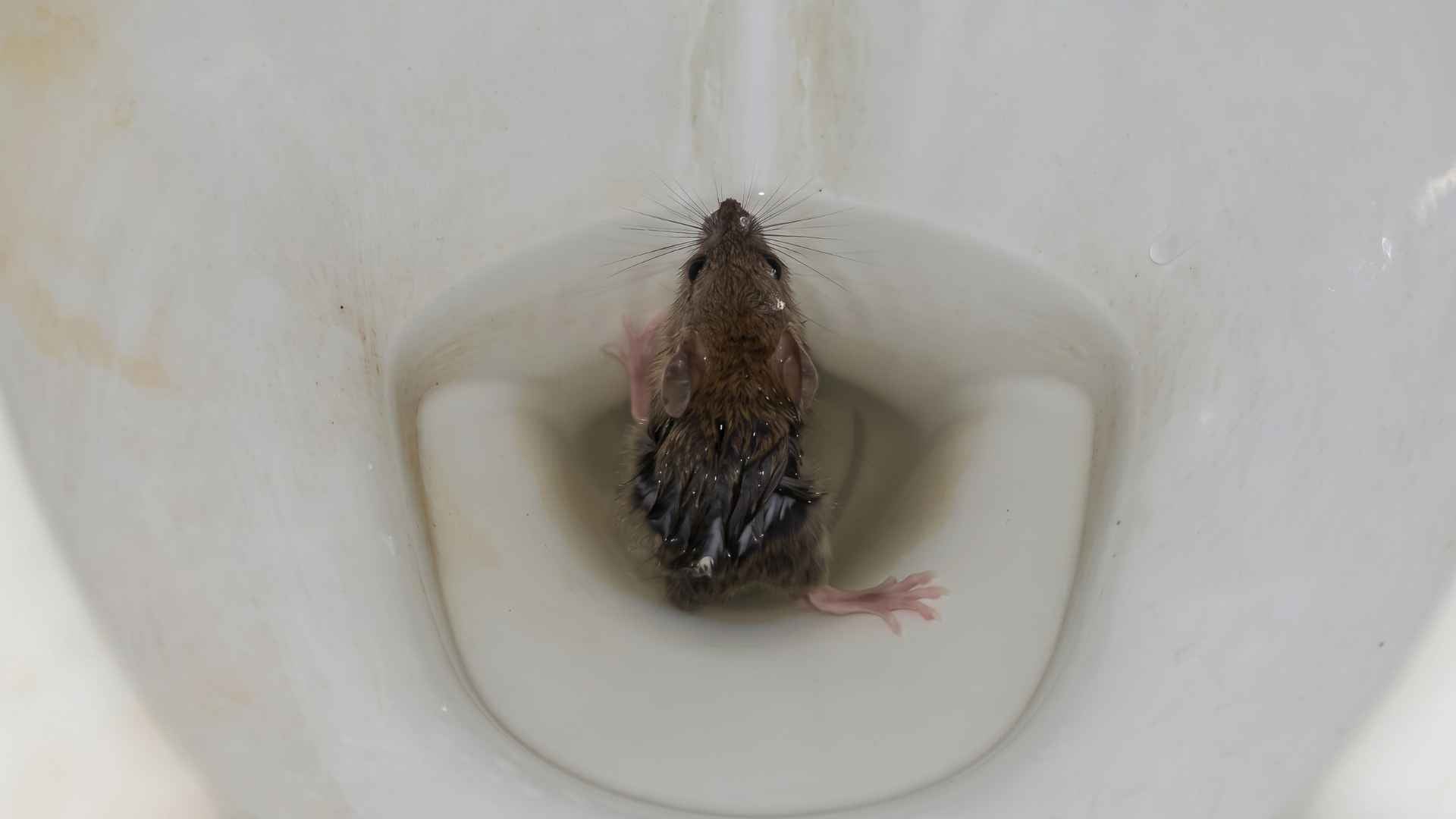
Sewer rats, especially the Norway rats, are genuinely good swimmers. They paddle along using their legs and steer with their tail like a boat rudder. They also possess serious physical endurance. These rodents can tread water for three or four days straight, and they easily hold their breath for up to three minutes at a time.
Long distances do not slow them down much either, since some can swim well over half a mile across open water. Rats regularly crawl and swim right through municipal sewer lines to travel back and forth between their food sources and nests.
The toilet trap itself, which is just that curved pipe section with a permanent pool of water, presents a very minor obstacle for a creature this well suited for the water. That swimming ability is the real secret behind those classic urban legends you always hear about pests popping up in porcelain bowls.
How Do Rats Get Into Toilets in the First Place?
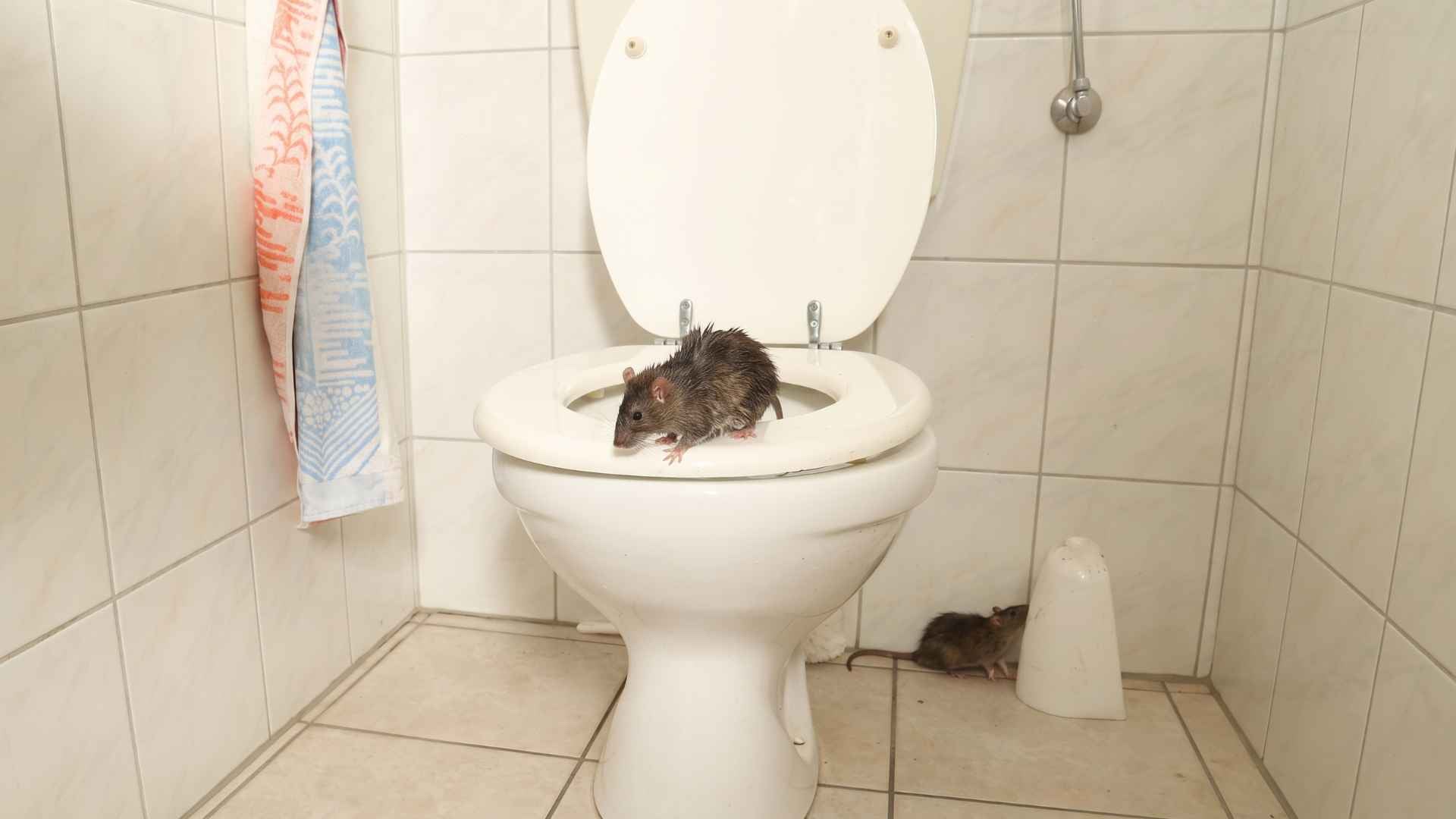
A genuine rats infestation nearby in the sewer system is usually the underlying condition that makes any of this possible in the first place. The actual rat plumbing pathway runs sewer, side sewer connection, household plumbing, toilet, and it depends heavily on the condition of everything along the way.
Damaged Sewer Lines
Cracked or broken sewer pipes create a genuine rat entry point straight from underground tunnels into the plumbing network feeding a house. Tree roots invading old lines create similar breaches.
Old Plumbing Infrastructure
Older homes with aging pipes, particularly ones without a properly functioning check valve or rat flap, offer considerably less resistance. A metal gate style valve that allows outward flow but closes under any back pressure genuinely blocks rat passage when it’s selected properly and installed correctly, but plenty of older systems simply never had one installed.
Flooding and Heavy Rain
Heavy storms can flood sewer systems and force rats up and out of their normal underground territory, sometimes pushing them into side connections and eventually into a home’s plumbing. Properties backing up to wooded areas or open land see this more often, since rats living outdoors seek warmth and shelter once temperatures drop, and a drain pipe leading toward a warm house looks appealing come winter.

Get practical help identifying pests, preventing infestations, and protecting your home throughout the year.
View the Pest Control eBookWhy Would a Rat Come Up Through a Toilet?
Figuring out why rats come up toilets usually comes down to one of three scenarios. Whatever the specific trigger, rats come through toilet connections only when circumstances align just right.
- Searching for Food: Hunger drives most rat movement. If food becomes scarce in their usual territory, rats explore new routes, and a house connected to the same sewer system is an obvious target.
- Looking for a Safer Route: Rats are naturally curious and constantly seeking safer, more direct paths between food and shelter. A toilet connection sometimes just happens to be part of that route.
- Disturbed Sewer Conditions: Construction work, sewer line repairs, or heavy rat activity crowding a section of pipe can push individual rats toward unfamiliar paths, occasionally sending one up through a connected toilet.
What To Do If You Have a Rat in Your Toilet?
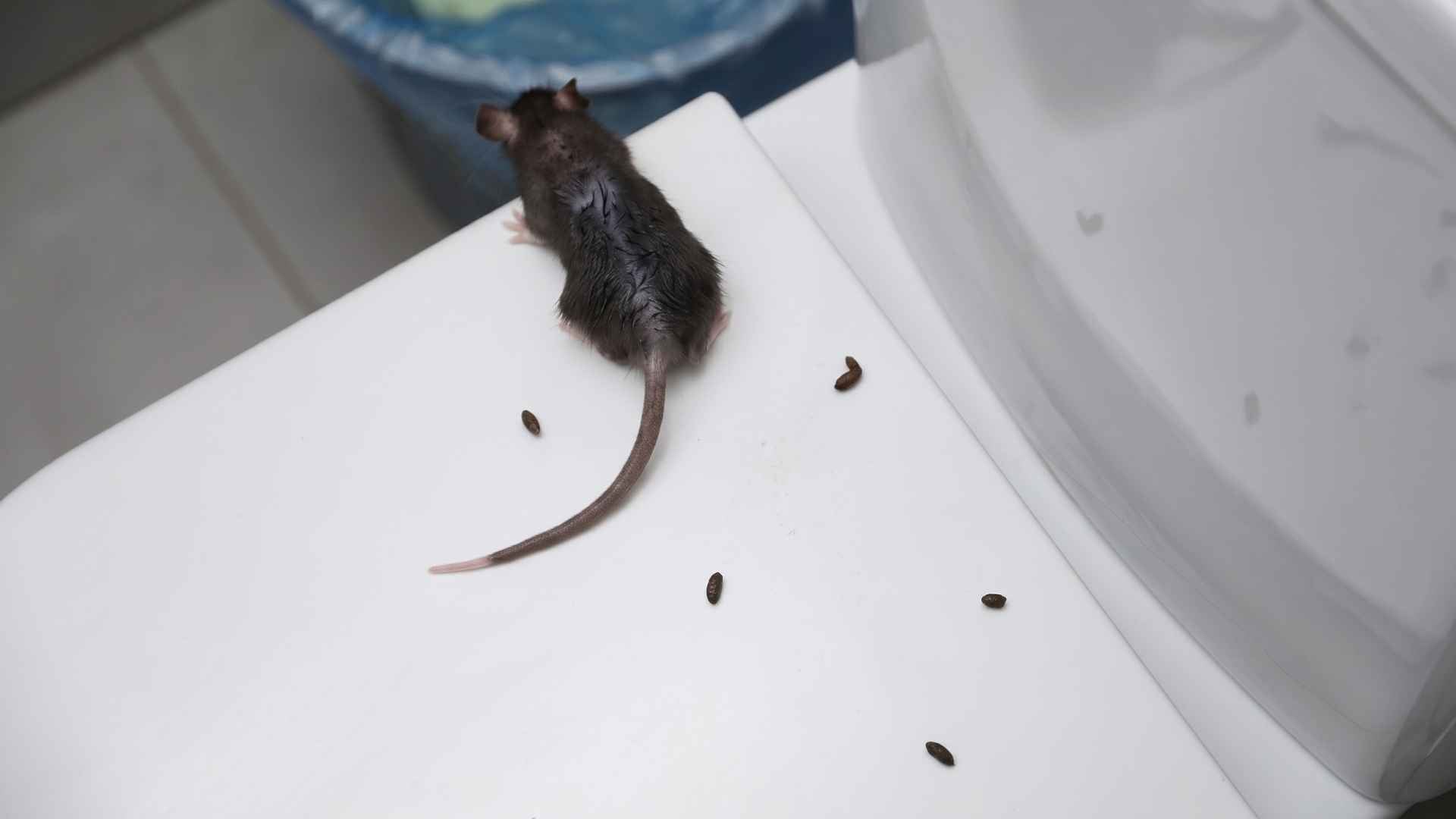
Dealing with bathroom pests like this calls for a calm, practical response, and these steps genuinely help prevent rats in toilet situations from escalating.
- Keep the Toilet Lid Down: This sounds obvious, but a closed lid physically blocks a rat from climbing out into the bathroom and buys you time to handle the situation properly.
- Keep the Bathroom Door Closed and Set a Rat Trap:Containing the rat to one room matters, and a nearby trap ensures you stand ready the moment you need to act.
- Squirt Some Liquid Dish Soap in the Toilet: We’ve seen people on Reddit and Quora talk about this as a practical trick that may help break the surface tension of the water. The soap can also reduce the oils on a rat’s fur, which may make it harder for the rat to stay afloat. It’s not a guaranteed solution, but some homeowners have found it helpful in this situation.
- Flush the Toilet: With the surface tension gone, a strong flush has a much better chance to work, though. Flushing alone ain’t a reliable fix on its own long term, since the same entry point remains open.

Contact the Appropriate Professional
For anything beyond a single, immediate incident, calling in help stands out as the ultimate way to clear them out of your home. Orkin holds real experience with professional rodent control. They track entry points back through household plumbing and main sewer connections, pin down the exact location of a breach, and look past the lone pest you spotted. Their technicians know how to get rid of rats at the source, not just the one swimming in your bowl that day.
How to keep rats out of sewer pipes
Rat prevention here really comes down to one device. Installing a check valve or rat flap at the point where your home’s plumbing connects to the main sewer line is the most reliable fix available.
These devices allow wastewater to flow outward normally but close under any back pressure, physically blocking a rat’s path. You should periodically inspect the valve to make sure it’s clean, the flap is in good shape, and any seal is intact.
That’s because rats will easily gnaw through a damaged or poorly maintained one, and a properly maintained valve is really the most effective way to get rid of rats before they ever reach your bathroom.
Frequently Asked Questions (FAQs)
What stops rats from coming up the toilet?
The toilet’s built in trap, the curved section holding standing water, acts as a natural first barrier, though a strong swimmer can push through it under the right conditions. A properly installed check valve further down the line offers a much more reliable layer of protection, since it physically blocks passage rather than just slowing a rat down.
Can a rat survive being flushed down a toilet?
Rats are strong enough swimmers to survive a standard flush from a rats in toilet bowl situation and simply swim back against the current or retreat further down the pipe. This is exactly why breaking surface tension with soap first improves the odds considerably.
Wrapping Up…
It might burst your bubble to learn rats genuinely can, and occasionally do, emerge from toilets, but the more you know, the less mysterious and frightening the situation becomes. Norway rats are strong enough swimmers to navigate sewer lines and push through a toilet trap under the right conditions, usually tied to damaged pipes, hungry rats searching for food, or displaced populations after heavy rain. A working check valve is really the backbone of any real toilet rat prevention plan, alongside regular plumbing maintenance and quick action if it ever happens. Most homeowners will never deal with this directly, but knowing the actual facts beats being caught completely off guard.