
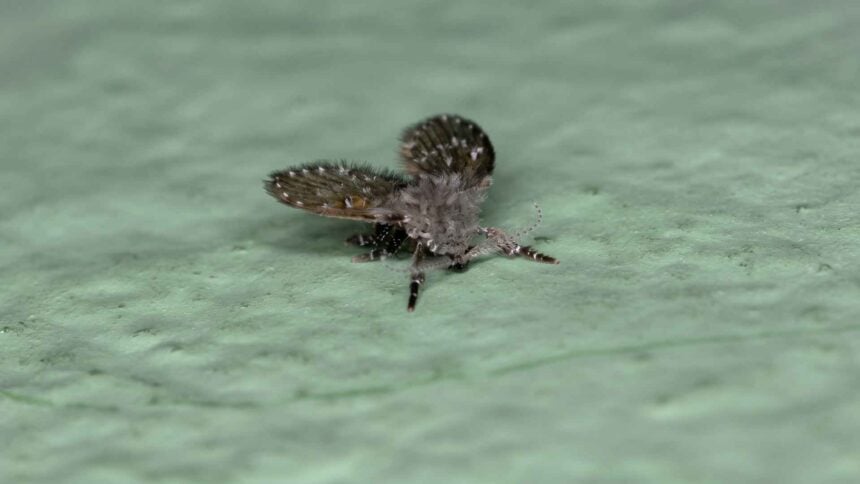
Drain flies tend to give away their source more clearly than many other household pests. If a cluster of tiny, fuzzy flies keeps showing up around one sink, shower, or floor drain, the breeding site is often sitting just below the opening. Drain flies breed in the damp organic buildup that collects inside drains. Turns out, wiping down the sink or cleaning the counter will not get very far.
Getting rid of drain flies therefore starts with the drain itself. Once the buildup is cleaned out, the rest of the treatment becomes much easier to manage. We walk you through eleven ways to get rid of a drain fly infestation, from clearing the breeding material inside the pipe to keeping nearby drains clean enough that the problem does not simply move from one spot to another.
Table of Contents
Key Takeaways
- Drain flies breed in the moist organic film that builds up inside drains, pipes, traps, and similar wet areas.
- A female drain fly can lay 30 to 100 eggs in one egg mass, and the eggs may hatch in less than 48 hours.
- The most effective way to get rid of drain flies is to physically scrub away the organic film where the larvae live and feed.
- Bleach, boiling water, and ordinary chemical drain cleaners are not reliable standalone treatments because they may leave the larval habitat intact.
- Drain flies can complete a generation in roughly one to three weeks, so continued cleaning and monitoring may be needed after the first treatment.
- If a drain fly infestation continues after cleaning one drain, inspect other drains, traps, condensate lines, leaks, and hidden plumbing for another breeding source.
What Are Drain Flies?
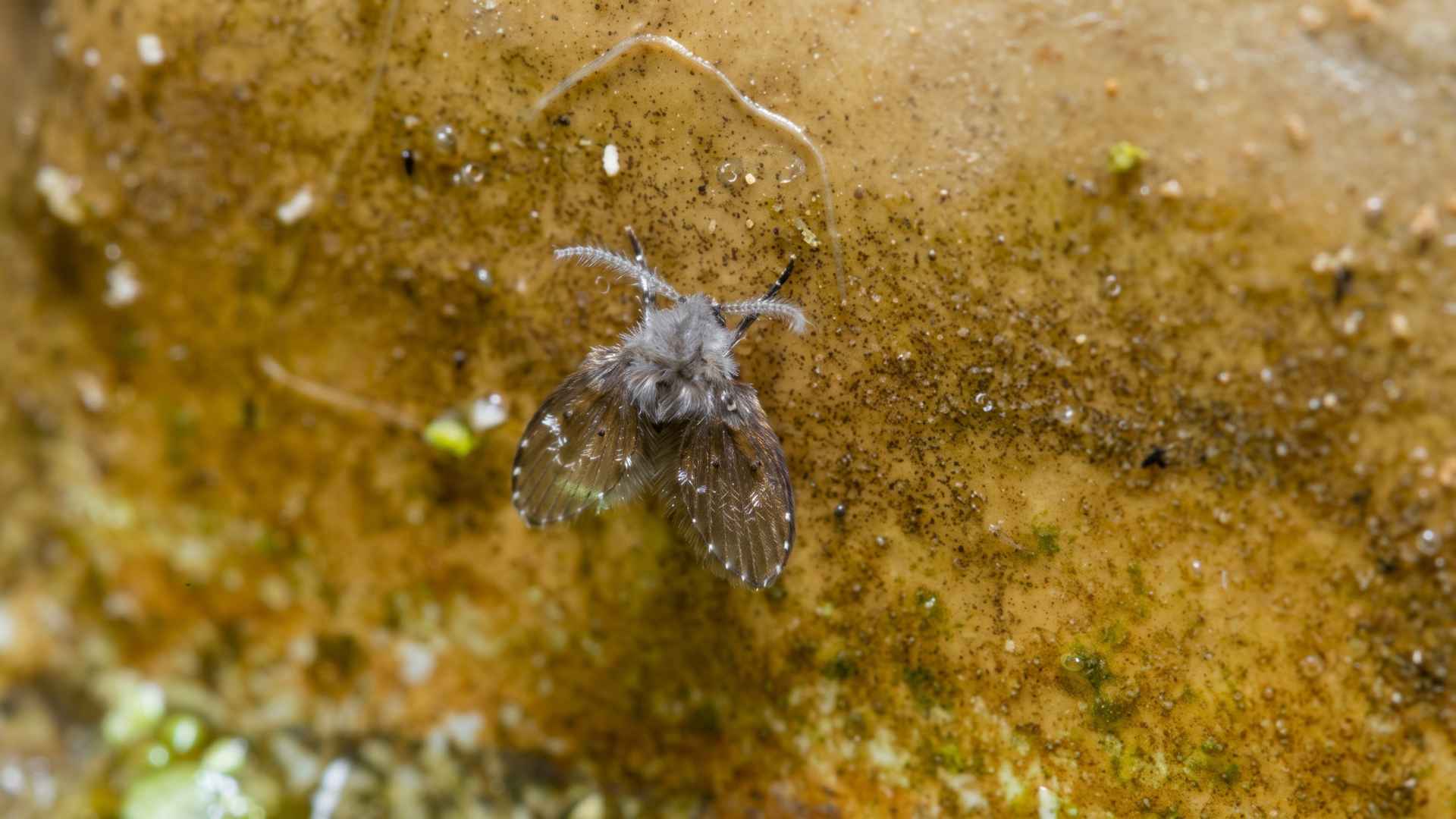
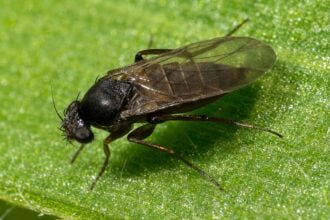
Drain flies, sometimes called moth flies, sewer flies, or filter flies, are small winged insects with a fuzzy appearance. They are members of the Psychodidae family and tend to stay close to moist areas where decaying organic material is available. That’s how you most likely find them near sinks, showers, septic systems, and sewer lines.
When drain flies appear indoors, there is usually a breeding source nearby. It may be a drain that has developed a layer of organic buildup, a plumbing leak that keeps an area damp, or, in less common cases, sewage affected soil around the home.
Their presence is not necessarily a reflection of poor housekeeping. Even a spotless looking bathroom sink can hide enough residue inside the pipe to support drain fly larvae. The visible flies are only the part of the problem you happen to notice.
Do Drain Flies Bite?
Drain flies do not bite. Any discomfort tied to a heavy infestation comes from their presence, the smell of what they’re breeding in, or the sheer number of them hovering near a sink, and not from any physical bite. That said, having them around in large numbers is still an uncomfortable living situation. Most importantly, if you do not take the right actions at the right time they can quickly become a big problem.
How Do Drain Flies Look Like?
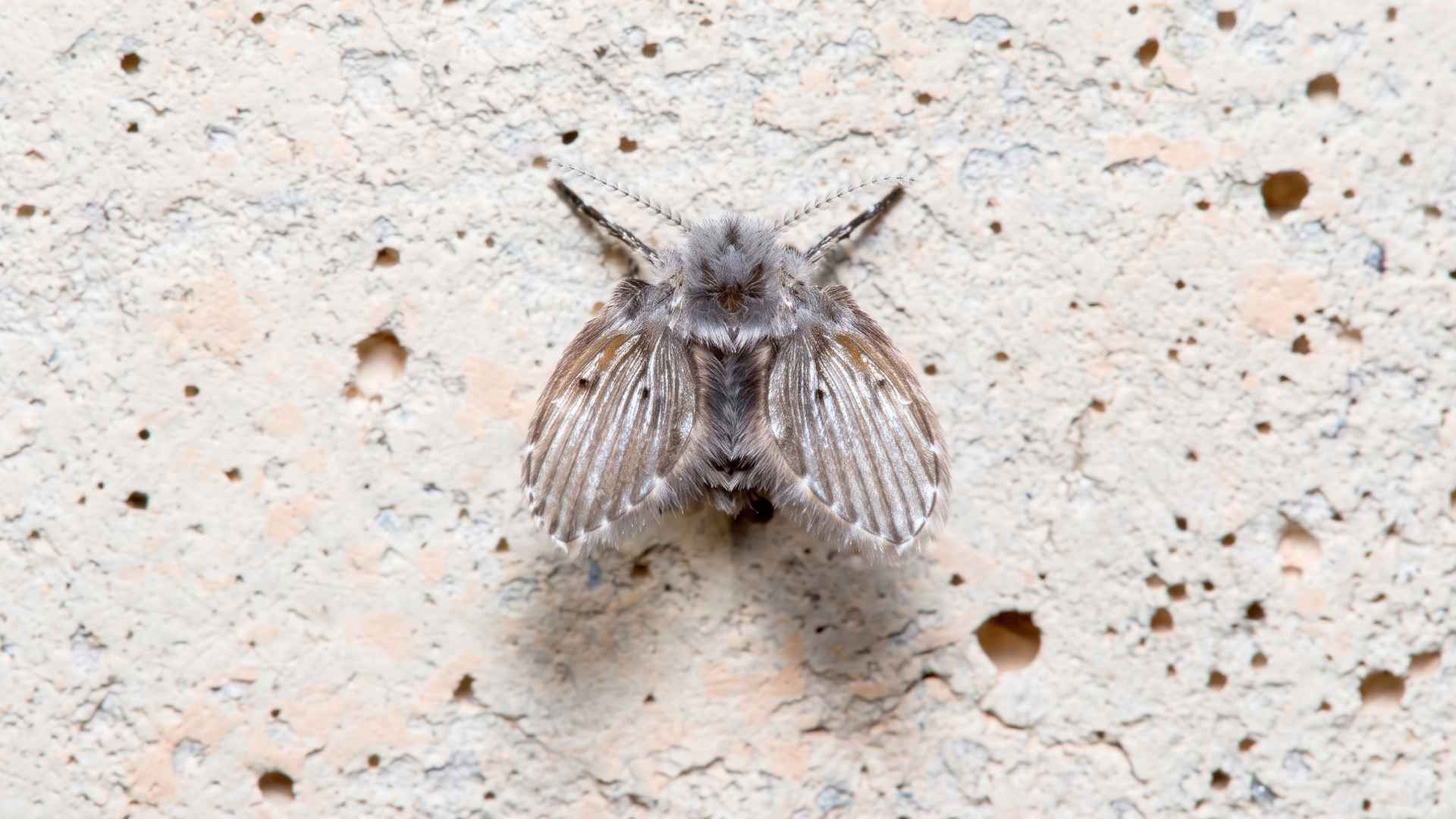
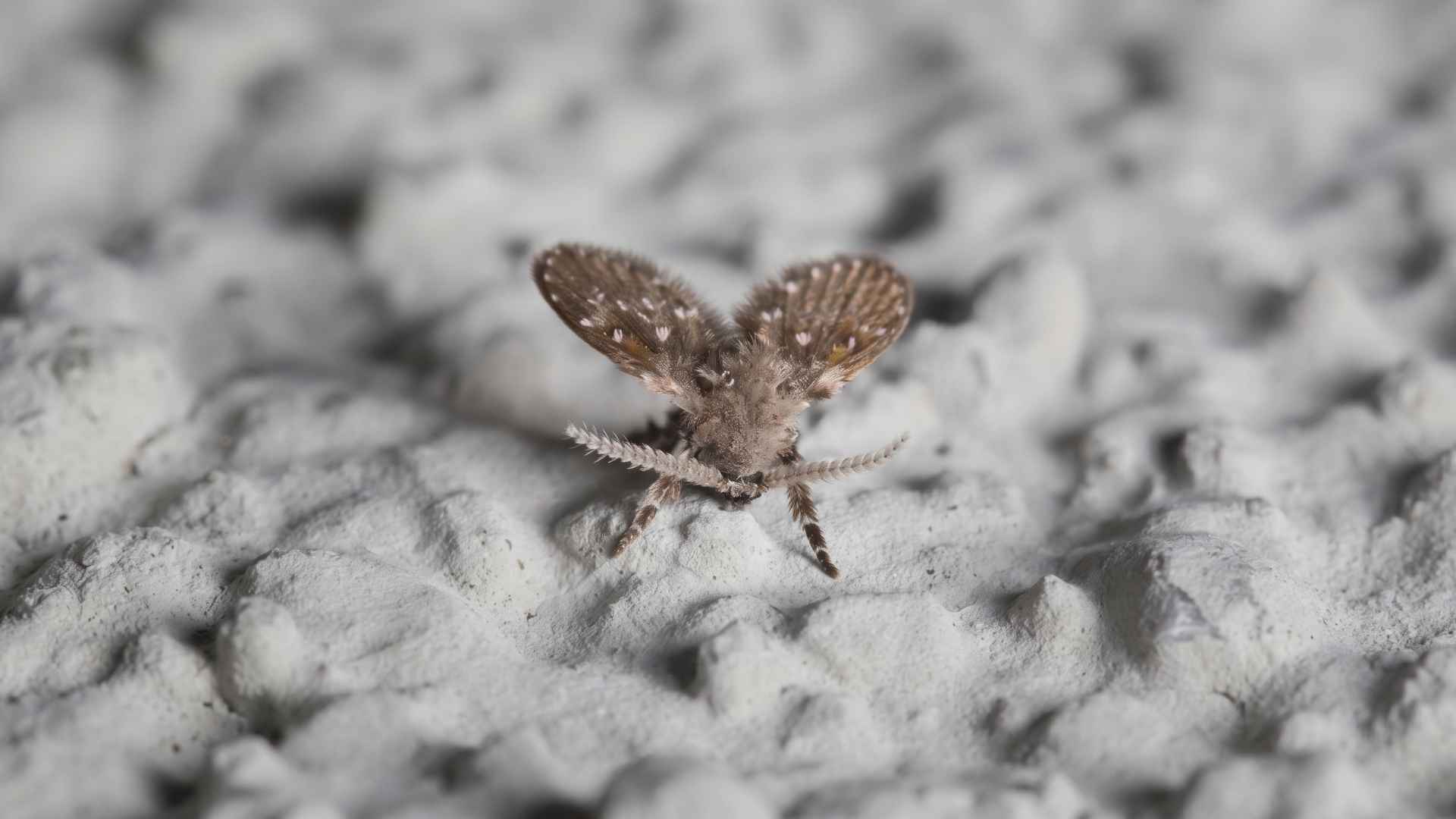
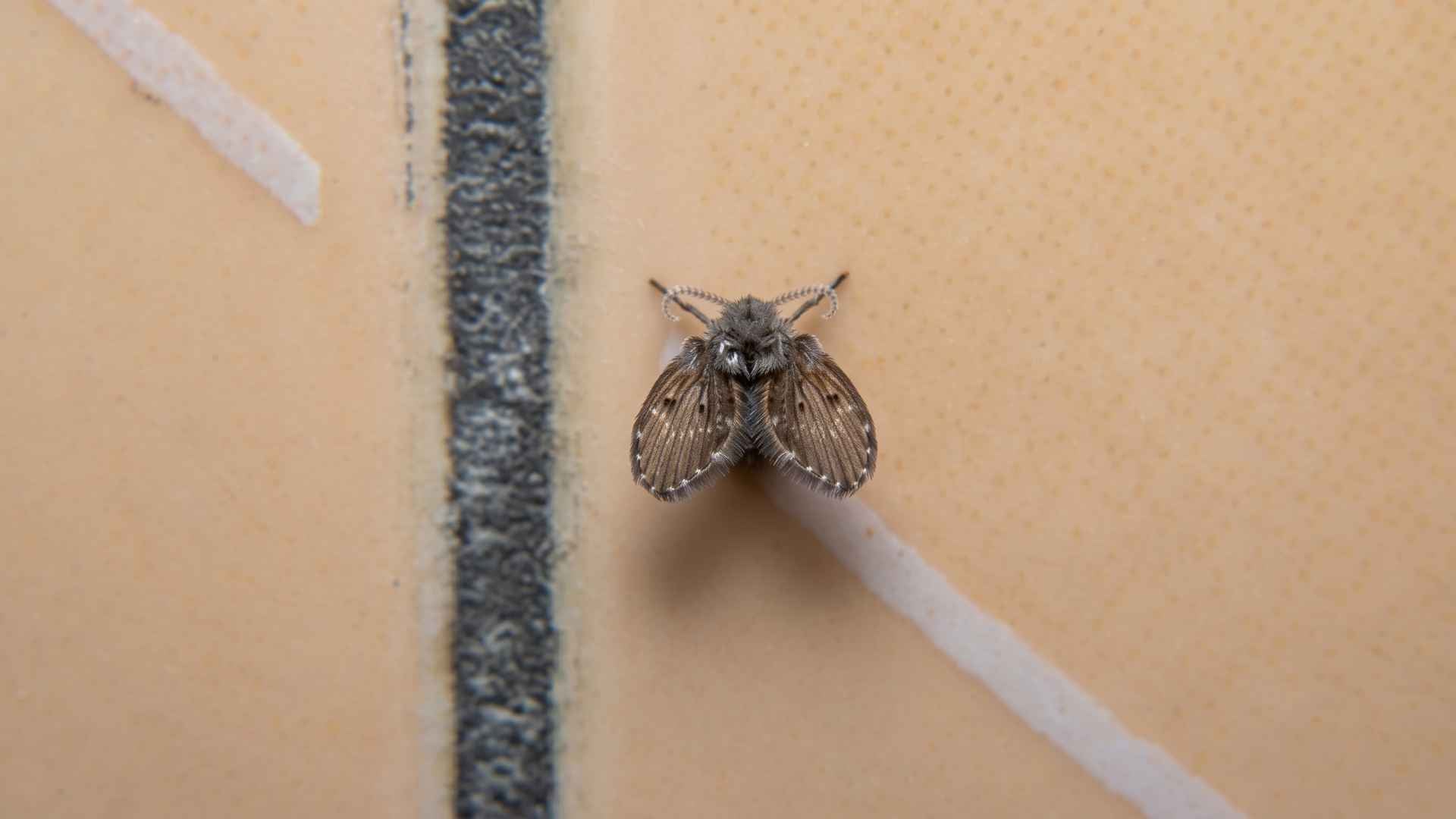
Adult drain flies are tiny, usually around 1/8 inch long, with dark gray or brownish bodies and a fuzzy appearance that gives them somewhat of a miniature moth look. The body and wings of the drain flies are covered in very fine hairs. This gives them a soft and slightly dusty appearance.
When they are resting, the wings sit over the body in a roof-like shape. That is one of the easiest features to notice when you are trying to tell them apart from other small flies. They are also weak fliers and usually travel only short distances.
Instead of darting across the room, they tend to make short, clumsy flights or little hops and stay close to the drain or damp area where they were born.
Signs Of Drain Flies Infestation
- Small, fuzzy flies near sinks or showers: Drain flies often rest on bathroom walls, tiles, or nearby surfaces for long periods instead of flying constantly.
- Flies concentrated around one drain: Repeated sightings near the same sink, shower, tub, or floor drain can point to the active breeding site.
- Flies emerging from the drain: Place a strip of clear tape sticky side down over part of the drain opening overnight. Check it in the morning for trapped flies.
- Activity lasting several days: A continuing presence is more consistent with an established drain fly infestation than a single stray fly that entered from outside.
- More flies appearing after cleaning the room: If the room is clean but flies keep returning, the breeding source may still be inside the drain or plumbing.
Drain Flies vs Fruit Flies
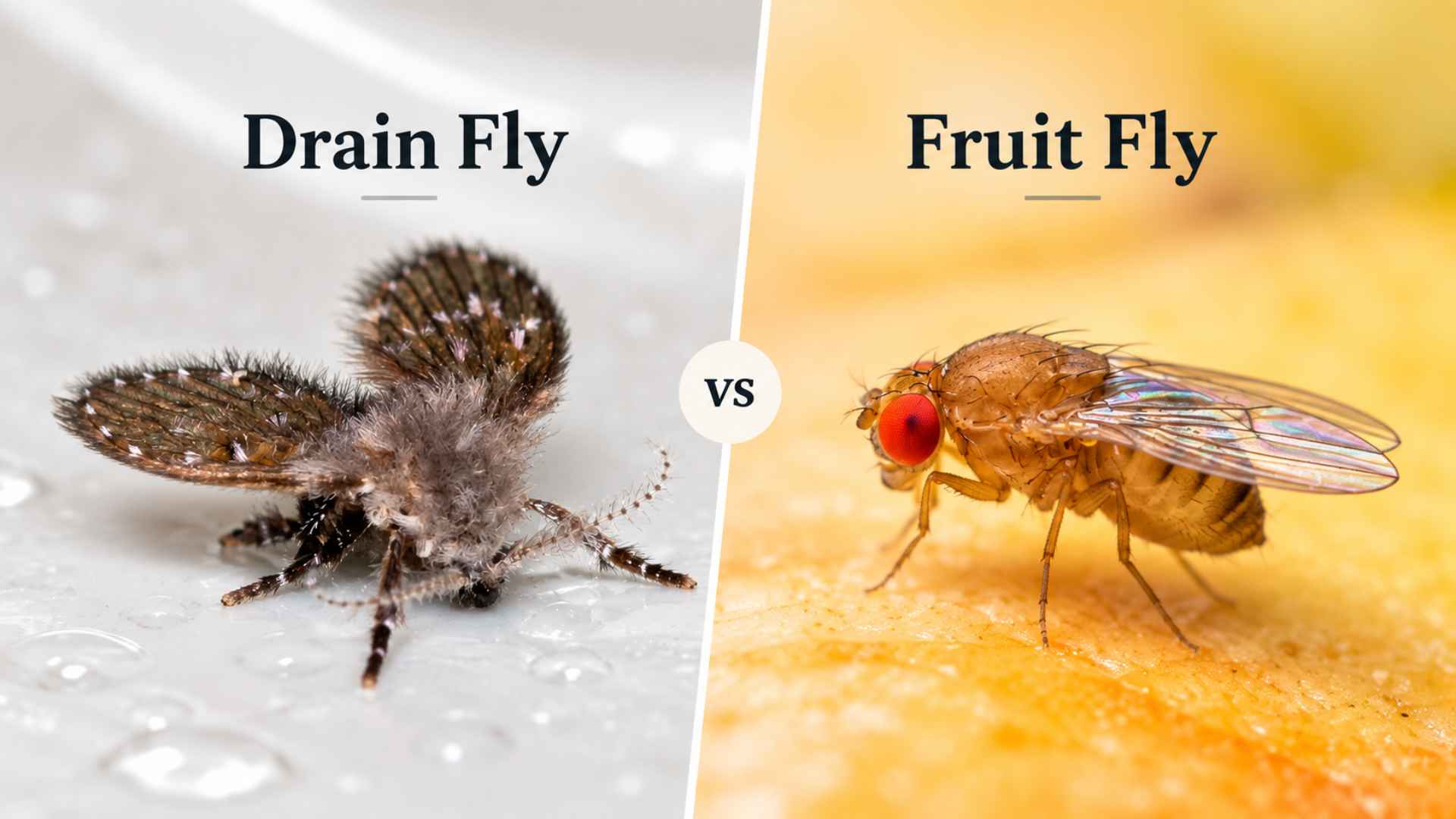
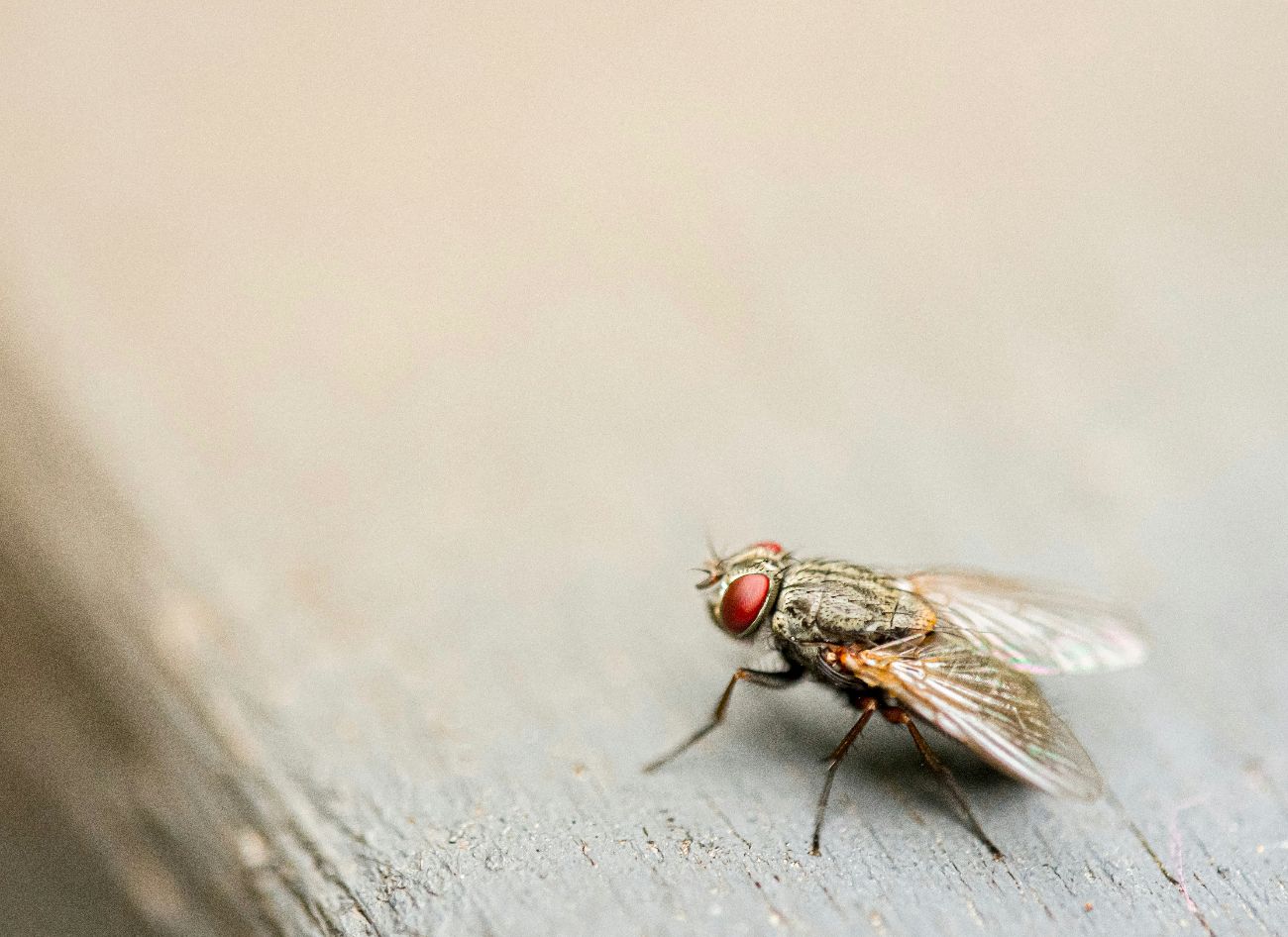
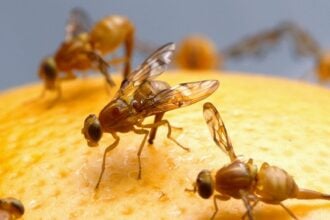
These two often get mixed up constantly, and treating one like another rarely solves anything, since each breeds somewhere completely different.
- Drain flies, sometimes just called sink flies since that’s usually where people spot them, have dark, fuzzy, moth like bodies with hair covered wings held roof like at rest. They breed specifically in the organic slime inside drains and are weak, short distance fliers that tend to sit still for long stretches.
- Fruit flies have small, tan or light colored bodies with noticeable red eyes and a smoother, less fuzzy appearance overall. They breed in overripe produce, sugary spills, or fermenting liquid, not in drains, and they fly more actively around a kitchen.
- The two are easy to confuse from a distance, but an up close look at the wings settles it fast. Fuzzy and moth like means drain fly, smooth and red eyed means fruit fly, and they also differ in terms of breeding sites, since a fruit fly problem needs cleaning up food sources, although a drain fly problem needs the pipes themselves treated.
11 Best Ways to Get Rid of Drain Flies
Getting rid of drain flies starts with the breeding material inside the pipe. They lay their eggs in the slimy organic film that sticks to the drain walls, not in the water moving through them. That is why simply pouring something down the sink often falls short. The methods below focus on removing that buildup first, then dealing with the remaining flies and preventing them from coming back.
1. Scrub the Organic Film Out of the Drain
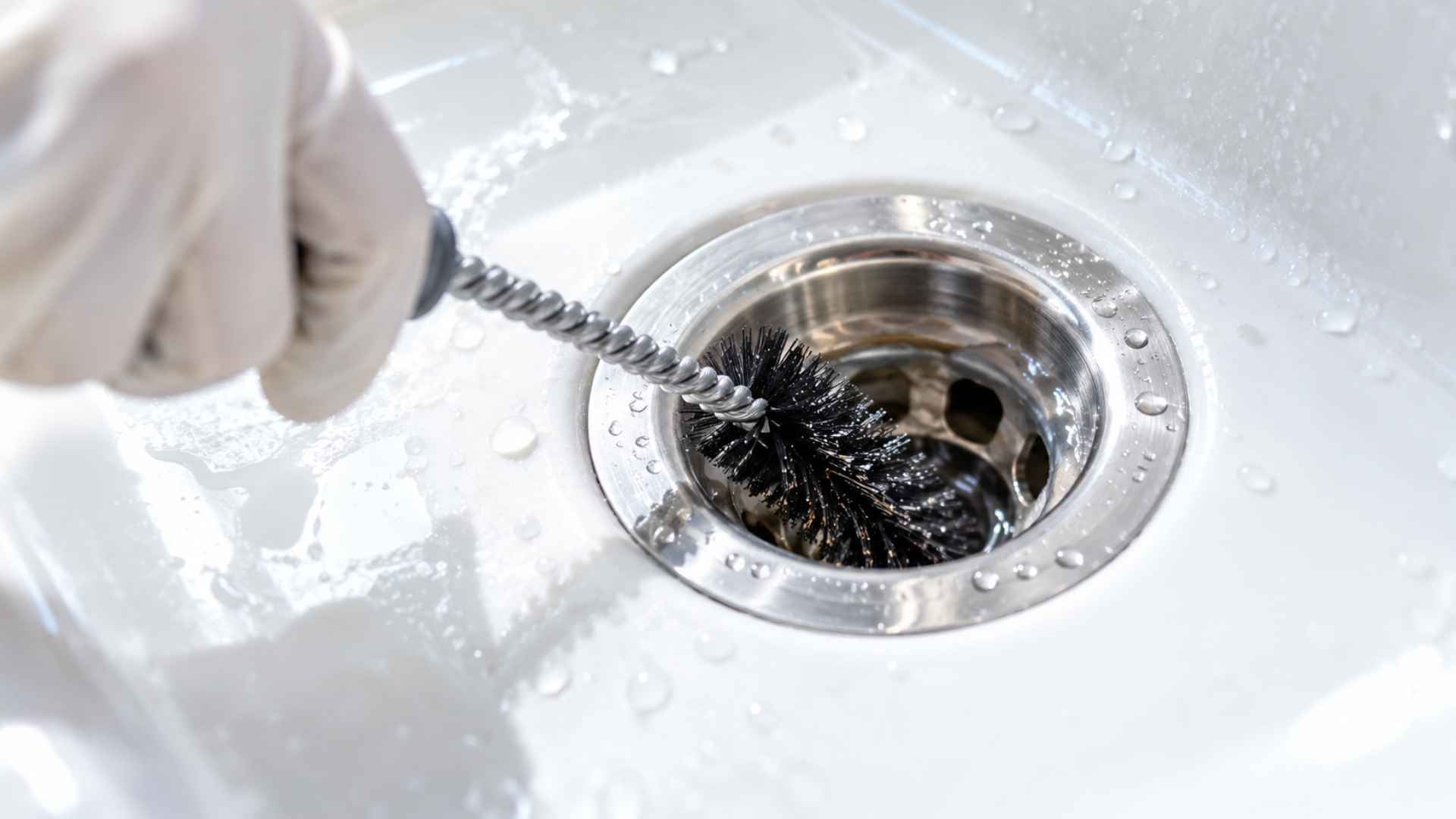
Pouring a cleaner down a drain without physically disturbing the film first rarely does much, since drain fly larvae and pupae live inside that gelatinous layer.
A stiff pipe brush or a drain snake worked into the drain opening and a few inches down breaks up that buildup directly. It’s worth following up by scrubbing around the sink, tub, or shower drain cover as well, since organic debris tends to collect in small cracks and crevices around the edges too.
It helps to remove the breeding ground for drain flies and not just to eliminate adult flies that are flying around in the bathroom. It is important to clean the drain well with a brush and to use some effort trying to reach deep inside the drain.
2. Use Baking Soda and Vinegar as a Follow Up Cleaner
After you have scrubbed the inside of the drain, baking soda and vinegar can help loosen and wash away some of the residue left behind. Pour the mixture into the drain, let it sit for about 15 to 30 minutes, then flush the pipe thoroughly with hot water.
The key is treating this as a follow up step. Baking soda and vinegar alone do not provide enough physical force to remove a heavy layer of organic film that has been sitting inside the pipe for weeks or months. Scrubbing handles the stubborn buildup. The mixture of baking soda and vinegar can help loosen smaller residues and carry debris farther down the drain.
3. Apply an Enzyme or Biological Drain Cleaner
If you want a drain fly cleaner that goes after the organic buildup itself, an enzyme or biological drain treatment is a useful next step after scrubbing. These products are designed to break down the film lining the pipe. It is exactly the same material drain fly larvae feed on while they develop.

Apply the cleaner according to the label and give it enough time to work. It reaches residue the brush may have missed and goes farther down the drain. Enzyme based cleaners are also generally better suited to routine maintenance than harsh drain chemicals, especially when used as directed and help you get rid of drain flies.
4. Sprinkle Diatomaceous Earth in Dry Resting Areas
Diatomaceous earth is useful in a completely different part of the problem. Instead of going into the drain, it belongs on dry surfaces where adult flies tend to rest or crawl. A very light dusting around the base of a sink, along nearby baseboards, or in other dry spots where adults gather can help kill drain flies that come into contact with it.

The powder works by damaging the insect’s protective outer layer and causing it to lose moisture. It will not remove the organic film inside the pipe, so it should be treated as an extra step, not the main solution. Use only a thin layer and keep it dry, because moisture makes it much less effective. You will also need to reapply it after wiping, vacuuming, or mopping the area.
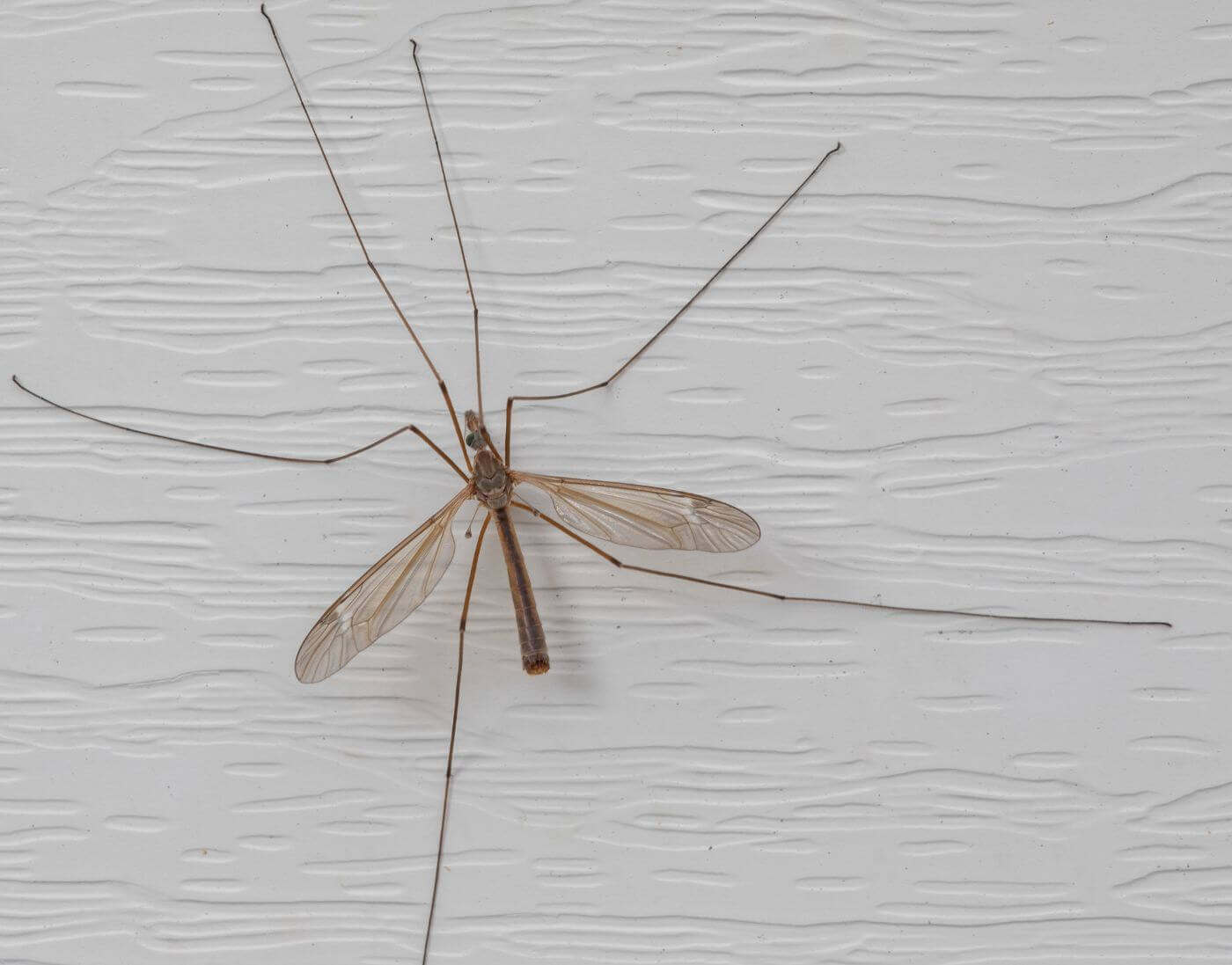
Another Good Read: How To Get Rid Of Crane Flies
5. Make an Apple Cider Vinegar Trap
It’s also possible to create a passive trap with some apple cider vinegar and a few drops of dish soap. The vinegar and aroma will attract any adult drain flies hovering nearby, while the soap prevents escape after landing by disrupting the water surface. The making of this trap literally costs you nothing and takes minimal effort.
Just pour out a bit of vinegar into a bowl or jar and place it close to the problem drain overnight. Check back in the morning, and you may begin to see signs of success as adult drain fly numbers dwindle alongside the work being done deep in the pipes.
6. Clean Every Nearby Drain
Drain flies rarely stick to just one spot once conditions are right for breeding. If you’re going to keep your drains clear of organic matter and debris, you need to get into some good habits early on.

Try not to put food scraps, grease, hair, or paper products down any of the drains in your house. When it comes time to clean your kitchen sink or bathtub, use hot tap water to dislodge any buildup, followed by white vinegar or another commercial cleaner to help.
7. Use Sticky Traps to Monitor Adult Drain Flies
Yellow sticky traps will not solve a drain fly infestation by themselves, but they can tell you whether the rest of your treatment is working. If the number of flies on the trap keeps dropping over several days, that is a good sign the breeding source is being reduced. If the count barely changes, there may still be buildup or another drain you have not checked yet.

Keep the trap close to the drain itself. Drain flies are weak fliers and tend to stay near the area where they emerged, so a trap several feet away may miss much of the activity. Used this way, sticky traps give you a simple way to see whether the infestation is actually shrinking while the drain cleaning does the real work.
8. Use an Indoor Flying Insect Spray for Adults
If you want to knock down the adults you can actually see, an indoor flying insect spray can help kill drain flies quickly. Choose one labeled for indoor use and follow the directions carefully, especially around kitchens, bathrooms, pets, and food preparation areas.

The important thing to remember is that spray only deals with exposed adults. Eggs and larvae can still be developing inside the drain. Turns out, this is not enough to get rid of drain flies for good. It works better as a short term cleanup step while you continue treating the breeding source.
9. Use an IGR for Persistent Drain Fly Development
An insect growth regulator, or IGR, works differently from a spray that kills adults on contact. Instead, it interferes with the insect’s development and helps keep larvae from reaching the adult stage. That makes it useful when drain flies keep returning even after you have cleaned the pipe and used an enzyme treatment.

For a stubborn problem, choose an IGR product that is specifically labeled for use in drains and apply it exactly as directed. This lets the treatment reach the drain fly breeding grounds where larvae are developing
Do not expect an instant result. IGRs work over time, so the population usually drops gradually. When scrubbing and routine drain cleaning are not enough, they can be a useful additional step to get rid of drain flies.
10. Try Boiling Water
Boiling water poured directly down a drain helps clear out buildup and can be a decent quick step between more thorough drain cleaning sessions. Solely, it ain’t gonna help you get rid of drain flies. Those pests lay eggs deep inside thick plumbing slime, and a quick splash of hot liquid cools down far too fast to destroy their breeding grounds.
Pro Tip: Only pour boiling water down a drain if you have metal pipes, since the heat can damage or warp PVC pipes over time. If your home uses PVC, choose an alternate drain cleaning method from this list instead.
When it is appropriate for your plumbing, boiling water works best as a follow up after physical scrubbing. It flushes loosened debris through the pipe without doing much to break down a thick, established film on its own.
11. Fix Leaks and Persistent Moisture
Drain flies do not always stay confined to the drain itself. Any spot that remains damp and collects organic material can become another breeding area, including the space under a sink, around plumbing, near a washing machine, or in a basement that never fully dries out.
A slow leak is easy to miss, but even a small amount of persistent moisture can keep a drain fly population going after the obvious drains have already been cleaned.
Moth drain flies in house environments often lead back to exactly this kind of hidden moisture. Repair the leak, dry the area thoroughly, and keep an eye on laundry rooms and basements where standing water can collect without being noticed right away.
How Long Does It Take to Get Rid of Drain Flies?
Most infestations clear up within two to three weeks of consistent cleaning, which lines up with how long their life cycle takes to run its course once new eggs stop being laid.
Eggs already present when you start still need to hatch and develop before the population fully disappears. Turns out, seeing a few adults during the first week or two doesn’t mean the drain fly treatment isn’t working. It usually just means the existing generation is finishing its cycle.
To get rid of drain flies completely, keep cleaning the affected drain every few days until activity stops. Even a small amount of organic film left inside the pipe can give another round of eggs somewhere to develop
Are Drain Flies a Health Hazard?
Directly, the risk is low. Drain flies don’t bite and aren’t classified as disease vectors the way mosquitoes are. Casual contact isn’t a real concern for most households. That said, they do breed in organic buildup that can harbor bacteria, and landing on food prep surfaces or utensils creates at least some potential for bacterial transfer, though. The actual risk in a typical home stays fairly minor.
The bigger concern shows up with larger drain fly infestations, since decomposing fly bodies break into microscopic fragments that become airborne and can aggravate allergies or asthma symptoms for sensitive individuals.
When to Call a Pest Control Professional
If scrubbing, enzyme cleaners, and an IGR haven’t made a real dent after several weeks in getting rid of drain flies, the breeding site might be somewhere you can’t reach on your own. It could be deep in a pipe run, under a slab, or in a section of plumbing that needs actual disassembly to access.
Orkin’s pest control technicians bring access to professional grade IGRs and treatment methods that go beyond what’s available over the counter. For a drain fly infestation that’s spread across multiple rooms (kitchen, bathroom, basement, etc) or kept returning despite consistent effort, you should bring in professional help.
Frequently Asked Questions (FAQs)
What is the fastest way to get rid of drain flies?
The fastest way to get rid of drain flies is to scrub the inside of the affected drain and remove the organic film where the larvae feed and develop.
Will bleach kill drain flies?
Bleach can kill some drain flies and larvae on contact, though. It doesn’t break down the organic film the way an enzyme cleaner does. Turns out, it’s a weaker long term option despite the initial knockdown.
How do I know which drain has drain flies?
Place clear tape over each suspect drain overnight and check for flies caught underneath by morning. This isolates the exact source.
Can drain flies come from a sewer?
Drain flies breed readily in sewage systems and septic tanks, and a compromised seal or a dry trap connecting to a sewer line can let them travel from there directly into a home.
Why do drain flies keep coming back after I clean the sink?
Cleaning the sink surface usually does not reach the organic film deeper inside the drain. If even a thin layer remains, larvae can keep developing there. Scrubbing the pipe walls or using an enzyme cleaner helps remove the buildup that keeps the cycle going.
Will Dawn dish soap kill drain flies?
It helps in a vinegar trap by breaking surface tension and therefore trapped drain flies can’t escape, but soap alone poured down a drain doesn’t do much to remove the organic film larvae actually live in.
Why am I suddenly getting drain flies?
A drain that’s gone unused for a while, a new leak, or a recent plumbing change can all create fresh breeding conditions seemingly out of nowhere, even in a home that’s never had a problem before.
Wrapping Up…
Every method above works better in combination than alone in killing drain flies and putting an end to an infestation. Scrubbing removes the physical breeding site, enzyme cleaners reach what a brush can’t, and traps or sprays handle the adults already flying around while the rest of the treatment takes effect.
Get rid of drain flies by treating the actual film inside the pipe rather than just what’s visible on the surface, and check every drain in the house, not only the one where you first noticed activity. Keep at it for a couple of weeks and watch whether the numbers are dropping. Once the breeding material is gone, the remaining adults should eventually disappear as well.