
Most people assume a fly or two near the window is no big deal. Then a week passes, and suddenly there are dozens of them, slow-moving, loud, and impossible to ignore. That’s usually the moment a real blow fly infestation gets noticed, and by then it’s already been building for days.
Blow flies are not quite random. They show up for a particular reason, and until you deal with that reason directly, no amount of swatting will fix the problem. We will break everything down that you need to know about blow fly control. From finding the source to keeping them off of your property.
Table of Contents
What Are Blow Flies?
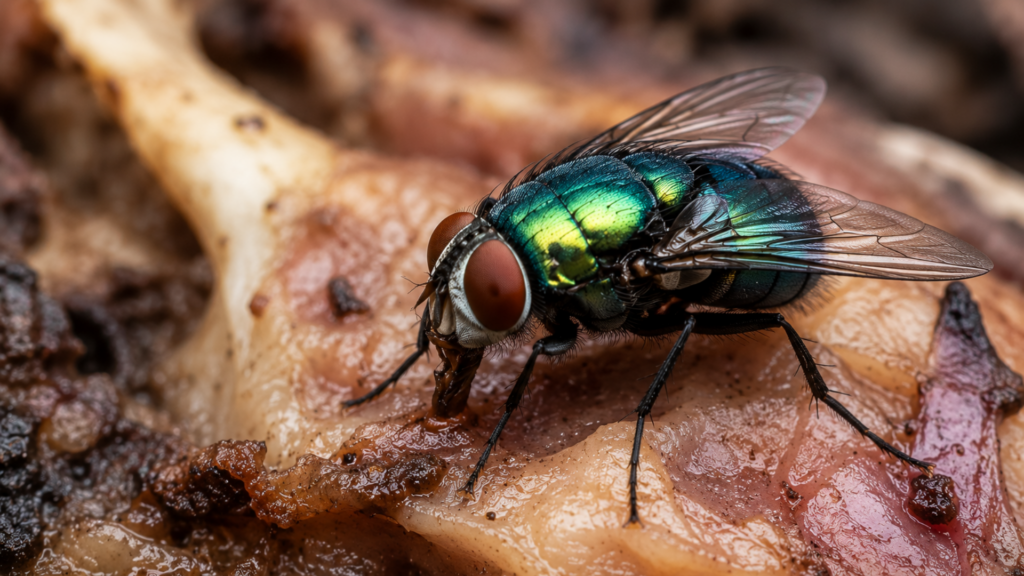
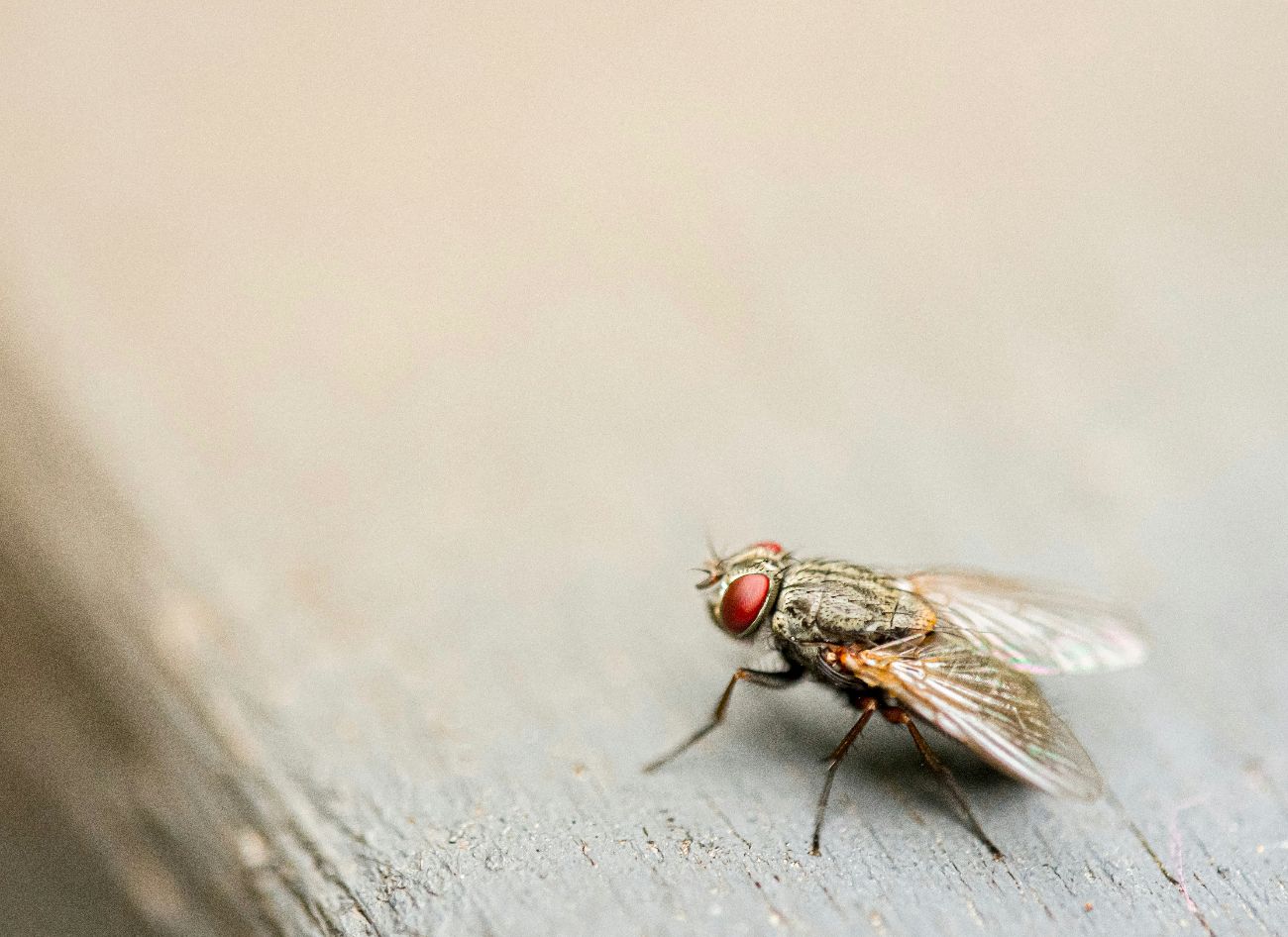
Scientists count roughly 1200 species of blow flies across the globe. North America holds about 80 of those species, and they are incredibly common across the American Southwest. They usually run anywhere from 7 to 16 mm (0.28 to 0.63 in) long, and you can pick them out by their shiny, metallic blue, green, or black coats.
They love hanging around buildings, local dumps, and farms. Out in nature, they do the dirty work of breaking down organic waste. But when they cross into our homes, they instantly become dangerous home pests. They track bacteria from gross surfaces right onto your clean tables and counters, creating a real health risk.
What Are the Signs of a Blow Fly Infestation?
- Deep, heavy buzzing sounds.
- Shiny blue or green bodies.
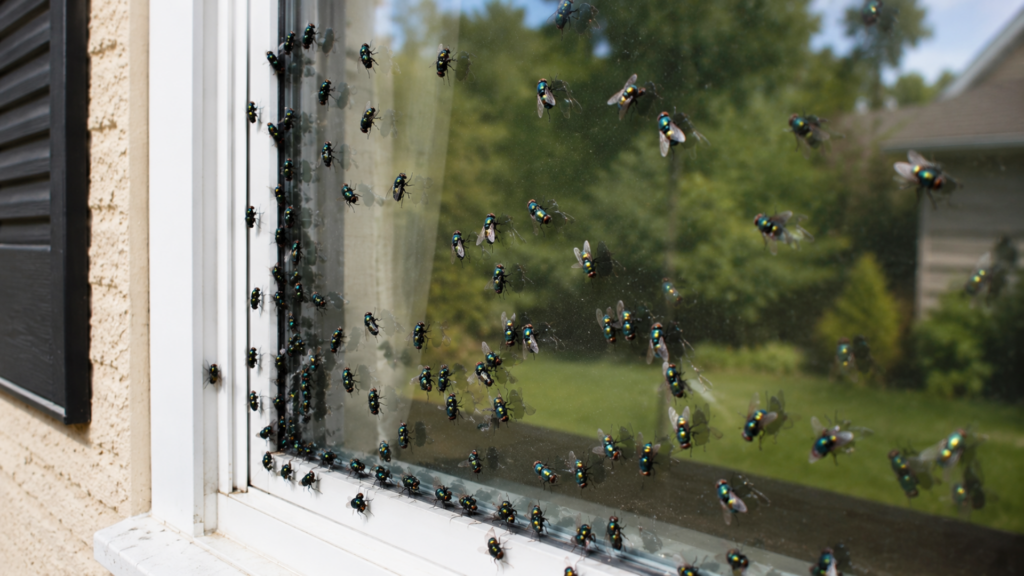
- Clusters gathering on glass windows.
- Dozens appearing out of nowhere.
- Small, white maggots crawling nearby.
How to Get Rid of Blow Flies
Find the Source
You will not stop outdoor flies or indoor swarms until you track down where they are nesting. These pests ignore clean areas. They want gross, moist spots where their eggs can hatch and feed immediately. If you suddenly notice a bunch of blow flies in house areas, watch where they go. They naturally head toward sunlight, meaning you will often find them stuck against the windows.
But their actual starting point is usually a dark, quiet spot like a crawlspace, an attic, or inside a wall void. Walk around your home and figure out which room has the highest concentration of bugs. Peek behind kitchen appliances, check the back of your pantry, and look along the floorboards. Pinpointing the room they are coming from is your first real step toward blow fly removal.
Remove Dead Animals or Organic Matter
The biggest reason these specific pests break into our homes is the scent of decaying meat. A sharp, unmistakable dead animal smell is a dead giveaway. Mice and rats frequently crawl into wall spaces or ceilings when it gets cold, die there, and turn into a massive feast for pests. These dead rodents act like a magnet for female flies, which can lay hundreds of eggs on a single carcass within minutes.
Grab some heavy gloves and a face mask to check out your attic, vents, and crawlspaces. If you run into a carcass, double-bag it and throw it right into your outside bin. Scrub down the whole area with a strong disinfectant to destroy the odor. Eliminating the food source cuts off their life cycle entirely.
Clean Garbage Areas
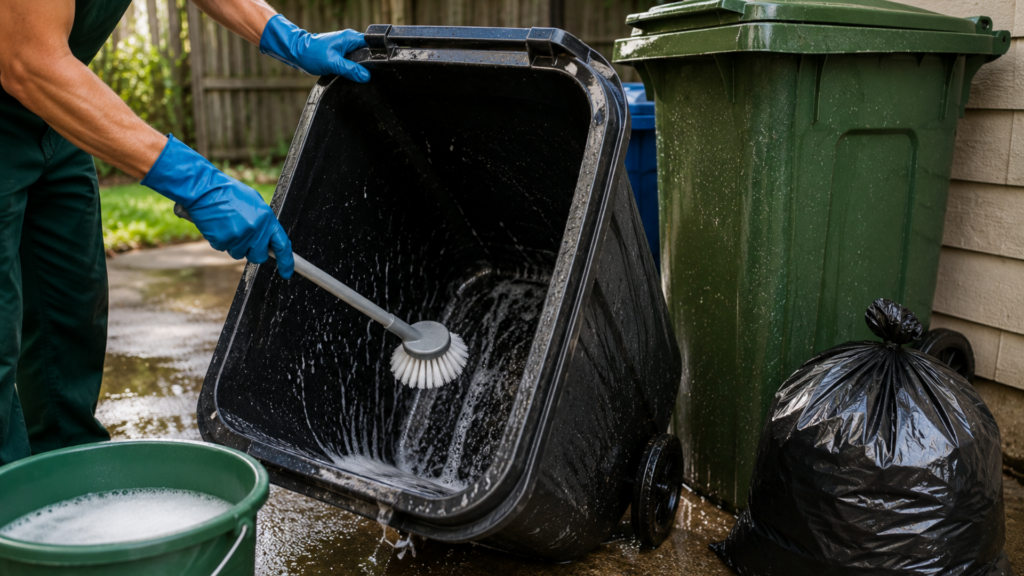
If your walls are completely clear, your trash setup is likely the culprit. Rotting leftovers, old meat scraps, and pet waste will draw a crowd of flies instantly. Take a close look at your kitchen and backyard garbage bins. If a bag breaks, nasty liquids pool up at the bottom of the can and create a perfect breeding ground. Dump your cans and scrub them out with hot water and heavy soap.
Keep your trash bags tied tight, and make sure your outdoor lids seal properly. Keeping your bins clean stops adult females from turning your trash into a nursery. If you kill the smell, you take away their reason to hang out on your porch.
Use Fly Traps
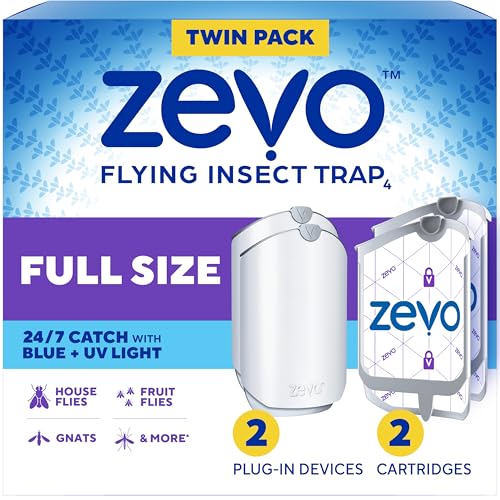
While you handle the cleanup, you still need to capture the adults flying around. Setting up some basic traps helps knock down the fly populations over time. Simple sticky traps hung near bright windows will catch the pests as they rush toward natural light. For your yard, smelly outdoor bait traps work best because they pull the bugs away from your doors.

Running a mix of sticky traps, light traps, and bait traps allows you to monitor the number of flies you catch each day. If the numbers drop after a few days, your cleaning is working. But if your traps fill right back up, you still have a hidden breeding site to find.
Seal Entry Points
Long-term fly prevention comes down to keeping them out in the first place. These pests fly fast and can squeeze through tiny holes in your siding or trim. Take a walk around the outside of your house to find any weak spots. Check the weather stripping on your doors and swap out anything that looks cracked or worn. Examine your window screens and fix any tears, no matter how small.
Fill in gaps around dryer vents, water pipes, and outdoor spigots using caulk or steel wool. If you tend to leave your back door open while carrying groceries, drop in a magnetic screen. Shutting down these doorways keeps outdoor flies outside and protects your home from the next wave.
When to Call a Pest Control Professional
If you have scrubbed your kitchen, emptied every bin, and still see a massive fly infestation, it is time to call in the professionals. Sometimes a dead mouse is stuck so deep in a wall or duct that you cannot get to it without cutting into your home. This is exactly what are blow flies and why are they a concern for pest management professionals (PMPs).
Pro technicians have the specialized cameras and tools to find hidden breeding sources behind your walls. They can use commercial fly control setups that work much better than standard grocery store sprays. If you need fast help from someone you can trust, you can find a top-rated local pro through Angi to knock the problem out safely.
Frequently Asked Questions (FAQs)
Why would I have blow flies in my house?
They are inside because they smell rotting organic material. The most common cause is a dead mouse or squirrel hidden in an attic, vent, or wall. They also show up for rotting food scraps in your trash or neglected pet food bowls.
What is the best trap for blow flies?
Outdoor bait traps with a smelly liquid attractant work best to keep them away from your home. Inside, ultraviolet light traps and classic sticky traps placed on windows do a great job with pest removal.
What smell do blow flies hate?
They cannot stand essential oils like peppermint, lavender, eucalyptus, and lemongrass. Spraying these around your windows and doors helps with pest prevention, but it will not fix the problem if something is rotting inside.
Wrapping Up…
Beating a fly invasion takes a bit of detective work and a thorough deep clean. You have to pull out the root cause, throw away the breeding material, and button up your house so they cannot get back in. Taking the time to wash your bins and seal up your screens keeps your home safe. If you cannot find the source or want a pro to handle it, look up a specialist on Angi to clean things up.