
Gophers can and will tear through a garden you spent months putting together, and they do it from underground, where you cannot see them coming. These ravenous bottom dwellers have an uncanny ability to destroy ornamental beds, vegetable rows, and farm borders without a single above-ground appearance.
They eat plant roots, tubers, and bulbs from the bottom up. Turns out, you often do not realize something is wrong until a perfectly healthy-looking plant tips over with nothing left holding it in the soil.
We did our research on this, and having previously faced gopher damage firsthand, we know how frustrating it gets. The damage from a single gopher working through a raised bed is enough to wipe out weeks of work.
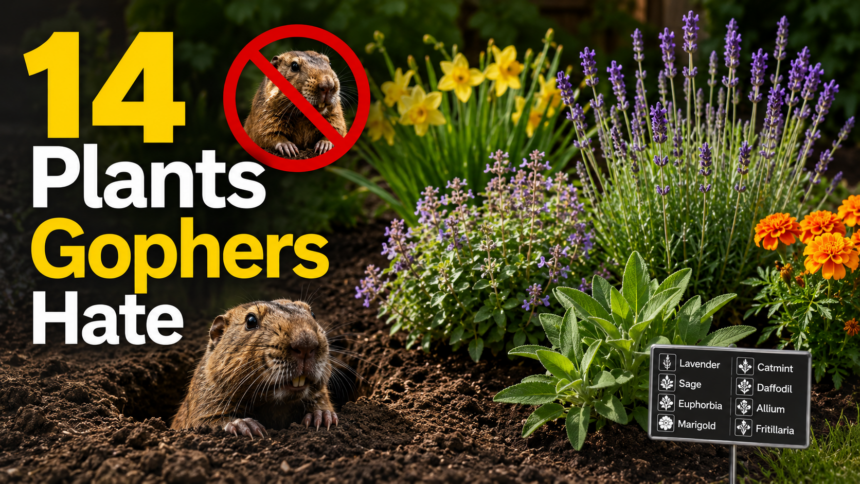
The good news is there are solid options when it comes to plants gophers hate, and working them into your landscape is one of the most durable organic garden protection strategies available. Read along for a breakdown of 14 gopher resistant plants worth adding to your setup right now.
Table of Contents
What Plants Do Gophers Avoid?
Gophers work almost entirely subway and rely on smell and taste to decide where to move and what to eat. They are not picky in a sophisticated way, but they do consistently avoid anything with a strong scent coming off the roots, a bitter flavor that registers during contact, or a toxic sap that causes a physical reaction.
That breaks down into three practical categories. First, aromatic plants whose essential oils carry through the soil and signal danger or discomfort. Second, plants with toxic roots or compounds that gophers have learned to stay away from through instinct or experience. Third, plants with bitter or chemically unpleasant root chemistry that makes the surrounding area feel like a bad foraging zone.
Understanding which category a plant falls into helps you build a smarter planting strategy rather than scattering things randomly and hoping the gophers get the message.
The 14 Best Plants Gophers Hate: Ranked and Reviewed
Top Tier: Most Effective
1. Marigolds
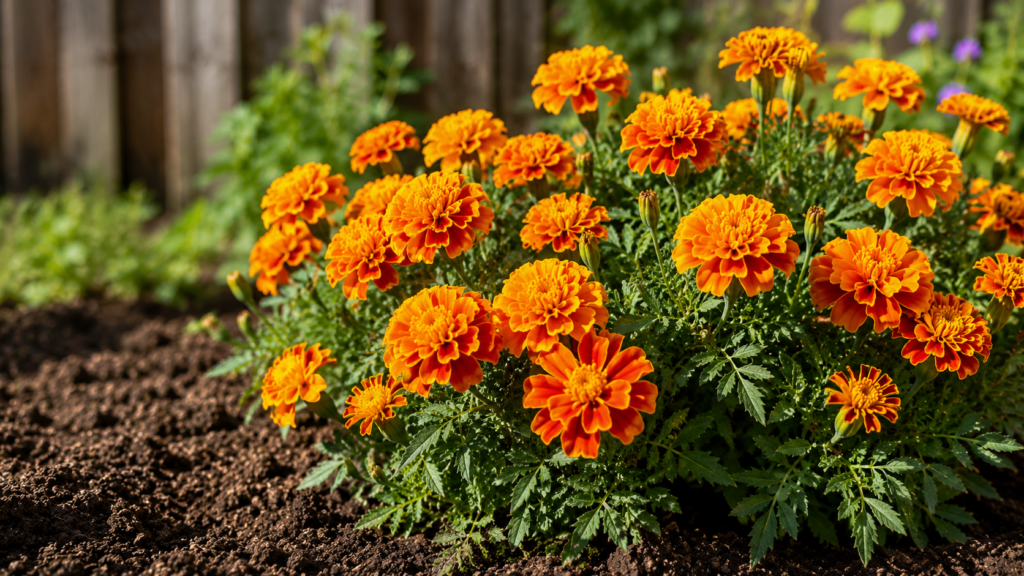
Marigolds are at the top of almost every list of plants gophers hate, and the reason is chemical rather than coincidental. The roots produce thiophenes, a sulfur-based compound that gophers find genuinely aversive underground. The scent carries through the soil around the root zone and makes the surrounding area less appealing as a travel or foraging corridor.
2. Daffodils
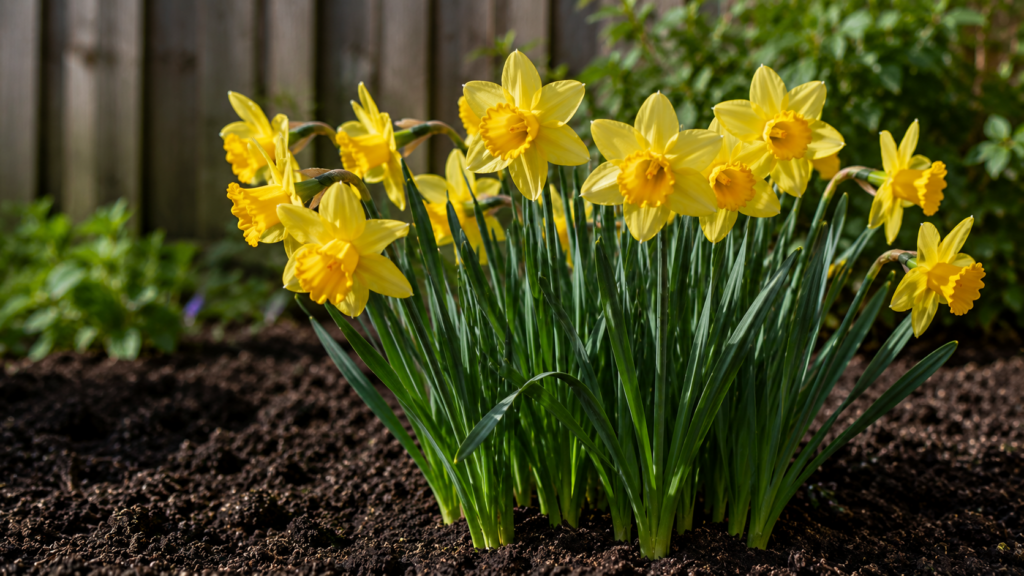
Daffodils are one of the strongest gopher repellent plants available because the entire plant, and especially the bulb, contains lycorine and related alkaloids that are toxic to gophers. A gopher that encounters daffodil bulbs underground does not just avoid that one plant, it typically avoids the surrounding area entirely.
They naturalize well across zones 3 through 9, require almost no attention after the first season, and get denser over time on their own. Turns out, the protective border actually strengthens year over year without you doing anything extra.
3. Lavender
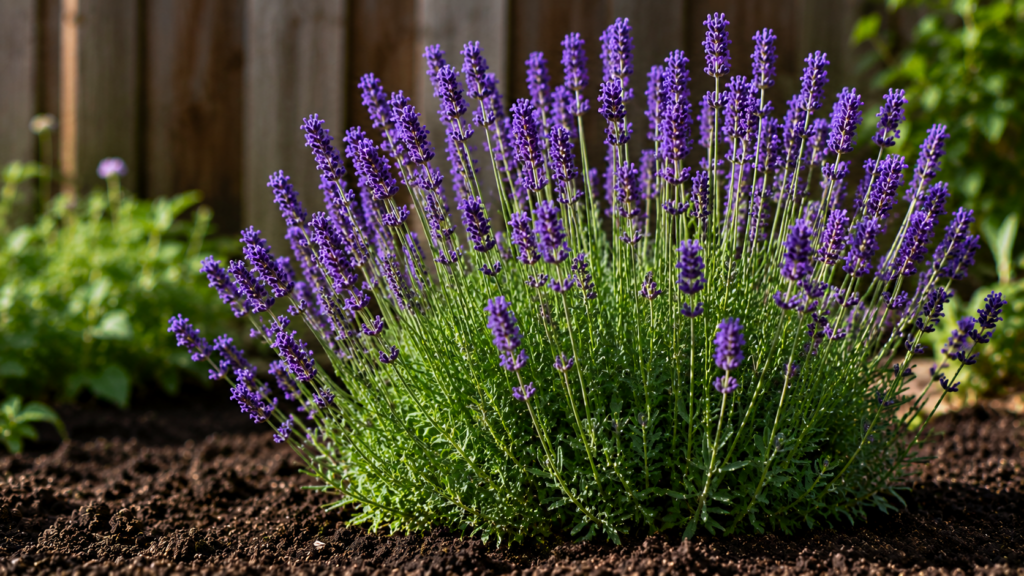
Lavender works as a natural deterrent through the density of its essential oils in the root zone. Those oils carry through surrounding soil and create a scent environment that gophers find uncomfortable to move through. The plant is also drought tolerant once it gets established. English lavender handles the cold the best of the common varieties and grows well across zones 5 through 9. Plant it in full sun with well-draining soil and it largely takes care of itself after the first season.
4. Mint
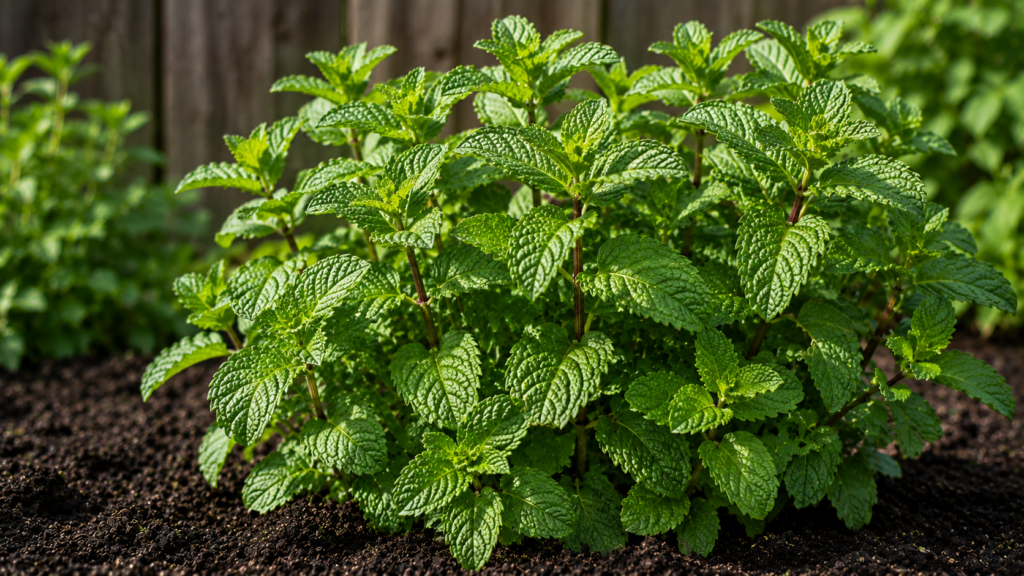
Mint is one of the strongest-performing plants gophers hate from a scent standpoint. The menthol and aromatic compounds that make mint so recognizable to us register as strongly aversive to gophers at the root level. The problem is that mint left to its own devices spreads aggressively and takes over whatever bed it is planted in.
The fix is straightforward. Plant mint in containers or fabric root barriers sunk at least 12 inches into the ground before placing them in the soil. That keeps the root zone contained. Done right, mint is one of the most effective companion plants for gopher control in a vegetable garden setting.
Strong Performers
5. Alliums: Garlic and Onions
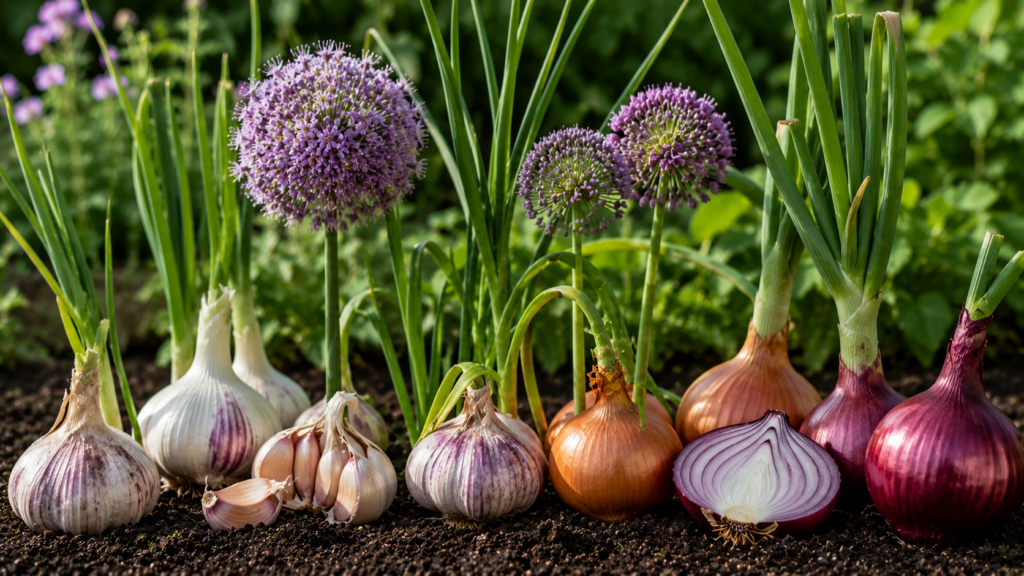
The sulfur compounds that make alliums pungent to us make the root zone around them unpleasant territory for gophers. Both garlic and ornamental alliums work here. Planted in clusters near vulnerable bulb beds, they push sulfur-based chemistry through the surrounding soil in a way that gophers consistently route around rather than through.
6. Sage
Sage produces aromatic oils that persist in the surrounding root zone and function as a rodent repellent for nearby plants. It is a practical addition to herb gardens where the planting strategy needs to balance actual culinary use with pest protection. Common sage grows well across zones 4 through 8 and handles dry summers better than many other aromatic herbs on this list.
7. Rosemary
Rosemary works through the same mechanism as lavender does. It pushes dense aromatic oils through the root zone that gophers find uncomfortable to move through. It is versatile enough to work in vegetable borders, ornamental beds, and container plantings positioned along exposed garden perimeters.
8. Castor Bean
Castor bean is a chemically potent plants gophers hate, and it requires a clear safety warning before anything else. The plant contains ricin throughout, which is toxic not just to gophers but to humans, dogs, cats, and most other mammals. It should not go anywhere that children or pets have access to, and you should always use gloves when handling any part of the plant.
Good Supporting Plants
9. Hyacinth
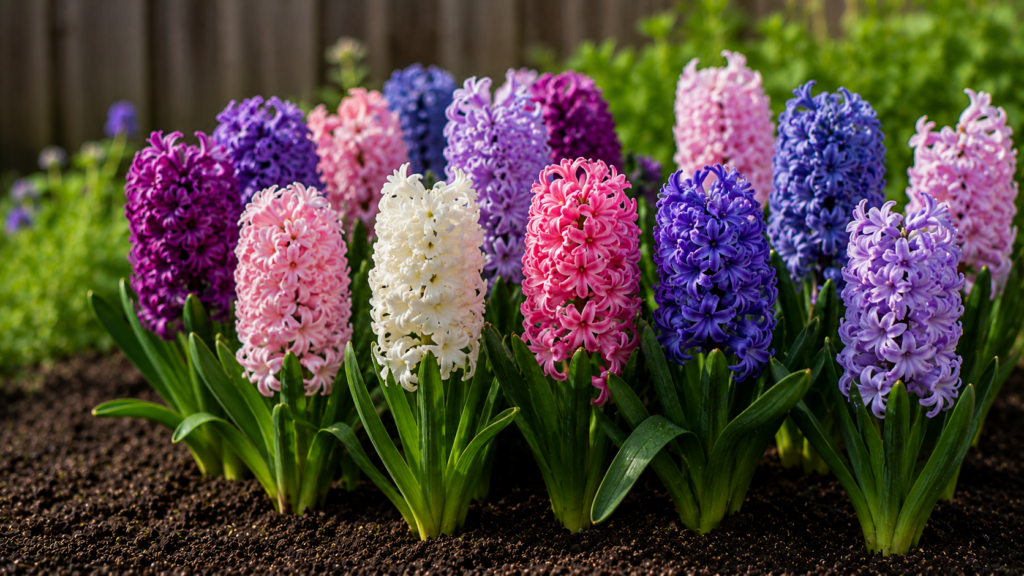
Hyacinth bulbs carry compounds that gophers reliably avoid. They work best in dense clusters and not when spread out one by one. This, obviously, in turn creates a more continuous root zone that gophers prefer to go around entirely in lieu of navigate through.
10. Fritillaria
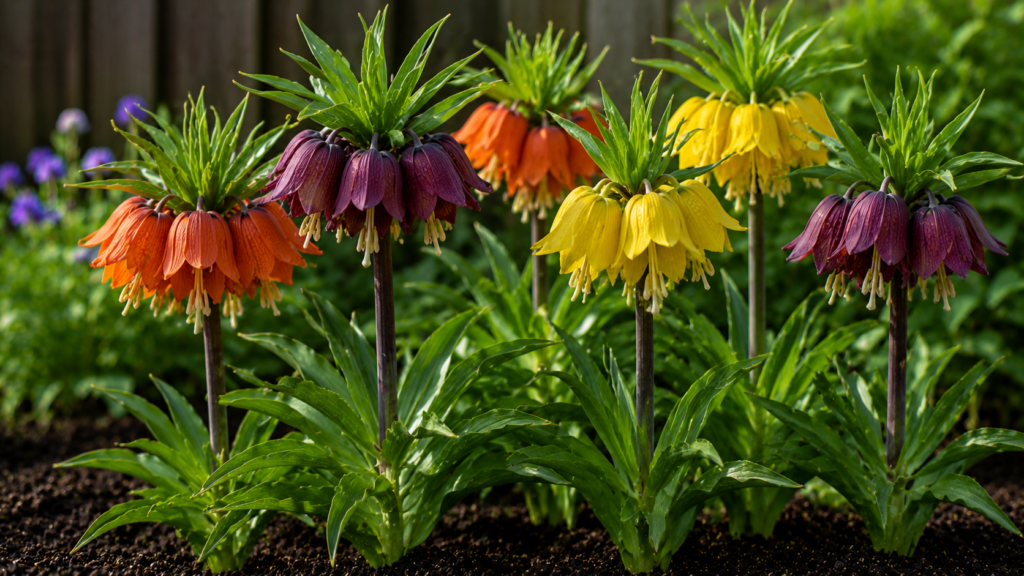
Fritillaria imperialis produces a strong skunk-like odor from its bulbs that functions as a powerful underground deterrent. It is most consistently recommended gopher resistant plants in professional landscaping because the smell off the bulbs is so strong that gophers pick it up well before making contact.
11. Narcissus
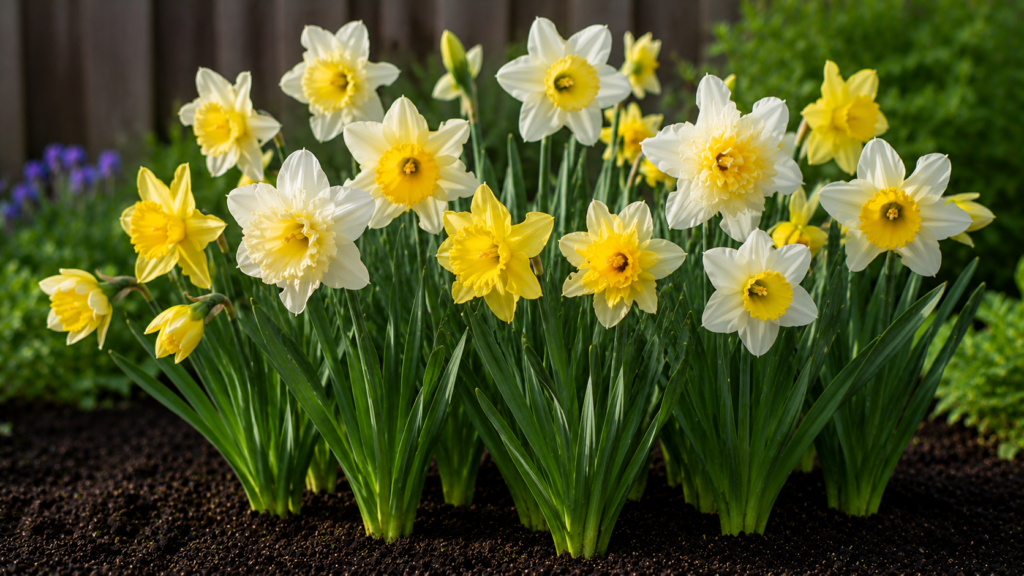
Narcissus shares the same alkaloid chemistry as daffodils and works as a distributed internal deterrent when planted throughout a vulnerable bed. Rather than relying only on the perimeter border, narcissus planted among more vulnerable bulbs provides protection across the full root zone of the bed.
12. Oleander
Oleander contains cardiac glycosides throughout the plant, including the roots. That’s how it seriously makes it toxic to gophers and a strong natural deterrent in warmer zones. It is also toxic to humans and pets, so placement matters as much as the plant itself.
13. Gopher Spurge
Euphorbia lathyris, commonly called gopher spurge, produces a toxic milky sap through its entire root system that gophers actively avoid. It is one of the few plants named specifically for its rodent repellent properties, and it self-seeds reliably, which means the protected zone expands over successive seasons without any replanting effort on your end.
14. Catmint
Catmint produces aromatic compounds at the root level that work as a moderate deterrent in garden borders. It is less potent than mint or lavender but far easier to manage without containment measures. It works well as a filler companion plant between stronger performers in a layered border strategy, filling the gaps without competing aggressively with the plants around it.
Strategic Planting Guide for Maximum Protection
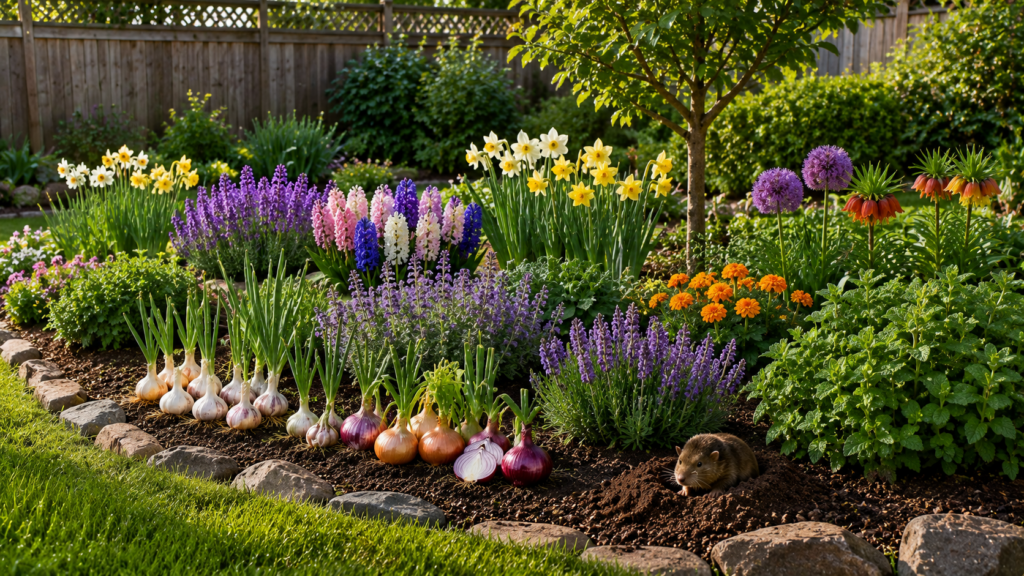
A planting strategy built around plants gophers hate works best when it covers three zones at once.
The outer border needs to be continuous. Run daffodils and marigolds along every accessible garden edge without gaps. A gap in the border is an entry point, and gophers will find it. Plant daffodil bulbs six inches apart and fill the space between them with marigolds to create a dense, layered root zone across the full border length.
The internal layer uses alliums, narcissus, and fritillaria distributed throughout the bed itself. These create a less hospitable environment across the whole planting area. In a vegetable garden, garlic planted in clusters of three to five bulbs every two to three feet across the bed gives you that internal coverage without interfering with the primary crops.
Individual plant protection focuses on the highest-value or most vulnerable plants within the bed. Plant gopher spurge or narcissus directly adjacent to tulip bulbs, young fruit trees, or rose roots as a close-proximity companion plant pair. The toxic root proximity deters gophers from approaching that specific plant rather than relying on the perimeter to do all the work.
When to Call a Professional
If you have run through a full planting strategy and gopher activity is still causing meaningful damage, the colony size or tunnel network may be beyond what plant-based deterrence alone could handle. Angi connects you directly with licensed pest and wildlife control professionals in your area who deal with gopher removal and exclusion work regularly. A professional assessment identifies how large the colony is, how extensive the tunnel system runs, and what intervention makes the most sense for your specific property.
Wrapping Up…
Gophers are persistent, and the damage they do in a single active season can set a garden back considerably. Plants gophers hate give you a practical, non-toxic strategy that gets stronger over time, sooner than losing effectiveness, the way chemical treatments tend to. Build the strategy consistently, give it a full growing season to establish, and you will have a long-term solution that holds without needing constant attention to maintain.