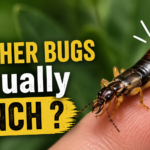


Earwigs could get into your home, especially during the warmer months. At first, they could look quite threatening because of their pincers at their back, though they are really not that dangerous.
In most cases, Earwings show up in bathrooms, basements, and in the kitchen, too, looking for food and shelter. Since summer has already started, we are getting messages about how to keep earwigs out of the house.
You can get them out of your home if you follow the 5 strategies we’ve finalized with lots of research and a good experience in this field. Keep scrolling and do not let these pesky invaders ruin your house from any possible angle.
Table of Contents
5 Most Effective Ways to Keep Earwigs Out
1. Seal and Block Their Entry Points
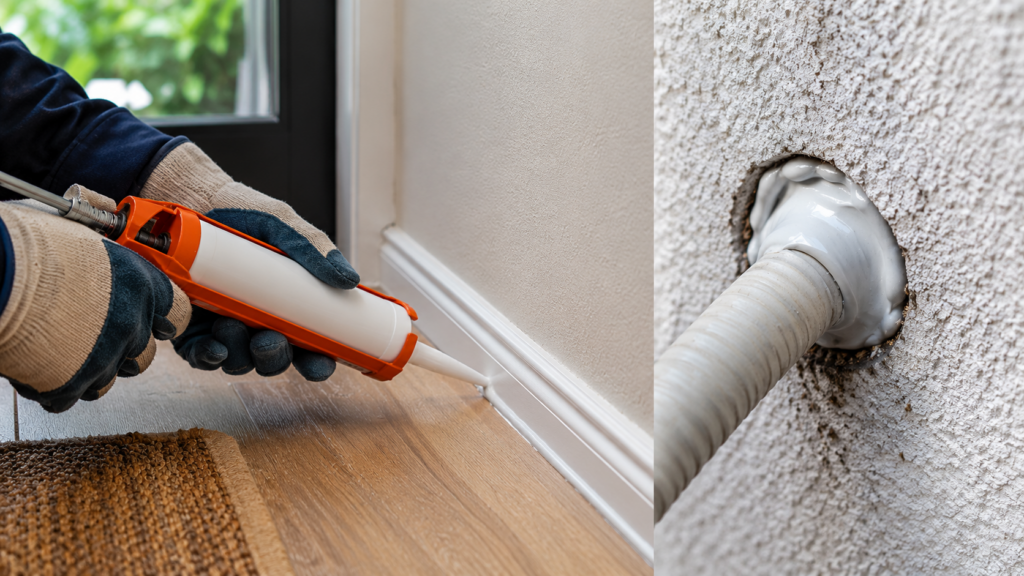
Earwigs entry points were and would gonna be the same across all the houses. They find their way into your home through gaps around door frames, window frames, utility pipe penetration, and cracks that open up over time through settling or weathering. What therefore you need to do is to work around the full exterior perimeter and seal cracks. You could use silicone caulk cause it does the job quite efficiently.
Most importantly, we highly recommend that you really should pay extra particular attention to where pipes and cables enter your building. Those penetrations rarely get sealed properly during construction and stay open for years, and could be the entry point for earwigs into your home.
2. Eliminate What Attracts Earwigs
- Damp areas are the primary draw for earwigs, both outdoors and inside the home. They need consistent moisture to survive. Turns out, they concentrate in bathrooms, basements, and crawl spaces indoors, and under mulch, leaf piles, and dense ground cover outdoors. You can run a dehumidifier in your basement or crawl space that reads above 50 percent humidity to rectify one of the main reasons earwigs push inside during dry spells.
- Mulch management around the foundation is another overlooked though earwig prevention measure available. Mulch beds pressed directly against the exterior wall hold moisture against the foundation and give earwigs a comfortable staging area within inches of the entry points described above. Pull mulch back at least six inches from the foundation perimeter and replace heavy organic mulch near the structure with a drier alternative like gravel or stone. Garden earwigs are largely unavoidable in beds further from the house, but keeping that population away from the structure directly reduces how many make it inside.
- Outdoor earwig control also involves clearing leaf litter, stacked wood, and dense low vegetation from the perimeter zone. Every pile of damp organic material within a few feet of the house is potential harborage for earwigs that will eventually look for a way in.
3. Use DIY Traps and Repellents That Work
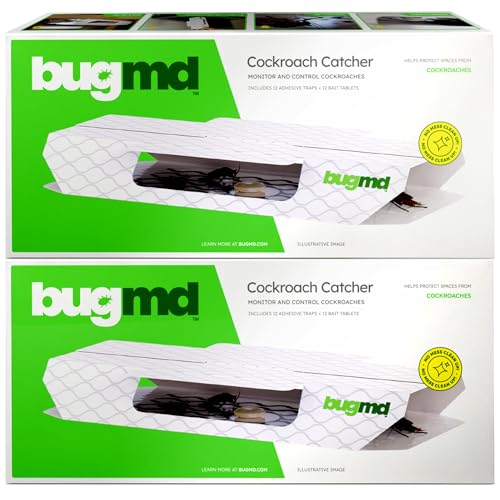
Sticky traps can be placed along baseboards, under sinks, and in basement corners to monitor insect activity as well as help reduce localized populations. Since earwigs travel along walls and floor edges and prefer not to cross open space, traps should be placed along baseboards rather than in the center of the room.
Another simple solution is to use a natural repellent along the entry points. A diluted mixture of dish soap and water can be crammed between cracks and sprayed where earwigs may be congregating.

Diatomaceous earth can be placed along the outer foundation of the house, the interior of the crawl spaces and targeted entry points as well. This desiccates earwigs upon contact and provides long-term control for the pest without harming your pets or family.
To hinder earwigs from making a home in your garden, you can apply a layer of diatomaceous earth around the border of the garden closest to the house.
4. Improve Outdoor Lighting
During earwig season, lights that are mounted on or near your home will attract more earwigs. Earwigs are a nocturnal insect, they are attracted to light, and outdoor lights that are mounted on your home will guide them to the entry points that you are trying to seal. There are several steps you can take to mitigate the outdoor lights mounted on your home and the earwig contact with your home.
Re-position the outdoor lights mounted on your home away from your home and use motion-sensor lights. This way, the lights will serve their purpose without guiding earwigs to your home. You can also use yellow-spectrum bulbs as these bulbs attract less insects than regular white LEDs. They are inexpensive and require no maintenance.
5. When DIY Fails: Professional-Grade Options
If the first four methods are implemented and earwig numbers remain unmanageable after two to three weeks, the harborage site is likely internal and will not be removed with surface level controls. There are parts of the home that the average DIY pest control cannot reach.
Licensed pest control professionals are able to access areas within the structure that are not reachable by the average DIY pest vent control such as the crawl space, wall cavities, and subflooring. If the earwig problem is persistent, professionals can implement perimeter control measures. These containment measures are more effective than retail pest control.
Why Earwigs End Up Inside Your Home
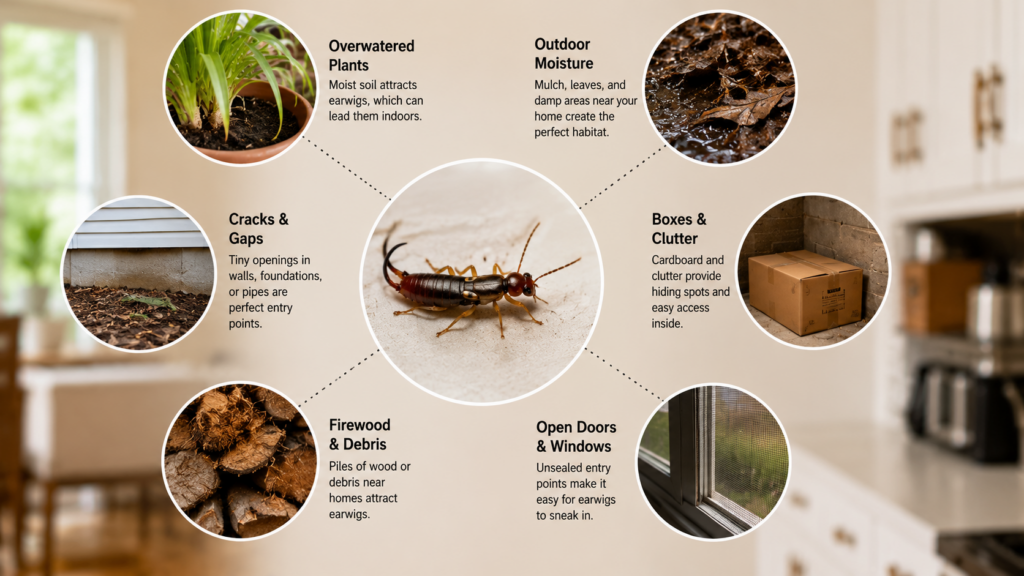
To prevent earwigs from coming inside, we first need to understand why they go indoors. Earwigs have no real intention of entering human habitats. They are moisture seekers. As conditions outdoors dry out or become too hot, or if they get flooded, earwigs will seek environments that are most humid and provide a shelter.
Homes that have a damp basement, leaky external faucets, or have dense mulch against the foundation provide earwigs a more attractive environment than the outdoors. The goal of earwig prevention is to turn that equation around so the outside of your home will have no draw for the earwigs.
Signs You Are Dealing With Earwigs Indoors
- Live earwigs near bathroom drains, under sink cabinets, or along basement baseboards during evening hours
- Shed exoskeletons in damp areas of the home, particularly in crawl spaces or under bathroom vanities
- Earwigs clustering near exterior lights or window frames on warm nights
Frequently Asked Questions (FAQs)
Do earwigs bite or pinch, and do earwig bites itch?
Earwigs have pincers which allow them to pinch defensively, and although the pinch may be strong enough to break the skin, that only happens in rare cases. Earwigs don’t bite like a mosquito or flea. If a pinch makes contact with skin, it will create a small mark, which is not likely to cause any irritation, swelling, or itching. Earwigs are not poisonous, nor are they known to cause any diseases in humans.
Do earwigs actually crawl in ears?
Earwigs got their name due to a widespread belief that these bugs would crawl into people’s ears and reproduce in them. This belief is not based in scientific fact. Earwigs got their name in Europe due to some incomplete folklore. Earwigs prefer dark, moist environments to hide in, and will not be drawn to human ears.
Are earwigs harmful to plants?
Earwigs can be a nuisance in gardens because they will damage young plants and soft fruits and flowers. The damage they cause can be seen as jagged holes along the edges of leaves. Although, earwigs will eat harmful pests like aphids, which can balance out the overall effect of an earwig. They should be controlled if there are large populations of earwigs near a home or in a garden.
What is the fastest way to get rid of earwigs?
The quickest method to get rid of earwigs is to use sticky traps placed along the edges of walls in combination with diatomaceous earth applied to baseboards and entryways, and to run a dehumidifier in all of the moist areas of the home. Using this combination of solutions at the same time allows for earwigs to be trapped, and also eliminates the factors that are attracting earwigs and the points where earwigs enter the home. The same day that you implement these solutions indoors, remove any mulch and debris from the staging areas close to the foundation on the outside.
Wrapping Up…
Earwig control that holds up over time requires addressing the moisture conditions and entry points that bring them in rather than just reacting to the ones already inside. Seal the foundation and door gaps, pull mulch away from the structure, run a dehumidifier in damp interior spaces, reposition exterior lighting, and apply diatomaceous earth along active pathways. Those five steps combined take most homes from an ongoing earwig infestation to a resolved situation within two to three weeks, and the structural improvements made along the way prevent the next wave from establishing a foothold.