
Rats don’t need an invitation. A gap about the size of a half dollar is plenty. The moment they enter, your room becomes their five-star hotel, complete with cozy accommodations, a warm atmosphere, and a gourmet meal of crumbs.
Having Rats in your house’s walls can be terrifying, especially if they cause damage to the wiring, create unsanitary conditions and leave you sleepless every night. The sooner you get rid of them, the more manageable the task will be.
The good thing is, you can scare them off. We will show you how to do that without being an exterminator. We’ve compiled a list of eight methods to scare rats away from your room and keep them from returning.
Table of Contents
Signs of Rat Infestation in a Room
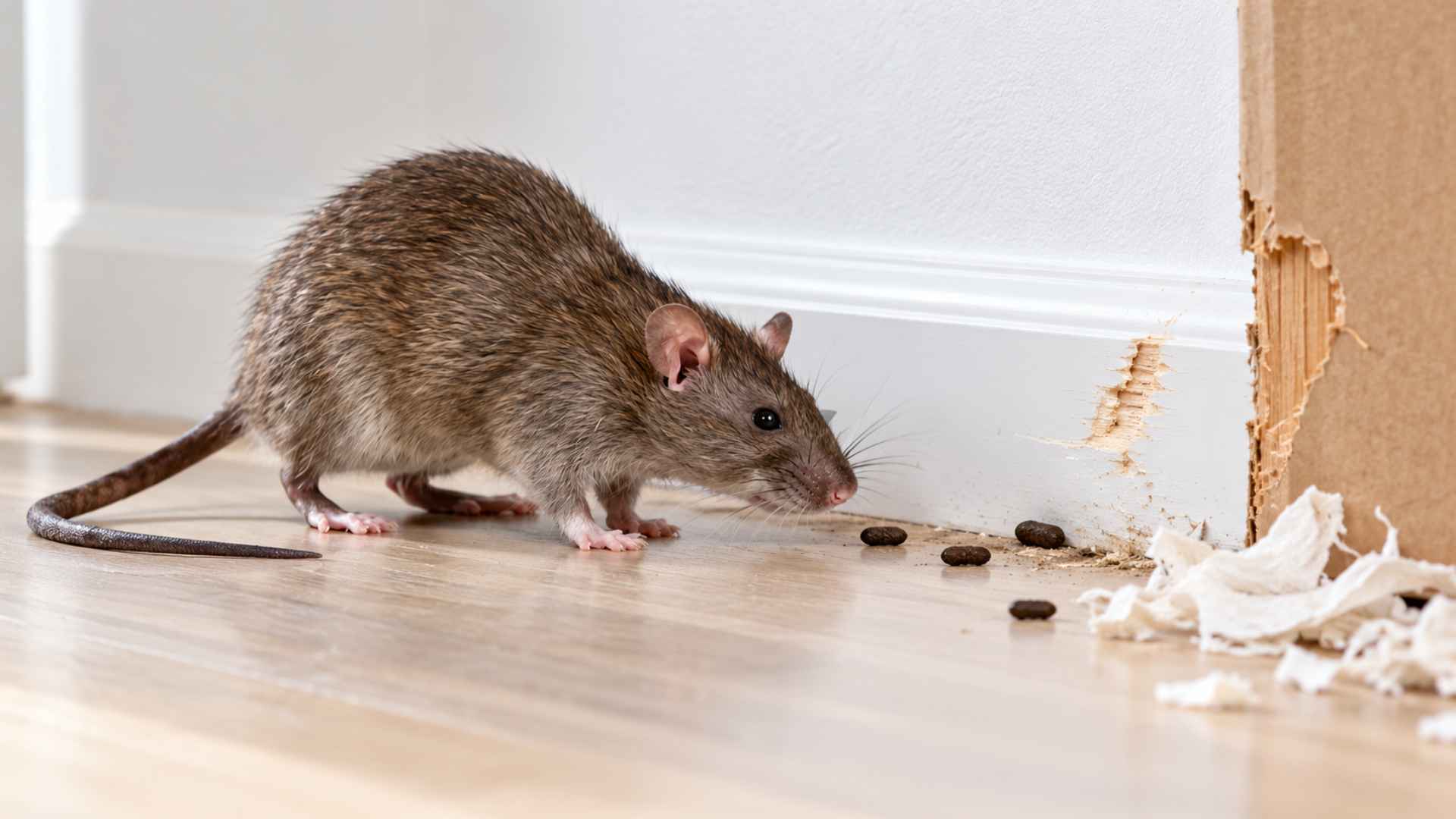
- Scurrying sounds, scratches, or squeaks from the walls, the attic, or closets after dark. That’s the classic soundtrack of rats hiding in room gaps.
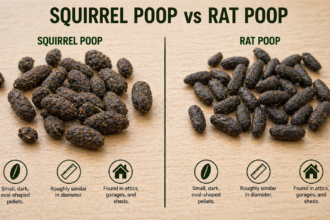
- Dark, capsule shaped droppings, usually half an inch or more in length, near baseboards, corners, and food.
- Gnaw marks on wood, wires, baseboards, or packaging.
- Greasy rub marks along walls where rats brush past again and again.
- Nests made of shredded paper, fabric, or insulation tucked into corners and closets.
- Musky, ammonia like odor that gets stronger in closed spaces.
- Tiny footprints or tail swipes in dusty areas.
- Daytime sightings of rats in room corners.
8 Effective Ways to Get Rats Away From Your Room
1. Remove Food and Clean Thoroughly
Rats show up where the food is. Starve ’em out, and your room loses its charm. Sanitation is the base of indoor rat control, and it costs you nothing but a little elbow grease. Kick off by finding every one of the food sources in reach:
- Snacks and wrappers stashed in drawers, bags, or under the bed
- Pet food bowls left out overnight
- Crumbs behind furniture and along baseboards
- Open trash cans and overflowing bins
- Dirty dishes, cups, and drink spills
Vacuum the floors quite thoroughly and wash surfaces with soap and water. Store dry food in glass, metal, or thick plastic containers with tight lids. Rats chew through paper and thin plastic with ease, and a sealed lid slows ’em down. Cereal boxes and chip bags are basically open invitations.
Take the trash out every night, and wipe the can’s rim so no sticky residue lingers. Check the closet floor and the space under the bed too, since crumbs pile up there unseen. Fix open water sources as well and dry out damp spots, because rats need a steady supply to stick around.
2. Seal Gaps Under the Door
Rats will always take the easiest path, so a gap under the door is a secure way for them to enter. If you find a gap larger than a pencil eraser, you should seal it immediately. Rats can quickly gnaw at a small gap to make it larger. Install a heavy-duty, metal-backed door sweep or a garage door threshold seal, as rodents can easily chew through standard rubber or plastic sweeps.

Additionally, install sealants on the sides and top of the door frame as well. A rat will try to get through every available crack and crevice, including the corners of the door frame. Wooden door bottoms are especially prone to gnawing and will eventually give in to the rats’ persistent gnawing. You can install a metal kick plate for better protection. To permanently seal off the entry points to your bedroom, make sure to do this step first and then keep the door closed at night.
3. Seal Wall, Pipe, and Utility Openings
An adult rat needs an opening about 0.5 inch (12 mm) from end to end to squeeze through, the size of a quarter. A young rat or a mouse needs a smaller opening of about 0.25 inches (6 mm) which is the size of a dime or a pencil eraser. Use tape to mark the places where you see openings so that you don’t miss any entry points. Rats often leave greasy dark marks where they are squeezing through openings. You can use these as clues when you’re looking for other entry points.
Fill them with the right stuff:
- Steel wool or copper mesh packed tight into small holes, then covered with caulk
- Hardware cloth, metal flashing, or cement for bigger openings
- Metal cover plates around pipes and outlets
Never use expanding foam by itself since rats can chew through it and leave a sloppy mess. It takes longer to do a good job sealing up openings, but it’s worth it because it helps prevent future entry points. However, make sure to wait until the last possible rat is gone before you seal them up. If you seal an opening while room walls still have rats, then the remaining ones can chew through the material and create a new opening.
4. Use Rat Sized Snap Traps

Mouse traps are too small and too weak for this job. Rat sized snap traps hit harder and cover the full trigger area. Here’s how to get rat out of room corners without a chase:
- Place each trap flat against the wall with the trigger end touching it. Rats run along walls.
- Set two or three in a row near droppings, gnaw marks, and runways.
- Wear gloves when you handle them.
- Check daily and replace any trap that’s been sprung.
Most rat traps indoors fail because people skip the warm up. Rats are wary of new objects. Leave the traps unset with rat bait for a few days, then arm them. Keep pets and kids far away, or tuck each trap inside a box with a rat sized opening. Don’t be shy about a second round. If a trap stays empty for three nights, move it a few feet closer to the wall’s busiest stretch. If you want to get rid of rats from room quarters for good, trap first and seal second.
5. Use Sticky Baits That Stay Put

Rats are good at stealing bait. Sometimes they even lick it off, then saunter off with a satisfied tail. Sticky bait pretty much fixes that problem. Smear peanut butter, hazelnut spread, or soft pet food onto the trigger plate so a rat has to work for it. For firmer bait like bacon or dried fruit, tie it to the trigger with thin dental floss.
Do not use crumbly food as the rat will pick this up and run off without tripping the trap. Use pea sized dabs, because a big glob invites licking. Rats are creatures of habit. Place each trap along a rat’s regular route. Try a new bait if nothing happens after two nights. Fresh bait is always better than old, so change this daily or every other day.
6. Use Sharp Scents as Temporary Deterrents
You can scare rats away from room by using strong scents. Peppermint oil rubbed on a cotton ball placed strategically around the house is the most common deterrent. Clove and cayenne are other popular scents that keep rats away.
Store bought liquid rat repellent sprays and pouches work on the same principle, though. You should keep in mind that any sort of rat repellent indoors work only for short term control.
The smell will dissipate after a few days, and rats will get used to it. Still, a fresh scent can help scare rats away and in the meantime you could set traps and bait stations.
7. Try Electronic Repellers
Electronic rat repellers plug into a wall outlet and release high-frequency ultrasonic sound designed to make the area uncomfortable for rodents. They are easy to use, silent to most people, and do not involve traps, poisons, or strong odors.

Place the device in the room where you notice droppings, scratching, or rat activity, and keep furniture from blocking the sound. Keep expectations realistic, though. Ultrasonic devices may help discourage rats temporarily, but results can vary, and rats may eventually get used to the sound.
8. Clean Rat Droppings and Scent Marks Safely
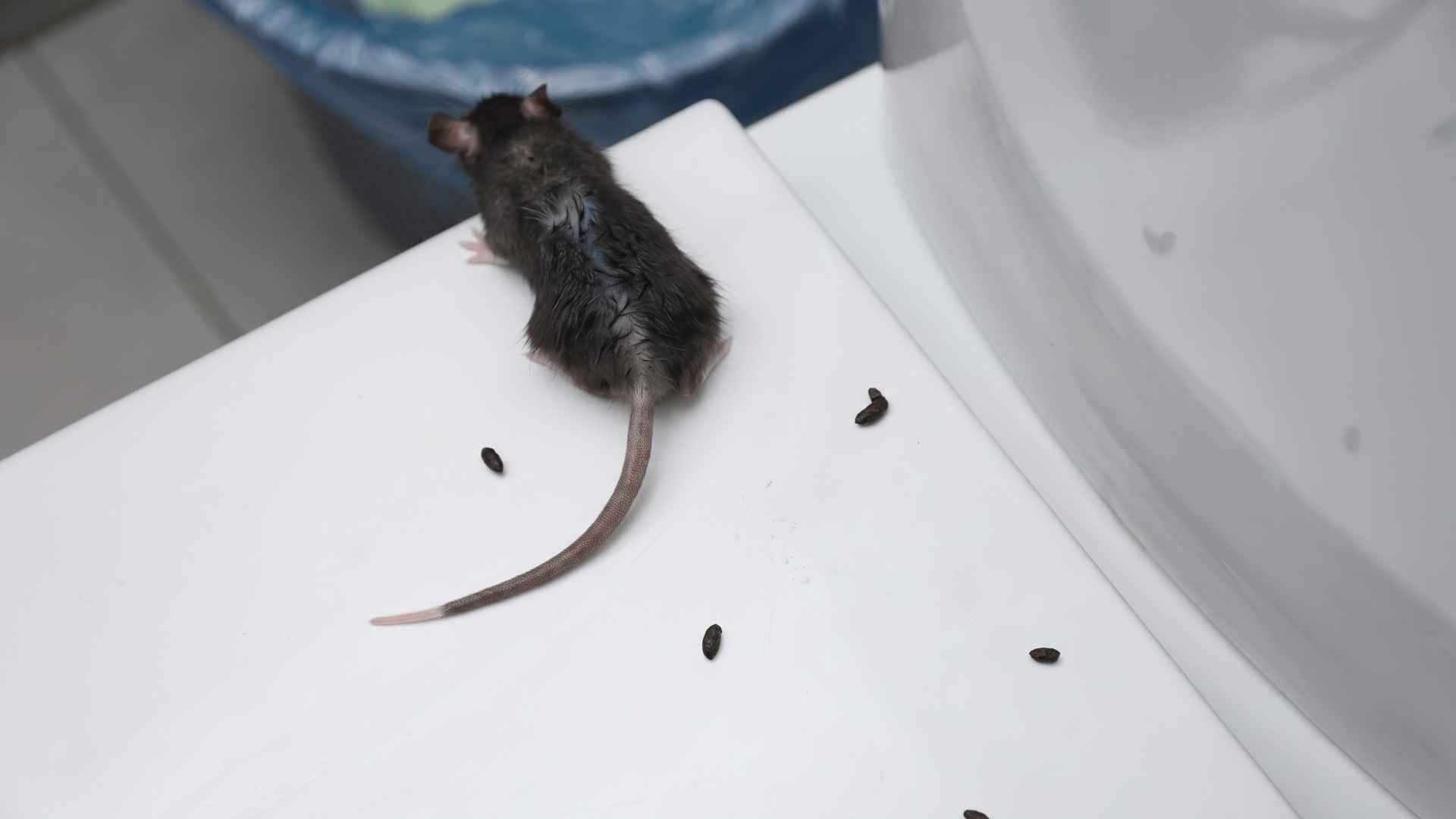
Cleaning up after rodents is crucial because they leave behind scent trails that can guide them right back to your home. Taking care of this mess is also a major health priority. According to health agencies like the Centers for Disease Control and Prevention (CDC), wild rodents carry more than 35 diseases. Never vacuum or sweep away dry droppings, urine, or nesting materials. Sweeping stirs up tiny particles into the air, and breathing in those contaminated particles is exactly how people contract dangerous rodent-borne illnesses like hantavirus.
You can take out the mess safely by using the proper steps:
- Air out the space: Open all windows and doors to ventilate the room for at least 30 minutes before you start cleaning. Keep all children and pets out of the area during this time.
- Glove up: Put on thick rubber or plastic gloves before touching anything in the area.
- Soak everything first: Spray the droppings, urine, and nests with a commercial disinfectant or a fresh bleach solution. You can make the solution by mixing 1.5 cups of household bleach per gallon of water, which creates a strong 1-to-9 ratio. Spray the mess until it is completely soaked, and let it sit for 5 minutes to kill the germs.
- Wipe and bag: Wipe up the soaked material using paper towels. Throw the used paper towels straight into a plastic trash bag, double-bag the waste, and place it in a covered trash can.
- Scrub grease marks: Clean up any dark, greasy rub marks along the walls using the same disinfectant solution. Rats leave these trails behind as map coordinates to find their food sources.
- Launder fabric items: Wash any contaminated bedding, towels, or clothing on a hot cycle with heavy-duty detergent.
Remember to never mix bleach with ammonia or other household cleaners because doing so creates toxic gas. Wash your gloved hands thoroughly with soap and water before removing them, and then wash your bare hands again once the gloves are off. If you find massive concentrations of waste or complex nests tucked deep inside your walls or air ducts, call a licensed pest professional to handle the hazardous cleanup safely.
Should You Leave the Lights On to Scare Rats Away?
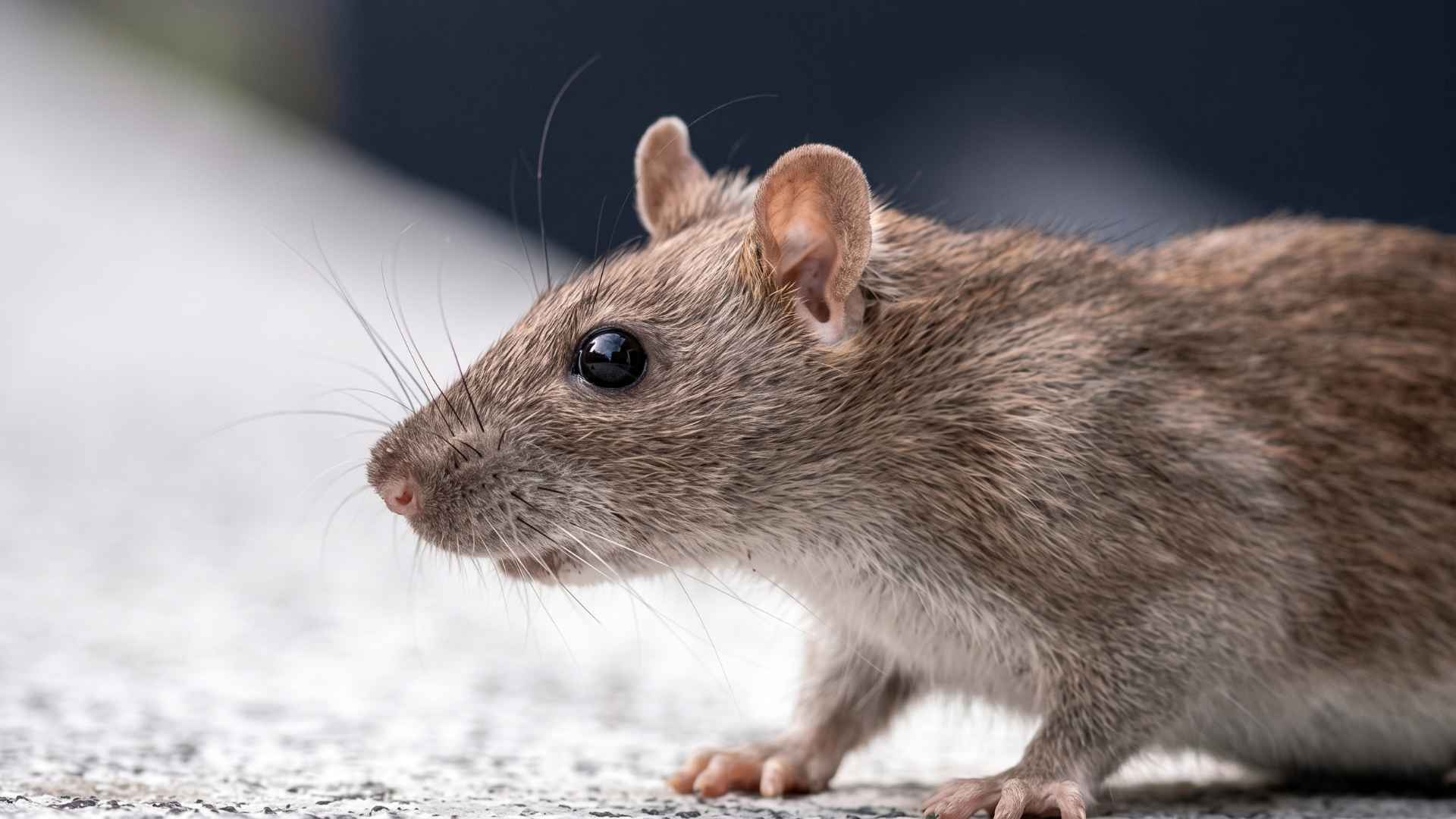
Rats are mostly nocturnal, and they do prefer the dark. A bright room might keep one off the open floor for a night or two, and that’s all you should expect. A rat that’s already nesting in your wall will wait for quiet and come out anyway.
Rats also adapt. After a few nights, a steady light becomes background noise. Light can’t take away food, block a gap, or catch a single rat. It can help you spot activity if you check the room at odd hours. Use it for that and nothing more. To truly scare rats away, lean on a sealed room, solid traps, and a clean floor.
What Not to Do When a Rat Is in Your Room
- Don’t corner a rat. It can bite or lunge when it feels trapped.
- Don’t use poison baits indoors. A poisoned rat can die inside a wall and stink for weeks, and kids and pets can find the bait. Skip it if you want to get rid of rats indoors safely.
- Don’t sweep or vacuum droppings or nests.
- Don’t use mothballs. They aren’t labeled for rats, they’re toxic to people and pets, and they don’t work.
- Don’t seal holes before you’re sure no rat is still inside.
- Don’t touch a dead rat bare handed. Use gloves and a sealed bag.
- Don’t leave food, crumbs, or open trash in the room.
- Don’t wait. Rats multiply fast, and small problems grow.
How to Keep Rats From Coming Back Into the Room
Getting rats out is half the job. Keeping ’em out is the other half. Treat rodent proofing as a habit as much as a repair. Check your seals every month, and patch anything that’s been chewed. Keep boxes and clutter off the floor, since rats love hiding spots. Eat in the kitchen, and take wrappers out of the room the same day.
Look outside too. Fix leaky pipes and gutters, because rats look for water as much as food. Trim bushes and branches that touch the roofline, and use bins with tight lids. A rat proof room comes down to boring routines. A quick weekly walk around the room, flashlight in hand, catches new gnaw marks or droppings early.
When to Call Pest Control
Call a pro if you hear noises in the walls night after night, find droppings in several spots across the home, spot rats in daylight, or keep catching one rat after another. For serious indoor rat control, pros bring tools and access you don’t have.
Orkin is a smart place to start. A technician inspects inside and out to find where rodents are active, where they nest, and how they get in. Then they use traps, baits, and sealing work to help keep rodents from coming back. After each visit, you get a report on what they found and what to do next. Orkin has more than a century of experience behind it, and you can request a quote online.
Frequently Asked Questions (FAQs)
What frightens rats away?
New sounds, movement, or objects may make a rat back off at first. That usually does not solve the problem because rats can get used to things that stay in the same place. Focus on removing food and water, sealing entry gaps, and setting traps where you see activity to actually get rid of them.
Will a rat go near a sleeping human?
Rats usually avoid people. In a heavy infestation, though, rats in room corners may roam at night, especially if crumbs or snacks are around. Bites to sleeping people have been reported in those cases.
Can rats climb onto a bed?
Yes, it is possible. Rats can climb, jump, and use pipes, wires, furniture, and other surfaces to move around a building.
Wrapping Up…
Rats are stubborn, but they’re predictable. They want food, shelter, and an easy way in. Take those away, and you’ve done most of the work. Clean up, seal gaps, set smart traps, and treat gadgets and scents as backup. That’s how you scare rats away for good, and it’s how you get rid of rats from room corners without drama.
Stay consistent for a few weeks. Check your traps, patch new holes, and keep the room tidy. If the problem refuses to budge, call in a pro. Your room should feel like yours again, and a little patience now saves you a lot of stress later. You’ve got the plan. Start tonight with the crumbs and the flashlight.