

Figuring out you have bed bugs somewhere in your home triggers immediate anxiety, and the thought of them being in your clothes makes that anxiety even worse, doesn’t it? The good news is that once you know why bed bugs might be in your clothes and what you can do about it, you can manage the situation for the most part.
These pests are sneaky and skilled at moving from place to place, which is exactly why your wardrobe can become part of the problem. We’ll cover all about how to tell if bedbugs are in your clothes, what signs to look for, and how to deal with the situation quickly before it gets out of your control.
Table of Contents
Do Bed Bugs Live in Clothes?
Do bed bugs live in clothes permanently the way lice do? The answer is no. Bed bugs don’t live on your body or in your clothes long-term like lice. They pretty much prefer stationary hiding spots like mattresses, box springs, and furniture rather than fabric you’re actively wearing, though. They absolutely cling to fabric when garments are stored near infested areas or left in piles on the floor.
How Bed Bugs Use Clothing to Travel

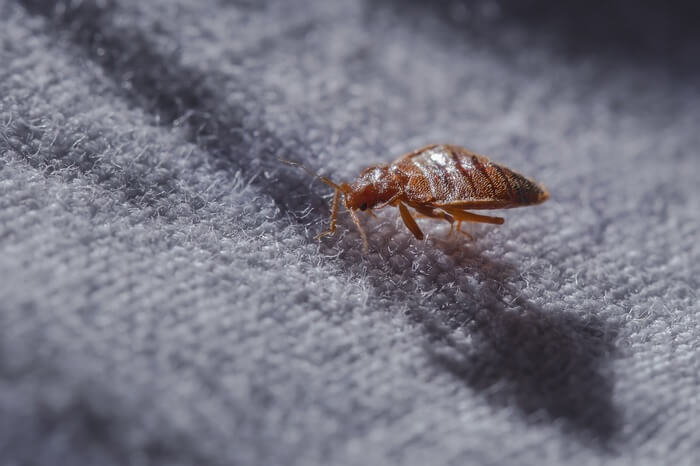
Bed bugs are remarkably skilled at hitching a ride through your daily life. They cling to fabric, particularly in seams and corners of upholstered furniture or suitcases, and could easily sneak in clothes, luggage, and purses to travel from one location to another.
The real concern with bed bugs in clothing is transportation. You carry them from an infested hotel room, a friend’s house, or a used furniture purchase straight into your own home without realising it.
Once they get in, they abandon your clothes for better permanent hiding spots, which is when the real infestation begins.
Signs of Bed Bugs in Clothes
Knowing how to tell if bedbugs are in your clothes requires knowing exactly what evidence these insects leave behind. Bed bugs don’t announce themselves obviously, so you need to look carefully for several specific signs across your garments.
Small Blood Stains on Fabric
Bed bug stains on fabric often show up as tiny rust coloured spots rather than obvious red marks. These blood stains happen when a fed bed bug gets crushed while hiding in fabric folds, or when a feeding bug gets dislodged while you’re moving. The stains are small, typically pinhead sized, and often appear in clusters. Check along seams, collar areas, and waistbands where fabric layers create hiding opportunities. First of all, you might also find little bites on your skin that correspond with when you wore particular garments.

Dark Spots or Fecal Marks
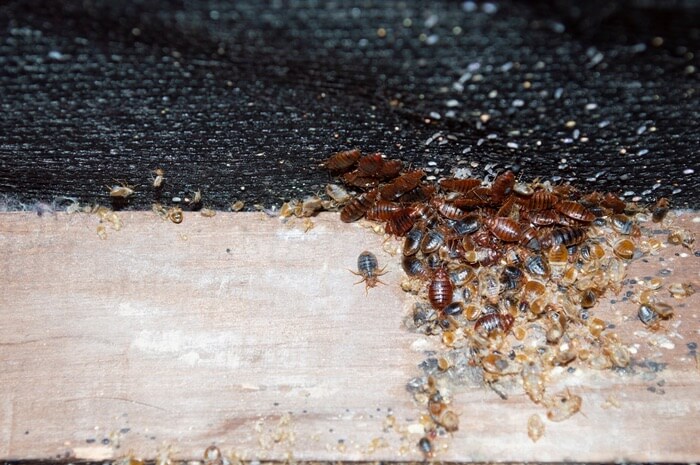
Fecal spots from bed bugs look like someone pressed a fine tip marker against the fabric and let the ink bleed slightly. These dark brown or black marks are digested blood that bed bugs excrete after feeding.
They smear rather than flake off when touched, and it does help distinguish them from dirt or other debris. A musty odour sometimes accompanies heavy fecal contamination, and if your clothes smell slightly off without obvious reason, that warrants closer inspection. Check inside pockets, along hemlines, and around any area where fabric gathers or folds regularly.
Shed Skins or Tiny Eggs
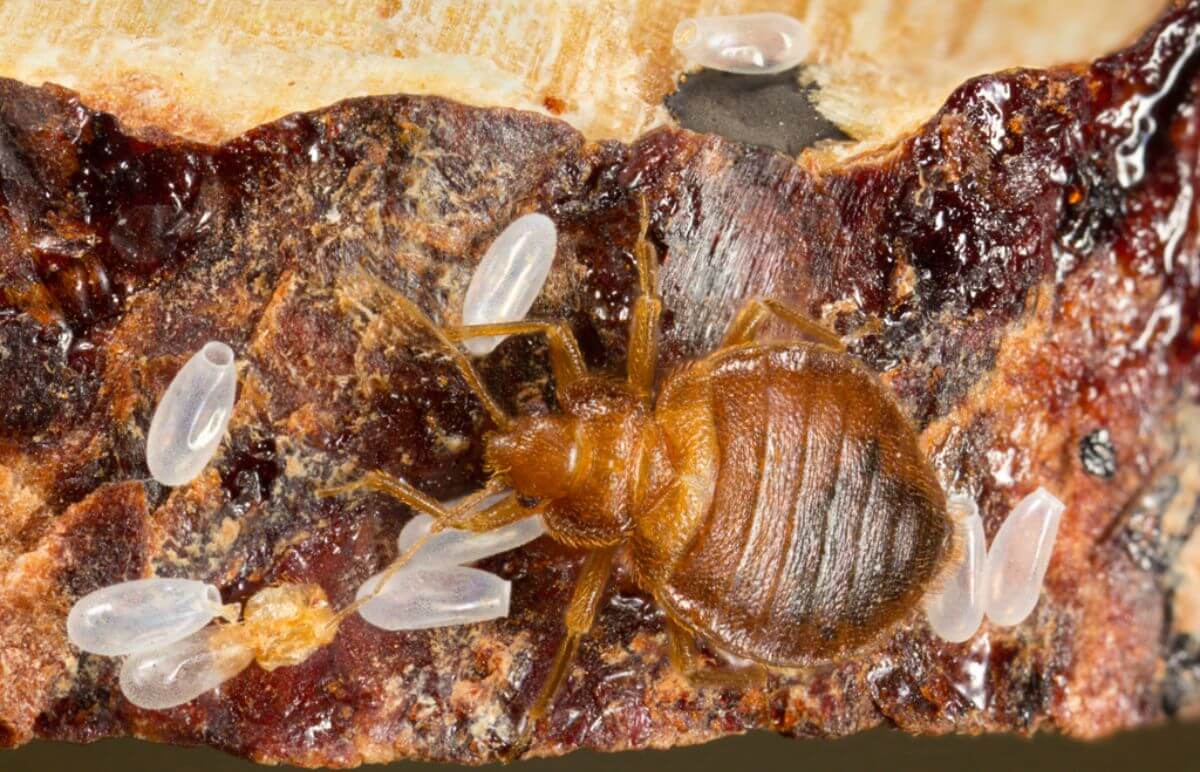
Bed bugs shed their outer skin five times as they mature, leaving behind translucent shells that look like hollow bed bug outlines. Finding these shed skins in the bottom of a drawer or laundry basket indicates bed bugs have been living nearby long enough to grow.
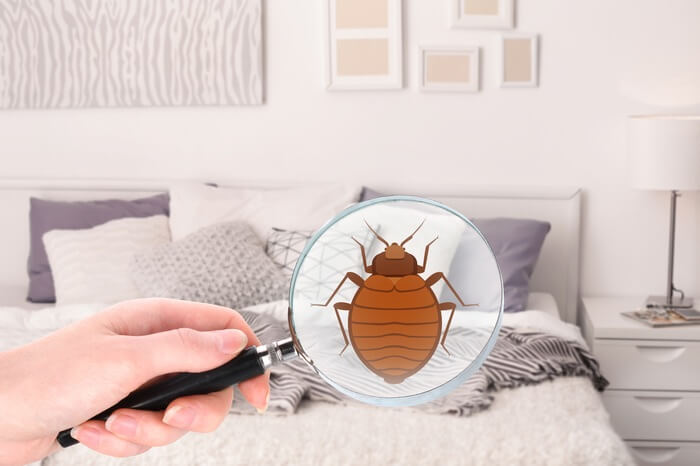
The eggs are even smaller, about the size of a sesame seed, white, and slightly sticky. They adhere to fabric fibres rather than falling off easily. A magnifying glass helps significantly when checking seams, pockets, and folded areas of stored clothing for these tiny indicators.
How to Get Bed Bugs Out of Clothes
Washing Clothes at High Heat or Freeze ‘Em Out
Heat is the most reliable method for killing bed bugs in clothing at all life stages. Wash contaminated clothes in the hottest water setting your fabrics can tolerate, then dry them on high heat for at least 30 minutes.
The dryer heat matters more than the wash temperature since that’s where temperatures consistently reach the lethal threshold of around 49 degrees Celsius. For delicate items that can’t handle high heat, freezing works as an alternative. Seal items in plastic bags and leave them in a freezer set to minus 18 degrees Celsius for at least four days. This kills adults, nymphs, and eggs without damaging fabric.
Sealing Clothes in Plastic Bags
Before washing or freezing, you could also seal potentially infested clothes in plastic bags. This prevents bed bugs from escaping and spreading to other areas while you transport items to the laundry or freezer. Double bagging provides extra security. Once clothes have been treated and confirmed clean, store them in fresh sealed bags until the broader infestation in your home is addressed. This containment strategy stops clothing from becoming a vehicle for reinfesting clean areas of your home during treatment.
When to Call Pest Control
If you’re finding signs of bed bugs in clothes regularly despite washing and treating items, the infestation has likely spread beyond what DIY methods can handle. This is especially urgent if you pick up a female bed bug in your clothing, because she may lay eggs, which could ultimately cause more bed bugs throughout your home.
Professional pest control services use heat treatments, pesticides, and systematic inspections to address the source rather than just treating symptoms. The anxiety around having bed bugs in your clothes becomes a rational fear when the infestation grows unchecked, making professional intervention the practical choice.
Final Thoughts: How to Tell If Bedbugs Are In Your Clothes
Knowing how to tell if bedbugs are in your clothes ultimately comes down to recognising the physical evidence they leave behind. Blood stains, fecal spots, shed skins, and a musty odour all point towards bed bug activity in your wardrobe. The fact that bed bugs don’t permanently live in clothes provides some comfort, but their ability to hitch a ride and spread through your home makes prompt action essential. Regular inspection of stored clothing, immediate treatment of suspected items, and professional help for persistent problems will keep this manageable and protect your home from a larger infestation taking hold.
FAQ
Do bed bugs live in clothes permanently?
No. Bed bugs prefer hiding near where people sleep, like beds and furniture. Clothes are usually a temporary hiding place or a way to travel, especially when garments are piled up or stored near an infested area.
What are the most common signs of bed bugs in clothes?
Look for tiny rust-colored blood spots, dark fecal dots that smear, shed skins in drawers or baskets, and small white eggs stuck in seams and folds.
What do bed bug fecal marks look like on fabric?
They often look like small black ink dots that slightly bleed into the fabric. They smear when rubbed with a damp tissue, unlike dry dirt that tends to flake off.
Can bed bugs lay eggs in clothing?
They can, especially in folded items, seams, and pockets stored undisturbed. It is not their preferred long-term home, but it can happen when clothes are near active harborage areas.
What kills bed bugs in clothes fastest?
High dryer heat is one of the most reliable options for most fabrics. For items that cannot take heat, freezing sealed items long enough at a cold enough temperature can work.
Should I call pest control if I find bed bugs in clothing?
If you are repeatedly finding signs in clothes or multiple rooms, it usually means there is an established infestation elsewhere. Professional treatment targets the source so you are not stuck in an endless wash-and-bag cycle.