
Autumn’s first freezing night triggers a very specific reaction in local mice. They abandon their outdoor foraging grounds and look for a way inside. This sudden mice indoor migration happens because they lose access to their two primary survival needs when the weather breaks: heat and food.
A mouse can’t grow a winter coat or store enough body fat to ride out a freeze the way some wild animals do. Turns out, it heads straight for any structure with a reliable heater and a pantry nearby. More often than not, that structure belongs to you. Unfortunately, it takes a surprisingly tiny opening for them to gain access and take over.
Table of Contents
Key Takeaways
- Mice infestation risk climbs sharply once outdoor temperatures drop into the 40s and food sources thin out
- A gap the size of a dime is all a mouse needs to slip through a foundation or wall
- Mice don’t hibernate, so keep mice out in winter activity going strong from October through March
- Sealing entry points works better than trapping once the population is already established indoors
- Professional help makes sense once droppings or gnaw marks show up in more than one room
Why Mice Come Inside When It Gets Cold
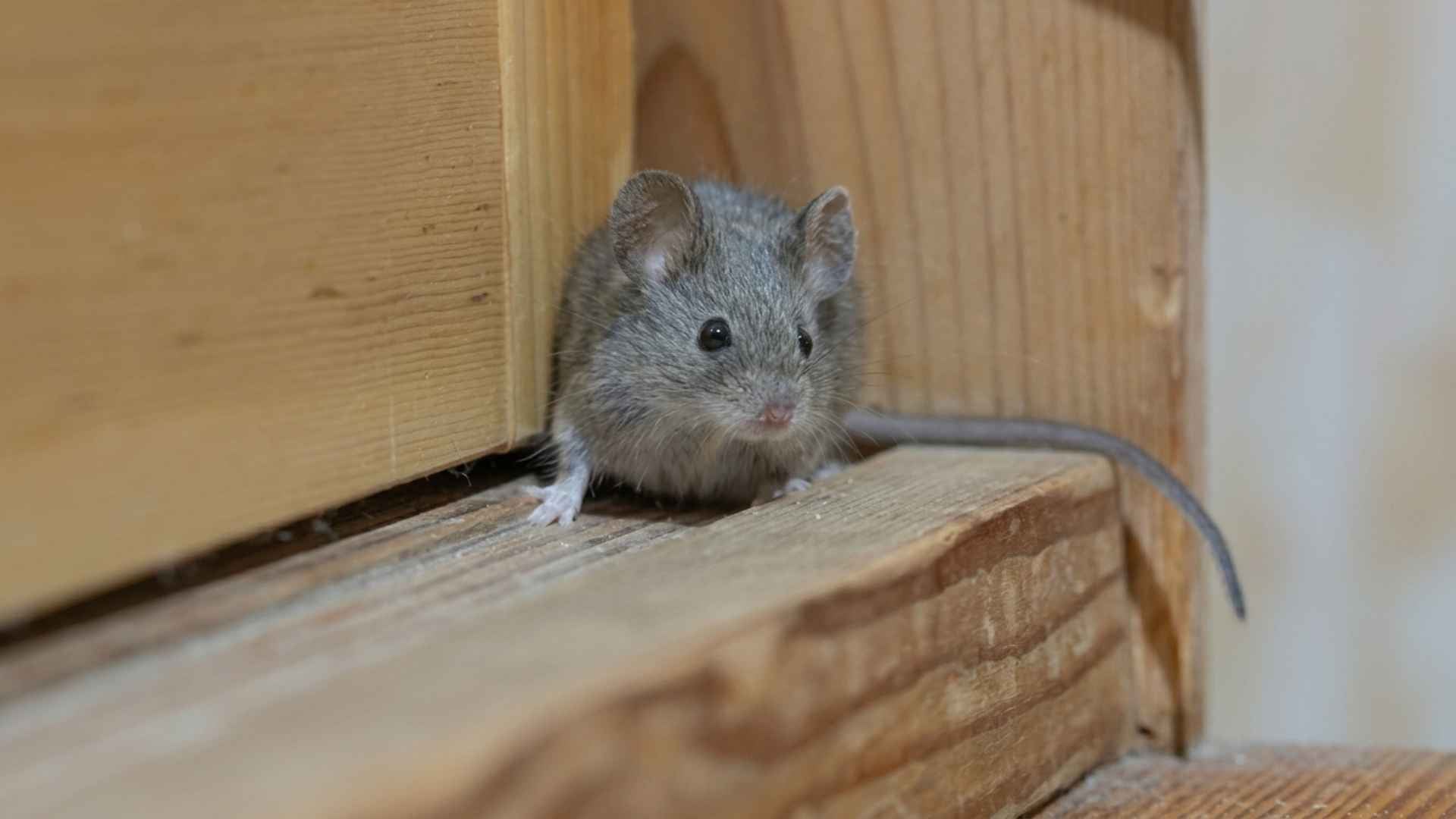
Cold weather changes where mice look for their next meal. As outdoor food becomes less available, they start exploring areas closer to homes, garages, sheds, and other buildings where scraps and stored food are easier to reach.
A mice that ends up inside your house is usually there for a reason. It follows familiar scents and sheltered routes along foundations, doors, pipes, and utility lines, checking small openings along the way until it finds a way through.
Interestingly, a quarter-inch gap is really all it takes, and honestly, that ain’t nothing to a mouse that is built to squeeze through spaces you would swear were way too tight.
They can investigate multiple points along a wall before finding an opening that works, so one overlooked gap near a pipe or utility line can become a dependable route indoors. Once temperatures continue to fall, that opening can become much more valuable to a mouse looking for warmth and shelter.
Where Mice Hide and Nest During Winter?
Mice continue their search for dark, warm, and quiet spaces all through the winter months. They usually focus their attention on a few predictable spots inside the house.
Common Winter Nesting Spots
- Basements and crawl spaces, especially near furnace ducts
- Wall voids, where insulation doubles as bedding
- Attics, particularly around chimney chases and vents
- Behind and under large appliances like the fridge or stove
- Garages and utility closets stacked with boxes and rarely disturbed
A house with mice in house during winter conditions often has activity in two or three of these spots at once, since a single nest rarely stays put once the food supply nearby runs low.
How to Tell if Mice Have Already Gotten Inside
Keep a close watch for small droppings right along the baseboards, fresh teeth marks on your woodwork, or electrical wires. You should also check for shredded bits of paper or fabric piled up into nests. Damaged food boxes in your pantry are another clear giveaway.
These signs usually show up alongside faint scratching noises inside the drywall once the house goes quiet for the evening. If you turn the lights out and stand perfectly still in your kitchen for a brief moment, that scraping noise is often the very first clue you will actually notice.
Dark grease tracks left along their favorite routes and strange odors coming from behind the cabinets complete the list of warning signs.
Where to Look First
Begin your search in the kitchen and the pantry, then look under sinks and behind large appliances where food crumbs collect unnoticed. Move on to the garage, the basement, or the crawl space, then head up to the attic.
Finish your inspection by checking around utility lines where pipes and cables enter the structure. Most mouse entry points show up somewhere along that exact path.
Do Mice Hibernate In Winter?
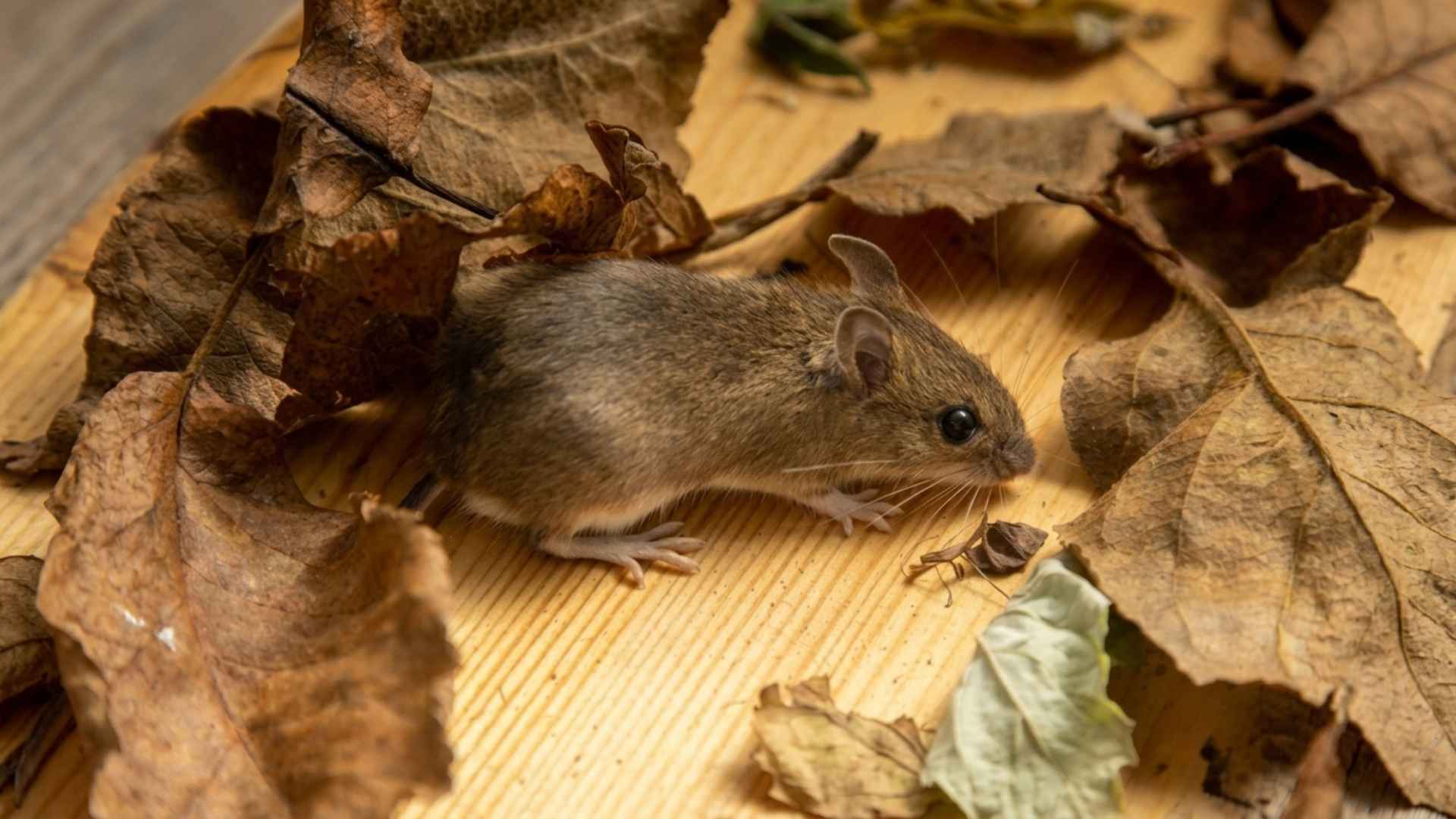
Mice do not hibernate, period. Unlike bears or groundhogs, they do not pack it in for the cold months. They stay up and on the move. They search for crumbs and warm nesting spots on the exact same nightly schedule they keep in July.
That constant activity is exactly why a winter mouse infestation rarely stays small on its own. Mice go inside in the winter and keep working the whole season. They wreck your property.
Mice bite through structural wood. They chew live wiring out of habit and not hunger. They rip straight into food bags and garbage sacks once they track them down. Honestly, em, most folks have no clue how the critters even get inside. They only catch on when the physical wreckage or the gross trail of droppings forces a closer look.
How to Keep Mice Out When It Gets Cold
Seal the Openings
Every mouse entry point starts as a tiny gap somewhere in the frame of your house. Take out a flashlight and check your doorways. Look around utility lines and anywhere pipes or cables run through an outside wall. Steel wool packed into small gaps works well since mice can’t chew through it the way they can foam or caulk alone. This single step does more for keep mice out in winter conditions.
Don’t Leave Pet Food Out Overnight
Pet food left out overnight can give mice exactly what they are looking for when they become active after dark. Once a mouse discovers a dependable source of food, it may return to that same location night after night.
Keeping dry food in a sealed container and picking up bowls before bed removes an easy target from the house. Pay extra attention if your pet eats in a garage, mudroom, or another area close to the exterior walls. Those spaces can already be part of a mouse’s usual route through the property.
Reduce Outdoor Attractants
Firewood stacked right against the house creates a perfect hideout. Overgrown shrubs that touch your siding do the same thing. Cluttered garages give mice a staging area before they ever try to get inside.
Real pest control efforts must start outside. You need to trim your vegetation back from the foundation. Store your firewood well off the ground and away from exterior walls. Honestly, if you clear out their staging grounds, you kick out the problem before it even begins.
Use Mice Traps

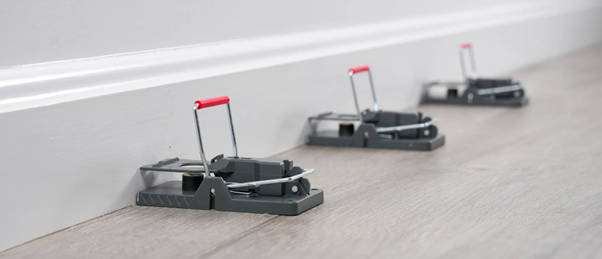
Snap traps, repellent sprays and bait stations placed along walls, in corners, and near suspected entry points catch mice that have already made it past the perimeter. You won’t trap them all with a single station. Therefore, plan on placing several along known travel routes to get the best results.

This is also where most people looking to get rid of mice see the fastest results, since traps address the mice already inside while sealing handles everyone still trying to get there.

How Long Does It Take to Get Rid of Mice Infestation?
There’s rarely a one week fix here. A light case with just a few mice can clear up within two to three weeks once entry points are sealed and traps are placed consistently, though. A heavier mice infestation, especially one that’s had a few weeks to establish a nest and start breeding, can take a full month or longer to resolve completely.
Houses dealing with mice in house during winter populations that keep coming back usually have an entry point that was missed the first time around.
When Should You Call a Professional?
A trap or two catching activity within the first week is a good sign you’re handling it. Droppings spreading to new rooms, or gnaw marks showing up faster than you can seal them, means the population has outgrown a DIY approach.
Orkin has the training and equipment to inspect wall voids and crawl spaces most homeowners can’t safely access, and their technicians know how to combine exclusion work with targeted winter pest control that actually closes off a structure instead of just thinning out what’s inside it.
For mice infestation cases that keep resurfacing no matter what you try, bringing in a professional is usually the fastest way to actually keep mice out in winter for good instead of managing it room by room all season.
FAQs About Mice Getting Inside When It Gets Cold
Will a cold room keep mice away?
Mice handle freezing temperatures far better than people assume. An unheated basement or a cold garage will never discourage them if food and nesting material sit nearby.
How long do mice usually stay in a house?
Once they set up a nest, mice stay indoors forever. They breed and take over more space as long as they have food and shelter. You need to stop them early. It takes forever to kick out an entire population compared to just sealing them out.
Will mice go away after winter?
Some do move back outdoors once spring brings food sources back, but plenty stay put if they’ve already built a nest with steady access to food. Warmer weather alone won’t undo a mice infestation that’s had all winter to grow.
Wrapping Up…
Winter does not cause mice to appear out of nowhere. The cold simply pushes nearby mice to search for warmer shelter, dependable food, and a safer place to stay. A house happens to offer all three. That makes the weeks before freezing weather sets in an important time to look at the property and close off the opportunities mice may use. Seal gaps and cracks around the foundation, doors, utility lines, and other vulnerable areas. Store food in sealed containers, clean up accessible food sources, and reduce clutter around garages, sheds, and the outside walls of the house. Traps still have a place when mice have already gotten indoors, but the stronger strategy is to prevent the first mouse from getting through. Keeping mice out in winter is much easier when prevention comes before the evidence of an infestation.